From Fandom to Folklore: Spotify’s "Great Lengths" Campaign and the Evolution of the "Reserved" Ticketing Experience
The modern music industry is defined by an increasingly polarized tension: while music has never been more accessible to the masses through streaming, the experience of seeing that music performed live has become a gauntlet of digital hurdles, soaring prices, and algorithmic frustration. In a strategic move to position itself as the ultimate bridge between the digital stream and the physical stage, Spotify has launched its latest US-based marketing campaign, titled "Great Lengths."
The campaign serves as the promotional spearhead for "Reserved," a recently unveiled initiative designed to reward the platform’s most dedicated listeners by providing them with a prioritized pathway to concert tickets. Through a surreal, high-concept animated film and a massive multi-city out-of-home (OOH) rollout, Spotify is attempting to tap into the visceral, often irrational, and deeply emotional world of the "super-fan."
Main Facts: The "Reserved" Initiative and the "Great Lengths" Creative
At its core, "Reserved" is a data-driven solution to the "ticketing wars" that have plagued the industry in recent years. Available exclusively to eligible Spotify Premium subscribers in the United States, the feature uses the platform’s internal streaming data to identify an artist’s most frequent and loyal listeners. These fans are then granted a "reserved window" to purchase up to two tour tickets before the general public sale begins. This is not merely a lottery; it is an earned privilege based on verifiable engagement.
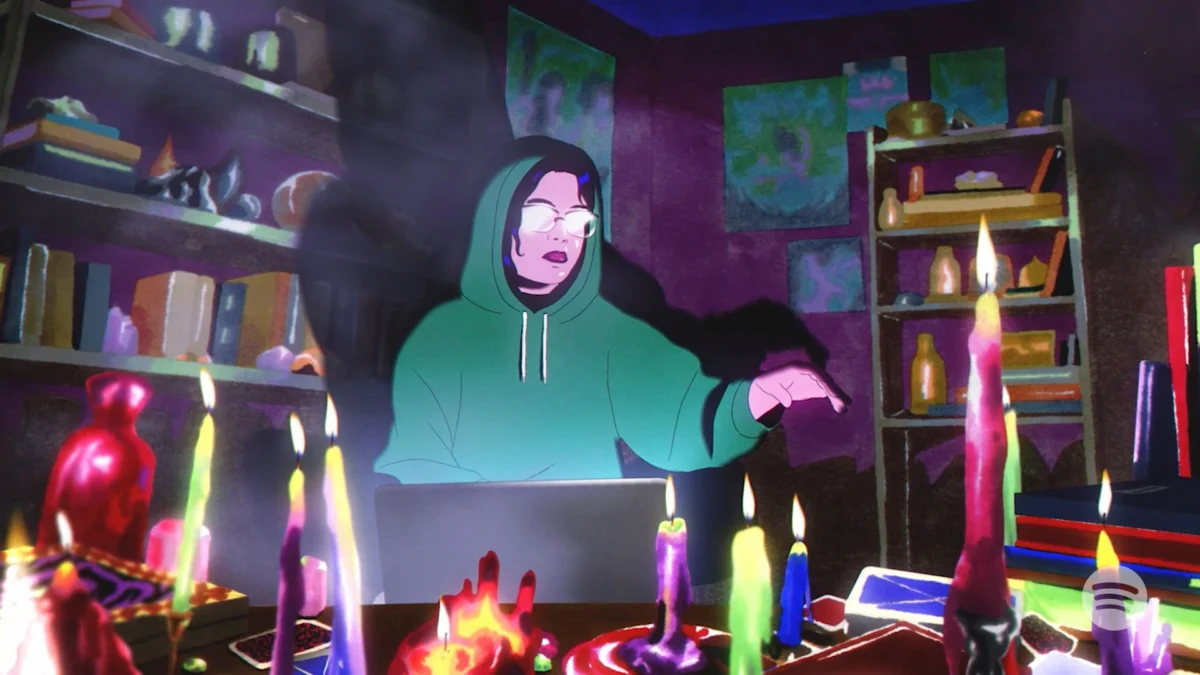
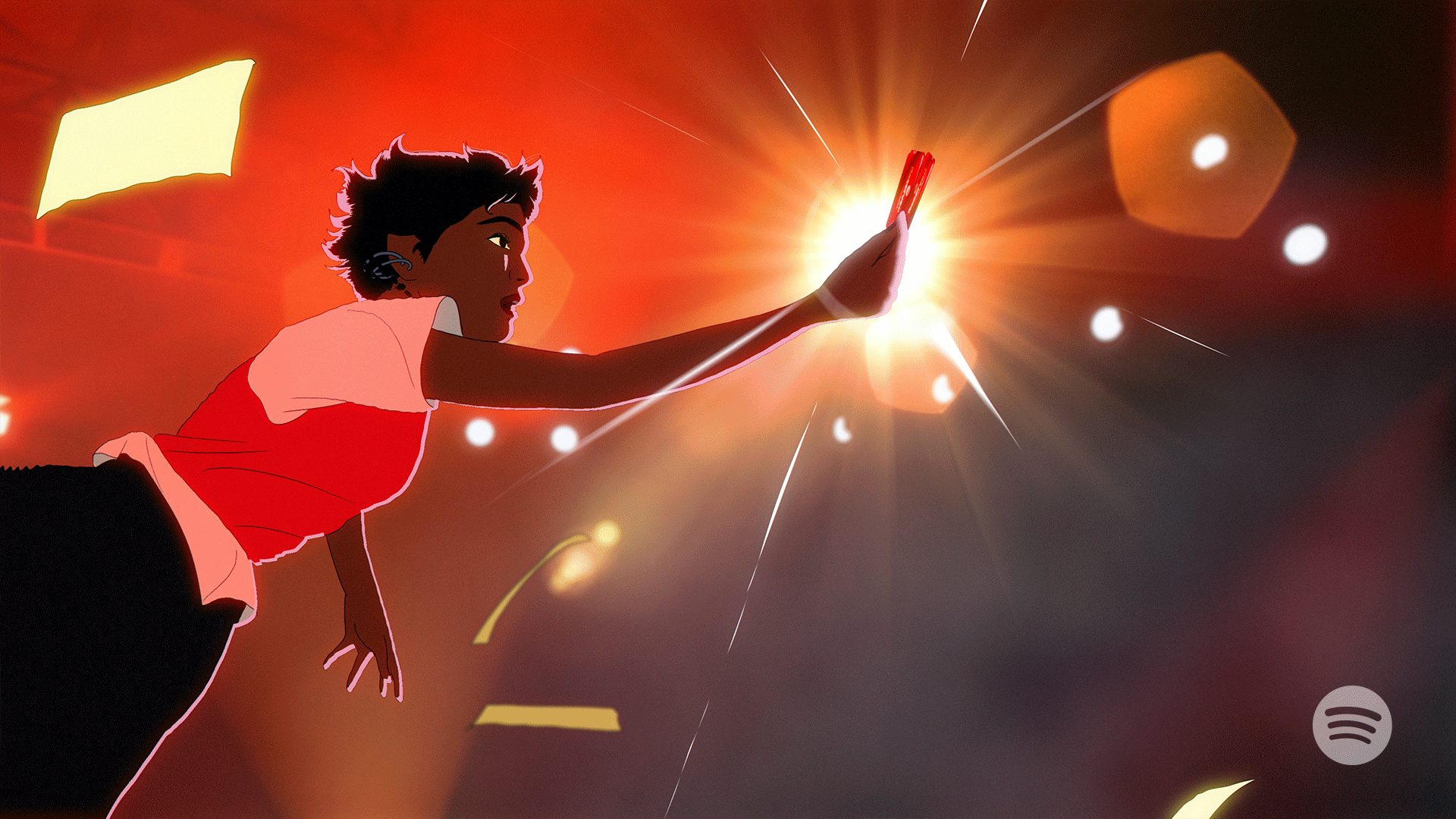
To promote this feature, Spotify partnered with the Paris-based production company Remembers and director Jocelyn Charles to create "Great Lengths." The campaign centers on a hero film that depicts the lengths to which fans will go to secure a spot at a show—from staying awake for 48 hours straight to more surreal, metaphorical representations of devotion.
The campaign’s rollout is comprehensive, targeting the primary hubs of American music culture:
- Hero Film: A mix of hand-drawn felt-marker backgrounds and frame-by-frame digital animation.
- Geographic Focus: Large-scale OOH placements in New York, Los Angeles, Miami, Chicago, and Atlanta.
- Media Mix: Contextual placements near iconic concert venues, transit advertising (including full train wraps), television spots, online video, and paid social media.
- Initial Artist Roster: The program is launching with tours from artists such as Role Model and Rod Wave, with a promise of a rapidly expanding roster in the coming months.
Chronology: The Road to "Reserved"
The launch of "Reserved" and the "Great Lengths" campaign did not happen in a vacuum. It is the result of several years of escalating tension in the live music sector.

The Post-Pandemic Surge (2022–2023): As live music returned following the COVID-19 lockdowns, demand reached unprecedented levels. This "revenge spending" on concerts led to the infamous ticketing debacles of 2023, most notably during Taylor Swift’s "The Eras Tour," where fans faced hours-long digital queues, site crashes, and the predatory behavior of bot-driven scalping.
The Launch of "Reserved" (June 2024): Recognizing a gap in the market for a verified fan experience that didn’t rely solely on luck-based codes, Spotify introduced "Reserved" in June. The goal was to leverage their proprietary data—something Ticketmaster and AXS do not possess in the same way—to ensure tickets ended up in the hands of listeners rather than resellers.
The Creative Genesis (Early 2024): During the development of the "Great Lengths" campaign, Spotify’s creative team identified a core insight: the act of getting a ticket has become a modern ritual. Director Jocelyn Charles and the team at Remembers were tasked with capturing this "irrational" behavior. They spent months developing a visual style that felt both nostalgic (hand-drawn) and futuristic (hyper-vivid digital animation).
The Campaign Launch (Late 2024): Following the soft rollout of the Reserved feature, "Great Lengths" was launched to the public. The campaign represents a shift from "testing the feature" to "defining the brand" as a live-music facilitator.
Supporting Data: The Psychology of the Super-Fan
The "Great Lengths" campaign is built on the foundation of the "Super-fan" economy, a sector that Goldman Sachs recently estimated could be worth billions in untapped revenue for the music industry. Spotify’s internal data indicates that the top 1% of an artist’s listeners are responsible for a disproportionate amount of merch sales and live event attendance.
The creative execution of the film reflects this intensity. By using hand-drawn felt markers for backgrounds, the production team at Remembers created a "tactile" feel that contrasts with the sterile, often frustrating experience of a digital ticket queue.

Technical Highlights of the Film:
- Animation Technique: Frame-by-frame digital animation on top of physical media.
- Color Palette: Use of hyper-real, vivid colors to signify the "altered state" fans enter when their favorite artist announces a tour.
- Collaborators: Music by Citizen; OOH animations by Hornet; illustrations by Remembers.
The media strategy also utilizes data-informed placement. By placing OOH advertisements near concert venues and transit hubs, Spotify is reaching fans exactly when they are most attuned to the live music experience. The inclusion of train wraps in cities like New York and Chicago ensures that the campaign is unavoidable for the urban demographic that makes up the bulk of concert-goers.
Official Responses: Spotify’s Strategic Vision
While Spotify has long been the dominant force in music discovery, the company has recently signaled a desire to move deeper into the "fan lifecycle." In statements regarding the launch of "Reserved," Spotify emphasized its role as more than just a utility for playing songs.
A spokesperson for Spotify noted that the initiative builds on the platform’s history of artist growth. By facilitating ticket sales, Spotify is helping artists solidify their financial base through touring, which remains the primary source of income for most musicians in the streaming era. The company views "Reserved" as a way to "strengthen the connection between artists and their most loyal listeners," effectively turning streaming data into a currency for real-world experiences.
The choice of artists for the initial rollout—Role Model and Rod Wave—is also telling. These are artists with highly engaged, younger fanbases who are "digital natives." They represent the demographic most likely to feel the sting of traditional ticketing failures and most likely to appreciate a streamlined, data-verified process.
Implications: A New Era for Ticketing and Platform Loyalty
The "Great Lengths" campaign and the "Reserved" scheme have significant implications for the broader music industry, particularly concerning the monopoly held by major ticketing platforms.
1. The Challenge to the Status Quo
For decades, the relationship between fans and tickets was mediated entirely by companies like Ticketmaster. By stepping into this space, Spotify is not necessarily replacing these giants (as the actual transaction often still occurs via a ticketing partner), but they are seizing control of the access point. If Spotify becomes the "gatekeeper of the good seats," it increases the value of a Spotify Premium subscription significantly.
2. The Gamification of Fandom
"Reserved" creates a tangible reward for high streaming numbers. This could lead to a "gamification" of listening habits, where fans feel incentivized to keep an artist’s album on repeat not just for enjoyment, but to ensure they qualify for future ticket windows. While this boosts Spotify’s engagement metrics, it raises questions about the "authenticity" of streaming data in an era where data equals access.
3. Global Expansion and Market Dominance
Currently, "Reserved" is limited to the US market. However, Spotify has already indicated that additional markets are expected to follow. If successful, this could become a global standard for how tours are sold. For Spotify, this is a defensive move against competitors like Apple Music and Amazon Music. Neither of those platforms currently offers a comparable "data-to-live" pipeline, giving Spotify a unique selling proposition that goes beyond the size of its library.
4. The "Surrealist" Branding Trend
From a marketing perspective, "Great Lengths" follows a growing trend of "hyper-reality" in advertising. By moving away from live-action footage of crowds and instead using surreal animation, Spotify is acknowledging that the feeling of being a fan is often more intense than the reality. The campaign successfully transforms a logistical feature (a ticket window) into a piece of cultural folklore.
Conclusion
Spotify’s "Great Lengths" is more than just an ad campaign; it is a manifesto for the next phase of the streaming wars. By acknowledging the "irrational" and "extraordinary" measures fans take to support their idols, Spotify is positioning itself as the fan’s greatest ally. As the "Reserved" program scales, the music industry will be watching closely to see if data-driven access can finally solve the age-old problem of getting the right fans into the right seats. For now, the message to fans is clear: Spotify sees your all-nighters, your "internet witches," and your devotion—and they are ready to reward it.