Brewing Compassion: An In-Depth Look at ‘Kitch Witch’ and the Evolution of the Cozy RPG
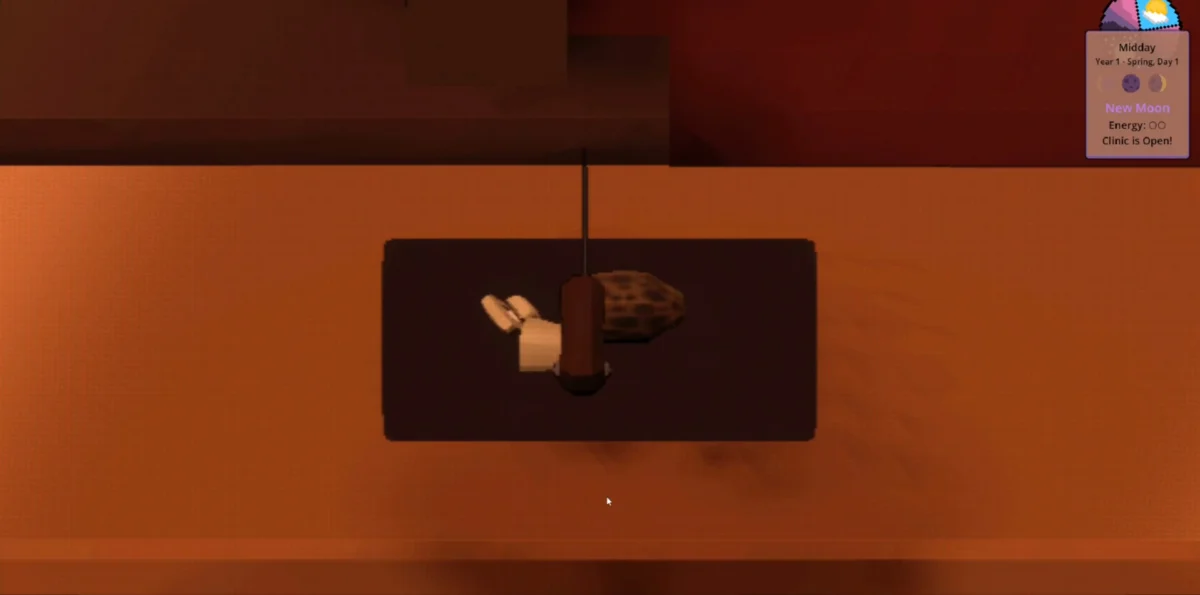
The landscape of independent gaming has undergone a seismic shift over the last decade, moving away from high-octane violence toward what is now affectionately termed "cozy gaming." Within this flourishing niche, a new contender has emerged to capture the hearts of simulation enthusiasts. Kitch Witch, a wholesome life simulator infused with RPG elements, is positioning itself as a standout title that blends the meticulousness of alchemy with the emotional weight of community service.
While many games in the genre focus on farming or interior decoration, Kitch Witch centers its gameplay loop on empathy and diagnostics. Playing as a local witch, players are tasked with more than just following recipes; they must become the emotional and physical healers of a vibrant, evolving town.
Main Facts: The Mechanics of Magical Healing
At its core, Kitch Witch is a management and crafting simulator that prioritizes narrative depth through its "patient" system. Unlike traditional RPGs where potions are merely consumables used to buff a warrior’s stats, in Kitch Witch, the potion is the resolution of a story.
The Diagnostic Process
The game sets itself apart early in the player experience through its diagnostic phase. When community members enter the shop, they do not always arrive with a clear request. Instead, they present symptoms—physical, emotional, or supernatural. It is the player’s responsibility to examine these patients, cross-reference their ailments with a comprehensive recipe book, and determine the correct course of action. This adds a layer of "detective work" that elevates the gameplay beyond simple fetch-quests.
Crafting and Processing
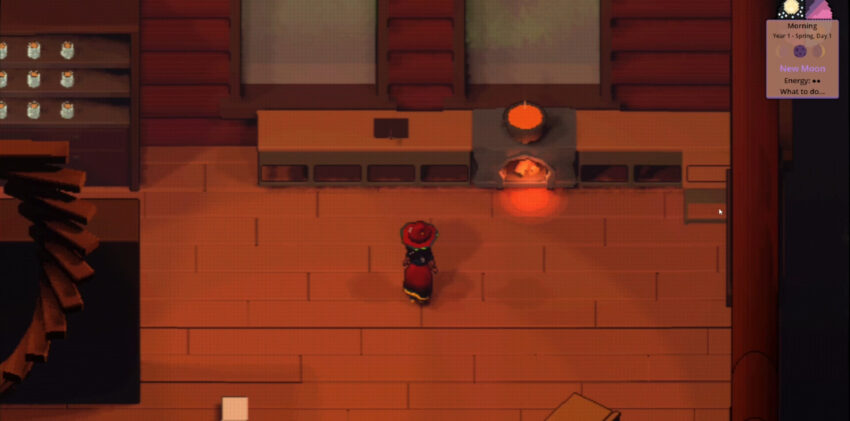
Once a diagnosis is made, the player transitions to the "Kitch" (Kitchen). The crafting system is tactile and deliberate. Ingredients are not simply clicked into existence; they must be grabbed from shelves, processed through chopping or grinding, and stirred into a cauldron. The UI emphasizes a "manual" feel, rewarding players who take the time to master the rhythm of the kitchen. The recipe book serves as a central hub of knowledge, evolving as the player discovers new combinations and learns more about the specific needs of the townspeople.
Resource Management and Ethical Dilemmas
Perhaps the most intriguing aspect of Kitch Witch is its introduction of scarcity and moral choice. Ingredients are finite, and the town is filled with diverse characters, some of whom may not have the funds to pay for their life-saving or mood-altering tinctures. Players are frequently faced with the decision of whether to provide free care at the expense of their own shop’s sustainability or to prioritize those who can keep the business afloat. This introduces a subtle but firm critique of healthcare and community support systems, wrapped in a charming, "witchy" aesthetic.
Chronology: From Concept to Game Con Canada
The development journey of Kitch Witch reflects the modern indie path of community-driven visibility. While the game remains in its pre-alpha stage, its public presence has grown significantly over the past year.
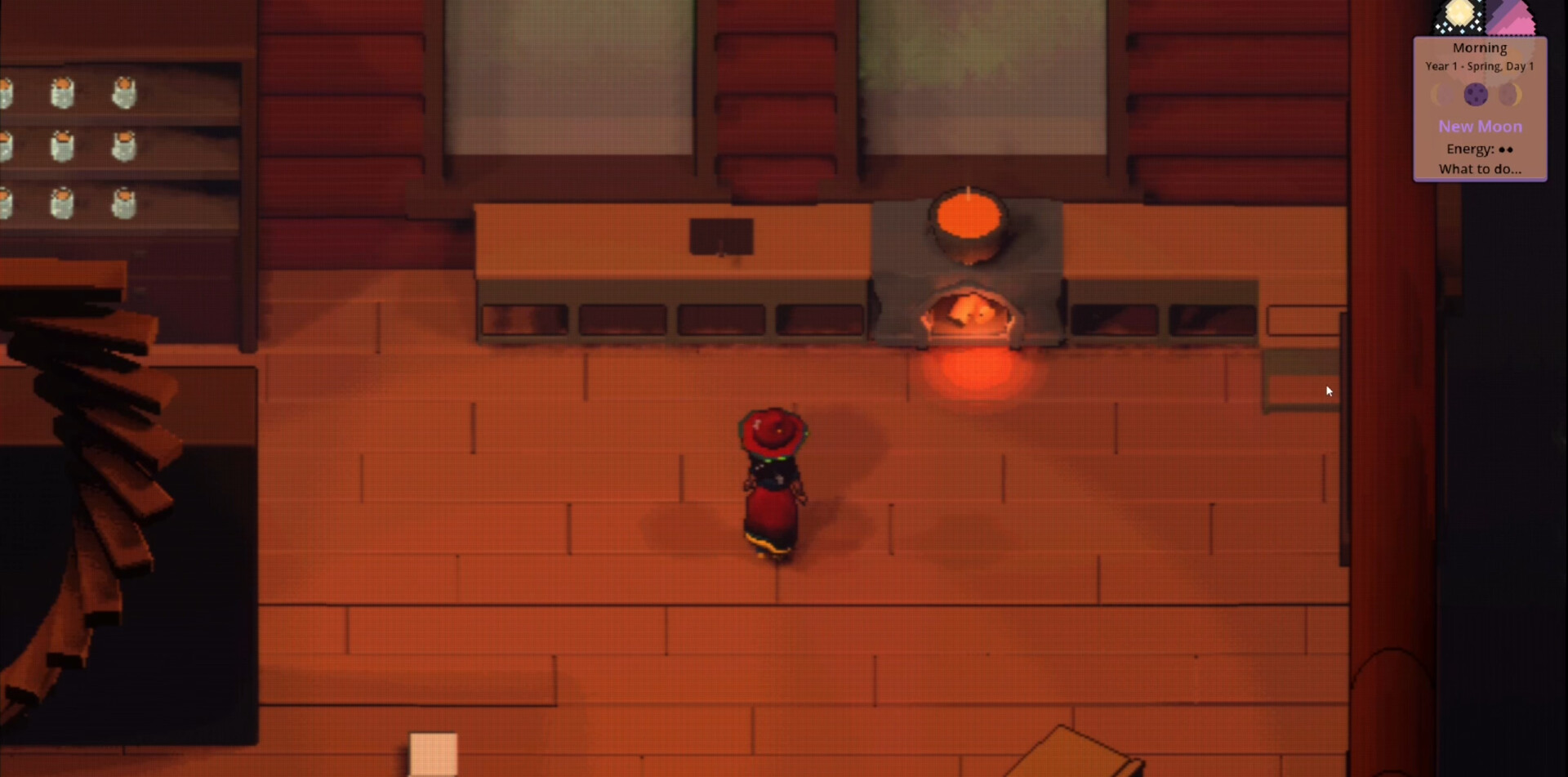
- Initial Reveal and Steam Listing: The game first appeared on Steam as a "coming soon" title, immediately gaining traction among the "Wholesome Games" community. The early trailers highlighted the soft art style and the soothing soundtrack, establishing the game’s "cozy" credentials.
- The Pre-Alpha Phase: Throughout the early development months, the creators focused on refining the "feel" of the kitchen. In a game where the primary interaction is stirring and chopping, the physics and sound design (ASMR-like qualities) were prioritized to ensure the gameplay loop didn’t feel repetitive or mechanical.
- Game Con Canada Showcase: A pivotal moment for the title occurred at Game Con Canada, where a playable demo was made available to the public. This was the first time many players got to experience the diagnostic mechanics firsthand. Reports from the floor indicated that the game’s difficulty lies not in reflexes, but in resource allocation—deciding which herbs to save for the "night shift" patients and which to use immediately.
- Current Status: As of late 2024, Kitch Witch is currently available for wishlisting on Steam. The developers have opted for a "when it’s ready" approach to the release date, a common strategy for small indie teams aiming to ensure a polished, bug-free experience upon launch.
Supporting Data: The Rise of the "Witchy" Subgenre
Kitch Witch enters a market that is hungry for "witchy" content. According to industry analysis of Steam tags, the "Cozy" and "Crafting" tags have seen a 25% year-over-year increase in player engagement since 2020.
Comparative Market Analysis
Titles like Potion Permit, Strange Horticulture, and Wylde Flowers have paved the way for Kitch Witch. However, data suggests that players are looking for more "agency" in their simulations.
- Potion Permit focused on town-building and combat-lite exploration.
- Strange Horticulture focused on dark-atmospheric puzzle-solving.
- Kitch Witch occupies a middle ground, combining the bright, inviting aesthetics of a life sim with the ethical weight of a medical drama.
The Foraging Cycle
The inclusion of a day/night cycle significantly impacts the game’s "Supporting Data" for replayability. Different ingredients only appear during specific lunar phases or times of day. This encourages players to plan their "work week" in the game, balancing shop hours with exploration. The "foraging" aspect is not just a side-quest but a logistical necessity that dictates the success of the player’s business.
Official Responses: A Philosophy of Wholesome Interaction
While formal press releases from the development team are curated, their communication through devlogs and at conventions reveals a clear philosophy: Kindness as a Mechanic.
In discussions during Game Con Canada, the sentiment expressed by the creators was one of "radical empathy." The goal was to create a game where the player’s primary power is the ability to listen and heal. Unlike traditional RPGs where power is measured by the strength of a sword, in Kitch Witch, power is measured by the health of the community.
The developers have also addressed the "Limited Item" mechanic. In response to early player feedback about the stress of running out of ingredients, the team clarified that this was a deliberate design choice. They want players to feel the weight of their role. If everyone can be healed instantly with no cost, the "help" becomes hollow. By making resources scarce, every potion given for free becomes a genuine act of sacrifice by the player.
Implications: The Future of Indie Life Sims
The emergence of Kitch Witch carries several implications for the future of the indie gaming industry and the "Cozy" genre.
1. The Death of the "Grind"
Kitch Witch signals a move away from the "infinite grind" seen in early farming sims. Instead of planting 500 pumpkins to maximize profit, players are encouraged to focus on five or six high-quality interactions per in-game day. This suggests a trend toward "Quality over Quantity" in simulation design, catering to an older audience that has less time to play but wants a deeper emotional experience.
2. Ethical Simulation
By introducing customers who cannot pay, Kitch Witch is part of a new wave of games (like Papers, Please or Coffee Talk) that use simple management mechanics to ask difficult questions. How much of ourselves do we owe to our community? Can we stay "wholesome" when resources are low? These are sophisticated themes hidden beneath a veneer of cute mushrooms and bubbling cauldrons.
3. The "Wishlist" Economy
The success of Kitch Witch at conventions like Game Con Canada highlights the importance of the Steam Wishlist as a metric for indie success. For small teams, these numbers are the primary currency used to secure publishing deals or storefront featuring. The buzz surrounding Kitch Witch suggests that "aesthetic-first" games with solid mechanical hooks remain the most viable path for solo or small-team developers in a crowded marketplace.
Conclusion: A Tincture for the Soul
Kitch Witch is more than just a "cozy" game; it is a meticulously crafted experience that asks players to step into a role of responsibility and care. By combining the tactile satisfaction of potion-making with the narrative complexity of community management, it offers a fresh take on the life-sim genre.
As players wait for a concrete release date, the game stands as a testament to the power of indie development to create worlds that are not only fun to inhabit but also reflective of our better nature. In the world of Kitch Witch, magic isn’t about casting fireballs; it’s about knowing exactly which herb will mend a broken heart or soothe a weary traveler. For many gamers, that is the most enchanting prospect of all.
Availability: Kitch Witch is currently available for Wishlisting on Steam. Prospective players are encouraged to follow the developers on social media for updates on the upcoming Beta and official release windows.