
Uncanny Magazine Podcast Unveils Acclaimed Episode 70A, Further Cementing its Speculative Fiction Legacy
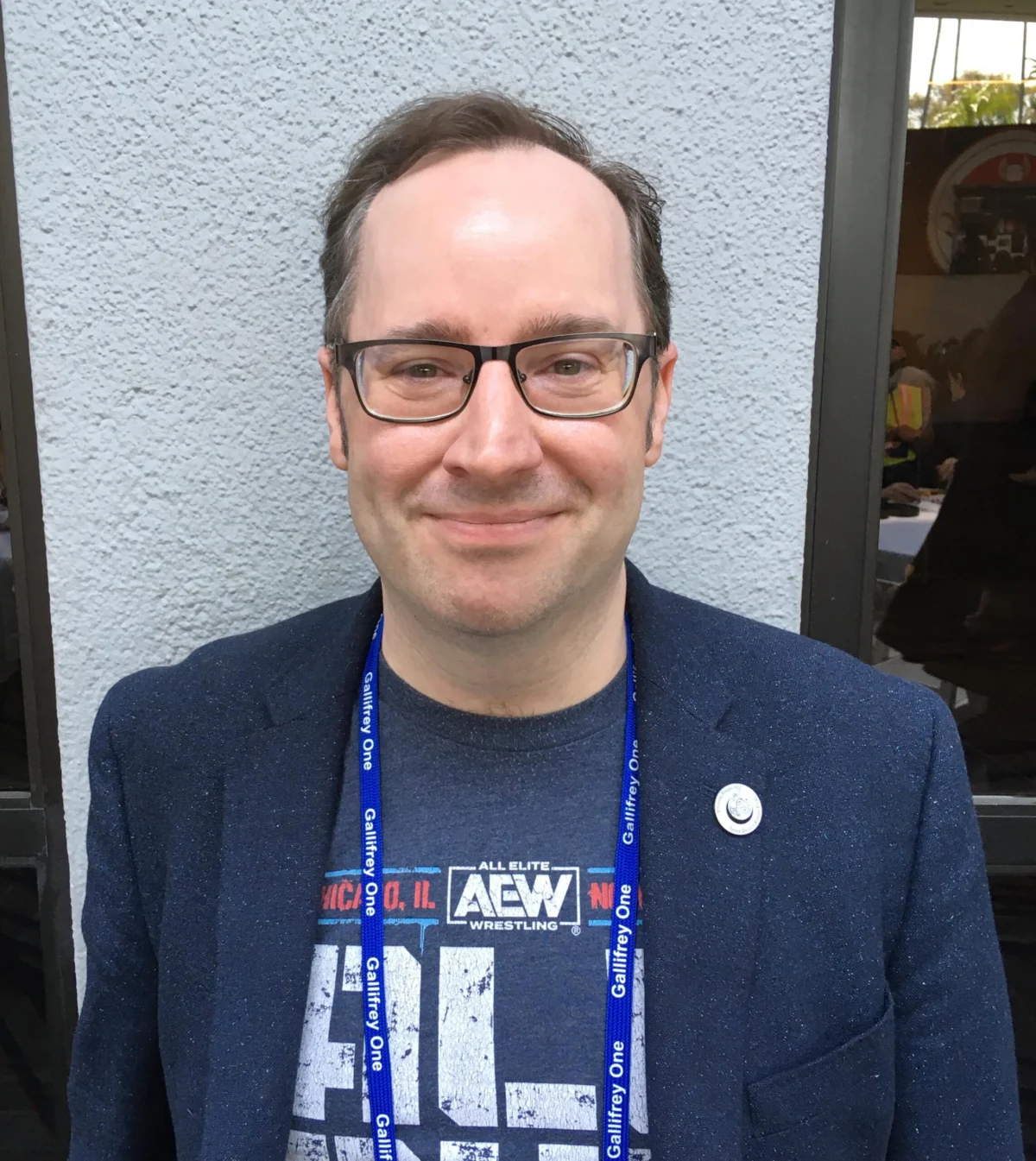
URBANA, IL – [Current Date] – In a significant event for enthusiasts of speculative fiction and audio storytelling, the award-winning Uncanny Magazine Podcast has released its latest installment, Episode 70A. Curated and introduced by Michael Damian Thomas, the esteemed publisher and editor-in-chief of Uncanny Magazine, this episode delivers a compelling blend of cutting-edge fiction, evocative poetry, and insightful conversation, reinforcing the podcast’s reputation as a cornerstone of the genre.
Episode 70A features "The Snatchers," a thought-provoking story by Eugenia Triantafyllou, masterfully read by Matt Peters, alongside "A Mermaid Looks at 40," a poignant poem by Fran Wilde, brought to life through the narration of Erika Ensign. The episode is further enriched by an exclusive interview where Michael Damian Thomas engages in a candid discussion with author Eugenia Triantafyllou, offering listeners a deeper understanding of her creative process and the themes explored in her work. Produced with the signature excellence of Erika Ensign and Steven Schapansky, collectively known as The Uncanny Podcats, and featuring the distinctive musical contributions of Null Device, Episode 70A is available for immediate listening and download, promising an immersive auditory experience for its dedicated global audience.
The Core Offering: A Glimpse into Episode 70A
The Uncanny Magazine Podcast has consistently been a beacon for high-quality speculative fiction, offering listeners an accessible gateway into the vibrant worlds and complex ideas published within the magazine’s digital pages. Episode 70A continues this tradition with a carefully selected lineup designed to captivate and provoke thought.
"The Snatchers" by Eugenia Triantafyllou: At the heart of this episode lies Eugenia Triantafyllou’s "The Snatchers." Triantafyllou, a rising star in the speculative fiction firmament, is known for her distinctive voice and her ability to weave narratives that often explore themes of identity, transformation, and the subtle horrors of the everyday, frequently with a touch of the fantastical or folkloric. While the specific plot details are best left for listeners to discover, Triantafyllou’s work typically challenges conventional perceptions, drawing readers into richly imagined scenarios that resonate long after the final word. Matt Peters’s reading is crucial in translating the nuances of Triantafyllou’s prose, ensuring the emotional weight and intellectual depth of the story are fully conveyed through vocal performance. Peters, a seasoned narrator, brings a sensitivity and range that elevate the listening experience, allowing the audience to fully immerse themselves in the narrative’s atmosphere and character arcs.
"A Mermaid Looks at 40" by Fran Wilde: Complementing the fiction piece is "A Mermaid Looks at 40" by Fran Wilde. Wilde is an author celebrated for her lyrical prose and her ability to infuse her speculative works with a profound sense of wonder and often, a deep emotional core. Her poetry, much like her fiction, often delves into myth, folklore, and the human condition, frequently through a lens of the fantastic. The title itself suggests a contemplative piece, perhaps exploring themes of aging, self-reflection, and the timeless allure of mythical beings grappling with very human experiences. Erika Ensign, a pivotal figure in the podcast’s production and an accomplished narrator, lends her voice to Wilde’s poem. Ensign’s readings are characterized by their clarity, emotional intelligence, and ability to highlight the rhythm and beauty of the poetic form, making the experience both engaging and deeply moving for the listener.
Interview with Eugenia Triantafyllou: A standout feature of Uncanny podcasts is the inclusion of interviews with featured authors, and Episode 70A is no exception. Michael Damian Thomas’s interview with Eugenia Triantafyllou provides invaluable context for "The Snatchers" and offers a window into the author’s creative world. Thomas, himself an accomplished editor and interviewer, possesses a unique ability to draw out insights from authors, exploring their inspirations, writing processes, and the broader implications of their work. These interviews transform the listening experience from passive consumption into an active engagement with the literary craft, fostering a deeper appreciation for the stories and the minds behind them.
Chronology of Excellence: The Uncanny Journey
The release of Episode 70A is not an isolated event but a continuation of a remarkable trajectory for Uncanny Magazine and its podcast. Founded by Michael Damian Thomas and Lynne M. Thomas, Uncanny Magazine launched in 2014 with a clear mission: to publish "science fiction and fantasy with a dark, strange, and beautiful aesthetic." From its inception, Uncanny has distinguished itself by its commitment to diverse voices, high literary quality, and a unique blend of traditional and modern speculative themes.
The Uncanny Magazine Podcast quickly became an integral part of this vision. Recognizing the growing popularity of audio content and the desire for more accessible forms of speculative fiction, the podcast was established to bring the magazine’s stories and poems to life through professional narration. This strategic expansion allowed Uncanny to reach a broader audience, including those who prefer audiobooks or podcasts for their daily dose of fiction, further solidifying its presence in the genre landscape.
Over the years, both the magazine and its podcast have garnered an impressive array of accolades. Uncanny Magazine itself has been the recipient of multiple Hugo Awards for Best Semiprozine, a testament to its consistent quality and impact. The podcast, too, has been recognized, notably with a Parsec Award, highlighting its production excellence and compelling content. This consistent critical acclaim underscores the dedication of the entire Uncanny team to fostering a platform that not only entertains but also elevates the discourse within speculative fiction.
Michael Damian Thomas’s own chronology of contributions to the genre precedes and parallels Uncanny‘s success. His extensive background as former Managing Editor of Apex Magazine (2012-2013) provided him with invaluable experience in the intricacies of publishing. He has also co-edited several critically acclaimed anthologies, including the Hugo Award finalist essay collection Queers Dig Time Lords (2013) with Sigrid Ellis, Glitter & Mayhem (2013) with John Klima and Lynne M. Thomas, and the Locus Award finalist The Best of Uncanny (2019) with Lynne M. Thomas. These projects demonstrate a long-standing commitment to curating exceptional genre fiction and non-fiction, shaping the tastes and conversations within the speculative fiction community for over a decade.
Supporting Data: A Foundation of Award-Winning Talent
The quality of Uncanny Magazine Podcast Episode 70A is built upon the formidable talents of its contributors and production team, all of whom bring a wealth of experience and recognition to their roles.
Michael Damian Thomas’s Visionary Leadership: As publisher and editor-in-chief, Michael Damian Thomas is the driving force behind Uncanny Magazine‘s distinct identity and its consistent excellence. His curatorial eye has led Uncanny to win nine Hugo Awards, a British Fantasy Award, a World Fantasy Award, and a Parsec Award. These aren’t just statistics; they represent a sustained period of influence and a profound understanding of what makes speculative fiction resonant and impactful. Thomas’s editorial philosophy emphasizes diverse voices, innovative storytelling, and a commitment to publishing works that challenge and inspire. His involvement extends beyond Uncanny; he was also a contributor to the SF Squeecast podcast (alongside luminaries like Elizabeth Bear and Seanan McGuire) and Down and Safe – Blake’s 7 podcast, showcasing his broad engagement with genre media. Currently, he serves as the Content Editor for the popular It’s Storytime with Wil Wheaton podcast, further demonstrating his expertise in audio content creation and curation. His career is a testament to a deep-seated passion for speculative fiction and a tireless dedication to promoting its finest expressions.

Eugenia Triantafyllou’s Emerging Stature: Eugenia Triantafyllou is a Greek author whose work has quickly garnered attention in the SFF world. Her stories often blend elements of horror, fantasy, and science fiction with a unique voice, exploring themes that are both deeply personal and universally resonant. Her inclusion in Uncanny Magazine and its podcast highlights Uncanny‘s commitment to showcasing emerging talents who are pushing the boundaries of the genre. Her growing bibliography and increasing recognition are a clear indicator of her significant contributions to contemporary speculative fiction.
Fran Wilde’s Poetic Resonance: Fran Wilde is a highly acclaimed author known for her Nebula Award-winning novel Updraft and its sequels, as well as numerous short stories and poems. Her work is characterized by its evocative world-building, intricate plotting, and profound emotional depth. Wilde’s ability to craft narratives that are both epic in scope and intimate in detail makes her a perfect fit for Uncanny‘s aesthetic. Her poem "A Mermaid Looks at 40" is an example of her capacity to explore complex themes within a concise and beautiful form, utilizing the power of metaphor and imagery to convey rich meaning.
The Uncanny Podcats: Erika Ensign and Steven Schapansky: The professional polish and immersive quality of the Uncanny Magazine Podcast are largely due to the meticulous work of Erika Ensign and Steven Schapansky. Operating as "The Uncanny Podcats," this duo is responsible for the production, editing, and sound design that elevate the raw audio into a seamless listening experience. Erika Ensign’s role extends beyond production, as her voice is frequently heard narrating poems, bringing a consistent and beloved presence to the podcast. Their combined expertise ensures that the stories and poems are presented with optimal clarity and atmospheric richness, making the audio adaptation as compelling as the written word. The use of music created by Null Device, used with permission, further enhances the podcast’s unique auditory signature, contributing to its professional and distinctive sound.
Official Responses and the Uncanny Mission
While the provided content does not contain direct quotes, the sustained success and editorial philosophy of Uncanny Magazine serve as its "official response" to the speculative fiction community. Michael Damian Thomas’s consistent vision for the magazine, articulated through its content and his public statements over the years, underscores several key commitments:
- Commitment to Quality: Uncanny has always prioritized publishing stories and poems that are not only entertaining but also possess literary merit, pushing the boundaries of genre and form. This commitment is evident in the caliber of authors featured and the rigorous editorial process.
- Embracing Diverse Voices: From its inception, Uncanny has been a champion of inclusivity, actively seeking out and publishing works from a wide range of authors, reflecting the rich tapestry of human experience. This dedication ensures that the speculative fiction landscape is vibrant, multifaceted, and representative.
- Innovation in Storytelling: The magazine and podcast consistently feature works that experiment with narrative structures, thematic explorations, and stylistic approaches. Uncanny is not content to merely replicate past successes but actively seeks to define the future of speculative fiction.
- Accessibility through Audio: The podcast itself is an "official response" to the evolving media consumption habits of readers. By adapting its acclaimed content into an audio format, Uncanny ensures that its stories and poems are accessible to a wider audience, including those with visual impairments or those who prefer listening on the go. This broadens the reach and impact of the published works.
- Community Building: Through interviews, editorial content, and a strong online presence, Uncanny fosters a sense of community among its readers and contributors, creating a space for discussion, appreciation, and shared enthusiasm for speculative fiction.
Michael Damian Thomas’s personal journey, including his experience as the full-time caregiver of his late daughter, Caitlin, who had Aicardi syndrome, implicitly informs his dedication to creating a welcoming and inclusive space. While not directly tied to editorial decisions, such profound personal experiences often shape an individual’s empathy, resilience, and commitment to building something meaningful and impactful for others. Living in Urbana, Illinois, Thomas remains deeply connected to the broader literary and genre communities, continuing his work with unwavering dedication.
Implications: Shaping the Future of Speculative Fiction
The ongoing success of Uncanny Magazine and its podcast, exemplified by Episode 70A, carries significant implications for the broader landscape of speculative fiction.
Elevating Audio Fiction: The Uncanny Magazine Podcast plays a crucial role in legitimizing and popularizing audio fiction. By presenting short stories and poems with high production values and professional narration, it demonstrates that audio is not merely a secondary format but a powerful medium capable of delivering rich, immersive literary experiences. This encourages other publishers and authors to invest in audio adaptations, expanding the accessibility and reach of speculative fiction.
Nurturing Talent and Visibility: Uncanny acts as a vital platform for both established and emerging writers. Featuring authors like Eugenia Triantafyllou on the podcast, alongside an interview, provides invaluable exposure and validation for their work. This visibility can be a significant stepping stone in an author’s career, helping them reach new readers and critics. Similarly, providing a platform for poets like Fran Wilde underscores the magazine’s commitment to the often-underappreciated genre of speculative poetry.
Setting Industry Standards: The consistent award wins and critical acclaim for Uncanny Magazine and its podcast set a high bar for quality within the speculative fiction industry. Its editorial choices, production standards, and commitment to diverse content influence other publications and help shape reader expectations, contributing to a general elevation of the genre’s literary standards.
Expanding Genre Boundaries: By consistently publishing "dark, strange, and beautiful" stories that often blend genres and defy easy categorization, Uncanny helps expand the perceived boundaries of speculative fiction. It champions narratives that are experimental, thought-provoking, and emotionally complex, challenging readers to engage with new ideas and perspectives.
Legacy Building: With a copyright date of 2026 on the original article, it hints at a forward-looking perspective, implying Uncanny Magazine‘s sustained relevance and ongoing contribution well into the future. Michael Damian Thomas, through his tireless work, is not just running a magazine; he is building a legacy. His extensive list of editorial projects, awards, and contributions to podcasts positions him as one of the most influential figures in contemporary speculative fiction. Uncanny Magazine, under his guidance, is not merely publishing stories; it is actively shaping the future of the genre, fostering new voices, and providing a crucial space for the imaginative and the uncanny to thrive.
In conclusion, Uncanny Magazine Podcast Episode 70A is more than just another release; it is a reaffirmation of a commitment to excellence, a celebration of diverse talent, and a testament to the enduring power of speculative fiction in its myriad forms. Through its carefully curated content and impeccable production, Uncanny continues to captivate, challenge, and inspire, ensuring its pivotal role in the literary world for years to come.



Leave a Comment