The Pondering Prowl: A Tiny Ant and the Vast Mystery of Existence
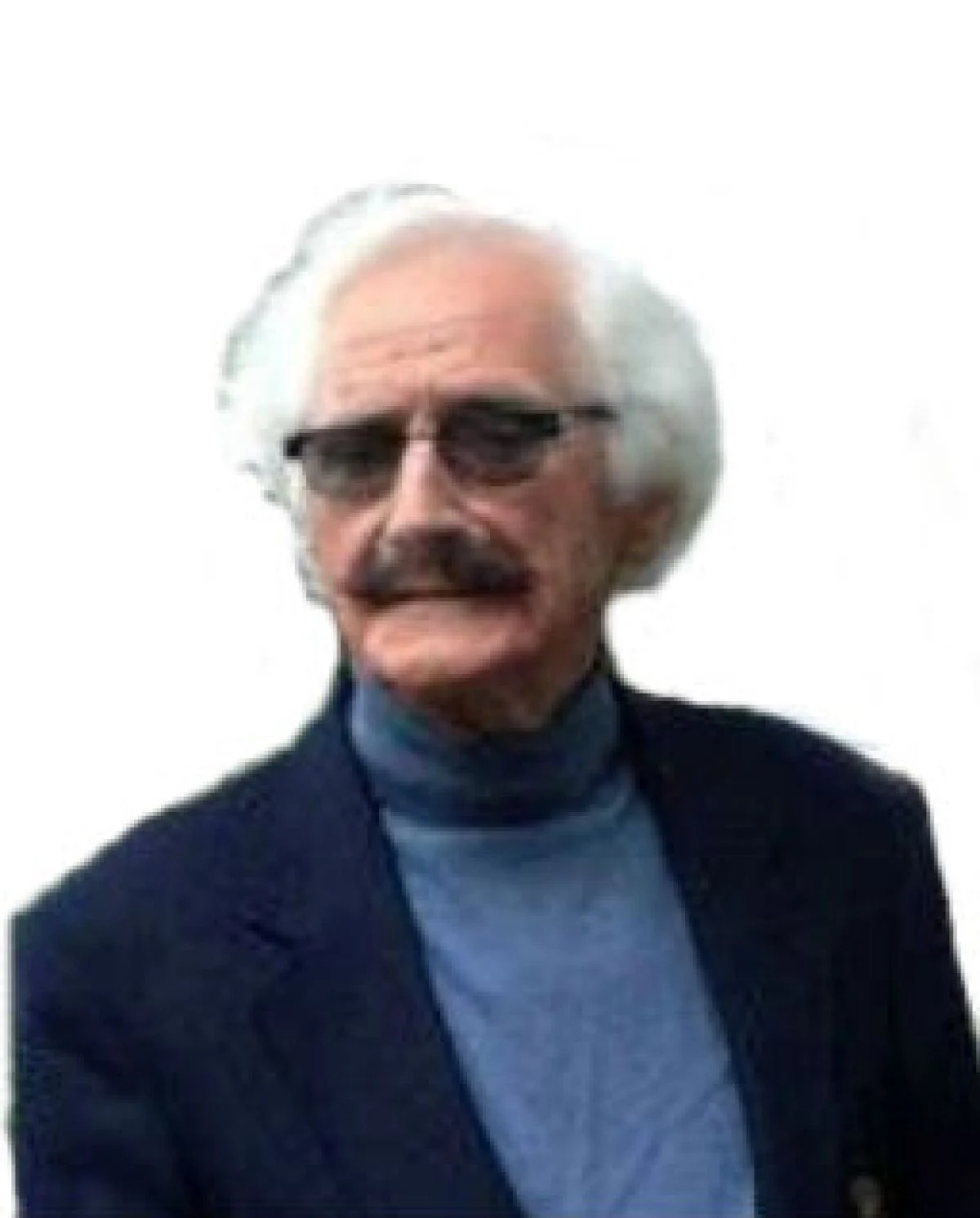
By [Author Name]
In the quiet rhythm of a morning dog walk, a profound philosophical inquiry can unexpectedly blossom. For many, these solitary strolls are moments of reflection, a time for thoughts to unfurl. It was during such a perambulation, with the persistent tug of his canine companion, Gabriel, that a familiar line from Shakespeare – "To be or not to be…" – resurfaced, prompting a deeper contemplation of the very essence of existence, a phenomenon that continues to preoccupy the human mind. This seemingly simple question, however, was not a sudden philosophical leap, but rather a culmination of recent observations, the most poignant of which involved a creature infinitesimally small: an ant.
The Genesis of Wonder: An Encounter with the Infinitesimal
The catalyst for this existential rumination was an encounter with a minuscule ant, a being scarcely larger than the head of a pin. The incident unfolded in the domestic sanctuary of a kitchen, amidst the mundane act of moving a jug of water across a tiled countertop. The slight displacement was enough to dislodge the tiny arthropod, which, for a brief moment, navigated its immediate surroundings with a tentative uncertainty before freezing in place. The author, in a moment of almost instinctive action, was about to extinguish its fragile existence. However, as a hand was raised, the ant, with surprising alacrity, darted beneath the rim of a nearby plate.
What followed was a silent, miniature drama of evasion. The plate was slowly lifted, and the hand descended once more. Yet, the ant, demonstrating an uncanny awareness of its predicament, eluded capture again, this time skittering to the edge of the table and vanishing into the unseen territory beneath it. This seemingly trivial interaction, the author posits, revealed a remarkable display of sensory intelligence within such a diminutive organism.
The Enigma of Primitive Perception: Sensory Intelligence in Miniature
The author’s contemplation then delves into the potential mechanisms behind the ant’s remarkable escape. Was this a sophisticated form of primitive sensory intelligence at play? Could the ant’s minute, almost indiscernible eyes and legs be processing environmental cues with astonishing speed and efficiency? The author explores the possibility that this agility stemmed from a rudimentary visual or tactile awareness of the impending threat.
Alternatively, the author muses, the ant’s actions might have been purely mechanical, an automatic response to subtle shifts in air pressure or changes in the terrain beneath its feet. In this scenario, the ant’s swift movements would be a pre-programmed safety mechanism, triggered by the hovering presence of a perceived danger, requiring no conscious sensory input or complex processing. This dichotomy – between instinctual response and a more nuanced form of awareness – underscores the profound mystery inherent even in the simplest life forms.
The Spectrum of Being: From Ant to Elephant
This contemplation of the ant’s intelligence naturally leads to a broader exploration of the diverse states of "being" that populate our planet. The author draws a stark contrast between the ant, representing one of the most elemental and visible forms of existence, and the elephant. The elephant, a creature of immense physical stature, embodies a significantly different "state of being." Its mental capacity for thought, comprehension, and appropriate action is considered to be far more complex than that of the ant. Historically, the elephant has been revered as one of the wisest creatures, its profound senses and intelligence working in a sophisticated synergy.
This juxtaposition highlights the vast spectrum of life and consciousness. If both the ant and the elephant exist in their own unique and distinct "states of being," where then does humanity fit into this grand tapestry?
Humanity’s Place in the Great Chain of Being
The author positions humanity, the "so-called human beings," at what is often perceived as the apex of what has been historically termed "The Great Chain of Being." This elevated status, the author suggests, is attributed to our highly individualized nature, our physical dexterity, and, perhaps most significantly, our profound mental imaginative capacity and creativity in perceiving and interacting with the world. We possess an awareness and responsiveness that allows us to not only react to our environment but to actively shape it.
However, this elevated position is not without its limitations. The author prudently reminds us that despite our cognitive prowess, we cannot replicate the natural abilities of other species. We cannot fly like birds or sustain ourselves for extended periods underwater without external aid, unlike marine creatures. Our natural state of being, while intellectually advanced, is demonstrably outmatched by the specialized biological adaptations of other life forms. This realization serves as a humbling reminder of our place within the interconnected web of life.
A Generational Disconnect: The Fading Sense of Wonder
The author expresses a concern that this profound appreciation for the mystery of being is, in many instances, not being fostered in the younger generations. There appears to be a growing disconnect from the fundamental wonder that underpins true scientific and artistic endeavor. This observation is powerfully illustrated by a personal anecdote from the author’s own youth.
At the age of fourteen, during an introductory physics class in an English secondary school, the physics master began the lesson by quoting Albert Einstein: "The most beautiful thing we can experience is the mysterious. It is the fundamental emotion that stands at the cradle of true art and true science. He who does not know it and can no longer wonder, no longer feel amazement, is as good as dead, a snuffed out candle." This profound statement, delivered over fifty years prior, resonates with an urgent contemporary relevance.
The Expanding Frontiers of Being: From Atoms to the Cosmos
The author’s reflections are further amplified by the rapid advancements in scientific understanding. We are now probing the very fabric of existence at levels far beyond the discernible physical cells we once understood. The breakdown of matter into atomic and sub-atomic particles, a realm of immense complexity and profound implications, is continuously adding layers of significance to our concept of "being." This scientific exploration, far from demystifying existence, often deepens the sense of awe and wonder.
The Ultimate Question: The Genesis of All
This exploration of "being" inevitably leads to humanity’s most enduring and fundamental question: how did it all begin? The cosmos, the planets, all forms of biological life, and particularly our own existence – these are questions that have captivated thinkers for millennia. The sheer improbability and magnificence of these origins are, for the author, a source of profound wonder, a wonder so potent that it once again brought him back to the image of the ant.
The ant, in its tiny, intricate existence, becomes a symbol of the vast, intricate processes that have led to the universe as we know it. The author’s decision not to kill the ant, therefore, is not merely an act of compassion but a profound acknowledgment of the interconnectedness of all life and the awe-inspiring mystery of creation. The encounter with the ant, a creature operating on a fundamental level of being, serves as a powerful reminder of the boundless complexity and inherent wonder that surrounds our own existence, prompting us to question, to marvel, and to never cease our pursuit of understanding. The philosophical journey, ignited by a simple dog walk and a tiny ant, underscores the enduring human quest to comprehend our place within the grand, mysterious, and infinitely fascinating universe.