Meta’s "Muse" AI: A Cute Companion or a Trojan Horse for Ubiquitous Surveillance?
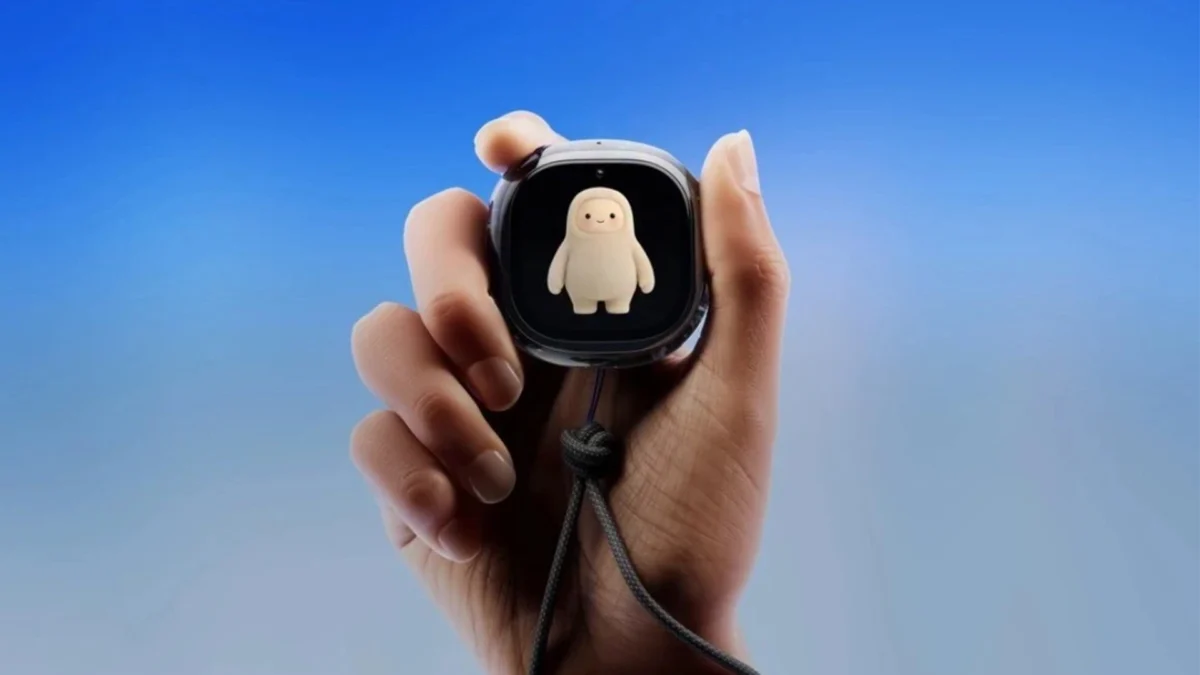
Mark Zuckerberg heralds a new era of pervasive artificial intelligence with Meta’s "Muse" agent, but critics question the company’s strategy of disarming users with adorable avatars and pocket-sized companions.
At the recent Connect event, Meta CEO Mark Zuckerberg unveiled a bold vision for the future of artificial intelligence, positioning "Muse" as the "centerpiece" of the company’s expansive ambitions. This cross-device AI agent is slated to seamlessly integrate into the fabric of daily life, transitioning effortlessly between smartphones and Meta’s burgeoning line of smart glasses. The objective is clear: to ensure that Meta’s digital presence is a constant, almost inescapable, companion throughout a user’s day.
However, this ambitious rollout has ignited a debate that echoes the anxieties explored in speculative fiction like Black Mirror. While Meta insists on the convenience and helpfulness of Muse, the prospect of an AI so deeply embedded raises significant concerns about privacy, data security, and the potential for unprecedented levels of surveillance. In an attempt to assuage these fears, Meta has introduced a novel approach: a charming digital mascot designed to soften the perceived threat of a global superintelligence. This, coupled with a physical device that houses the AI, has led to a curious dichotomy – a powerful, pervasive technology presented through the lens of endearing character design and playful gadgetry.
The Evolution of Meta’s AI: From Faceless Code to Fuzzy Friend
The journey towards Muse began with Meta’s ongoing efforts to develop advanced AI capabilities. While the specifics of its underlying architecture are proprietary, the company has consistently emphasized its commitment to creating AI that can understand and interact with the world in increasingly sophisticated ways. The initial iterations of AI assistants often felt impersonal and purely functional. However, recognizing the human element in technology adoption, Meta has now introduced a distinct visual identity for its core AI agent.
Introducing "Jolly": The Humanizing Element
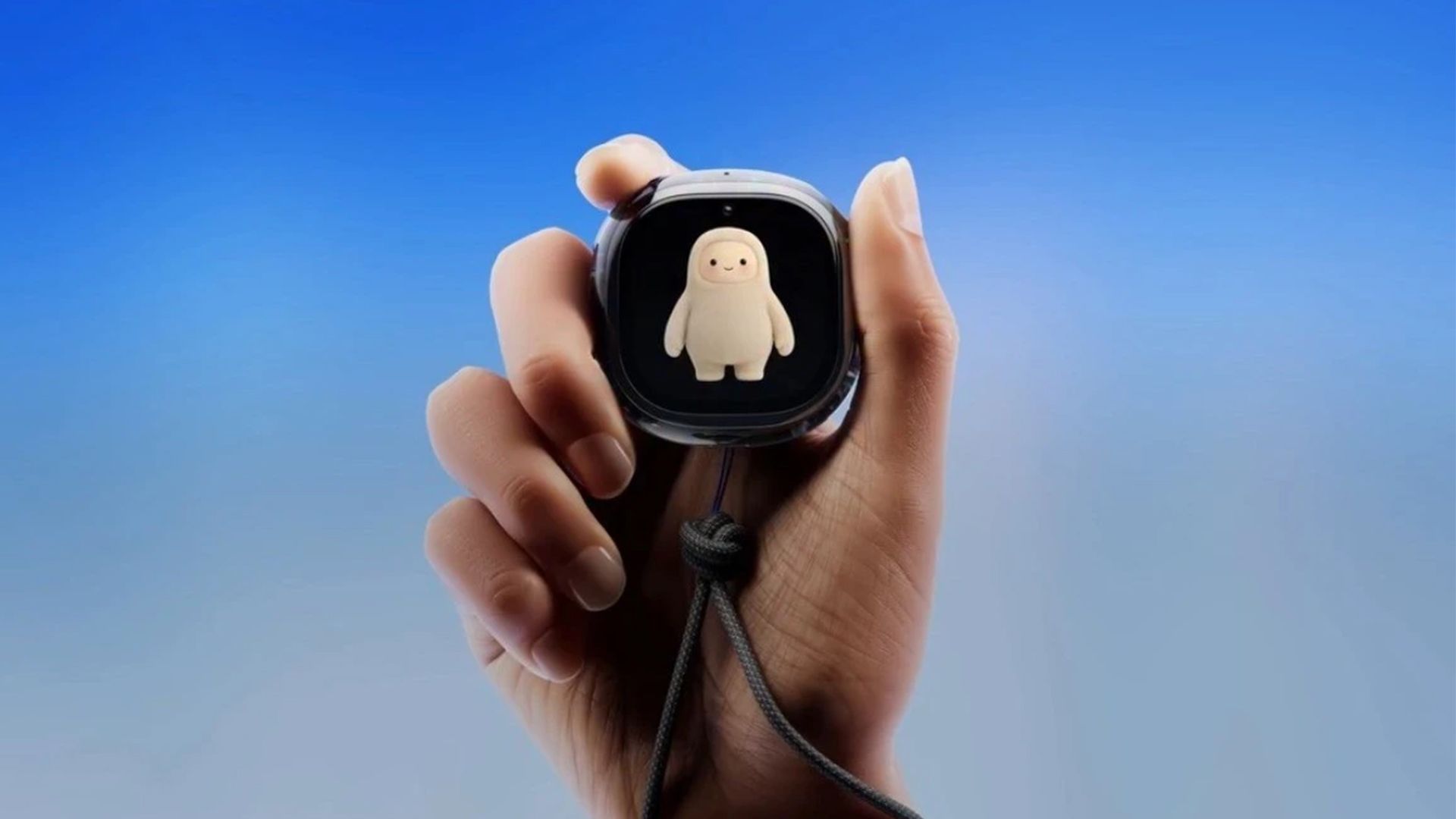
The new face of Meta Muse is an avatar named Jolly. Described as a "fuzzy guy with a soft smile and a distinctly unthreatening vibe," Jolly is designed to imbue Meta’s AI with an approachable and endearing quality. This move is a strategic attempt to disarm those who are inherently skeptical of artificial intelligence, particularly given the widespread concerns about AI’s potential to displace jobs, spread misinformation, or even pose existential risks. By giving Muse a cute and friendly persona, Meta aims to foster a sense of comfort and familiarity, making the technology feel less alien and more like a helpful companion.
This character design is not merely cosmetic. It taps into established principles of character design, where visual cues and personality traits are employed to create an emotional connection with the audience. The choice of "Jolly" suggests a deliberate effort to evoke positive emotions and a sense of lightheartedness, standing in stark contrast to the often-imposing or cold perceptions of advanced AI.
The Pocket AI Companion: A Modern Tamagotchi?
Complementing the introduction of Jolly is a new, pocket-sized device that serves as a physical housing for the Muse AI. This innovation has drawn comparisons to the popular Tamagotchi toys of the 1990s, which allowed users to care for a virtual pet. The analogy, while perhaps reductive, highlights the perceived shift from a purely digital assistant to a more tangible, interactive experience. This device essentially transforms Jolly into a portable AI pal, accessible on the go and designed to be a constant presence.
Users can interact with Jolly through traditional AI commands, asking questions and seeking assistance. However, the integration of the Muse Realtime Avatar model elevates the experience. This technology enables real-time video chats with Jolly, allowing for a more dynamic and visually engaging interaction. While Meta clearly sees this as a significant advancement in user engagement, it also raises the specter of potential parasocial relationships forming between users and their AI companions. The line between a helpful tool and an emotional crutch could become blurred, prompting questions about the psychological impact of such deeply integrated AI.
The Unsettling Dichotomy: Superintelligence Dressed in Cuteness
Despite the endearing facade, the underlying ambition of Muse remains a potent subject of concern. Zuckerberg’s prediction that "in the coming years, I expect that Muse is going to grow into the personal superintelligence that billions of people around the world are going to use" underscores the immense power and scope of this initiative. The idea of a "personal superintelligence" implies an AI that not only assists but potentially surpasses human cognitive abilities in various domains.
This is where the dissonance becomes most apparent. The juxtaposition of such a profound technological leap with the deliberate deployment of a cute, childlike avatar and a novelty gadget raises critical questions about Meta’s strategy. Is the adorable presentation a genuine effort to make AI more accessible and less intimidating, or is it a calculated maneuver to mask the more potentially unsettling implications of pervasive AI?
The notion of a "global takeover" – even in a benevolent sense – being facilitated by a character that could easily grace the cover of a children’s book is a narrative that many find difficult to reconcile. The playful novelty of the pocket AI device, while superficially appealing, can also be seen as an infantilizing approach to a technology that has the potential to reshape society in profound ways.
A Troubled History: Meta and the Erosion of Trust
Meta’s efforts to introduce Muse into the daily lives of its users are further complicated by the company’s own history, particularly concerning privacy and data handling. Meta’s smart glasses, for instance, have already been a subject of significant scrutiny regarding privacy issues. Reports have surfaced concerning the potential for these devices to record conversations and capture images without the explicit knowledge or consent of those being observed. This history of privacy concerns has fostered a climate of distrust, making the prospect of an "ever-listening pocket AI" – regardless of its charming exterior – a deeply unsettling one for many.
The very concept of a device that is constantly aware of its surroundings, collecting data to better serve its user, pushes the boundaries of personal privacy. When this is coupled with Meta’s track record, the introduction of Muse feels less like a leap forward in user-friendly technology and more like a calculated step towards normalizing a level of constant digital observation that many find unacceptable.
Supporting Data and Official Responses
Meta’s announcement of Muse at the Connect event provided a glimpse into the technology’s capabilities. The company showcased demonstrations of Muse performing tasks such as summarizing information, generating creative content, and providing real-time assistance. The emphasis was on seamless integration and user-centric functionality.
Official statements from Meta have consistently framed Muse as a tool for empowerment and enhanced productivity. Zuckerberg, in his presentations, has spoken of Muse as a way to "unlock human potential" and "make people smarter and more capable." The company has also highlighted its commitment to responsible AI development, stating that it is building safeguards and ethical guidelines into the system.
However, the specifics of these safeguards, particularly concerning data privacy and the prevention of misuse, remain largely opaque to the public. The reliance on proprietary models and the closed nature of much of Meta’s AI development mean that independent verification of these claims is challenging.
Implications for the Future: The Dawn of Ubiquitous AI
The widespread adoption of Meta’s Muse AI, if successful, would signify a fundamental shift in how humans interact with technology and with each other.
- Enhanced Convenience vs. Privacy Erosion: On one hand, Muse promises unparalleled convenience, with an AI agent capable of anticipating needs and performing complex tasks across multiple devices. On the other hand, this convenience comes at the potential cost of personal privacy, with an AI system constantly collecting and processing vast amounts of data.
- The Blurring of Lines: The introduction of avatars like Jolly and companion devices blurs the lines between tools, companions, and even potential sources of emotional support. This raises questions about the long-term psychological and social impacts of such deeply integrated AI.
- The Power of Character Design in Technology Adoption: Meta’s strategy highlights the potent influence of character design and emotional appeal in driving the adoption of potentially controversial technologies. The success of Muse may depend as much on its cuteness as on its functionality.
- The Future of Human-AI Interaction: Muse represents a significant step towards a future where AI is not just a tool we use, but an entity we interact with on a daily basis, in a deeply integrated and potentially pervasive manner. This necessitates a robust societal conversation about the ethical boundaries and regulatory frameworks required to navigate this new landscape.
As Meta continues to develop and deploy Muse, the coming years will be crucial in determining whether this "personal superintelligence" becomes a truly beneficial partner for humanity or a sophisticated mechanism for unprecedented data collection and influence. The debate between the adorable facade and the powerful reality of Muse is far from over.