Bambu Lab Unveils the R1 Laser Cutter: A New Era for Desktop Fabrication and Creative Expression
Bambu Lab, a company rapidly establishing itself as a disruptive force in the desktop manufacturing space, has officially launched its latest innovation: the Bambu Lab R1 laser cutter and engraver. This marks a significant expansion for the company, venturing beyond its highly acclaimed 3D printers into the realm of precision laser fabrication. Early indications suggest the R1 is poised to democratize access to high-quality laser cutting and engraving, empowering creators, hobbyists, and small businesses with a powerful and accessible tool.
The announcement, made yesterday, has sent ripples of excitement through the maker community. While many had speculated about potential new 3D printer models, Bambu Lab has instead pivoted to a complementary technology, signaling a broader vision for integrated digital crafting solutions. The R1’s debut is not merely an addition to their product line; it represents a strategic move to offer a more comprehensive suite of tools for rapid prototyping, custom design, and artistic expression.
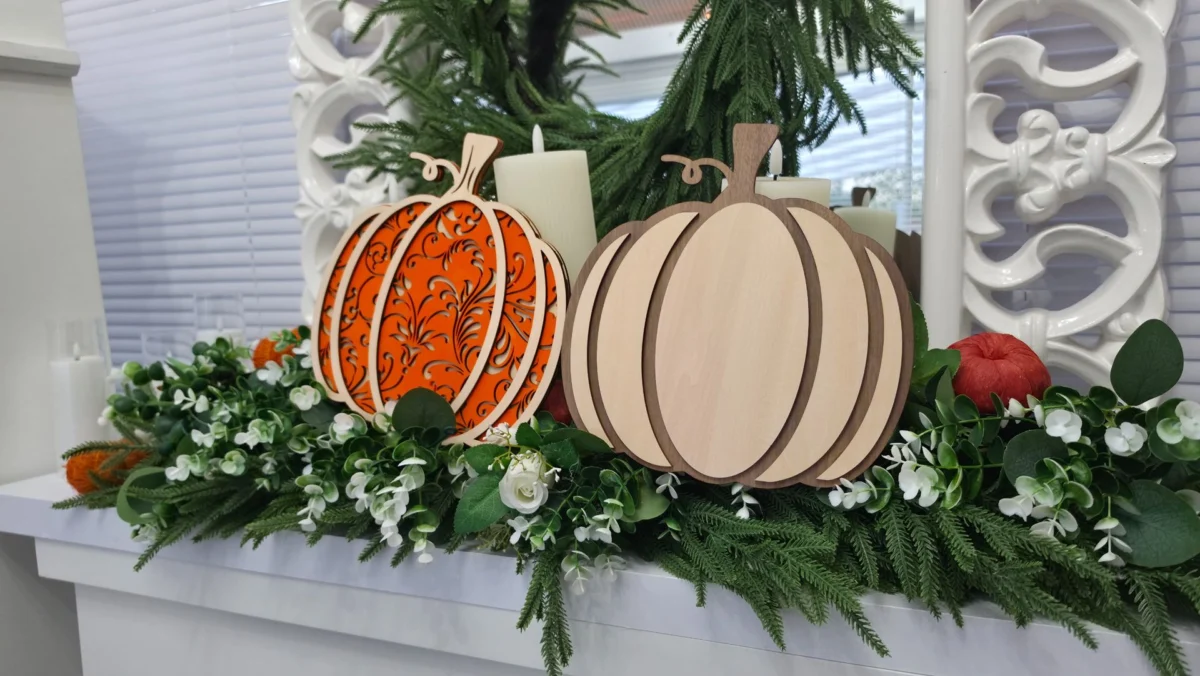
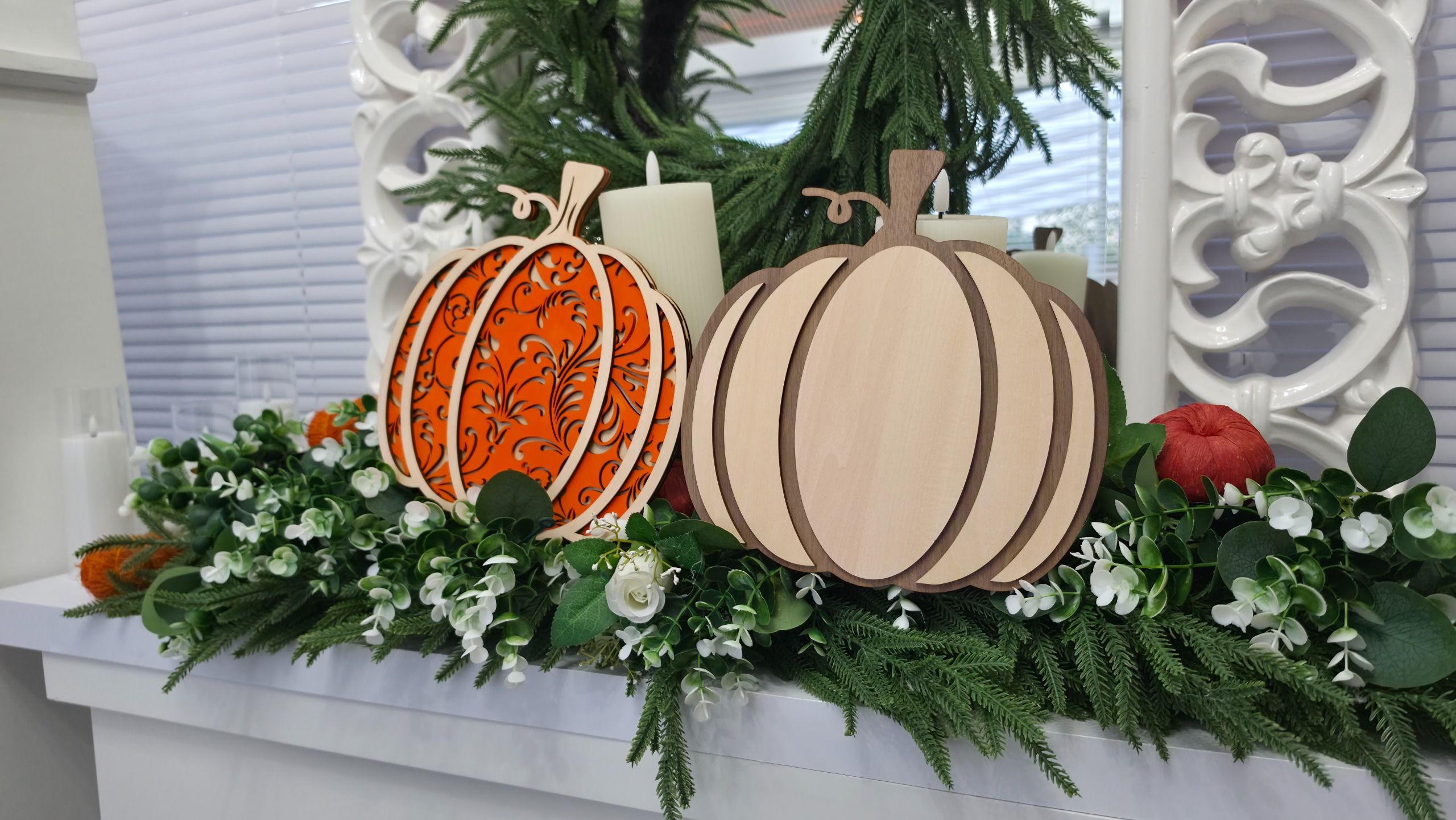
Having had the opportunity to rigorously test the Bambu Lab R1 laser cutter and engraver over the past few weeks, I can attest to its impressive capabilities. One of the initial projects undertaken with the machine was the creation of an intricate wooden pumpkin display piece, a testament to the R1’s potential for both functional and decorative applications. This project, detailed further in this report, serves as a compelling example of the creative possibilities unlocked by this new device.
The Bambu Lab R1: A Closer Look at the Innovation
The Bambu Lab R1 is engineered to bridge the gap between professional-grade laser equipment and the needs of the average consumer or small business. Its design prioritizes user-friendliness without compromising on performance, a hallmark of Bambu Lab’s approach to its existing 3D printer range.
Key Features and Specifications (as observed and implied by early access):
- Precision Cutting and Engraving: The R1 is designed to handle a variety of materials, including wood, acrylic, leather, and even some metals, with remarkable accuracy. This versatility makes it suitable for a wide array of applications, from intricate model building to personalized merchandise.
- User-Friendly Interface: Bambu Lab is known for its intuitive software, and the R1 is expected to follow suit. The setup process and daily operation are designed to be straightforward, allowing users to quickly move from design to creation.
- Robust Build Quality: Echoing the solid construction of their 3D printers, the R1 appears to be built with durable materials, ensuring longevity and consistent performance.
- Safety Features: As with any laser-based device, safety is paramount. The R1 is expected to incorporate comprehensive safety protocols to protect users during operation.
- Integrated Ecosystem: The R1’s integration with Bambu Lab’s existing software ecosystem, including their slicer and cloud services, is a significant advantage, offering a seamless workflow for users already familiar with the brand.
Genesis of the R1: A Strategic Pivot and Market Opportunity
The decision by Bambu Lab to enter the laser cutter market is a calculated one, driven by several factors. Firstly, the growing popularity of desktop fabrication and the "maker movement" has created a substantial demand for accessible yet powerful tools. Laser cutters, once considered niche industrial equipment, are now increasingly sought after by individuals and small businesses looking to create custom products, prototypes, and artistic pieces.
Secondly, Bambu Lab has already demonstrated its ability to disrupt established markets with its 3D printers, offering high performance at competitive price points. The company’s success in building a loyal customer base and a reputation for quality and innovation provides a strong foundation for its expansion into laser technology.
The development of the R1 likely involved extensive research and development, focusing on addressing the common pain points associated with existing laser cutters, such as complex calibration, software compatibility issues, and safety concerns. By leveraging their engineering expertise and understanding of the consumer electronics market, Bambu Lab aims to offer a solution that is both powerful and approachable.
A First Look: Crafting a Spooky Season Centerpiece
The true measure of any new hardware lies in its real-world performance. My initial foray into using the Bambu Lab R1 involved creating a charming wooden pumpkin display piece, a perfect project for the approaching "Spooky Season." This project, while seemingly simple, beautifully illustrates the R1’s precision and the ease with which it can transform digital designs into tangible objects.
The process began, as with most digital fabrication projects, with the acquisition of design files. For this particular pumpkin, I sourced SVG files from Atomm, a platform that hosts a variety of user-created designs. The designer, Pixel Perfect, deserves full credit for the intricate and appealing design. This highlights another crucial aspect of the R1’s ecosystem: its compatibility with standard design file formats and its ability to integrate with online design repositories.
The materials required were straightforward and readily available:
- A laptop with laser design software: While the R1 likely comes with its own dedicated software, compatibility with standard vector design programs is essential for flexibility.
- The Bambu Lab R1 laser cutter and engraver: The central piece of the operation.
- Acrylic paint: To add color and vibrancy to the finished piece.
- Household glue: For assembling the multi-layered components of the pumpkin.
- Basswood plywood: The primary material for the project. Bambu Lab offers its own branded basswood plywood sheets, which are optimized for use with their machines, ensuring consistent cutting and engraving quality. Using these dedicated sheets, as I did, can simplify material selection and guarantee compatibility.
The creation process involved several steps:
- Design Import and Setup: The SVG files were imported into the laser cutter’s software, where parameters such as laser power, speed, and focus were adjusted for the basswood plywood.
- Cutting: The R1 precisely cut out the individual layers of the pumpkin design. The accuracy of the cuts was immediately apparent, ensuring that each piece would fit together seamlessly.
- Engraving (Optional but recommended): For added detail and texture, certain elements of the design could be engraved. This might include surface textures to mimic the natural contours of a pumpkin or intricate patterns.
- Assembly: Once cut, the wooden pieces were meticulously glued together. The precise fit ensured by the laser cutter made this assembly process remarkably easy.
- Finishing: Finally, the assembled pumpkin was painted with acrylics, bringing the design to life. The smooth surfaces created by the laser cutting allowed for a clean and professional paint finish.
The resulting wooden pumpkin is not just a decorative item; it’s a testament to the R1’s ability to produce detailed and aesthetically pleasing objects with relative ease. This project demonstrates that the Bambu Lab R1 is not just a tool for technical prototyping but also a powerful instrument for artistic expression and personalized home décor.
Supporting Data and the Growing Laser Cutting Market
The introduction of the Bambu Lab R1 is timely, aligning with a significant surge in the adoption of laser cutting and engraving technology. The global laser cutting market has experienced robust growth, driven by increasing demand from industries such as automotive, electronics, aerospace, and sign-making, as well as the burgeoning maker community.
- Market Growth Projections: Industry reports consistently project strong growth for the laser cutting market. For instance, Grand View Research estimated the global laser cutting market size to be valued at USD 3.4 billion in 2022 and is expected to expand at a compound annual growth rate (CAGR) of 8.2% from 2023 to 2030. This growth is fueled by advancements in laser technology, increased automation, and the growing need for precision manufacturing.
- Desktop Laser Cutter Adoption: While large industrial laser cutters dominate a significant portion of the market, there’s a clear and growing trend towards smaller, more affordable desktop laser cutters. These devices cater to the needs of hobbyists, educators, small businesses, and prosumers who require flexibility and the ability to create customized items without the investment in industrial machinery.
- Material Versatility: The ability of laser cutters to work with a wide range of materials is a key driver of their adoption. From natural materials like wood and leather to plastics like acrylic and even certain metals, the versatility of laser technology allows for a vast array of applications. The R1’s promise to handle these materials effectively positions it well within this diverse market.
- Personalization and Customization Trend: In an era where personalization and unique products are highly valued, laser cutters offer an unparalleled ability to create custom designs. This is particularly relevant for sectors like e-commerce, craft businesses, and promotional product suppliers.
Bambu Lab’s entry into this market, with its reputation for delivering high-quality products at accessible price points, is likely to further accelerate the adoption of desktop laser technology. By lowering the barrier to entry and providing a user-friendly experience, the R1 could onboard a new wave of creators into the world of laser fabrication.
Official Responses and Future Outlook
While official statements from Bambu Lab regarding the R1 have been concise, focusing on the product’s unveiling and its capabilities, the company’s track record provides insight into their strategic intentions. Bambu Lab has consistently demonstrated a commitment to innovation, user experience, and providing value to its customers.
The company’s success with its X1 Carbon and P1P 3D printers, which offered advanced features like CoreXY kinematics, automatic bed leveling, and multi-material printing at competitive price points, has set a high bar for their subsequent product launches. The R1 laser cutter is expected to embody these same principles.
The initial release of the R1, without extensive pre-announcement fanfare about specific features, suggests a confidence in the product’s inherent appeal and a desire to let the device speak for itself through early user experiences and reviews. The company’s emphasis on a seamless user experience, from unboxing to project completion, is likely to be a cornerstone of their marketing and support for the R1.
Looking ahead, the implications of the Bambu Lab R1 are far-reaching:
- Democratization of Laser Fabrication: The R1 has the potential to make high-quality laser cutting and engraving accessible to a much broader audience than ever before. This could lead to an explosion of creativity in home workshops, educational institutions, and small businesses.
- Enhanced Prototyping Capabilities: For designers and engineers, the R1 offers a powerful tool for rapid prototyping, allowing for quick iteration of designs and the creation of functional models.
- New Avenues for Small Businesses: Entrepreneurs and small businesses can leverage the R1 to produce customized products, personalized gifts, signage, and other items, opening up new revenue streams and enhancing their competitive edge.
- Integration with Other Digital Fabrication Tools: The R1 complements existing desktop fabrication technologies like 3D printing. Users can now envision integrated workflows where designs are first prototyped with a 3D printer and then refined or produced with the R1 laser cutter, creating a more comprehensive digital manufacturing ecosystem.
- Educational Impact: The R1’s user-friendliness makes it an ideal tool for educational settings, allowing students to engage with design and fabrication principles in a hands-on and engaging manner.
Conclusion: A New Chapter in Desktop Creation
The launch of the Bambu Lab R1 laser cutter and engraver marks a significant moment in the evolution of desktop fabrication. By bringing its signature blend of innovation, performance, and user-centric design to the laser cutting market, Bambu Lab is poised to empower a new generation of creators. The ability to transform digital designs into intricate physical objects with precision and ease opens up a world of possibilities for personal projects, business ventures, and artistic exploration. As the "Spooky Season" example demonstrates, the R1 is not just a tool; it’s a gateway to unleashing creative potential, making intricate crafting more accessible and enjoyable than ever before. The future of desktop creation just got a whole lot brighter, and sharper, with the arrival of the Bambu Lab R1.