From Cosmic Horrors to Waddling Wonders: Penguin Colony Reimagines Lovecraft Through an Unlikely Lens
Melbourne, Australia – The shadowy tendrils of H.P. Lovecraft’s cosmic horror have long permeated the gaming landscape, inspiring countless titles that delve into existential dread and sanity-shattering revelations. From the chilling depths of "Cthulhu: The Cosmic Abyss" to the pervasive influence on narrative and atmosphere in numerous other games, Lovecraft’s legacy is undeniable. Yet, in a move that defies conventional interpretation, Melbourne-based indie studio Origame Digital is preparing to launch "Penguin Colony," an audacious adaptation of Lovecraft’s "At the Mountains of Madness" that shifts the focus from intrepid explorers to the unsuspecting inhabitants of Antarctica: penguins.
This unusual premise, born from the minds at Origame Digital, the award-winning creators of the critically acclaimed "Umurangi Generation," promises a unique perspective on a classic tale of disastrous Antarctic expedition. "Penguin Colony" reimagines the horrifying discoveries and escalating madness of Lovecraft’s novella through the eyes of South Pole’s flightless birds, offering a playful yet potentially profound exploration of themes often overshadowed by human-centric narratives.
A Bold Vision: From Dystopian Photography to Antarctic Adventures
The genesis of "Penguin Colony" can be traced back to Origame Digital’s previous success, "Umurangi Generation." While "Umurangi Generation" offered a dystopian, camera-focused experience often likened to a more politically charged "Jet Set Radio," "Penguin Colony" represents a significant expansion in scope and ambition. Game director Tali Faulkner describes the game’s visual style as a "souped up PS2 game," a deliberate choice that harkens back to the distinctive lo-fi 3D aesthetic reminiscent of early console generations. This aesthetic, a hallmark of Origame Digital’s work, imbues "Penguin Colony" with a nostalgic charm while simultaneously serving the game’s thematic intentions.
The decision to pivot from an earlier, more complex detective game concept to the Antarctic setting of "Penguin Colony" was driven by both creative and pragmatic considerations. The current climate in the gaming industry, characterized by a perceived "games crash" and a reluctance to fund risky ventures, necessitated a more streamlined approach. "Partly due to the current games crash, there’s not a lot of money going around or people taking risky ideas, so how can we make a smaller game on a cheaper budget and rein in the scope?" Faulkner explained during a discussion at BitSummit. The stark simplicity of the Antarctic environment, primarily composed of ice, presented an ideal canvas for this scaled-down ambition, allowing the team to focus on core gameplay mechanics and narrative without an overwhelming burden of complex environmental asset creation.
Designing for Delight: Penguin Mobility and Environmental Interaction
A key focus for the development of "Penguin Colony" has been ensuring a satisfying and engaging player experience, particularly in terms of movement and traversal. Faulkner acknowledges that "Umurangi Generation" faced criticism for its "janky controls," and this feedback has directly informed the design philosophy for their new project. Despite the inherent limitations of a waddling penguin, the team has strived to make movement feel responsive and enjoyable.
"Penguin Colony" will feature a diverse cast of penguin species, meticulously researched and modeled based on photographic references from Wikipedia. Players will encounter familiar faces like the Adélie penguin and the imposing Emperor penguin, each with unique characteristics and abilities. The gameplay will allow players to seamlessly switch control between different penguins, leveraging their distinct traits to navigate the environment and overcome challenges. For instance, the Emperor penguin’s ability to slide at high speeds offers a dynamic alternative to its slower walking gait, while the Rockhopper penguin’s agility will be crucial for traversing steep, icy terrains.
This emphasis on non-human-centric gameplay opens up fascinating design possibilities. Faulkner elaborates, "If this was a game where you were a human character, you would essentially just be walking through the snow with a gun, and we want to sort of give something that’s just a bit different." "Penguin Colony" aims to fulfill the fantasy of embodying a penguin, with its unique locomotion – sliding, hopping, and swimming. The aquatic environments, in particular, are designed to feel otherworldly and inaccessible to human characters, further reinforcing the game’s unique perspective. This creative decision not only distinguishes "Penguin Colony" from typical human-led adventures but also allows for the exploration of environmental mechanics that would be impossible in a conventional human-centric game.
Unraveling the Mythos: Nazis, Maori, and Myth-Making
While the initial focus is on the charming antics of penguins, "Penguin Colony" is not merely a whimsical romp. The game builds towards the cosmic horrors that are the hallmark of Lovecraft’s work, albeit through a narrative that actively confronts and reinterprets some of the author’s more problematic elements. The story unfolds as players, embodying penguins, witness a larger conflict involving two human factions vying for control of an ancient, eldritch entity in Antarctica.
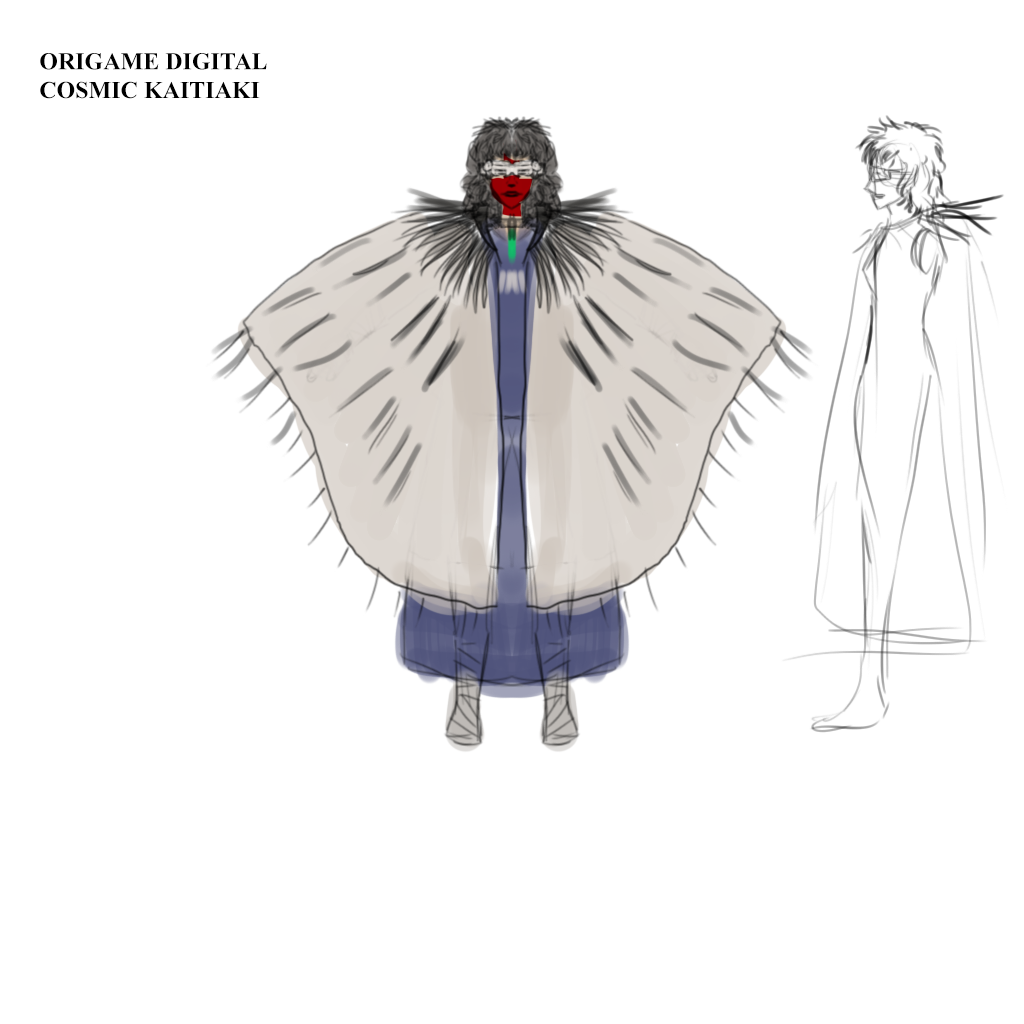
The narrative posits a fascinating twist on the typical Lovecraftian antagonists. While one faction comprises the Maori Kaitiaki, the other is revealed to be Nazis. This deliberate inclusion is not arbitrary; it is set in 1939, a period shortly after Lovecraft’s death, and serves as a direct engagement with the author’s own documented racism. By pitting penguins against Nazis in a quest for ancient power, "Penguin Colony" draws parallels to iconic adventure narratives like Indiana Jones, where Nazi factions are frequently depicted as relic hunters seeking to exploit ancient artifacts for their own nefarious purposes.
Faulkner articulates the thematic underpinnings of this choice: "The idea is this expedition believes that the thing that has been calling people to the Southern Hemisphere isn’t a Lovecraft abomination, but it’s an Aryan god. The Nazis are sort of there to myth-make around that." This approach allows the game to explore the concept of "myth-making" – how narratives are constructed, histories are rewritten, and how the Cthulhu mythos itself functions as a form of collective mythology. The game playfully suggests that these Nazi archeologists, driven by a desire to bolster their ideology, are ultimately oblivious to their place in history and the true nature of the forces they are attempting to control. This engagement with Lovecraft’s legacy, acknowledging both his influence and his flaws, is a bold and commendable aspect of "Penguin Colony’s" design.
A World of Ice and Ancient Secrets
The expansive nature of "Penguin Colony’s" levels is a direct consequence of its Antarctic setting. The seemingly monotonous expanse of ice allows for "linear open worlds," as Faulkner describes them. Each level is envisioned as a self-contained, expansive environment that players can explore at their own pace. This design choice fosters a sense of discovery and immersion, encouraging players to delve into the frozen landscapes and uncover its hidden secrets.
The inclusion of water elements further enhances the sense of wonder and alienness. Unlike a human-centric game where venturing into the frigid waters might be a death sentence, "Penguin Colony" embraces this possibility. The underwater environments are crafted to feel like an alien world, offering a different visual and gameplay experience. This strategic use of the environment, both above and below the ice, contributes to the game’s unique charm and its ability to present familiar elements in an entirely new light.
Chronology of Development and Release
While the precise timeline of "Penguin Colony’s" development has not been exhaustively detailed, its roots can be traced back to the success of "Umurangi Generation." The decision to pivot to "Penguin Colony" appears to have been a strategic response to the evolving landscape of game development funding. The team’s experience at BitSummit, where the game was previewed and Tali Faulkner was able to engage with potential players and industry professionals, marks a significant milestone in its journey towards release.
The game is slated for release on PC and Nintendo Switch 2 in 2026. A playable demo is currently available on Steam, offering an early glimpse into the game’s unique mechanics and narrative. This staggered release strategy, coupled with the availability of a demo, allows the developers to gather valuable player feedback and build anticipation for the full launch.
Supporting Data and Visual Aesthetics
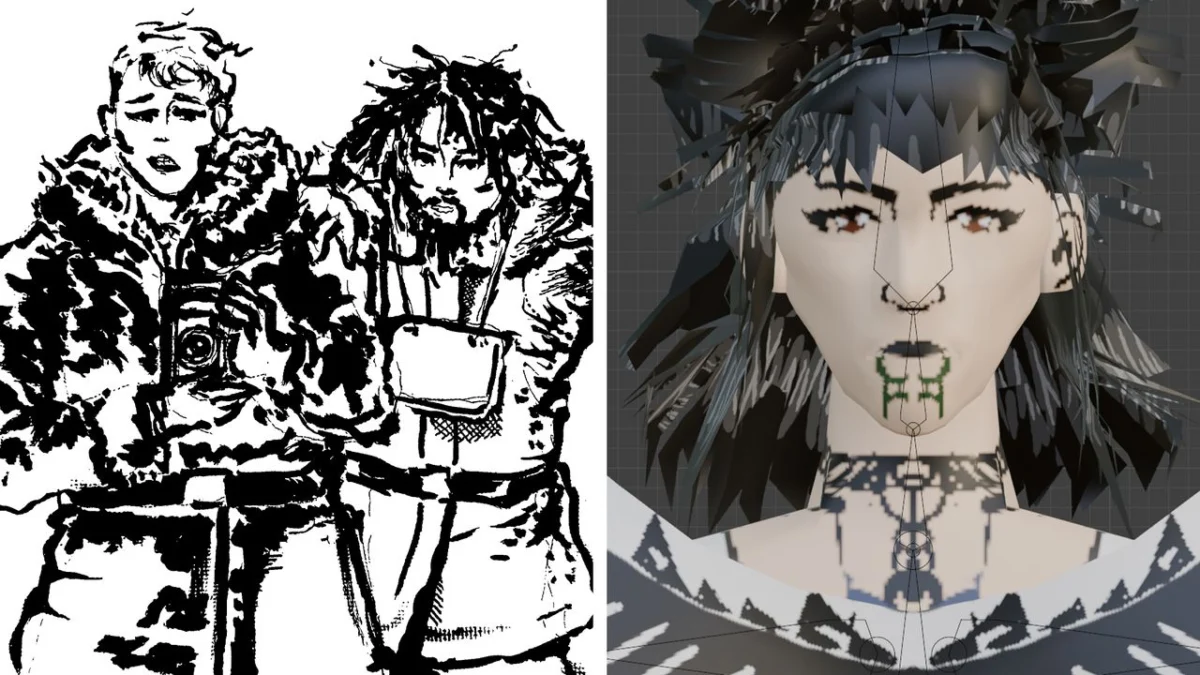
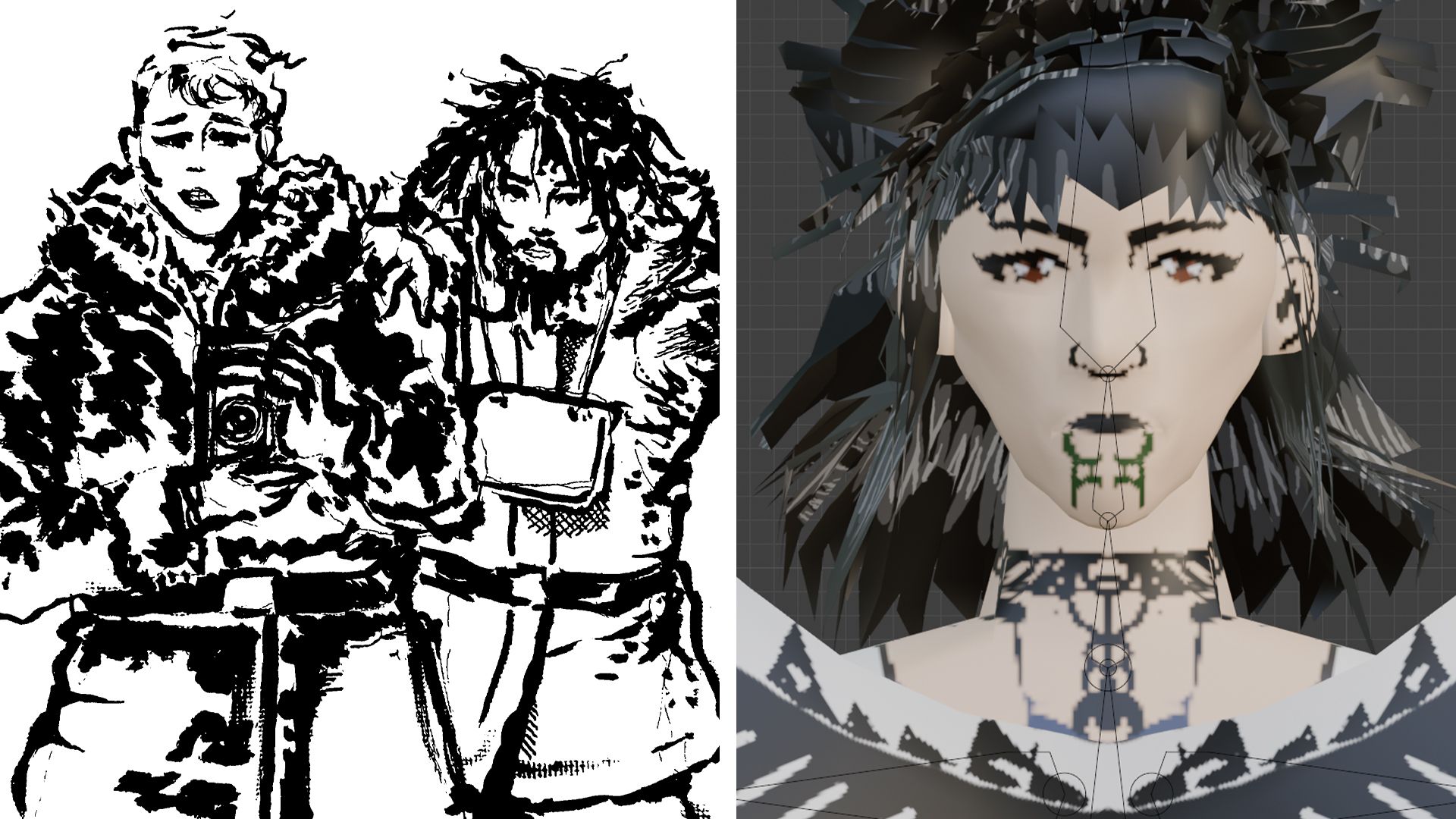
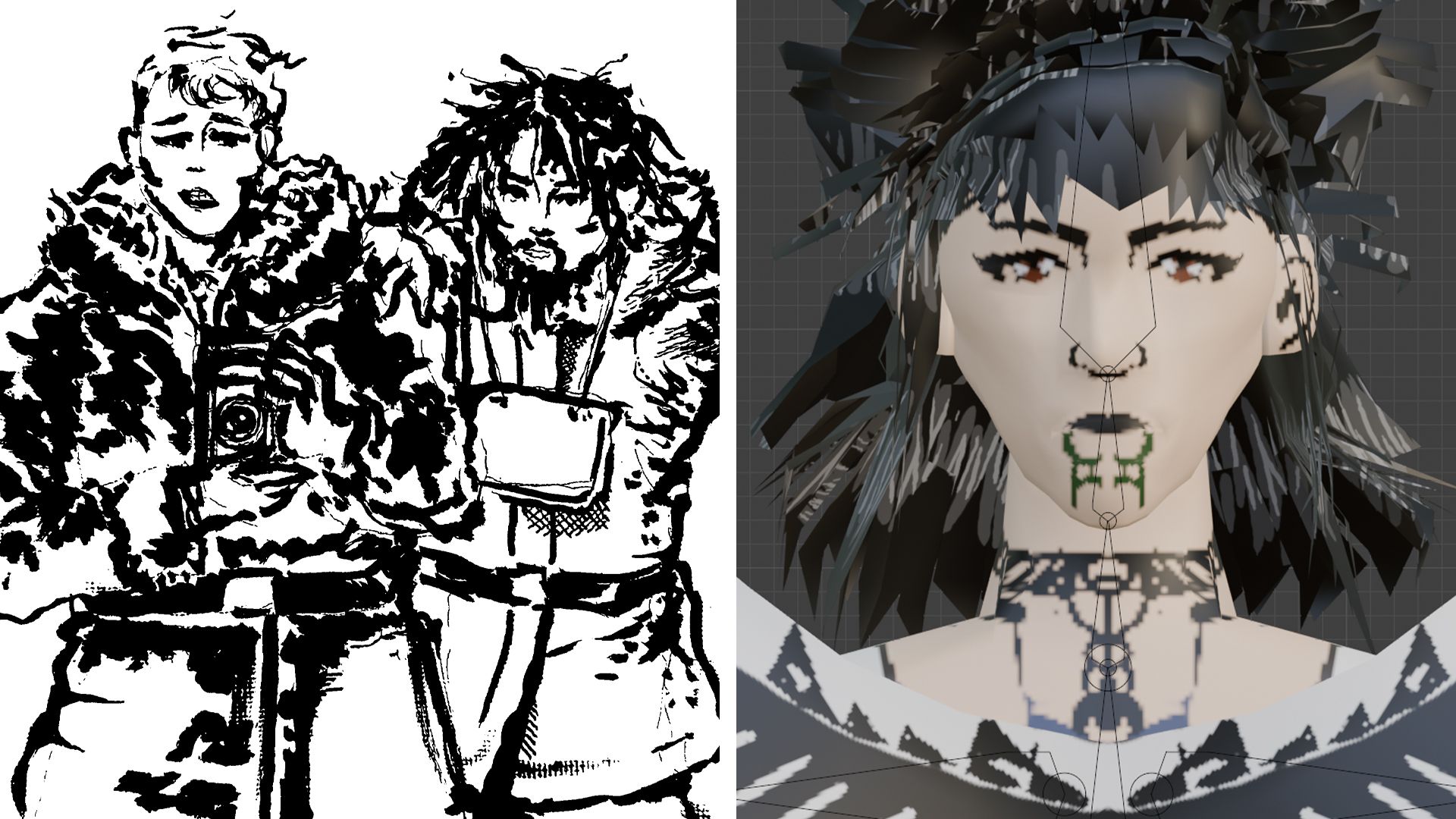
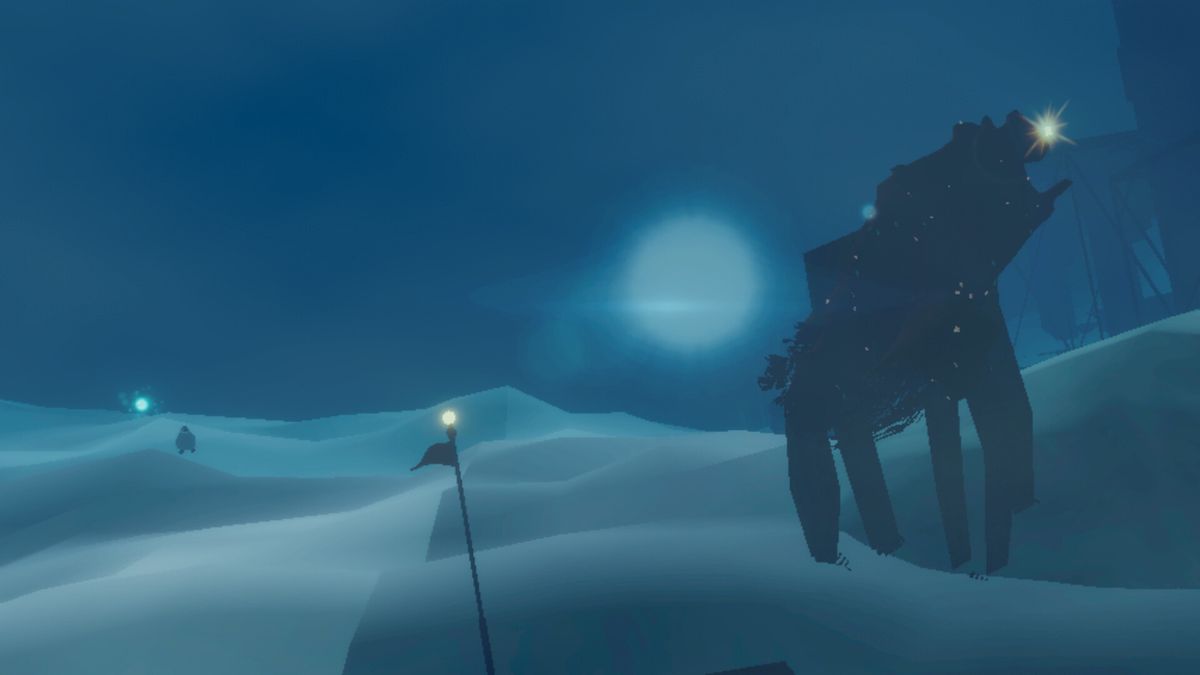
The visual style of "Penguin Colony" is a critical component of its appeal. The lo-fi 3D aesthetic, reminiscent of the PlayStation 2 era, imbues the game with a distinct character. This deliberate choice serves multiple purposes: it aligns with the studio’s established artistic identity, it allows for a more manageable scope within budget constraints, and it creates a nostalgic yet fresh visual experience. The character models, while stylized, are clearly inspired by real-world penguin species, and the environments, though predominantly icy, are designed to be visually engaging and conducive to exploration.
The integration of multiple image galleries within the article provides tangible evidence of this aesthetic. The pen-and-ink style art, coupled with the rendered in-game visuals, showcases the game’s commitment to its distinctive art direction. These images offer a preview of the penguin characters, their environments, and hints of the narrative’s darker undertones, effectively communicating the game’s unique blend of charm and cosmic dread.
Official Responses and Developer Insights
The primary source of official responses and developer insights comes directly from Tali Faulkner, the game director. His candid explanations regarding the game’s design philosophy, thematic intentions, and development challenges provide invaluable context. Faulkner’s willingness to discuss the practicalities of indie game development, the influence of player feedback, and the studio’s creative ambitions lends credibility and transparency to the project. His articulation of the game’s engagement with Lovecraft’s legacy, particularly his problematic views, demonstrates a thoughtful and critical approach to adapting a beloved but flawed literary work.
Implications and Future Prospects
"Penguin Colony" stands as a testament to the boundless creativity within the indie game development scene. By taking a beloved but potentially problematic literary work and reinterpreting it through an unconventional lens, Origame Digital is not only offering a unique gaming experience but also engaging in a nuanced conversation about adaptation, representation, and the evolution of storytelling.
The game’s potential implications are far-reaching:
- Reimagining Horror: "Penguin Colony" could pave the way for new interpretations of established horror narratives, demonstrating that cosmic horror can be explored through diverse perspectives and even with a touch of whimsy.
- Challenging Source Material: By actively confronting Lovecraft’s racism, the game sets a precedent for developers to engage critically with the problematic aspects of their source material, rather than simply replicating them.
- Expanding Player Embodiment: The focus on non-human protagonists offers a refreshing alternative to the ubiquitous human-led protagonist, opening up new avenues for gameplay mechanics and narrative exploration.
- Indie Innovation: The game’s success could further embolden indie developers to pursue ambitious and unconventional ideas, pushing the boundaries of what is possible in interactive entertainment.
As "Penguin Colony" approaches its 2026 release, it carries with it the promise of a truly original and thought-provoking gaming experience. It is a project that dares to be different, to subvert expectations, and to find cosmic dread and wonder in the most unlikely of creatures. The journey from the icy plains of Antarctica to the players’ screens is one filled with potential, and the waddling penguins of Origame Digital are poised to leave an indelible mark on the landscape of video games.