Harmony in Retirement: How ‘Mr. Records’ Reimagines the Rhythm-Management Genre
The bustling halls of Gamescom often serve as a battleground for high-budget AAA titles vying for the spotlight with photorealistic graphics and explosive set pieces. However, tucked away among the giants, a quieter, more rhythmic pulse was felt this year. Mr. Records, a vibrant indie title that blends the tactile satisfaction of record store management with the kinetic energy of a rhythm-action game, emerged as one of the event’s most charming surprises.
Centered on the life of George, a retired dreamer who transforms his passion for music into a local business, Mr. Records offers more than just a nostalgic trip through vinyl culture. It presents a sophisticated dual-loop gameplay system that challenges both the player’s reflexes and their emotional intelligence.
The Narrative Core: George’s Melodic Second Act
At the heart of Mr. Records is a narrative of reinvention. The protagonist, George, is not a typical video game hero. He is a man of advanced years, a "dreamer" who has spent a lifetime listening to the world through a musical lens. Upon his retirement, rather than settling into a quiet life of leisure, George decides to open a record shop in the space directly beneath his home.
This setting establishes an intimate, "cozy" atmosphere that has become a staple of modern indie gaming. However, George possesses a unique ability: he can "become one" with the music he listens to. This isn’t just a metaphorical description of his passion; it is the literal mechanical bridge between the game’s two primary modes. When George drops a needle on a new record, he is transported into a metaphysical world shaped by the soundscape of that specific track.
The Chronology of a Day in ‘Mr. Records’
The gameplay experience in Mr. Records is structured around a rhythmic daily cycle, alternating between the surreal internal world of the music and the grounded, social world of the retail shop.
Phase One: The Internal Symphony (The Acquisition)
Before a record can be sold, it must be "experienced." The first segment of the game involves George acquiring new stock. Once a record is in his possession, the player enters the rhythm-based portion of the game. These levels are described as an explosion of color and kinetic movement.
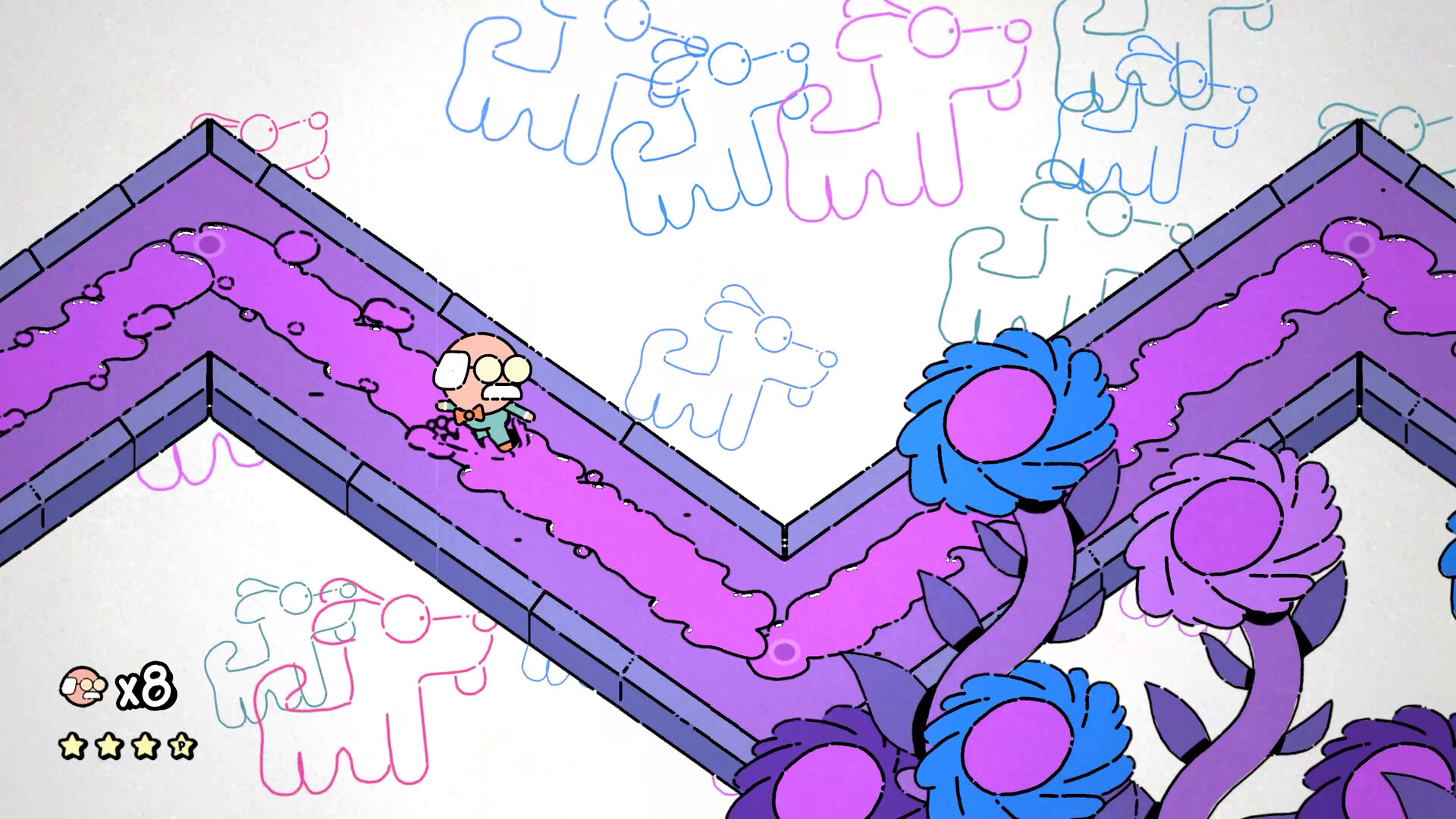
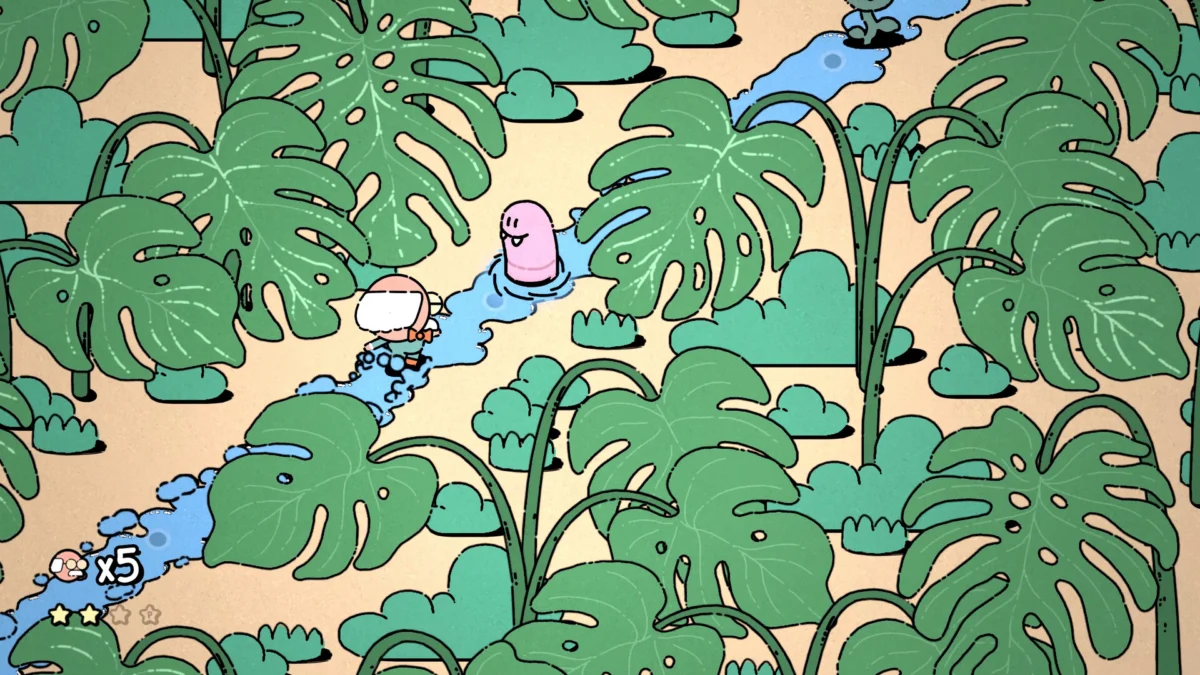
Unlike traditional rhythm games that rely solely on button prompts (like Guitar Hero or Dance Dance Revolution), Mr. Records utilizes a flow-based movement system. George slides, punches, and maneuvers through levels that are procedurally or semi-procedurally synced to the beat. The "sliding" mechanics are particularly noteworthy; they provide a sense of momentum that mirrors the "groove" of a song. These levels—ranging from neon-soaked "Purple Levels" to lush, organic "Jungle Levels"—serve as a litmus test for the record’s quality and vibe.
Phase Two: The Shopfront (The Curation)
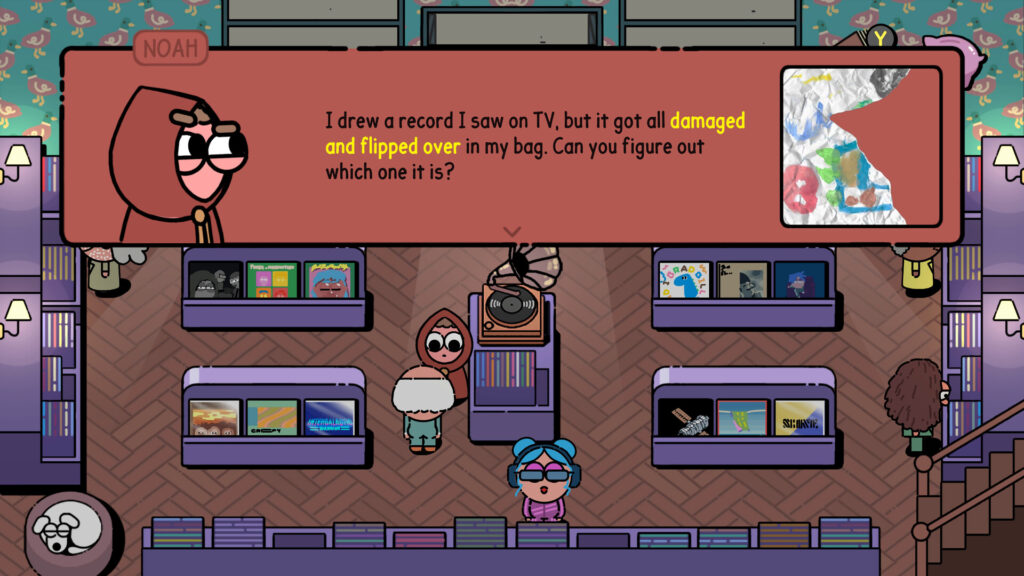
Once the "vibe" of a record is mastered, George opens his shop to the public. This phase shifts the genre from action-rhythm to a management and social simulation. Customers enter the shop with varying degrees of musical knowledge. Some may remember a specific melody but forget the artist; others may simply describe a feeling—a "vibe"—they wish to capture for their evening.
The player must navigate their inventory, using the knowledge gained during the rhythm sequences to make the perfect recommendation. Success in this phase is not just about profit; it is about building a community. The game rewards players for making meaningful connections between the customers and the music, emphasizing the role of the local record store as a cultural hub.
Phase Three: The Evening Reflection (The Narrative)
As the shop doors close, the game shifts its focus back to George’s personal life. The evenings are characterized by "strange phone calls" from old friends. These segments provide the narrative tissue that connects the daily loops. Through these conversations, players learn more about George’s past, his dreams, and the history of the music he sells. It adds a layer of melancholy and depth to the otherwise bright and upbeat gameplay, suggesting that George’s shop is as much about preserving his own memories as it is about selling vinyl.
Supporting Data: Mechanics and Aesthetic Synchronicity
The demo showcased at Gamescom highlighted the technical precision required for a rhythm-management hybrid to succeed. Developers of Mr. Records have focused heavily on "audio-visual synchronicity"—the idea that every visual cue on the screen must correlate to a specific frequency or beat in the soundtrack.
The "Flow State" Mechanics
Early playtests and demo feedback suggest that the game’s "sliding and punching" mechanics are tuned to facilitate a "flow state." In psychology, a flow state is a period of intense focus and enjoyment. By allowing George to move fluidly through the music, the game removes the "stop-start" frustration found in more punishing rhythm games. The goal is not just to hit the notes, but to feel the movement of the song.
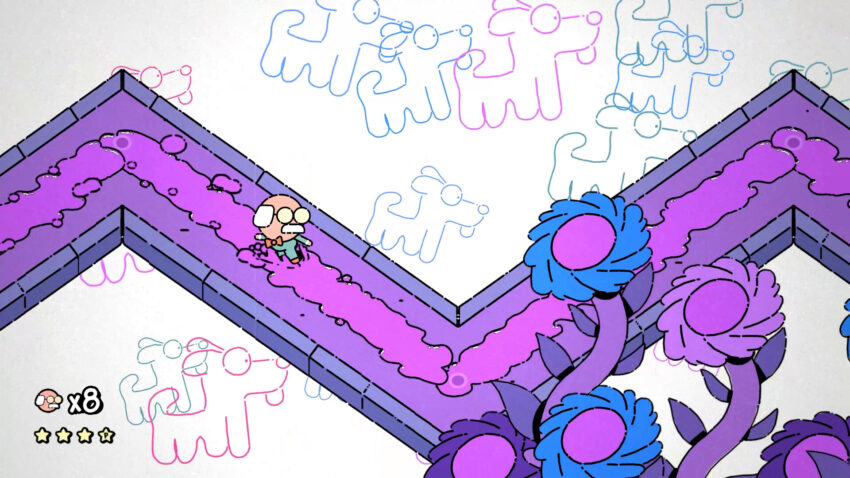
Visual Diversity
The game employs a distinct art style for each musical genre.
- The Purple Levels: These represent synth-heavy, electronic, or "vaporwave" tracks, utilizing high-contrast neon palettes and sharp, geometric obstacles.
- The Jungle Levels: These correlate with more organic, percussion-heavy, or world-music-inspired tracks, featuring lush greenery and flowing, curved pathways.
This visual shorthand allows players to immediately understand the "vibe" of a record before they even begin the management phase, creating a cohesive link between the two halves of the game.
Official Responses and Developer Philosophy
While a specific release date has not yet been announced, the team behind Mr. Records has been vocal about their design philosophy during the Gamescom showcase. According to developer insights shared during the event, the game was born from a desire to celebrate "active listening."
"In the digital age, music has become background noise," one developer noted during a press Q&A. "With Mr. Records, we wanted to create a space where the player has to engage with the music physically and then interpret it socially. George is a vessel for that transition from hearing to understanding."
The decision to cast an older protagonist was also intentional. The developers aimed to move away from the "hero’s journey" of youth and instead explore the "curator’s journey" of later life. This choice has resonated with the growing "cozy gaming" community, which often prioritizes atmosphere, empathy, and non-violent progression over traditional combat.
Implications for the Indie Gaming Landscape
The emergence of Mr. Records signals a broader trend in the indie industry: the "Genre-Blurring" movement. By combining a high-energy rhythm game with a low-stress management sim, the game appeals to two traditionally separate demographics.
1. The Evolution of the Rhythm Genre
For years, the rhythm genre was dominated by high-difficulty "score-chasers." Recently, titles like Hi-Fi Rush and Sayonara Wild Hearts have proven that there is a massive market for rhythm games that prioritize style and narrative. Mr. Records takes this a step further by adding a persistent world (the shop) that is directly impacted by the player’s performance in the rhythm sections.
2. The Rise of "Vinyl-Core" Aesthetics
There is a significant cultural resurgence in physical media, specifically vinyl records. Mr. Records taps into this "analog nostalgia." By gamifying the act of record recommendation, the game serves as a digital love letter to a medium that many feared would disappear. It reinforces the idea that music is a tangible, shareable experience rather than just a streamable file.
3. Accessibility in Gaming
By offering "short days" and a focus on "vibes" rather than just perfect frame-data, Mr. Records positions itself as an accessible entry point for non-traditional gamers. The management side allows for a slower pace, while the rhythm side offers a scalable challenge that rewards "feeling" the music over mechanical perfection.
Conclusion: A Title to Watch
As it stands, Mr. Records is a testament to the creativity currently thriving in the indie sector. It takes the simple premise of a record store and expands it into a multi-dimensional exploration of music, memory, and retirement.
While the Gamescom demo provided only a glimpse into George’s world, the "flow" of the gameplay and the vibrancy of the art design suggest a highly polished experience. For those looking for a game that balances the adrenaline of a dance floor with the warmth of a neighborhood shop, Mr. Records is a must-wishlist on Steam.
The game does not yet have a confirmed release window, but its presence at one of the world’s largest gaming conventions suggests that development is well underway. As George continues to spin his records and take his strange evening phone calls, the gaming world will be watching to see if this "old dreamer" can truly hit the right note with audiences worldwide.