The Evolution of Strategy: A Deep Dive into the Anime Overseer Phenomenon on Roblox
In the rapidly shifting landscape of the Roblox ecosystem, few genres have maintained as much staying power as the Anime Tower Defense (TD) category. The latest title to capture the attention of both casual players and hardcore tacticians is Anime Overseer. While the platform is arguably saturated with titles featuring stylized combat and gacha-based unit summoning, Anime Overseer attempts to distinguish itself through high-fidelity visual presentation and a strategic depth that rewards early-game resource management. Central to this management is the utilization of "Anime Overseer codes," a system that has become the lifeblood of the game’s progression economy.
Main Facts: The Rise of a New Contender
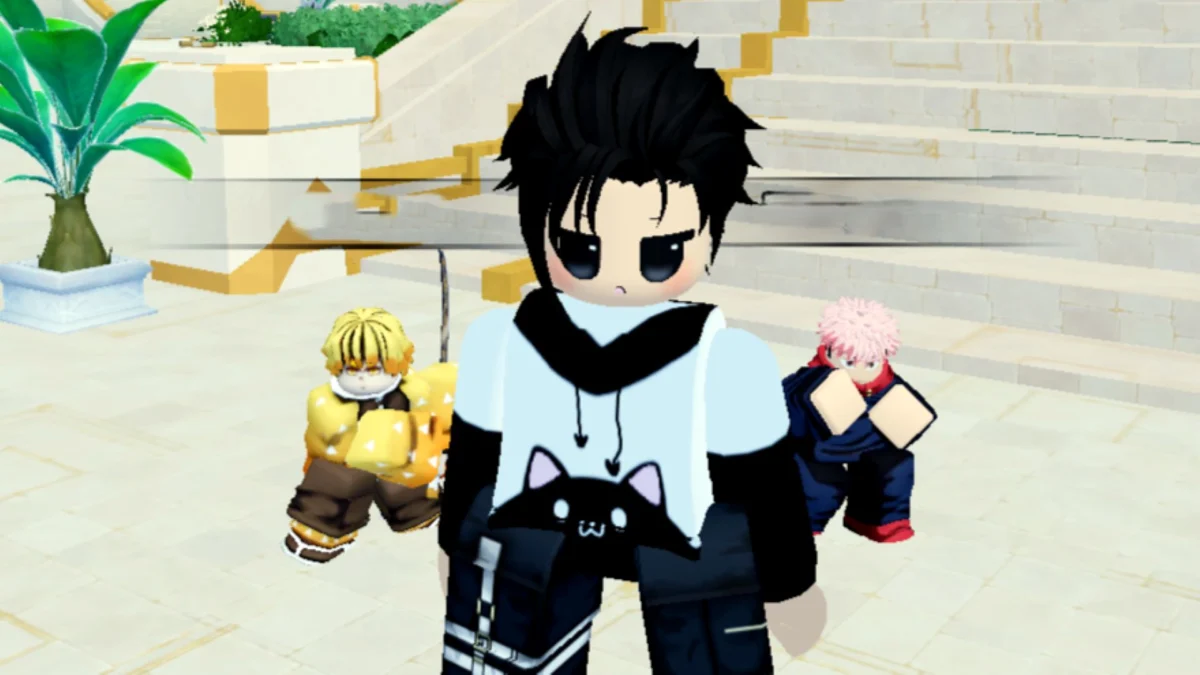
Anime Overseer enters the market at a time when Roblox developers are pushing the technical limits of the platform’s proprietary engine. Unlike the blocky, low-fidelity aesthetics of the early 2010s, Anime Overseer leverages advanced shaders and a sophisticated depth-of-field (DOF) effect to create a cinematic experience. This "graphical first impression," as noted by early adopters, serves as a gateway to a familiar yet refined gameplay loop.
The core premise of the game places the player in the role of the "Overseer," a commander responsible for deploying units inspired by iconic anime franchises—most notably Naruto—to defend a base against waves of increasingly difficult enemies. A peculiar design choice noted by the community is the lack of facial features on certain characters, a stylistic (and perhaps legal) maneuver that has become a talking point among fans. Despite these minimalist designs, the tactical requirements are anything but simple. Players must balance unit placement, upgrade costs, and elemental advantages to survive the later "waves" of the game.
The "codes" system acts as the primary promotional and retention tool. By entering specific strings of text provided by the developers, players can unlock "Gems" and other premium currencies. These resources are essential for the "summoning" aspect of the game, where players use a gacha mechanic to acquire higher-tier units. Without these codes, the "Free-to-Play" (F2P) experience can feel like a significant grind, making the hunt for active codes a central part of the community’s daily routine.
Chronology: From Launch to Market Saturation
The development and release cycle of Anime Overseer follows a pattern common to successful Roblox titles, yet it has moved with surprising velocity:
- The Alpha Phase and Visual Teasers: Prior to the public launch, the developers released screenshots showcasing the game’s lobby and shader effects. In an industry where many TD games look identical, the visual polish generated immediate "hype" on social media platforms like X (formerly Twitter) and TikTok.
- Public Release and Initial Scaling: Upon launch, the game faced the standard hurdles of Roblox development—server stability and balancing. The initial "code" drops were used as an incentive to attract players from rival titles like Anime Adventures or All Star Tower Defense.
- The Optimization Period: Recognizing that the "grand lobby" was perhaps too large for efficient navigation, developers implemented a "teleport" system. This allowed players to bypass the sprawling environmental assets and move directly to the "Match Gates," a move that stabilized player retention by reducing "downtime."
- The Current "Code" Meta: We are currently in a phase where the game relies on regular updates to keep the meta-game fresh. Every major milestone—such as reaching a certain number of "likes" on the Roblox platform or a specific number of members in the Discord—is met with a new code release, ensuring that the economy remains fluid.
Supporting Data: Mechanics, Redemption, and User Interface
To understand the success of Anime Overseer, one must analyze the data-driven mechanics that govern player behavior. The game is built on a "Teleportation and Gate" architecture. The lobby is designed as a social hub, but the actual gameplay occurs in instanced "Gates."
Navigational Data:
The developers have tracked player movement and realized that the "size of the lobby" can be a deterrent. Consequently, the UI includes a prominent ‘teleport’ button on the left side of the screen. Data suggests that the "fourth option" in this menu—the Match Gates—is the most clicked UI element in the game. This shortcut is vital for maintaining a high "rounds-per-hour" metric, which is a key indicator of a game’s health on Roblox.
The Redemption Process:
The process of redeeming codes in Anime Overseer is intentionally multi-stepped to ensure player engagement with the UI. While many games have a simple "Codes" button, Anime Overseer requires players to:
- Navigate the main menu interface.
- Locate the specific "Twitter/Socials" icon.
- Input the case-sensitive string.
- Verify the reward in their inventory.
This sequence ensures that players are familiar with the game’s various menus, increasing the likelihood that they will explore the "Shop" or "Unit Upgrade" sections while they are at it.

Unit Synergy and Strategy:
The game moves beyond simple "place and forget" mechanics. Early challenges can be cleared with a single unit, but the difficulty curve spikes sharply after the first five levels. Players must adopt an "auto-play" strategy that accounts for:
- Secondary Units: Equipping a "support" unit that provides buffs or slow-down effects is mandatory for mid-game content.
- Gacha Rates: The probability of pulling a "Legendary" or "Mythic" unit remains low, which is why "free gems" from codes are the most sought-after commodity in the game.
Official Responses: Developer Transparency and Community Management
The development team behind Anime Overseer has maintained a "Discord-first" communication strategy. This is a common tactic in the Roblox "Dev" community, where the platform’s own messaging systems are often seen as too restrictive.
In official statements via their Discord server, the developers have addressed the game’s graphical demands. "We wanted to create a TD game that felt ‘premium’," one developer noted in a recent Q&A session. This explains the heavy use of shaders, though it has led to complaints from players on lower-end mobile devices. The official response has been to provide "Low Graphics" toggles in the settings menu, balancing visual ambition with accessibility.
Furthermore, the developers have been proactive regarding "dead" or expired codes. Unlike some titles that leave expired codes in the UI, the Anime Overseer team frequently purges old strings to prevent player frustration. They have officially stated that "codes are rewards for the community’s growth," linking code releases directly to Roblox "Like" milestones. This creates a symbiotic relationship: the players promote the game to get codes, and the developers provide codes to reward the promotion.
Implications: The Future of the Roblox Tower Defense Genre
The success of Anime Overseer carries several implications for the broader Roblox market and the "Anime TD" sub-genre.
1. The "Visual Arms Race":
Anime Overseer proves that visual fidelity is no longer optional. As the Roblox engine evolves, players are beginning to demand higher production values. Future developers will likely have to invest more in shaders and environmental design to compete with the "first impression" that Anime Overseer provides.
2. The Sustainability of the "Code" Economy:
There is an ongoing debate regarding whether "codes" are a sustainable way to balance a game. While they provide a temporary boost, they can also lead to hyper-inflation within the game’s economy. If a player can get ten "pulls" for free, the perceived value of purchasing Gems with Robux (Roblox’s premium currency) may decrease. Anime Overseer is a test case in how to balance "generosity" with "monetization."
3. Intellectual Property and Stylization:
The use of "faceless" Naruto characters highlights the ongoing tension between fan-made content and corporate intellectual property. By using "anime-inspired" designs rather than direct rips, Anime Overseer attempts to navigate the murky waters of copyright. If this trend continues, we may see more Roblox games moving toward "original-inspired" assets rather than direct copies of popular anime characters.
4. Community-Driven Development:
The reliance on Discord for code distribution and feedback loops shows that the "game" is no longer just the code running on the server; it is the entire social ecosystem surrounding it. For Anime Overseer, the "Overseer" is not just the player in the game, but the community managers and the players themselves who dictate the direction of the next update.
In conclusion, Anime Overseer is more than just "another Roblox TD title." It is a sophisticated blend of high-end graphics, strategic depth, and community-driven economics. Whether it can maintain its momentum in an increasingly crowded market remains to be seen, but for now, it stands as a benchmark for what a modern Roblox strategy game can achieve. For players looking to climb the ranks, the strategy is clear: keep an eye on the Discord, redeem your codes, and never underestimate the power of a well-placed (albeit faceless) ninja.