Redefining the Virtual Sanctuary: How ‘Littlehaven’ is Shaping the Future of the Cozy Sim Genre
The landscape of modern gaming has undergone a seismic shift over the last half-decade. While high-octane shooters and grueling "Soulslike" titles continue to dominate the competitive market, a quieter, more reflective revolution has taken root. This is the era of the "cozy game"—a genre defined by low-stress environments, community-driven objectives, and a focus on creative expression. At the forefront of this movement’s next wave is Littlehaven, a village-building and decoration simulator that promises to elevate the genre’s standards through unprecedented player agency and narrative depth.
Recent previews at Gamescom have highlighted Littlehaven as a standout title for fans of the "wholesome" aesthetic. Developed with a keen eye for detail, the game departs from the traditional farming tropes popularized by Stardew Valley and Animal Crossing, opting instead to cast the player in the role of a "Village Designer." In Littlehaven, the player is not merely a resident; they are the architect of a community’s soul.
Main Facts: A New Philosophy of Spatial Design
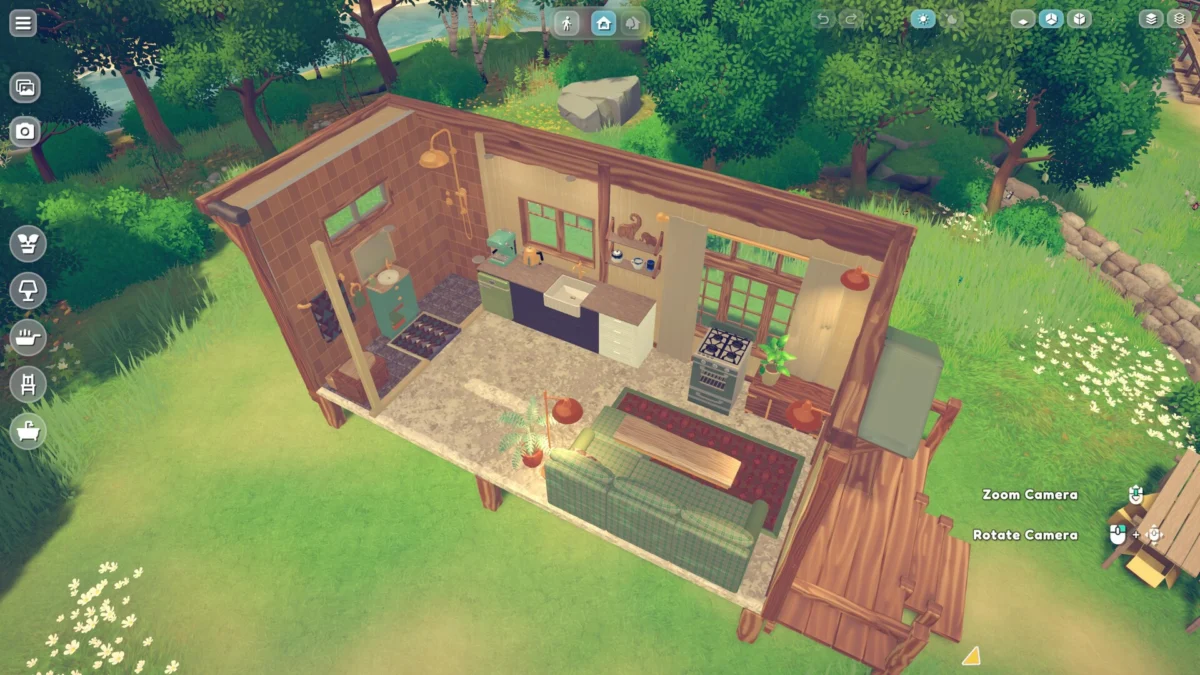
At its core, Littlehaven is a game about transformation. Players arrive in a modest, somewhat neglected town as a "handy person," tasked with revitalizing the area. However, unlike many simulators that lock players into rigid layouts, Littlehaven introduces a suite of design tools that mirror professional creative software more than traditional gaming mechanics.
The End of the Grid
One of the most significant technical achievements of Littlehaven is its departure from grid-based placement. In most life simulators, items are confined to specific tiles, often leading to "boxy" or repetitive interior and exterior designs. Littlehaven allows for free-form placement, enabling players to rotate, scale, and even recolor furniture and environmental assets at will. This level of granularity ensures that no two villages will ever look the same, fostering a sense of true ownership over the virtual space.
Community-Centric Progression
The gameplay loop of Littlehaven is intrinsically tied to the happiness and growth of its NPC (Non-Player Character) population. As players improve the town’s aesthetics and utility—adding parks, community hubs, and customized residential areas—the village begins to attract new residents. These characters are not merely window dressing; they bring with them unique backstories, specific design requests, and historical lore that flesh out the world.
Narrative Through Decoration
Unlike games where the story is told through cutscenes, Littlehaven utilizes environmental storytelling. As players peel back the layers of the town’s history, they discover the origins of the village and the lives of those who inhabited it before. The act of restoration becomes an act of archaeology, blending the satisfaction of design with the intrigue of a mystery.
Chronology: From Concept to Gamescom Showcase
The journey of Littlehaven reflects the growing prominence of indie developers in the global gaming spotlight.
- Early Development Phase: The project began as a response to the limitations felt in early 2020s decoration sims. The developers aimed to create a toolset that felt "unrestricted," allowing players to express their personal style without the frustration of "red-box" collision errors common in the genre.
- The Announcement: Upon its initial reveal, Littlehaven quickly garnered attention on social media platforms like TikTok and Instagram, where the "cozy gaming" community thrives. Its soft color palette and focus on "gentle productivity" resonated with an audience looking for an escape from high-pressure gameplay.
- The Gamescom Reveal: In August, Littlehaven was showcased at Gamescom, one of the world’s largest gaming trade fairs. It was here that the industry got its first hands-on experience with the game’s "Village Designer" mechanics. The reception was overwhelmingly positive, with critics noting the fluidity of the UI and the surprising depth of the town-customization tools.
- Steam Wishlisting: Following the success at Gamescom, the game’s Steam page saw a surge in activity. While a definitive release date remains under wraps, the developers have moved into a phase of community-driven polishing, using feedback from the Gamescom demo to refine the "vibe" and responsiveness of the building tools.
Supporting Data: The Economic and Cultural Rise of Cozy Games
To understand why Littlehaven is generating such significant buzz, one must look at the broader industry data regarding the "wholesome" gaming market.
Market Growth
According to market research, the "Cozy Games" segment has seen a 30% year-over-year increase in player engagement since 2020. Titles categorized under "Relaxing," "Simulation," and "Cute" on Steam consistently outperform many mid-tier action titles. This is driven by a diversifying player demographic; statistics show that nearly 50% of the audience for these games identifies as female, a demographic that was historically underserved by mainstream "triple-A" publishing.
The "Unpacking" Effect
The success of Unpacking (2021) proved that there is a massive market for games centered solely on the act of organization and decoration. Littlehaven builds on this foundation by expanding the scope from a single room to an entire village. By removing the "survival" elements (such as hunger meters or stamina limits), Littlehaven taps into a psychological state of "flow," where the player’s primary reward is the aesthetic satisfaction of their work.
Technical Accessibility
The rise of engines like Unity and Unreal Engine 5 has allowed small indie teams to implement complex features—like the real-time scaling and recoloring found in Littlehaven—that were previously the domain of large-scale architecture software. This democratization of technology has paved the way for "micro-innovation" within the sim genre.
Official Responses: A Vision for "Stress-Free" Creativity
While the developers of Littlehaven have maintained a degree of mystery regarding the full scope of the game, their communications at Gamescom and via official social channels have outlined a clear philosophy.
In a statement regarding the game’s design ethos, a spokesperson for the development team emphasized the importance of player autonomy:
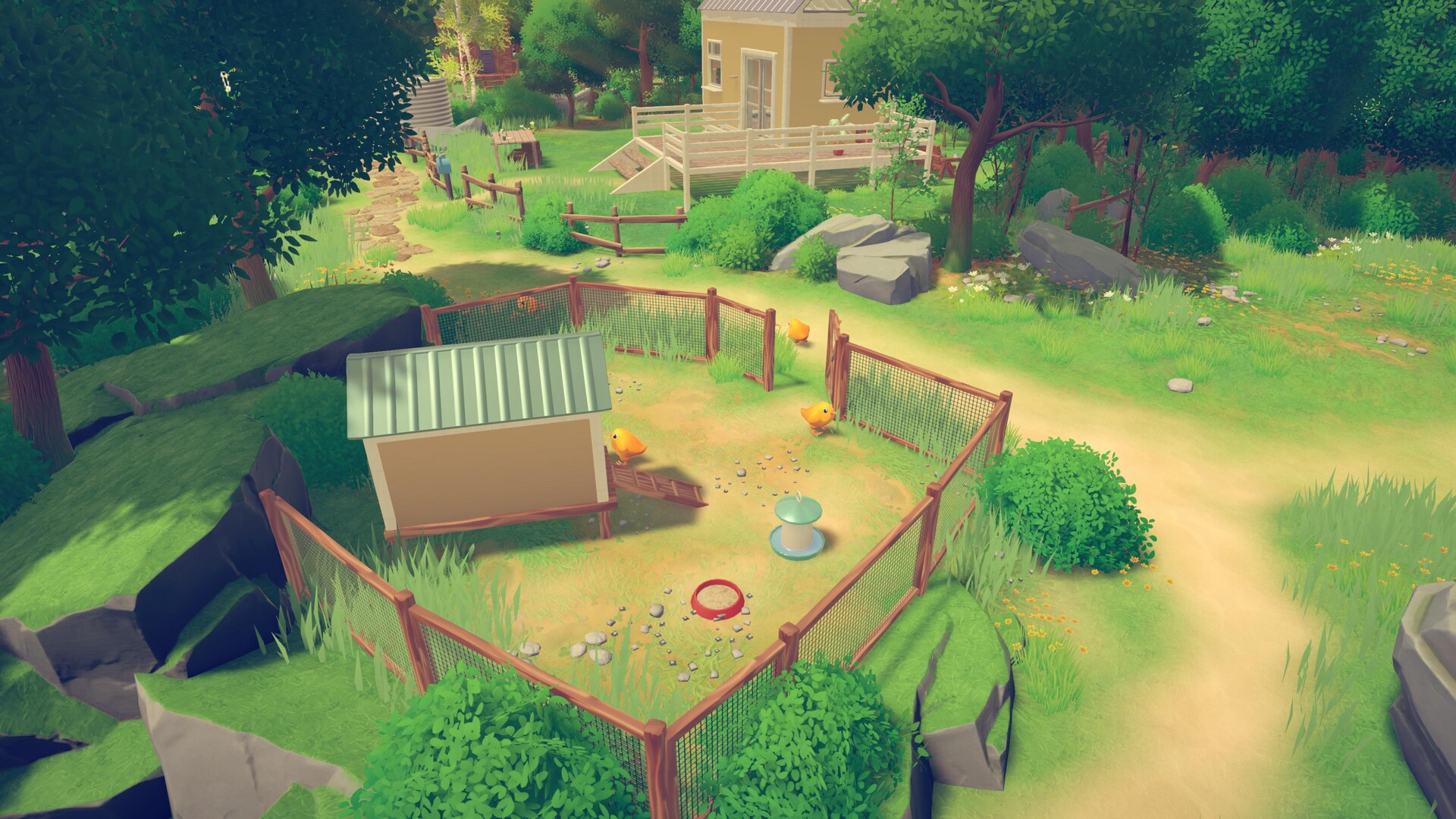
"We wanted to create a space where the player’s intuition is never punished. In many games, if you place a building in the ‘wrong’ spot, it can be a headache to move. In Littlehaven, we want the world to feel like clay. If you want to move a fountain three inches to the left and paint it blue to match the local flower shop, you should be able to do that effortlessly."
The team also addressed the role of the NPCs, stating:
"The villagers are the heart of the experience. They aren’t just there to give you quests; they are there to react to the world you build. If you build a cozy library, you will see them spending their afternoons there. It’s about seeing your designs come to life through the community’s eyes."
Regarding the absence of a release date, the studio remains committed to quality over speed:
"Cozy games require a specific kind of polish. The ‘vibe’ has to be perfect. We are taking the time to ensure that every piece of furniture, every sound effect, and every resident interaction contributes to a sense of peace and belonging."
Implications: Setting a New Standard for the Genre
The arrival of Littlehaven suggests several long-term implications for the gaming industry and the simulation genre.
1. The Professionalization of "Play"
Littlehaven blurs the line between a game and a creative suite. By offering tools that allow for rotation, scaling, and recoloring without a grid, the game is training a generation of players in basic principles of interior design and urban planning. This shift suggests that future sim games will need to offer more than just "pre-set" options to satisfy an increasingly sophisticated player base.
2. Narrative as a Reward
Traditionally, sim games have been criticized for being "aimless." Littlehaven addresses this by tying narrative discovery to the act of building. By making the town’s history a collectible resource, the game provides a compelling reason to keep expanding. This "narrative-decoration" hybrid could become a blueprint for future titles in the genre.
3. The "Gamescom Effect" for Indies
The success of Littlehaven at a major event like Gamescom underscores the shifting priorities of the gaming media. Large-scale events are no longer just for blockbuster shooters; they are vital platforms for "niche" titles that have the potential for massive viral success. The visibility granted to Littlehaven at the event has positioned it as one of the most anticipated indie releases of the coming year.
4. Mental Health and Digital Sanctuaries
As digital burnout becomes a more widely discussed issue, games like Littlehaven are increasingly viewed as tools for mental wellness. The "no-stress" environment provides a controlled space where players can exercise agency and creativity without the fear of failure. The success of such games may lead to more formal recognition of "cozy gaming" as a therapeutic sub-genre.
Conclusion
Littlehaven represents a sophisticated evolution of the village simulation genre. By combining high-level creative tools with a deep, character-driven narrative, it offers a "dream-like" experience for those who find joy in the details of community building. While fans must wait a bit longer for a firm release date, the previewed content suggests a game that is well worth the wait—a digital sanctuary where the only limit is the player’s imagination.
As the industry moves toward the next fiscal year, all eyes will be on the Steam wishlists for Littlehaven. If the game delivers on its promise of gridless freedom and meaningful community interaction, it may well become the new gold standard for the "cozy" movement, proving once and for all that sometimes, the most heroic thing a player can do is help a small town find its beauty again.