Harmonizing Retail and Rhythm: An In-Depth Look at the Gamescom Breakout Hit "Mr. Records"
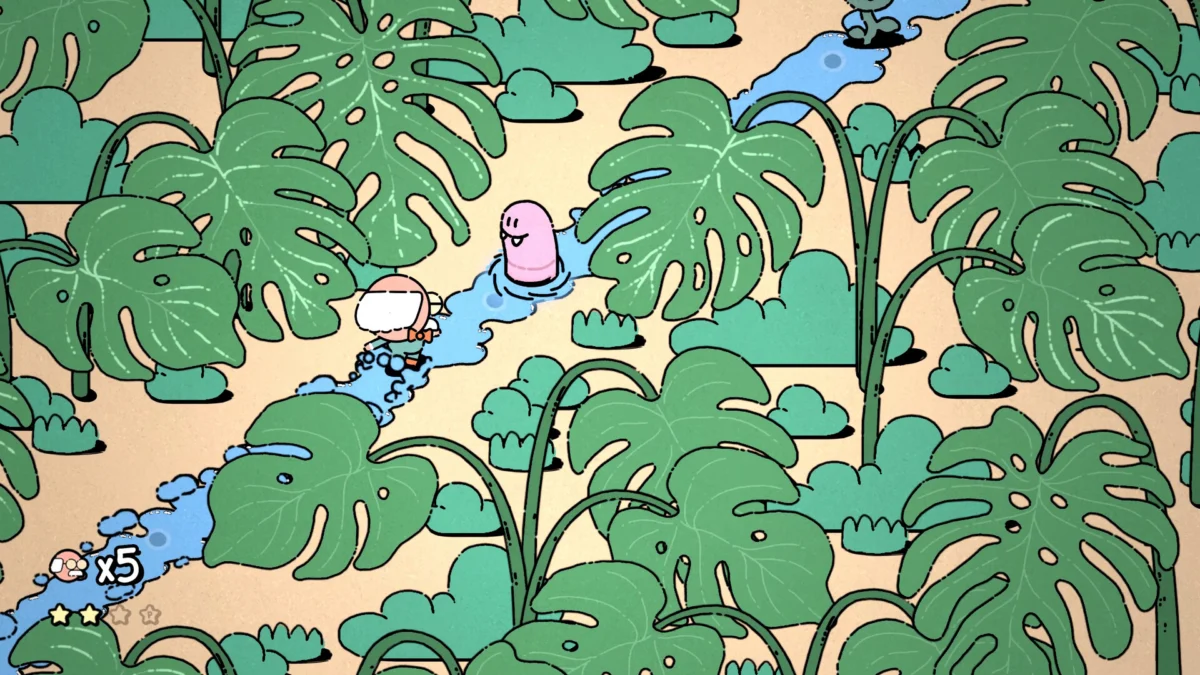
The indie gaming landscape has recently seen a surge in "cozy" management simulators and high-octane rhythm games, but rarely do these two disparate genres find a common ground that feels both organic and emotionally resonant. At this year’s Gamescom, a new title titled Mr. Records emerged as a standout example of this rare synergy. Developed as a love letter to the tactile era of vinyl and the transformative power of music, Mr. Records invites players into the life of George, a retired dreamer who discovers that his golden years are the perfect time to turn his passion for sound into a community cornerstone.
Through a blend of shop management and surreal, rhythm-based dreamscapes, the game promises a unique narrative experience. Following a successful demo showcase at Gamescom, the title has captured the attention of critics and players alike, signaling a shift toward more mature, reflective protagonists in the indie space.
Main Facts: The Core Architecture of Mr. Records
At its heart, Mr. Records is a dual-layered experience that splits the player’s time between the grounded reality of a small-business owner and the vibrant, kaleidoscopic world of musical immersion. The game follows George, a man who has spent his life working a standard career but has always harbored a "dreamer’s soul." Upon retirement, George renovates the basement of his home into a boutique record shop.
The gameplay loop is elegantly simple yet deep. Each day, George must acquire new stock—records that are not merely inventory items but gateways to another dimension. Before a record can be sold to a customer, George "enters" the music. This transition shifts the game from a management sim into a fluid, rhythm-action platformer.
Key features revealed during the Gamescom demo include:
- A Dual-Genre Approach: A seamless blend of storefront management and rhythm-based action.
- The "One with the Music" Mechanic: A narrative-driven explanation for the rhythm levels, where George’s deep connection to sound manifests as a physical journey.
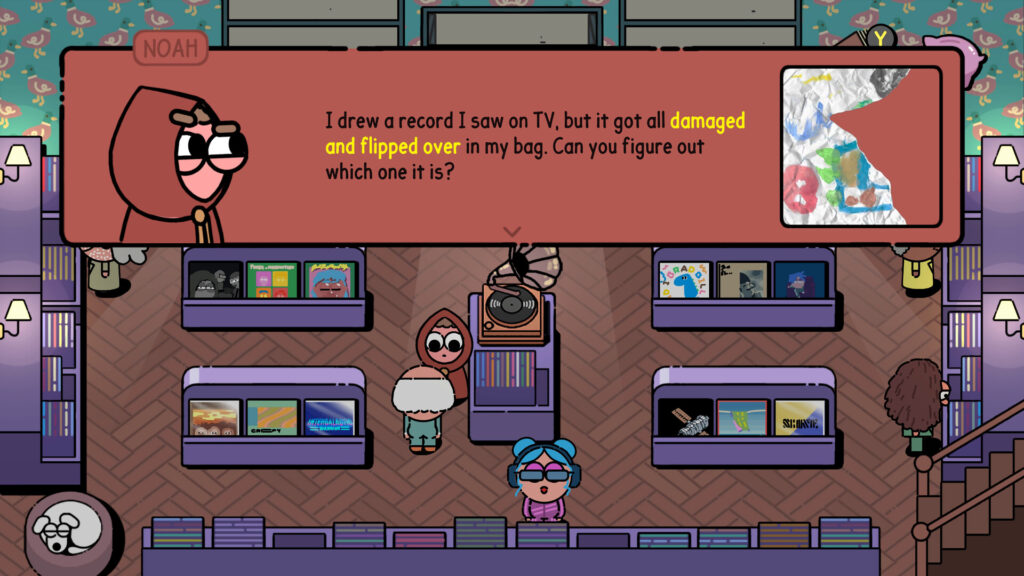
- Curated Customer Interaction: Rather than simple transactions, players must interpret customer "vibes" and vague memories to recommend the perfect album.
- Narrative Progression: The game features a cast of recurring characters and an evening "cooldown" phase involving phone calls with old friends, grounding the fantastical rhythm segments in a human story of aging and connection.
Chronology: From Concept to Gamescom Reveal
The journey of Mr. Records reflects a broader trend in the indie development cycle, where "vibe-based" gameplay is prioritized alongside mechanical precision. While the official development timeline has been kept relatively quiet by the studio, the game’s appearance at Gamescom marks its first major public outing.
The Rise of the "Retirement Sim"
In the early 2020s, the gaming industry saw a pivot toward protagonists who weren’t just young heroes on a quest. Titles like Lake and Unpacking proved there was a massive market for stories about transition and domesticity. Mr. Records entered development during this "cozy revolution," aiming to add a layer of mechanical complexity (the rhythm sections) to the often-static management genre.
The Gamescom Milestone
The reveal trailer and subsequent playable demo at Gamescom provided the first look at the game’s distinct art style. The transition from the warm, hand-drawn aesthetic of George’s shop to the neon-soaked, abstract worlds of the rhythm levels was cited by attendees as a highlight of the "Indie Arena" booth.
Currently, the game is listed for a future release on Steam, with the developers using the Gamescom momentum to drive wishlist numbers—a critical metric for indie success in the current digital marketplace. While a specific release date remains unannounced, the level of polish in the demo suggests a project that is well into its mid-to-late production stages.
Supporting Data: Mechanics, Aesthetics, and Flow
To understand why Mr. Records resonates, one must look at the data of its gameplay mechanics. The game succeeds by making the "work" of the shop feel rewarding and the "play" of the music feel essential.
The Management Layer: The Art of the Recommendation
In the shopkeeping segments, players aren’t just clicking menus. The game employs a "Vibe Matching" system. Customers might enter and say, "I’m looking for something that feels like a rainy Tuesday in 1974," or "I saw a cover with a purple bird once, do you have it?"
This requires the player to actually know their inventory. Because George (and the player) has played through the rhythm levels associated with each record, they have a visceral memory of the music’s energy. This creates a cognitive bridge between the two gameplay styles—you aren’t just selling a product; you are selling an experience you have personally lived through.
The Rhythm Layer: Synesthesia in Motion
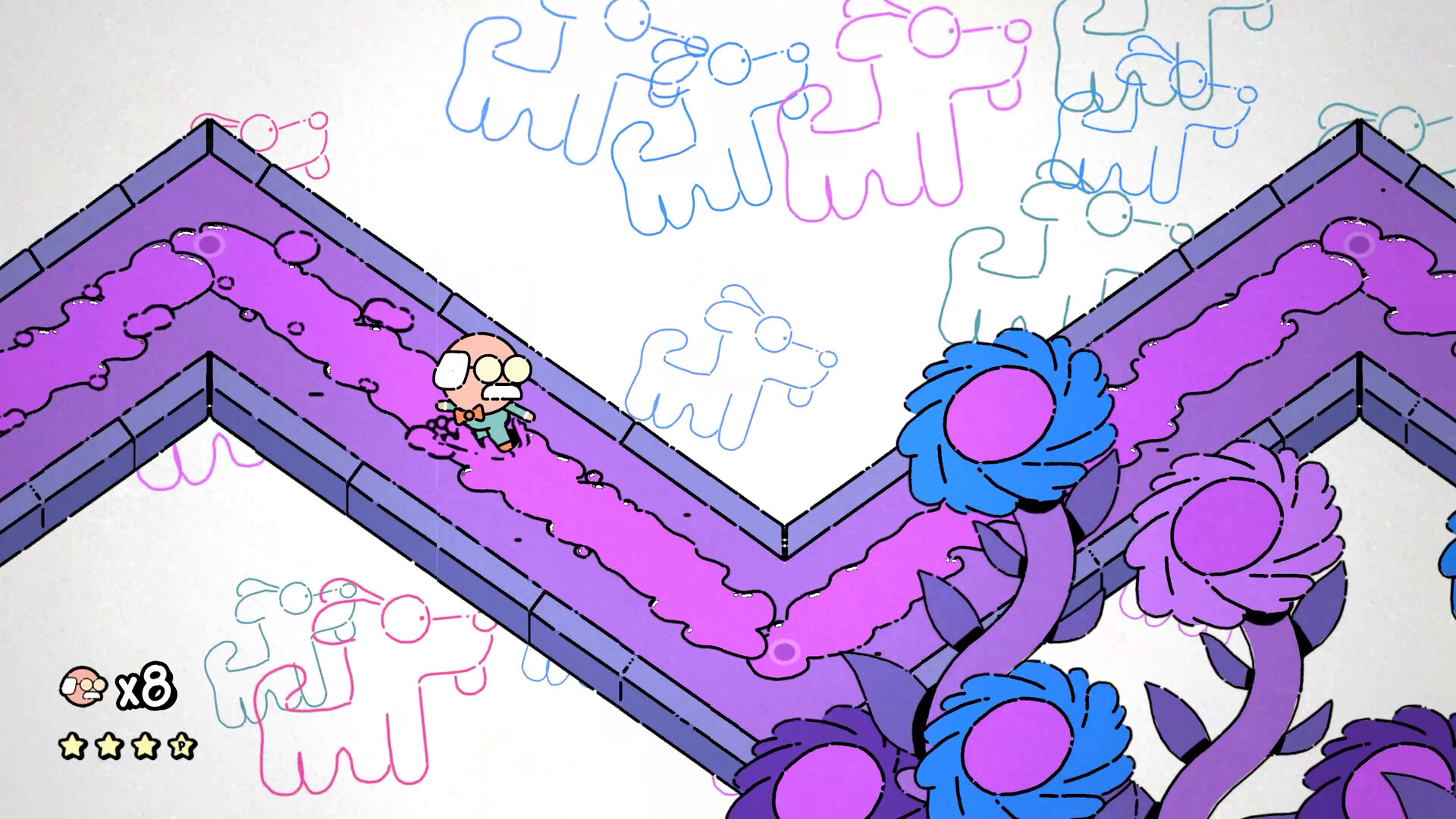
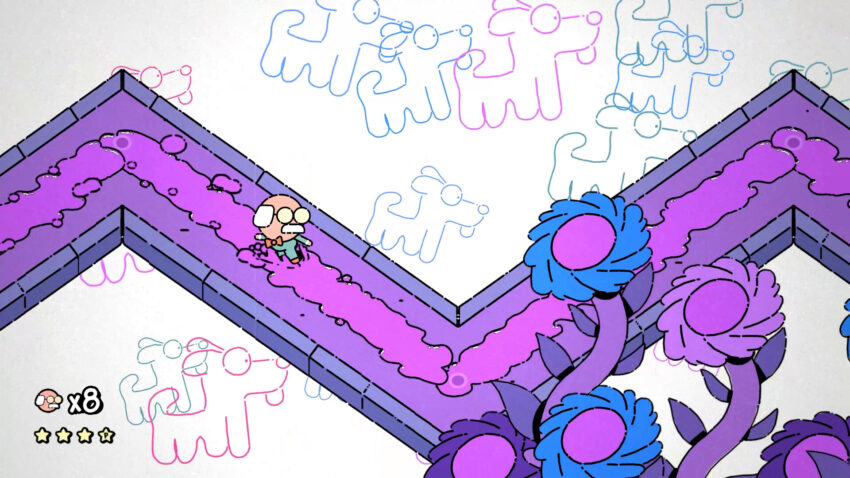
The rhythm levels are where the game’s visual budget truly shines. When George puts on a record, he is transported into a world that reflects the genre of the track.
- Movement Mechanics: George can slide, punch, and jump. These aren’t just platforming tropes; they are timed to the beat. Sliding might correspond to a sustained cello note, while punching might match a sharp snare drum hit.
- Visual Fidelity: The "Purple Level" showcased in early screenshots demonstrates a high-contrast, psychedelic art style that stands in stark contrast to the muted, nostalgic tones of George’s shop.
- Difficulty Scaling: Unlike "hardcore" rhythm games like Osu! or Guitar Hero, Mr. Records focuses on "flow." The goal is to feel the music, making it accessible to those who enjoy the story while still offering enough complexity to satisfy rhythm veterans.
Official Responses and Developer Philosophy
While formal press releases have been concise, the philosophy behind Mr. Records is evident in its design choices. The developers have emphasized that George’s age is a deliberate choice. In an industry dominated by youth, George represents the "active senior"—someone whose internal world is just as vibrant, if not more so, than it was in his twenties.
In social media updates following the Gamescom demo, the development team noted:
"We wanted to capture the feeling of what happens when you close your eyes and listen to your favorite album. You aren’t just sitting in a chair anymore; you’re moving through a landscape created by sound. For George, his shop is his way of sharing those landscapes with the world."
Feedback from the Gamescom floor has been overwhelmingly positive, particularly regarding the game’s soundtrack. The team has reportedly collaborated with various indie musicians to ensure that each record in George’s shop feels like a legitimate "lost classic," ranging from lo-fi beats to jungle-inspired synth tracks.
Implications: The Cultural Impact of Mr. Records
The emergence of Mr. Records carries several implications for the gaming industry and the broader cultural conversation surrounding music and aging.
The Digital Vinyl Revival
We are currently living through a massive resurgence in physical media. Vinyl sales have overtaken CD sales for the first time in decades. Mr. Records taps into this cultural zeitgeist, offering a digital space that celebrates the tactile nature of browsing through crates and the ritual of dropping a needle on a record. It turns "music consumption" back into "music appreciation."
Expanding the "Cozy" Genre
For a long time, "cozy games" were synonymous with farming simulators. Mr. Records suggests a path forward for the genre by incorporating higher-stakes mechanical gameplay (the rhythm sections) without sacrificing the relaxing atmosphere. It proves that a game can be challenging and "cozy" at the same time, provided the narrative framing is supportive.
Representation of Aging
George is an important figure in modern gaming. By portraying a retiree as a "dreamer" with an active, imaginative life, the game challenges the stereotype of the elderly as passive or technologically disconnected. This shift could open the door for more titles exploring different stages of life, moving beyond the coming-of-age stories that currently dominate the indie scene.
Conclusion: A Symphony in the Making
Mr. Records is more than just a mashup of genres; it is a thoughtful exploration of how music defines our memories and our connections to others. By giving players the keys to George’s shop, the developers are offering a sanctuary—a place where the stresses of the modern world are replaced by the crackle of a record and the steady beat of a heart in tune with its surroundings.
As the game moves toward its eventual release, the buzz from Gamescom serves as a testament to its potential. Whether you are a fan of management sims, a rhythm game aficionado, or simply someone who appreciates a well-told story about the enduring power of dreams, Mr. Records is a title that demands a spot on your wishlist. In the quiet basement of a retired dreamer, the loudest and most colorful adventures are waiting to be heard.
How to Follow:
Players interested in George’s journey can currently wishlist Mr. Records on Steam. While the release date remains "TBA," the developers are expected to provide more updates and potentially a public demo in the coming months as they fine-tune the harmony between the shop and the song.