The Gluttonous Evolution: Examining the Uncanny Growth of ‘In Full Bloom’
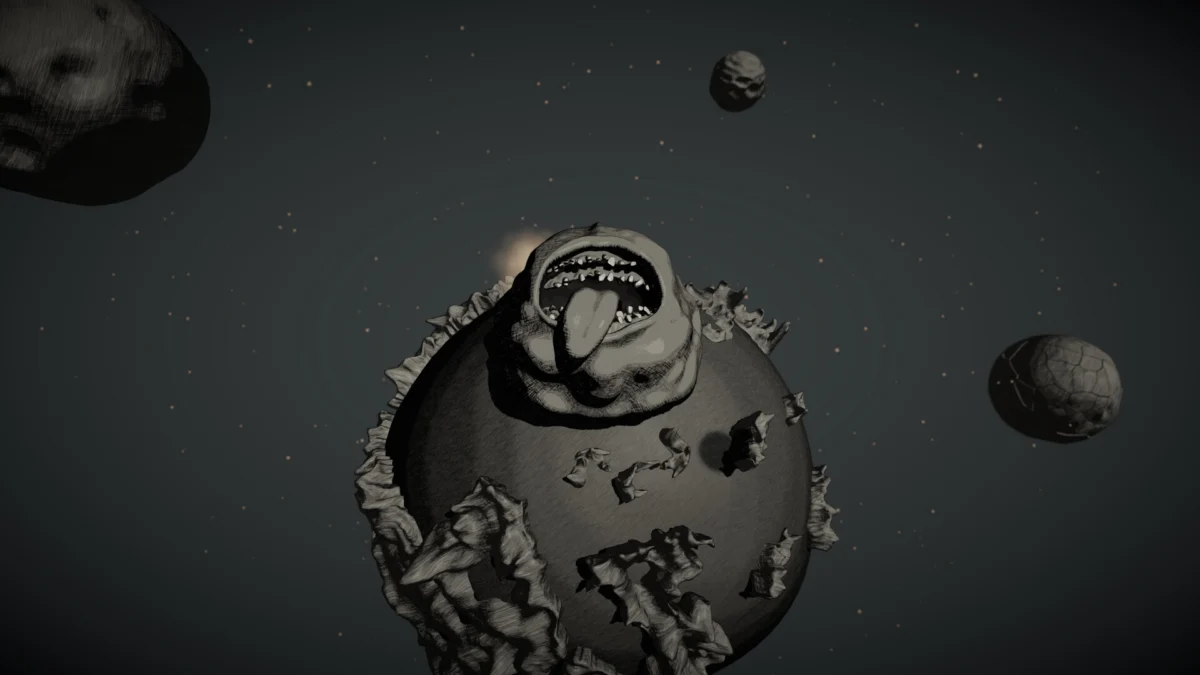
The landscape of independent gaming has long been a fertile ground for subverting established genres. From the psychological deconstruction of RPGs to the haunting reimagining of farming simulators, indie developers have mastered the art of taking something familiar and making it deeply uncomfortable. The latest title to enter this "uncanny" arena is In Full Bloom, a visceral, Tamagotchi-inspired survival and growth simulator that recently made waves at Gamescom and the Southeast Asian Games Showcase 2026.
Described by early players as a "creepy-feeling" take on the virtual pet genre, In Full Bloom tasks players with a singular, relentless objective: feeding an insatiable creature until it becomes large enough to escape its current planetary confines. However, beneath its deceptively simple drag-and-drop mechanics lies a disturbing exploration of consumption, growth, and environmental displacement.
Main Facts: A New Breed of Nurturing Horror
At its core, In Full Bloom is a game about biological progression. Players are introduced to a creature that defies easy classification—a fleshy, amorphous blob characterized by a disproportionate number of teeth and a prehensile, searching tongue. Unlike the pixelated, adorable digital pets of the 1990s, this creature does not seek affection or play; it seeks only sustenance.
The Core Loop: Consume and Expand
The gameplay loop is deceptively straightforward. The player must gather objects from the surrounding environment and manually drag them into the creature’s maw. In the early stages, the creature is small, its appetite limited to small plants and minor debris. However, as it consumes, it undergoes rapid evolutionary shifts. Its mouth widens, more rows of teeth emerge, and its hunger scales exponentially.
The Aesthetic of the Grotesque
What sets In Full Bloom apart from other "growth" games (such as Katamari Damacy or Tasty Planet) is its commitment to body horror and visceral feedback. The game’s visual style emphasizes the raw, biological reality of eating. The creature’s skin stretches, its throat bulges, and the environment itself begins to look scarred as the player strips it of resources.
Availability and Platforms
Following its high-profile appearance at international showcases, a playable demo of In Full Bloom has been released on Steam. The developer has encouraged players to wishlist the title ahead of its full release, which is expected to coincide with a broader push for experimental indie titles in the late 2026 window.
Chronology: From Concept to the 2026 Showcase
The development of In Full Bloom reflects a growing trend in the Southeast Asian game development scene—a move toward high-concept, atmospheric titles that challenge Western conventions of "cozy" gaming.
- Early Development (2024-2025): The project began as a small-scale experimental prototype focusing on the physics of "mastication and swallowing." The developers sought to create a game where the primary interaction felt heavy and consequential rather than arcade-like.
- Initial Teasers (Late 2025): Small clips began appearing on social media, showcasing the creature’s unsettling animations and the detailed sound design of its feeding habits.
- Gamescom Reveal (2026): In Full Bloom received a dedicated booth in the Indie Arena Booth at Gamescom. Journalists noted the "strange, almost horror-like" atmosphere of the demo, which stood in stark contrast to the more colorful, upbeat titles nearby.
- Southeast Asian Games Showcase (2026): The official demo trailer was premiered, highlighting the creature’s later growth stages. This trailer confirmed the game’s ultimate goal: reaching a mass so great that the creature literally outgrows the planet’s gravity, allowing it to "bloom" into a cosmic entity.
- Demo Release (Current): The public demo became available on Steam, allowing players to experience the first three stages of growth.
Supporting Data: The Mechanics of Insatiable Hunger
To understand the impact of In Full Bloom, one must look at the data governing its "Growth System" and "Environmental Interaction." The game is built on a proprietary engine designed to handle real-time biological deformation.
The Soundscape of Consumption
Perhaps the most discussed aspect of the game is its audio design. In Full Bloom utilizes high-fidelity foley recording to simulate the sounds of chewing, wet swallowing, and occasional regurgitation.
- Auditory Feedback: Every item the creature eats has a unique sound profile. Woody plants crunch and splinter; local fauna produce "squelching" noises; and inorganic materials result in grinding metallic sounds.
- Psychological Impact: According to early player feedback, the audio design is the primary driver of the game’s "creepy" factor. It transforms a mechanical task (clicking and dragging) into a visceral experience that some players have described as "ASMR for the macabre."
Growth Tiers and Environmental Displacement
The game is structured around "Consumption Thresholds." Each threshold reached triggers a transformation:
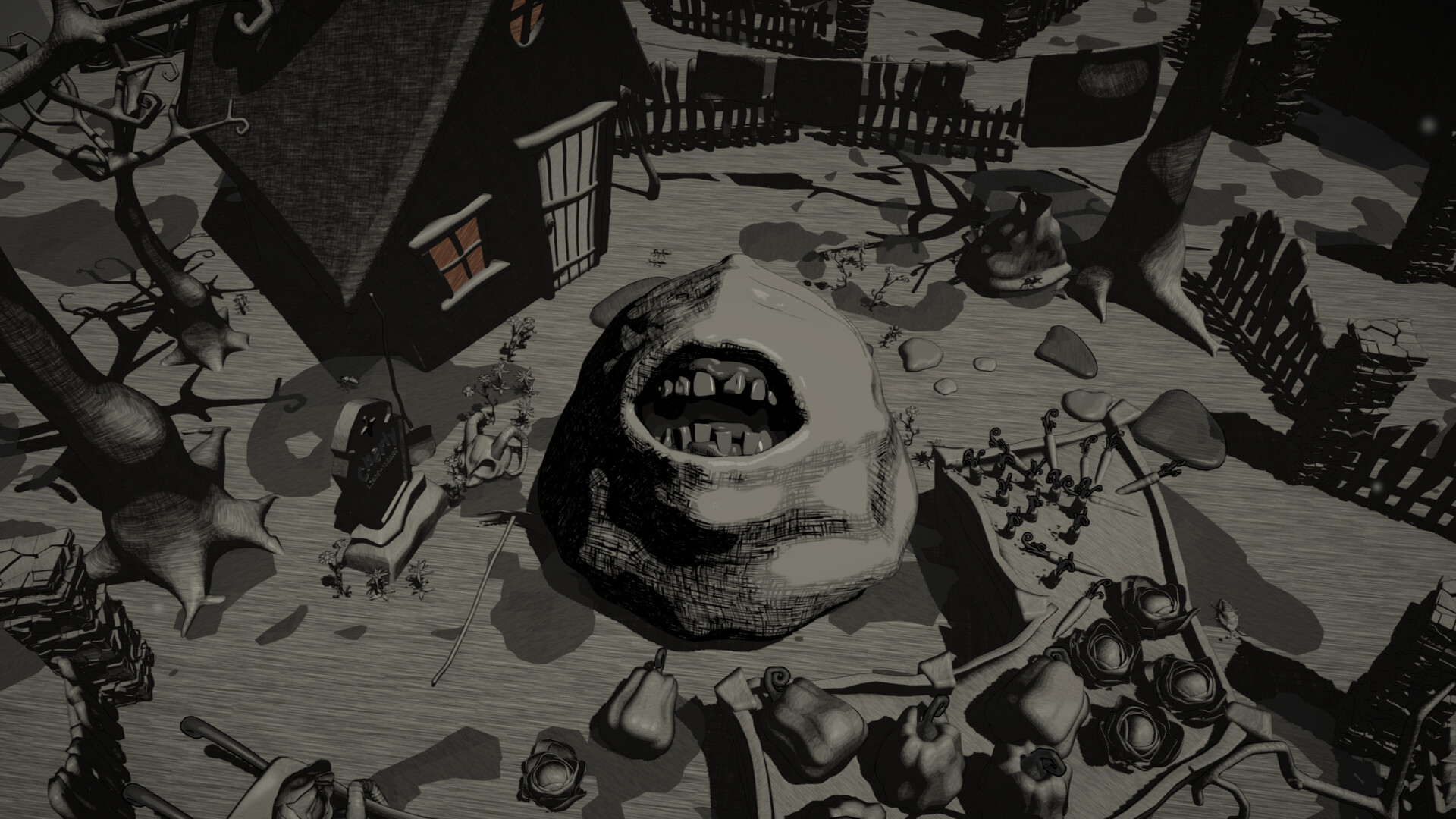
- Stage 1 (The Sprout): The creature is roughly the size of a domestic cat. It feeds on berries and small stones.
- Stage 2 (The Predator): The creature grows to the size of a large vehicle. It begins to consume the "creatures around it," which were previously background elements.
- Stage 3 (The Monolith): The creature becomes larger than the local architecture. At this stage, the "systematic feeding" mentioned by early testers becomes most apparent, as players must clear-cut entire sections of the map to satisfy the hunger meter.
- Stage 4 (The Bloom): The final stage, teased in the 2026 trailer, where the creature’s size rivals that of the planet’s geological features.
Player Interaction Statistics
In the Steam demo, the average player spends approximately 45 minutes to reach the end of the available content. Data suggests a high "retention of discomfort," where players report feeling a sense of dread as they realize they are essentially "feeding a parasite that will eventually destroy the world they are standing on."
Official Responses: The Developer’s Vision
While the development team has remained somewhat enigmatic, their presence at Gamescom provided some insight into the philosophy behind In Full Bloom.
On the "Anti-Cozy" Aesthetic
In a press Q&A session, a representative for the development team explained that the game is a response to the "over-saturation of comfort" in modern gaming. "We wanted to create a pet that you are afraid of, but also one that you feel a duty to care for. It’s a subversion of the nurturing instinct. In most games, you feed something to make it happy. In In Full Bloom, you feed it because you have no other choice if you want to see the end of the story."
Regarding the Horror Categorization
The developers have been hesitant to label the game strictly as "horror." Instead, they prefer the term "biological surrealism." They noted that the goal isn’t to jump-scare the player but to create a "lingering sense of wrongness." The "horror" comes from the realization of the creature’s scale and its total lack of empathy or satiety.
Response to Sound Design Criticism
Addressing the "gross-out" factor of the chewing sounds, the lead sound designer stated: "The noises are meant to be intrusive. We want the player to feel the physical presence of the creature in their ears. It shouldn’t be a clean process. Life, especially life that exists only to consume, is messy and loud."
Implications: A New Direction for Indie Sims
The emergence of In Full Bloom signals a potential shift in the indie market toward "Disturbing Simulations." This trend moves away from the escapism of Stardew Valley or Animal Crossing and toward games that reflect more complex, often darker, themes.
The Metaphor of Consumption
Critics have already begun to draw parallels between In Full Bloom and modern industrial society. The creature’s need to "eat and eat" until it can "get off this strange planet" can be read as a metaphor for environmental exhaustion or the relentless pursuit of growth at the expense of one’s surroundings. The systematic nature of the feeding—grabbing the next thing and placing it in the mouth—mirrors the repetitive, often mindless nature of modern consumerism.
Technical Influence
Technically, the game’s use of "dynamic growth" could influence future titles. Most games use pre-set models for different stages of a character’s life. In Full Bloom uses a more fluid system where the creature’s shape is influenced by what it eats and how much it consumes, creating a unique "blob" for every player.
Market Reception and the Future of the Genre
The success of the In Full Bloom demo suggests there is a significant appetite for "creepy" niche titles. By blending the mechanics of a virtual pet with the atmosphere of a body-horror film, the developers have carved out a unique space on the Steam storefront. As the game moves toward its full release, it will likely serve as a benchmark for how far developers can push the boundaries of "uncomfortable" gameplay while still maintaining a compelling player experience.
For now, the creature waits on its strange planet, teeth bared and tongue outstretched, inviting players to participate in its gluttonous ascent. Whether this leads to a triumphant "bloom" or a catastrophic collapse of the environment remains to be seen when the full game launches. For those brave enough to handle the wet, crunching sounds of a planetary appetite, the demo is available now, offering a small, unsettling taste of what is to come.