Culinary Combat: Redefining the Survival Action Genre with ‘Abyss Kitchen’
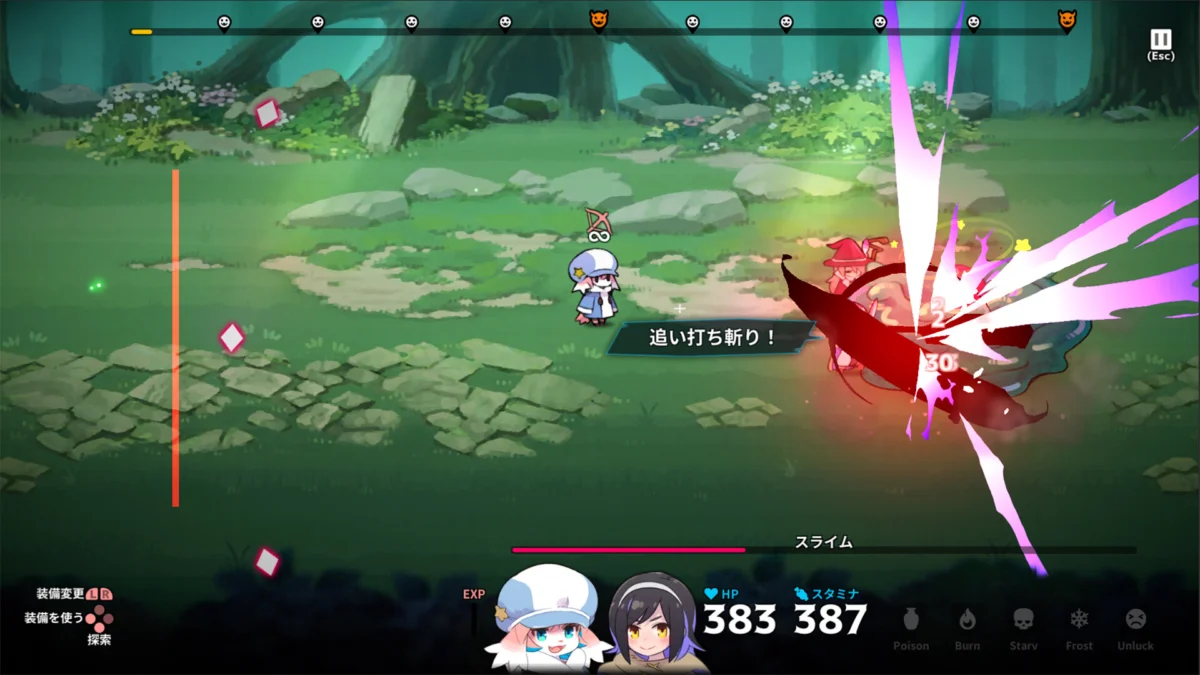
The survival action genre has long been dominated by a singular narrative: the player as the ultimate warrior, the vanguard against the darkness, and the primary source of destruction. However, a new title recently showcased at the Hyper Japan event is challenging this established hierarchy. Abyss Kitchen, now available on Steam, shifts the perspective from the blade to the ladle, offering a unique blend of high-stakes resource management and cooperative survival.
In Abyss Kitchen, the player is not the legendary hero leading the charge. Instead, they occupy the vital, often overlooked role of the party’s chef. While teammates engage in visceral combat with the denizens of the deep, the player must navigate the periphery of the battlefield, harvesting ingredients from the fallen and the environment to ensure the team’s survival. This subversion of traditional RPG roles provides a fresh lens through which to view the "Abyss" subgenre of action games.
Main Facts: A Support-Centric Survival Experience
At its core, Abyss Kitchen is a survival action game that prioritizes support mechanics over direct offensive power. Developed with a focus on team synergy, the game places players in a hostile environment where traditional combat is a secondary concern for the protagonist.
The primary gameplay loop revolves around three pillars:
- Strategic Gathering: Extracting resources from flora and the remains of defeated monsters.
- Real-Time Culinary Production: Crafting dishes that provide immediate and long-term buffs to the frontline fighters.
- Tactical Positioning: Maintaining a safe distance while remaining close enough to provide support and participate in "formation" maneuvers.
Unlike traditional cooking simulators like Overcooked, which focus on chaotic time management in a static environment, Abyss Kitchen integrates the culinary process into a dynamic, dangerous battlefield. The player is equipped with a bow—a ranged weapon intended more for self-defense and utility than for leading an assault—emphasizing the character’s vulnerability and their specialized role within the group.
Chronology: From Concept to the Hyper Japan Showcase
The journey of Abyss Kitchen mirrors the growing trend of indie developers seeking to "de-center" the protagonist in action games. While early development details remained relatively quiet, the game gained significant traction during its recent demonstration at Hyper Japan, a major cultural festival in London that celebrates Japanese technology, gaming, and traditional arts.
The Hyper Japan demo allowed players to experience the "Abyss" firsthand. It showcased the game’s transition from a simple gathering loop to a complex survival dance. Attendees noted that the game’s difficulty spikes not from the complexity of the combat, but from the pressure of maintaining a steady supply of buffs while the frontline begins to buckle under the weight of enemy waves.
Following the success of the physical demo, the game saw a strategic launch on Steam. This release marks a pivotal moment for the developers, as they move from a niche festival showcase to a global marketplace. The Steam version includes expanded recipe trees, more diverse monster biomes, and refined AI for the "automated" or "cooperative" teammates that the player must support.
Supporting Data: The Mechanics of Battlefield Gastronomy
To understand why Abyss Kitchen stands out, one must analyze the "Supporting Data"—the specific mechanics that govern the gameplay. The game functions on a sophisticated "Buff-to-Bout" ratio, where the efficiency of the chef directly correlates to the survival time of the warriors.
The Gathering Phase: Harvesting the Abyss
Resources in Abyss Kitchen are not merely found in chests. They are earned through the "processing" of the environment.
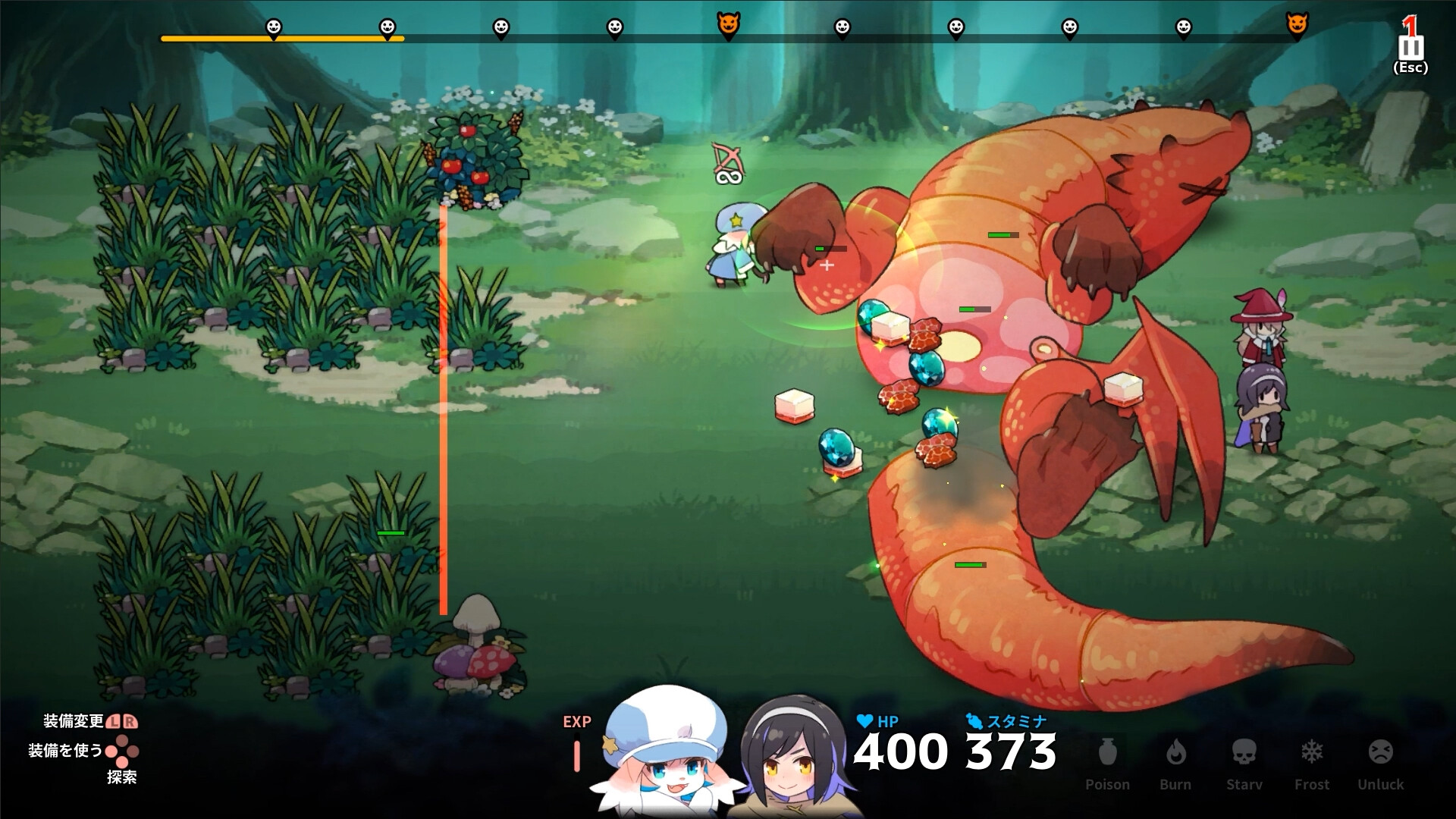
- Environmental Harvesting: Players use their tools to cut through "long blades of grass" and other foliage that often hide rare spices or base starches.
- Monster Breakdown: Once the frontline combatants defeat a creature, the chef must move in to "break down" the body. This mechanic is reminiscent of the Monster Hunter series but occurs in real-time while other enemies may still be active on the screen.
The Culinary Arts: Buffs and Recovery
The cooking mechanic is the heart of the game. Ingredients are combined to create dishes that serve various tactical purposes:
- HP Recovery: Vital for keeping the "tanks" of the party alive during sustained boss fights.
- Attack Power Augmentation: Essential for breaking through the high-defense shells of Abyssal monsters.
- Stamina and Speed: Allowing the combatants to dodge more effectively.
The player must decide in a split second whether to cook a high-effort meal that provides a massive boost or a series of "quick snacks" to prevent an immediate party wipe. This decision-making process introduces a layer of "macro-management" rarely seen in standard action titles.
Combat and Formations: The Bow as a Tool
While the player is a chef, they are not helpless. The bow serves two purposes:
- Crowd Control: Picking off smaller, "nuisance" enemies that try to flank the cooking station.
- Team Formations: At specific intervals, the game prompts a "formation" event. The chef must drop their cooking pot and join the team in a specific geometric arrangement to unleash a powerful synergistic attack. This ensures that the player feels like an integrated part of the unit rather than just a background NPC.
Official Responses and Developer Philosophy
While the developers have remained focused on iterative updates via Steam, their philosophy is clear through the game’s design: they aim to celebrate the "unsung heroes" of fantasy settings. In many interviews and community posts, the team has highlighted that the inspiration for Abyss Kitchen came from the desire to play a game where the "Support Class" was the star of the show.
"In most games, the chef is someone you visit in town between missions," a representative noted during the Hyper Japan showcase. "In Abyss Kitchen, we wanted to put the chef in the fire. We wanted to see if players could handle the heat of the kitchen when that kitchen is in the middle of a monster-infested dungeon."
Feedback from the Steam community has been largely positive, with players praising the "stressful yet rewarding" nature of the cooking mini-games. The developers have responded by promising more "Abyssal biomes," each with unique ingredients that require different harvesting techniques, further deepening the tactical layer of the game.
Implications: A Shift in the Survival Paradigm
The success and unique positioning of Abyss Kitchen have broader implications for the gaming industry, particularly in the indie sector.
1. The Rise of "Non-Combatant" Power Fantasies
Abyss Kitchen proves that there is a market for games that do not rely on the "power fantasy" of being an invincible warrior. There is a growing demographic of players who find satisfaction in logistics, support, and "keeping the machine running." This follows in the footsteps of titles like Potion Craft or Strange Horticulture, but adds the adrenaline of real-time action.
2. Redefining Cooperative Play
The game redefines what it means to "carry" a team. In traditional shooters or MOBAs, "carrying" usually means getting the most kills. In Abyss Kitchen, "carrying" means ensuring that no one ever runs out of stamina and that the team’s health bars never hit the red zone. It fosters a different kind of appreciation between players in a co-op setting.
3. Genre Blending as a Survival Strategy for Indies
In a crowded Steam marketplace, "pure" survival games often struggle to gain visibility. By blending survival with the "Abyss" action subgenre and a deep cooking simulator, the developers have created a "purple cow"—something unique that stands out through its sheer oddity and functional elegance.
Conclusion: Finding the Heart of the Abyss
Abyss Kitchen is more than just a quirky indie title; it is a sophisticated exploration of team dynamics and the importance of support roles in high-pressure environments. By taking the player out of the center of the fray and placing them behind the stove, it forces a re-evaluation of what "action" really means.
Whether you are a fan of survival games looking for a new twist or a player who has always preferred the role of the healer or the buffer, Abyss Kitchen offers a compelling, frantic, and ultimately delicious experience. As the game continues to grow on Steam, it serves as a reminder that even in the deepest, darkest abyss, someone has to make sure there’s dinner on the table.