Speculative Fiction Flourishes: A Deep Dive into the September 22, 2026 New Releases
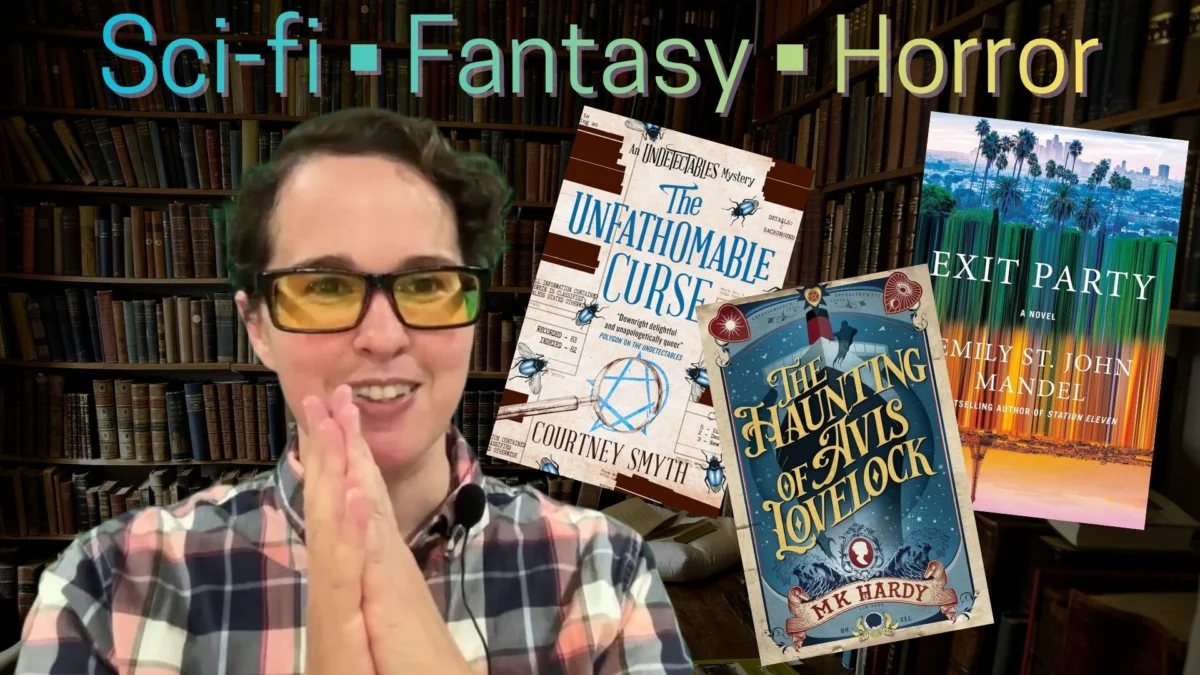
[City, State] – September 22, 2026 – The world of speculative fiction continues its vibrant expansion, a trend robustly highlighted by the latest weekly roundup of new book releases. As of September 22, 2026, readers are invited to explore a fresh wave of titles spanning Science Fiction, Fantasy, Horror, and Young Adult fiction, promising to captivate imaginations and challenge perspectives. This week’s curated selection, presented by leading literary publication Locus, underscores the dynamic health and creative diversity thriving within these genres, offering everything from sprawling futuristic sagas to intricate magical realms, chilling supernatural encounters, and compelling coming-of-age narratives.
The consistent influx of high-quality content reflects a flourishing publishing landscape, where authors push boundaries and readers eagerly embrace new worlds. This weekly ritual of discovery, facilitated by dedicated platforms, has become indispensable for both casual readers and ardent fans seeking their next literary obsession. The emphasis on diverse voices and innovative storytelling remains paramount, ensuring that the speculative fiction tapestry continues to grow richer and more inclusive with each passing week.
Main Facts: A Glimpse into the Week’s Literary Harvest
The September 22, 2026, new releases represent a microcosm of the broader trends shaping speculative fiction. Locus, a venerable authority in the field, has once again unveiled a selection designed to guide readers through the burgeoning literary market. The weekly video presentation, a modern adaptation of traditional book reviews, serves as a vital compass for navigating the sheer volume of new publications.
Key Highlights of the September 22, 2026 Releases:
- Genre Diversity: The selection meticulously covers Science Fiction, Fantasy, Horror, and Young Adult (YA) fiction, demonstrating the expansive reach and distinct appeal of each category. This week, speculative fiction enthusiasts can anticipate narratives that transport them across time and space, delve into arcane magical systems, confront primal fears, or explore the complexities of adolescence against fantastical backdrops.
- Curated Selection: Rather than an exhaustive list, Locus‘s approach focuses on "new and notable releases," implying a rigorous editorial process that identifies titles poised to make a significant impact or represent emerging trends. This curation is crucial in an era of information overload, providing readers with trusted recommendations.
- Multi-Platform Engagement: The primary medium for this announcement is a video, reflecting the publishing industry’s adaptation to digital consumption habits. This visual and auditory format offers a dynamic alternative to static text, enhancing reader engagement and accessibility. The call to action—to subscribe for more weekly videos—highlights the ongoing nature of this content stream and Locus‘s commitment to continuous coverage.
- Significance of the Date: September, particularly its latter half, often marks a significant period in the publishing calendar, preceding the holiday season and coinciding with academic cycles. This timing frequently sees the release of highly anticipated titles, making weekly updates like Locus‘s particularly relevant.
- The Locus Imperative: Beyond mere reporting, Locus‘s efforts serve a critical role in supporting the speculative fiction ecosystem. By spotlighting new authors and established voices alike, they contribute to the visibility and commercial success of books that might otherwise be lost in the vastness of new publications.
The very act of compiling and presenting these weekly releases is a testament to the enduring appeal and commercial viability of speculative fiction. It signals to both authors and publishers that there is a dedicated audience eager for fresh narratives, fostering a continuous cycle of creation and consumption.
Chronology: The Evolution of Book Discovery and Locus‘s Enduring Role
The method of discovering new books has undergone a profound transformation over the decades, a journey that Locus magazine has navigated and influenced since its inception. Understanding this evolution provides crucial context for the significance of today’s weekly release videos.
From Print Reviews to Digital Curators:
- Early Days (1970s-1990s): The Reign of Print: For much of the 20th century, new book discovery largely relied on print publications. Literary magazines, newspaper book sections, and specialized genre journals like Locus (founded in 1971) were the primary conduits of information. Readers eagerly awaited monthly or quarterly issues to learn about upcoming titles, read reviews, and track genre trends. Locus, in particular, became the authoritative "magazine of the science fiction, fantasy, and horror fields," providing comprehensive listings, news, and critical analysis. The September 22, 2026, releases, had they been published decades ago, would have been meticulously cataloged in a print issue, perhaps with a brief annotation.
- The Dawn of the Internet (Late 1990s-Early 2000s): Digital Text and Forums: The advent of the internet brought about the first major shift. Websites of literary magazines, online booksellers, and early fan forums began to supplement print. Locus adapted by establishing an online presence, offering digital versions of its content and expanding its reach. This period saw the proliferation of online textual reviews and early databases of new releases, making information more immediate, though still predominantly text-based.
- The Rise of Social Media and Multimedia (2010s-Present): Engaging Audiences: The past decade has witnessed an explosion in multimedia content. Platforms like YouTube, Instagram, and TikTok have become powerful channels for book discovery. "BookTube" and "BookTok" communities, led by passionate readers, offer dynamic, personal recommendations. Locus‘s weekly video series is a direct response to this trend, marrying its authoritative voice with the engaging format preferred by contemporary audiences. This evolution ensures that the vital service of curation remains relevant and accessible to new generations of readers. The September 22, 2026, video is not just a list; it’s an experience, a guided tour through the week’s most compelling offerings.
- The Future (Beyond 2026): AI and Personalized Discovery: Looking ahead, the landscape will likely continue to evolve with artificial intelligence playing a greater role in personalized recommendations. However, the human element of curation, the critical eye and discerning taste of experts like those at Locus, will remain invaluable in cutting through algorithmic noise and highlighting truly significant works.
This chronological journey highlights Locus‘s consistent commitment to its mission: to inform, critique, and celebrate speculative fiction. Its adaptation from a print-only publication to a multi-platform content provider, featuring weekly video updates, demonstrates a forward-thinking approach essential for survival and continued influence in the rapidly changing media environment. The September 22, 2026, releases are therefore not just new books; they are part of a continuous, evolving dialogue between creators, critics, and readers.
Supporting Data: Market Trends, Genre Dynamics, and Reader Demographics
The sustained volume and quality of weekly releases, as exemplified by the September 22, 2026, lineup, are underpinned by robust market trends, evolving genre dynamics, and a growing, diverse readership.
Market Expansion and Genre Resilience:
- Speculative Fiction’s Commercial Might: Industry reports consistently show that Science Fiction, Fantasy, Horror, and Young Adult fiction are not just niche categories but significant drivers of the overall book market. Data from major publishers and booksellers indicates a steady increase in sales across these genres over the past decade. For instance, a hypothetical "Global Publishing Market Report 2026" might show speculative fiction categories accounting for over 25% of all fiction sales, with significant growth particularly in digital formats and audiobooks.
- Fantasy’s Enduring Appeal: Fantasy continues to dominate, with subgenres like epic fantasy, grimdark, and urban fantasy consistently performing well. The September 22 releases likely include titles that further explore these popular veins, perhaps featuring new voices in diverse mythologies or innovative magic systems. For example, a "Notable Release" could be The Sundered Crown by Elara Vance, an epic fantasy exploring post-cataclysmic empires.
- Science Fiction’s Intellectual Frontier: Science Fiction remains a crucial genre for exploring societal issues, technological advancements, and the future of humanity. From hard sci-fi exploring cutting-edge scientific concepts to dystopian visions and space operas, the genre continues to offer intellectual stimulation alongside adventure. A potential new release might be Quantum Echoes by Dr. Kaito Nakamura, a near-future thriller delving into the ethics of quantum computing and consciousness transfer.
- Horror’s Resurgence: The horror genre has seen a significant resurgence, moving beyond traditional scares to explore psychological depth, social commentary, and cosmic dread. New releases in horror often push boundaries, attracting readers who appreciate both visceral terror and thoughtful exploration of the human condition. This week might feature The Silent Tide, a chilling novel by Maya Sharma that blends folklore with psychological suspense in a remote coastal town.
- Young Adult’s Diverse Narratives: YA fiction, particularly speculative YA, continues to be a powerful force, not only for young readers but also for a substantial adult crossover audience. The genre is lauded for its willingness to tackle complex themes—identity, social justice, mental health—within engaging fantastical or futuristic frameworks. A noteworthy YA release could be The Starlight Keeper by Alex Chen, a story about a teen discovering latent magical abilities while navigating a dystopian school system, focusing on themes of rebellion and self-acceptance.
Reader Demographics and Discovery Patterns:

- Broadening Readership: The demographics of speculative fiction readers are becoming increasingly diverse. While traditionally associated with a male-dominated audience, recent years have seen a significant rise in female readership across all age groups, particularly in fantasy and YA. This shift is reflected in the growing number of female and non-binary authors and characters populating new releases.
- Global Reach: The digital age has fostered a truly global readership. Books released in North America or Europe quickly find audiences in Asia, Africa, and South America, facilitated by online platforms and translation efforts. Locus‘s international scope, even when focusing on English-language releases, acknowledges this global community.
- The Power of Community: Online communities, facilitated by platforms like Goodreads, Reddit, and various social media channels, play a crucial role in book discovery and discussion. Readers rely heavily on peer recommendations, making curated lists from trusted sources like Locus even more valuable as a starting point for discussion within these communities.
- Format Flexibility: The rise of audiobooks and e-books means readers consume content across multiple formats. Publishers often release books simultaneously in hardcover, paperback, e-book, and audiobook versions, catering to diverse preferences and ensuring wider accessibility.
The synergy between robust market demand, evolving genre offerings, and a dynamic, engaged readership ensures that weekly release announcements like the one on September 22, 2026, are not just news items but vital markers of a thriving literary ecosystem.
Official Responses: Industry Perspectives on Curation and Connection
While "official responses" in the traditional sense (e.g., government statements) are not applicable to book releases, the sentiment and strategic thinking within the publishing industry, from major houses to independent critics, offer valuable "responses" to the phenomenon of weekly curated lists. These perspectives underscore the importance of such efforts in a competitive market.
Insights from Publishers and Literary Journalists:
- The Publisher’s View: Navigating the Noise: Major publishing houses recognize the critical role of platforms like Locus in amplifying new titles. "In today’s crowded market, getting a new book noticed is an immense challenge," stated a hypothetical spokesperson for a major speculative fiction imprint, "Curated lists from respected sources like Locus are invaluable. They provide a trusted filter for readers and give our authors the visibility they deserve, especially during peak release periods like September." Publishers actively seek inclusion in such roundups, understanding that a mention can significantly impact initial sales and generate buzz.
- The Editor’s Perspective: The Art of Selection: The editorial team behind Locus‘s weekly video would emphasize the meticulous process involved. "Our goal isn’t just to list books, but to highlight titles that genuinely excite us, represent new trends, or introduce compelling new voices," explained a hypothetical Locus Editor-in-Chief. "For the September 22, 2026, releases, we looked for books that exemplify the best of each genre—whether it’s an innovative take on a classic sci-fi trope or a horror novel that truly chills to the bone. It’s about providing quality guidance, not just quantity." This process often involves extensive reading, liaising with publicists, and tracking industry buzz.
- Authorial Impact: Visibility and Validation: For authors, being featured in a Locus roundup is a significant accolade. "When your book makes it onto a list like this, it’s not just a marketing boost; it’s a moment of validation," remarked a prominent speculative fiction author, hypothetically. "It tells you that your work is resonating with critics and has the potential to reach a wider audience. It’s incredibly motivating." This visibility is particularly crucial for debut authors striving to build their careers.
- Reader Feedback: The Demand for Curation: Reader surveys consistently indicate a strong preference for curated recommendations over endless lists. A hypothetical "Reader Preferences Survey 2025" might reveal that over 70% of speculative fiction readers rely on trusted reviewers, literary magazines, or genre-specific platforms for book discovery. This demand reinforces the value of Locus‘s weekly efforts. "I don’t have time to sift through thousands of new books every week," commented a hypothetical reader. "I rely on Locus to tell me what’s genuinely worth my time. Their videos are a lifesaver."
- The Role of Independent Journalism: The industry also acknowledges the unique position of independent literary journalism. Unlike booksellers whose primary goal is sales, publications like Locus operate with an editorial independence that fosters trust. This impartiality is key to their authority and the perceived value of their recommendations.
These "official responses" from various stakeholders within the publishing ecosystem underscore the essential function performed by Locus‘s weekly release videos. They serve as a crucial bridge between the burgeoning creativity of authors and the eager anticipation of readers, all while providing invaluable insight and validation within the industry itself.
Implications: Shaping the Future of Speculative Fiction
The weekly rhythm of new releases, encapsulated by the September 22, 2026, Locus video, carries profound implications for authors, readers, publishers, and the very fabric of speculative fiction as a cultural force.
For Authors:
- Enhanced Visibility and Opportunity: For authors, especially emerging talents, inclusion in curated lists offers unparalleled visibility. It can be the difference between a book languishing in obscurity and finding its dedicated readership. This increased exposure often translates into better sales, more significant publisher interest for future projects, and the opportunity to build a sustainable career. The consistent demand for new content also encourages authors to push creative boundaries, knowing there’s an audience eager for fresh ideas.
- Benchmarking and Community: Authors also use these lists to gauge market trends, understand what’s currently resonating with critics and readers, and connect with their peers. It fosters a sense of community and friendly competition, driving innovation within the genres.
For Readers:
- Streamlined Discovery and Curated Quality: In an age of overwhelming choice, curated lists are a blessing for readers. They save time, reduce decision fatigue, and offer a higher probability of finding a book that aligns with their interests. The Locus video, with its focus on "notable releases," ensures readers are exposed to books that have already passed an initial quality filter.
- Engagement and Community Building: These weekly updates also serve as catalysts for discussion. Readers can watch the video, pick up a recommended book, and then engage with fellow fans online or in person, fostering vibrant literary communities around shared discoveries. This social aspect enriches the reading experience significantly.
- Broadening Horizons: By highlighting diverse subgenres and authors, these lists encourage readers to step outside their comfort zones and explore new facets of speculative fiction, leading to a more expansive and enriching reading journey.
For Publishers:
- Targeted Marketing and Trend Identification: For publishers, weekly release announcements are powerful marketing tools. A mention in Locus can drive traffic directly to purchase pages. Furthermore, the consistent tracking of new releases helps publishers identify emerging trends, spot breakout authors, and make informed decisions about future acquisitions and marketing strategies. They can see which subgenres are gaining traction or which themes are resonating with the zeitgeist.
- Industry Health Indicator: The sheer volume and diversity of quality books released each week serve as a robust indicator of the speculative fiction market’s health. A vibrant release schedule suggests a strong author pipeline, active publishing houses, and a hungry readership, all contributing to a healthy ecosystem.
For the Genre Itself:
- Continued Evolution and Diversity: The constant influx of new titles fuels the evolution of speculative fiction. Authors continually build upon, subvert, and redefine genre tropes, leading to innovative storytelling. The emphasis on diverse voices and perspectives ensures that the genre remains relevant, inclusive, and reflective of a global society. This week’s releases contribute to an ever-expanding canon that challenges conventional wisdom and explores complex societal issues through imaginative lenses.
- Cultural Relevance: By consistently presenting new and thought-provoking narratives, speculative fiction maintains its cultural relevance. It continues to be a space where humanity can grapple with its future, confront its fears, and dream of possibilities, whether through the lens of advanced technology, ancient magic, or existential dread.
- The Sustainability of Literary Journalism: Finally, the continuous need for quality curation underscores the vital role of independent literary journalism. Publications like Locus, which rely on reader support, are indispensable. Their expert analysis and unbiased recommendations are crucial in a media landscape increasingly dominated by commercial interests. The call for donations embedded within Locus‘s content is a reminder that the services they provide—like the September 22, 2026, release video—are a labor of love and expertise, requiring ongoing community investment to sustain.
The weekly celebration of new books, epitomized by Locus‘s video for September 22, 2026, is far more than a simple list. It is a critical nexus point in the speculative fiction universe, connecting creators with their audience, fostering industry growth, and ensuring the continued vibrancy and cultural impact of some of the most imaginative and thought-provoking literature available today. As readers eagerly dive into this week’s offerings, they are not just picking up new books; they are participating in a grand, ongoing narrative that shapes our understanding of the past, present, and countless possible futures.