Marvel’s Wolverine: A Savage Beauty Marred by Predictability
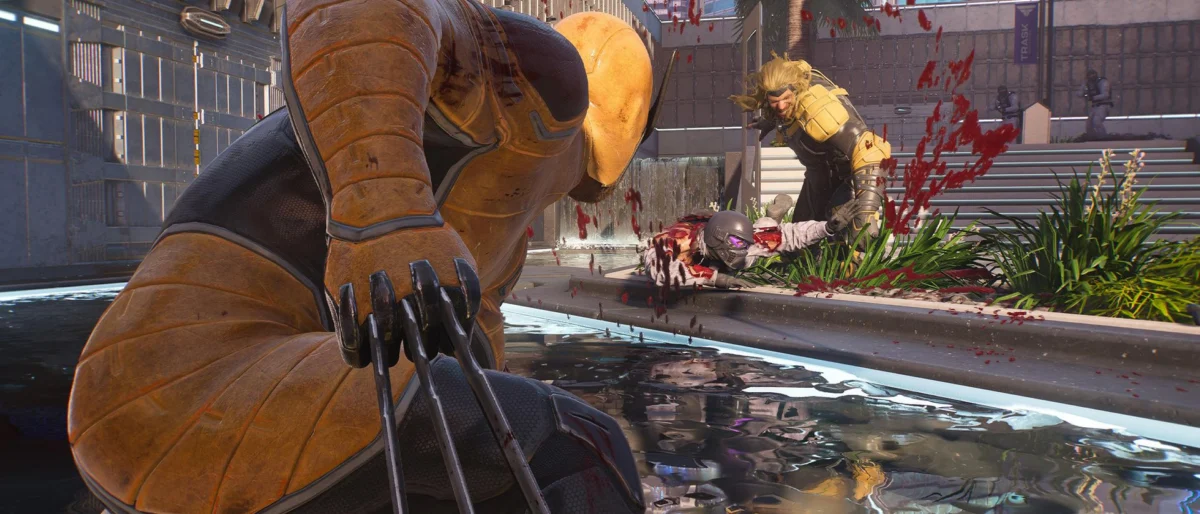
Sony Interactive Entertainment’s latest foray into the Marvel universe with Marvel’s Wolverine presents a visually stunning and narratively compelling experience. However, beneath its polished exterior lies a gameplay loop that, while brutal and satisfying in moments, ultimately feels too constrained, hindering the full potential of its iconic, rage-fueled protagonist.
Developed by Insomniac Games, the studio behind the critically acclaimed Marvel’s Spider-Man series, Marvel’s Wolverine arrives with significant expectations. The game aims to capture the raw, visceral essence of Logan, the gruffest and most enduring member of the X-Men. While it succeeds in delivering a captivating story and a breathtaking visual presentation, its core combat mechanics, despite their initial impact, become repetitive, preventing the game from reaching the heights of its narrative ambition.
The Heart of the Beast: A Story That Bites
Marvel’s Wolverine places players in the hardened boots of Logan, a man wrestling with his past and the inherent savagery within him. The narrative, deliberately kept somewhat vague to avoid spoilers, begins three years after Logan has left the shadowy confines of Team X. He is inexorably drawn back into the mutant fray alongside familiar faces like Mystique and Sabretooth. Their reunion is spurred by the machinations of Bolivar Trask, a billionaire with a chillingly deterministic view of human evolution and a distinct lack of interest in dissenting opinions.
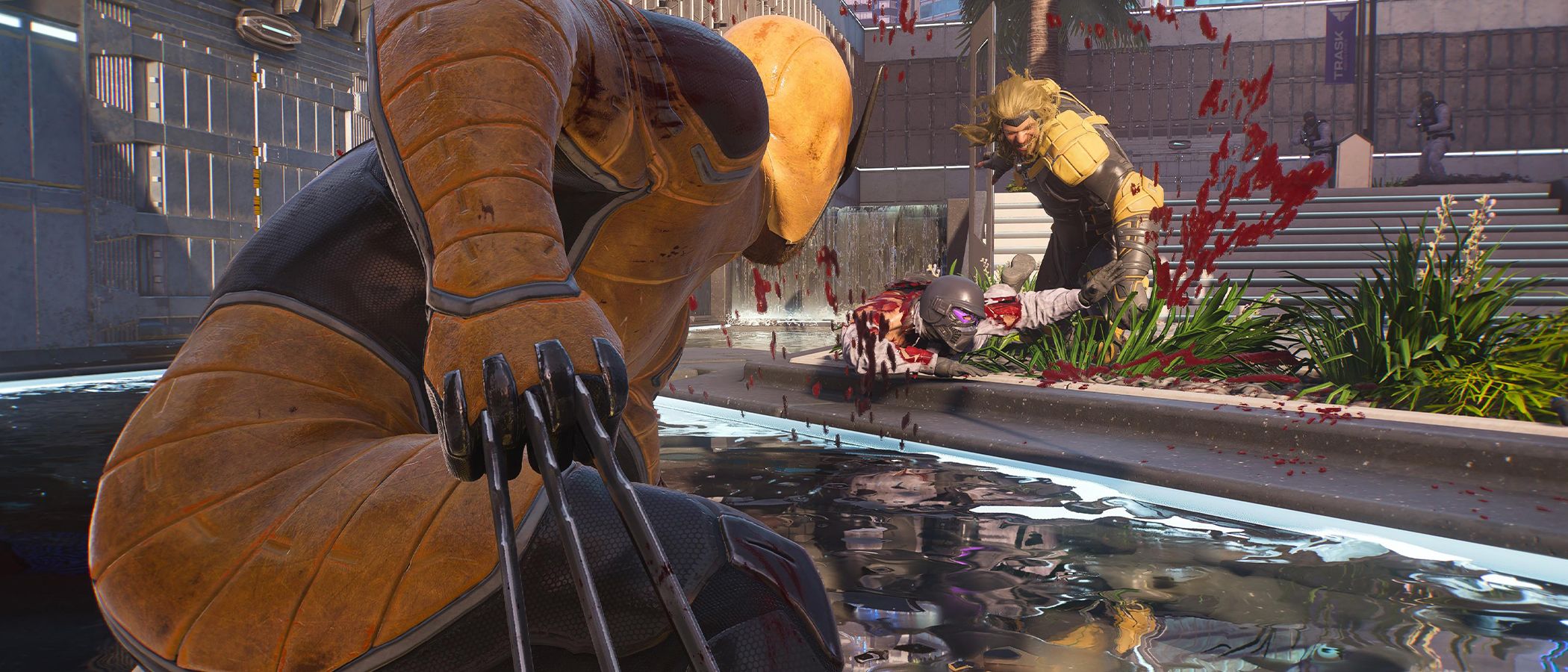
The story wisely eschews the typical New York City setting often associated with superhero narratives. Instead, it embarks on a globe-trotting adventure, taking players to diverse locales such as the frosty landscapes of Canada, the vibrant and perilous streets of Madripoor, and the serene yet dangerous vistas of Japan. This geographical variety injects a much-needed freshness into the superhero genre, preventing the game from feeling like just another urban brawl.
The inclusion of Jean Grey, alongside a genuinely expansive cast of Marvel characters, enriches the narrative tapestry. Insomniac Games has crafted a compelling plot that effectively balances the character’s inner turmoil with external threats. The writing shines brightest in the evolving dynamic between Logan and Jean, providing a much-needed emotional anchor amidst the chaos. The interplay between Mystique and Sabretooth also injects personality and gravitas, preventing Logan’s perpetual scowl and growls from becoming the sole emotional outlet of the game. While the narrative delves into familiar Wolverine territory, Insomniac imbues it with a genuine emotional weight, leaving players yearning for more of this universe, despite its gameplay limitations.
The Brutal Ballet: Combat That Falters
At its core, Marvel’s Wolverine is a combat-heavy experience. Insomniac Games has clearly poured immense effort into capturing the brutal physicality of Wolverine. When the combat clicks, it is undeniably satisfying. Logan lunges with a blur of claws, shredding enemies and environments with a visceral ferocity that perfectly embodies the character. The animation team deserves commendation for their work in selling Wolverine’s raw power; his movements are heavy, messy, and leave a trail of destruction, a far cry from a measured or elegant approach.

The combat system boasts a range of mechanics: basic attacks, parries, dodges, and special "Rage" abilities that escalate critical hits. The inclusion of "Special Techniques" like Tornado Spin and Knee Breaker adds a layer of tactical flair. Furthermore, "Adaptations" can modify health and parry windows, and players can equip up to four rechargeable Techniques, offering a semblance of strategic depth when facing hordes of enemies.
However, this intricate-sounding system often devolves into a repetitive cycle. In practice, many encounters boil down to mashing a primary attack button, punctuated by well-timed parries and dodges. The camera often struggles to keep pace with Logan’s rapid movements across multiple opponents, further complicating the flow. Beneath the outward aggression, the underlying rhythm of combat leans heavily on a defensive loop: parry enough times to stagger an enemy, then unleash a punishing combo. This pattern, while effective, becomes predictable, even against boss encounters that are dressed up with flashier animations and larger arenas. The core loop of waiting for a tell, parrying, and attacking rarely deviates.
The game does offer moments of brilliance within its combat. Special Techniques can effectively clear rooms, Rage abilities provide a potent surge of power, and environmental attacks are a particular highlight. Spotting a strategically placed forklift or other interactive element and orchestrating a devastating environmental kill offers a primal satisfaction that harks back to the raw energy of classic arcade brawlers. However, these flashes of ingenuity are too often overshadowed by the pervasive sense of repetition.
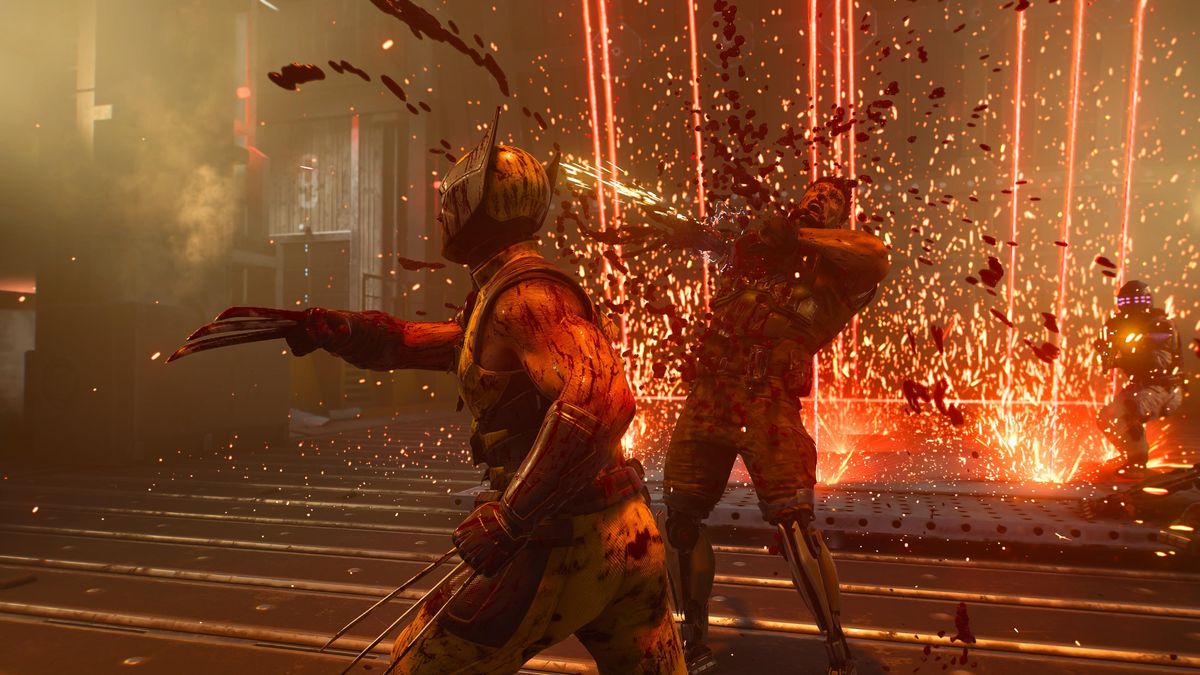
Comparing Marvel’s Wolverine to other recent melee-focused titles like Ninja Gaiden 4, Control Resonant, or Hi-Fi Rush reveals its shortcomings. These games excel by offering combat systems with greater flexibility, depth, and player agency. Their combo strings feel more organic, and their environments are designed to encourage experimentation rather than rote execution. While Wolverine offers spectacle in spades, it often lacks the player agency that elevates truly engaging combat. The sheer volume of gore and destruction, while visually impressive, cannot entirely mask the underlying simplicity of the mechanics.
The Illusion of Freedom: Structure and Safeness
The game’s "safeness," a recurring theme in its design, extends beyond its combat. Sections involving motorbikes, while visually spectacular initially, quickly become rote. The tense, slow-burn moments where Logan advances towards an impending threat are masterfully crafted but lack meaningful player interaction, ultimately feeling like predetermined set pieces. Even boss fights, despite their elaborate choreography, adhere to the same fundamental "wait, parry, attack" template.
Marvel’s Wolverine also feels the weight of the proprietary Sony formula, which often prioritizes broad accessibility. While this approach can be successful when supplemented by other engaging mechanics, as seen in Marvel’s Spider-Man‘s traversal or God of War‘s intricate blend of exploration, puzzles, and upgrades, Wolverine struggles to compensate for its combat’s limitations. As a linear brawler where combat is the primary gameplay pillar, the lack of a secondary system to pick up the slack becomes acutely apparent.
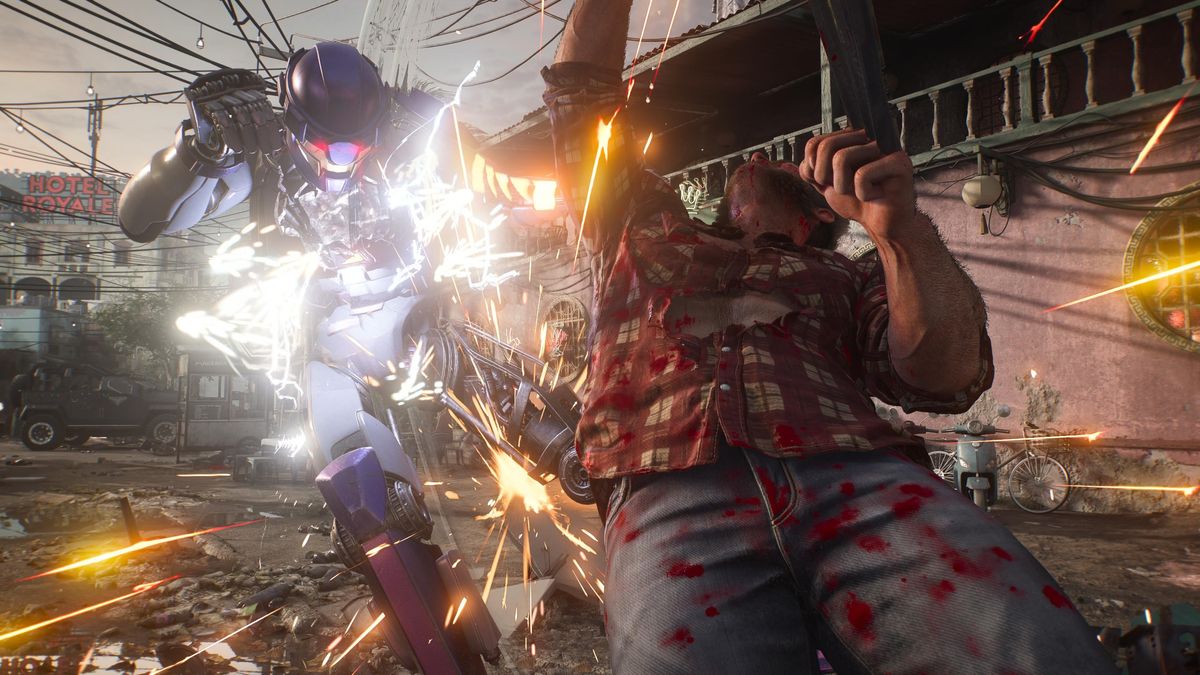
Even the extensive unlockable costumes, a clear nod to fan service, offer no tangible gameplay benefits. While lovingly modeled, they serve purely as cosmetic rewards. Similarly, the "Adaptation" system, while not entirely toothless and capable of subtly influencing health and parry timings, fails to evolve into a robust character-building mechanic that could inject much-needed depth into the combat.
Glimmers of Greatness: Untapped Potential
Despite its shortcomings, Marvel’s Wolverine is not without its moments of brilliance and flashes of what could have been. The stealth sections, for instance, tease Wolverine’s primal, animalistic nature, hinting at a deeper, more creature-like experience. However, these sequences rarely fulfill their promise, leaving the player wanting more.
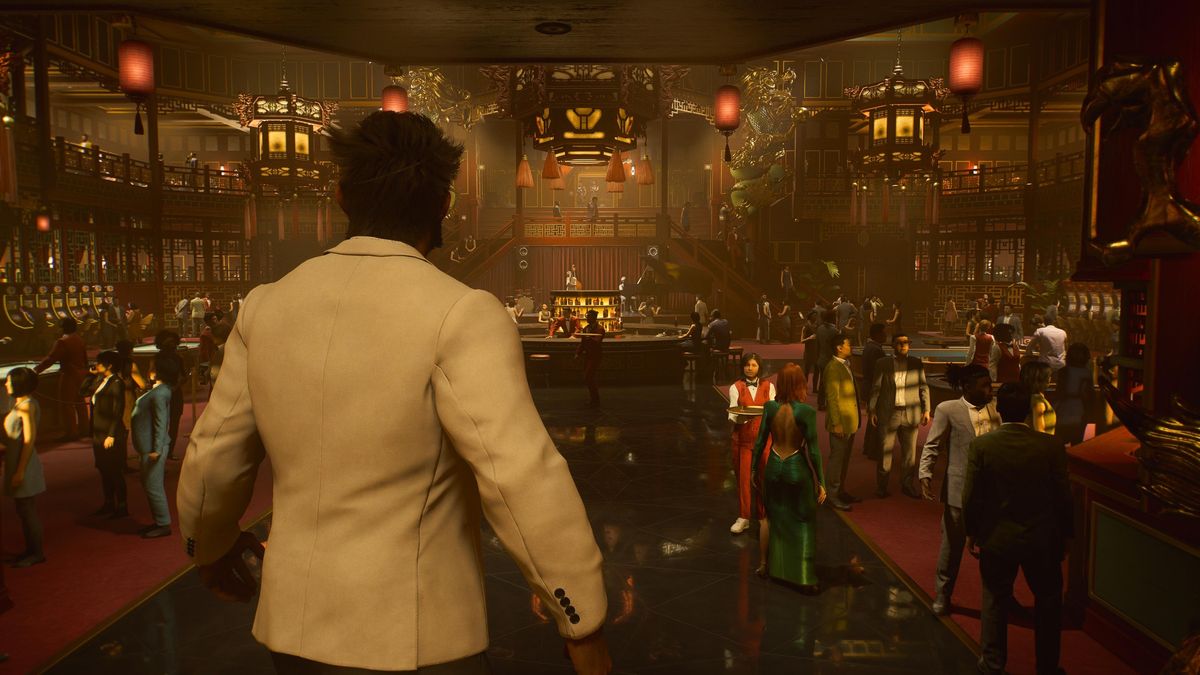
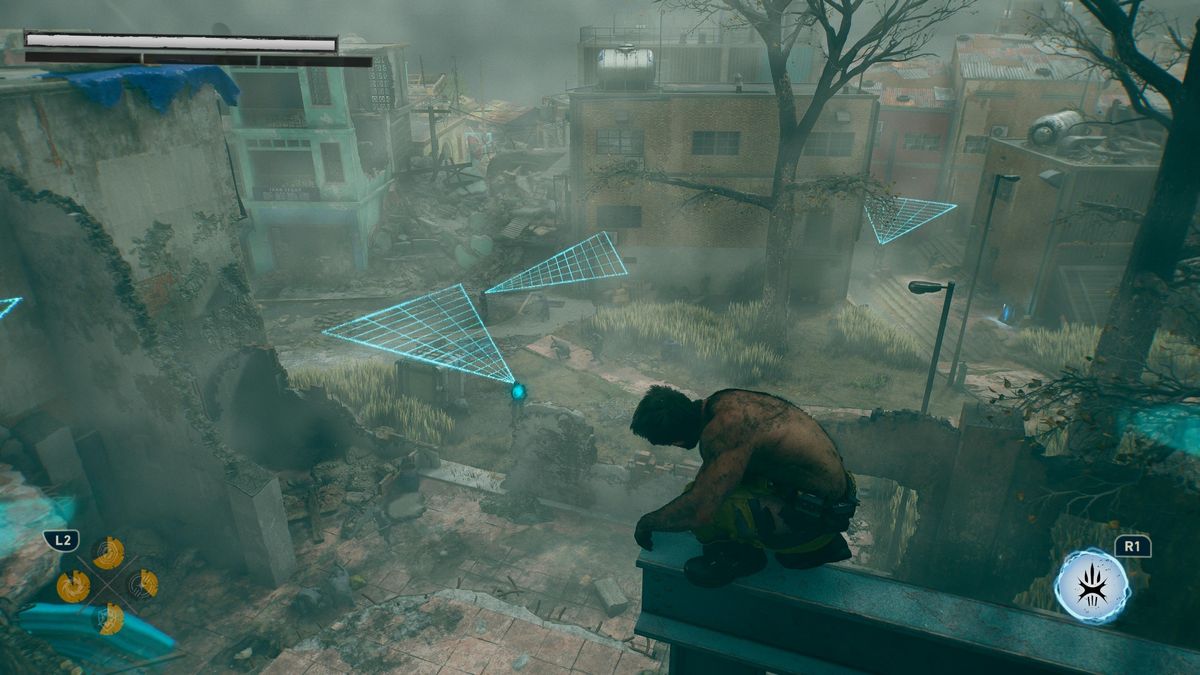
Logan’s heightened senses are another area where the game’s design shines. The DualSense controller’s haptic feedback and adaptive triggers effectively convey the tactile sensation of feeling one’s way along a wall to discover hidden passages. Certain puzzle segments cleverly leverage this mechanic, requiring players to use Logan’s senses to uncover clues and codes. This integration of character abilities into gameplay is genuinely interesting, showcasing Insomniac’s capacity for innovative design. Yet, these moments often feel underserved. A particular scene where overhearing a conversation can disrupt a nightclub’s operations is wonderfully conceived, but its predetermined outcome limits player agency, creating a sense of the game playing itself.
The sprawling rooftops of Madripoor offer another tantalizing glimpse of the game’s untapped potential. After a prolonged period of linearity, reaching this vantage point and surveying the expansive city below is a breathtaking moment. It hints at the possibility of open-ended exploration and emergent gameplay. However, venturing too far off the beaten path results in the game gently, yet firmly, guiding the player back to the intended path. Occasionally, game-breaking bugs necessitate reloading checkpoints, reinforcing the feeling of being on a tightly controlled leash.
It is evident that Insomniac Games possesses the craft and talent to create a more ambitious Wolverine experience. The developer’s creativity shines through in these moments – in the nuanced use of Logan’s senses, the atmospheric exploration of Madripoor, and the occasional puzzle that trusts the player’s ingenuity. The tragedy lies in the apparent reluctance to fully commit to and expand upon these promising ideas.
A Visual Feast with a Familiar Taste
Where Marvel’s Wolverine unequivocally excels is in its visual presentation. The environments are rendered with a meticulous attention to detail, utilizing real-world scanning and reference to imbue them with a tangible sense of place. Character models are equally impressive, with Logan, Jean, Mystique, and Sabretooth all possessing a palpable presence and conviction. The relationships between these characters lend the narrative a warmth and emotional resonance that prevents the story from devolving into a monotonous cycle of angry mutant shouting matches.
The narrative’s strongest moments often revolve around the Logan and Jean dynamic, providing emotional depth that Logan’s own perpetually scowling demeanor might otherwise obscure. Mystique and Sabretooth contribute significantly to the story’s personality, adding layers that the central hero, in his relentless rage, cannot always provide alone.
Verdict: A Flawed Gem
Marvel’s Wolverine is a game that exists in a curious duality. On one hand, it offers a visually spectacular experience with a story that compels players to see it through to its conclusion. The moments where Logan unleashes his fury, the destructible environments that invite playful dismantling, and the character-driven narrative elements all hint at the potential for a truly exceptional game. The brief periods of exploration in Madripoor further underscore this feeling of untapped promise.
However, the combat system, while initially impactful, ultimately constrains the gameplay experience. It operates within a narrow set of parameters, failing to evolve or offer the depth and player agency that define the best modern action titles. For a character whose very identity is rooted in a wild, unbridled charge into conflict and a penchant for making a glorious mess, Marvel’s Wolverine plays it remarkably safe. It is a game that showcases immense style but struggles to match it with commensurate substance, leaving players with a lingering sense of what might have been. The narrative is engaging, the visuals are stunning, but the core gameplay loop, much like Logan’s incessant growl, becomes a repetitive refrain that, while initially attention-grabbing, eventually wears thin.