
The Architecture of the Unnamed: Dev Dhunsi and the Fluidity of the ‘Mixed’ Identity
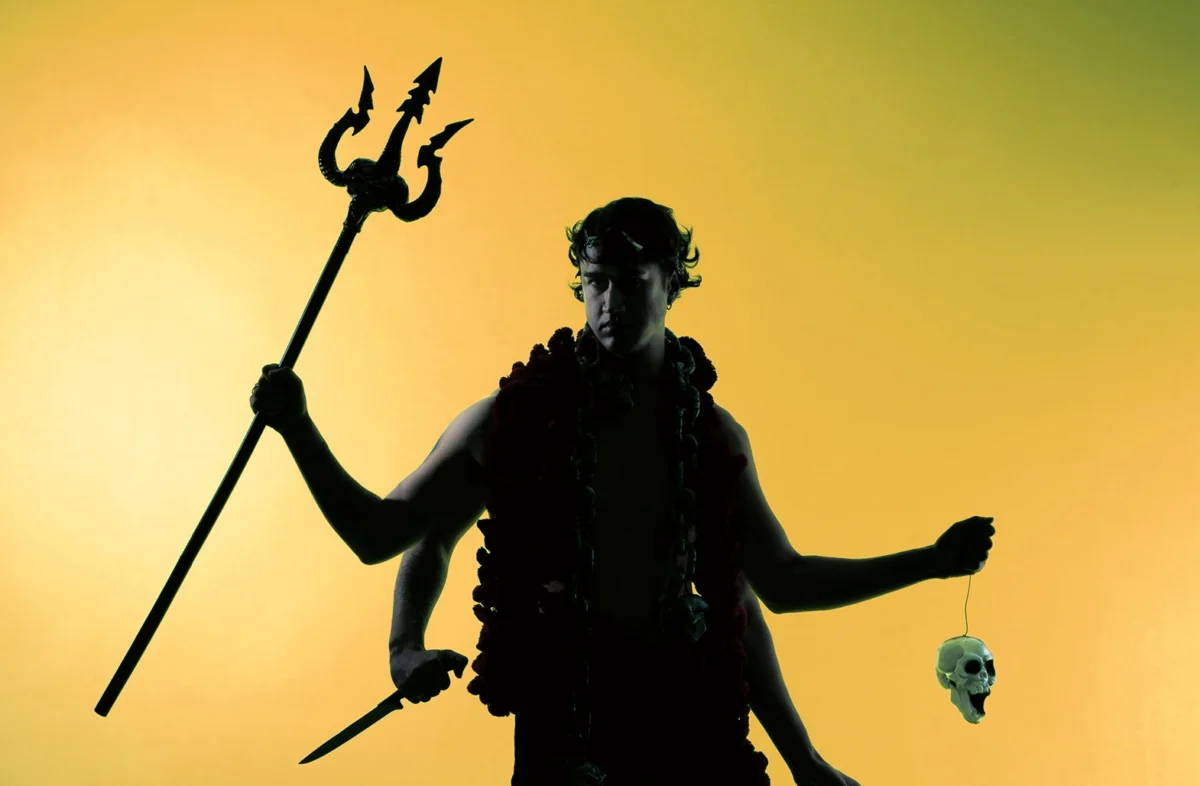
In the contemporary art world, photography is often burdened with the expectation of being a definitive record—a cold, hard fact captured in silver halide or digital pixels. However, for Norwegian-Indian artist Dev Dhunsi, the camera is less a tool for documentation and more a medium for capturing the exact moment something ceases to exist. In his debut photobook, Mixed, Dhunsi explores the liminal spaces of identity, heritage, and the linguistic gaps that define the immigrant experience in Northern Europe.
In a profound dialogue with curator and writer Gem Fletcher, Dhunsi unpacks the complexities of a life lived between cultures, languages, and expectations. His work serves as a visual manifesto for those who exist in the "friction between what is lived and what can be said," offering a radical reimagining of what it means to be plural in a world that demands singular labels.
Main Facts: The Genesis of ‘Mixed’
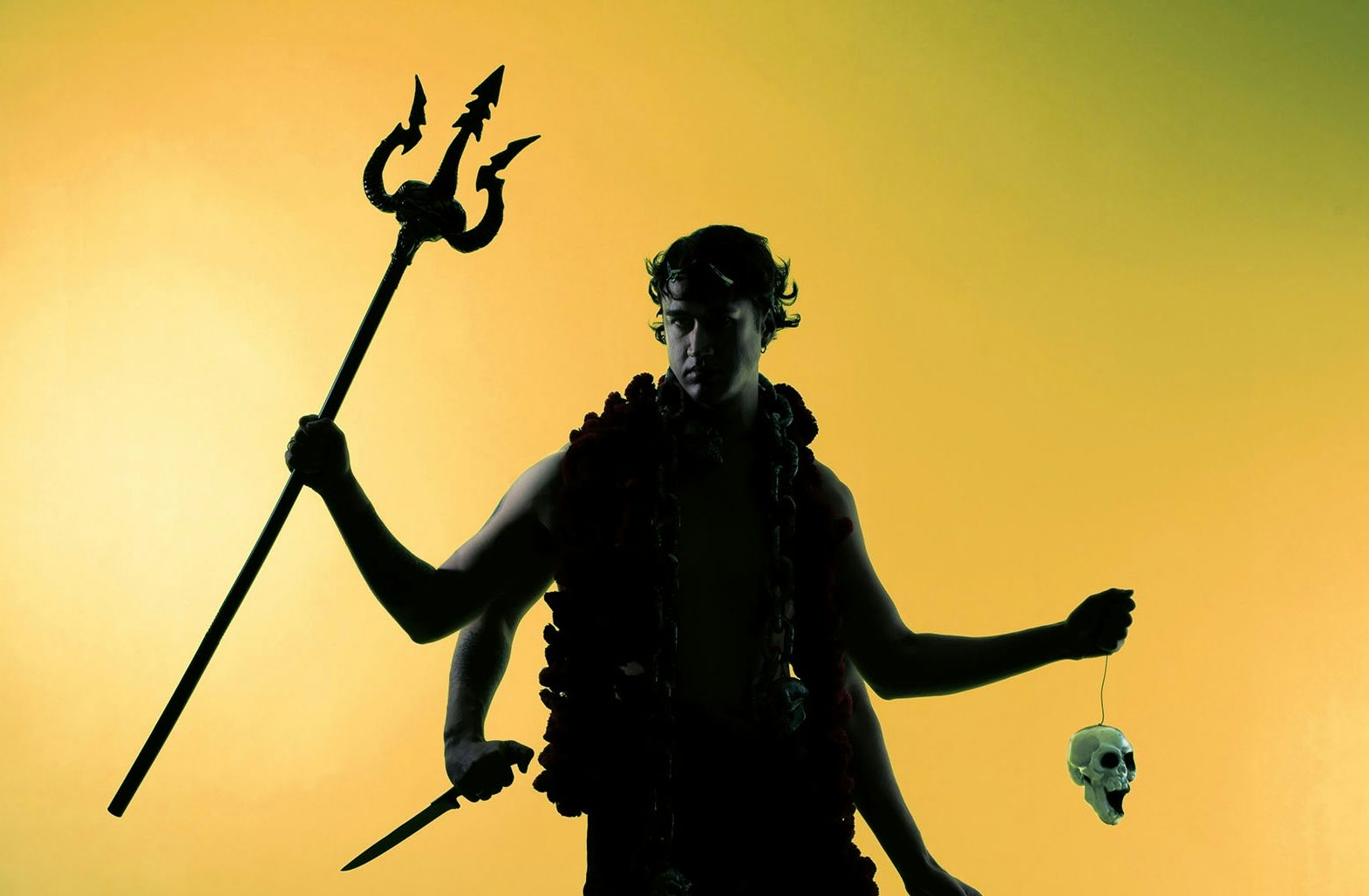
Dev Dhunsi’s Mixed is not merely a collection of portraits; it is a meticulously constructed "constellation" of visual data. The project incorporates high-fidelity photography, aggressive image interventions, archival fragments, and poetic text. This multi-layered approach is designed to mirror the multi-layered nature of Dhunsi’s own identity.
A World Outside Conflict
The central thesis of the work is the creation of a "mythical world" where human beings can exist outside the traditional frameworks of cultural or racial conflict. Dhunsi posits that by moving away from the rigid definitions imposed by society, an individual can find a state of being that is fluid, plural, and ultimately free. The book challenges the viewer to look past the surface of the image and engage with the "bodily memories" and "inherited habits" that often bypass conscious thought.
The Elusive Nature of the Medium
Dhunsi’s philosophy on photography is inherently melancholic. He describes the medium as one that presents itself as a factual representation of reality, yet inherently fails because it only "captures something that has already shifted, already disappeared." This tension—between the perceived permanence of the photograph and the fleeting nature of the subject—is the engine that drives the narrative of Mixed.
Chronology: From Cultural Dissonance to Visual Synthesis
The journey toward Mixed began long before Dhunsi picked up a professional camera. It started in the domestic spaces of a Norwegian household flavored by Indian heritage, where the artist navigated the silent nuances of a dual existence.
The Linguistic Realization
The pivotal moment in the project’s development occurred when Dhunsi confronted the limitations of the Norwegian language. In Norway, a country known for its social cohesion but also its linguistic specificity, Dhunsi found that there was no direct, neutral equivalent for the English word "mixed."
In the Norwegian context, terms used to describe multi-ethnic identities often carry heavy connotations of race or "othering," or they lean toward clinical, sociological definitions that fail to capture the lived experience. This absence of a "home" for the word in his native tongue became the catalyst for his artistic inquiry. If the language could not provide a space for him, he would have to build one through images.
The Evolution of the Project
Over several years, Dhunsi began collecting the "unnamed" experiences of his life—gestures that felt Indian but were performed in a Norwegian climate, accents that shifted depending on the room, and the physical weight of inherited history. He began to intervene in his own archives, cutting, layering, and distorting images to represent the way memory degrades and transforms over time. The result was a body of work that moved away from traditional documentary styles and toward a more experimental, "mixed" aesthetic.
Supporting Data: The Cultural and Artistic Context
To understand the weight of Dhunsi’s work, one must look at the broader context of the Norwegian-Indian diaspora and the current state of post-photography.
The Norwegian Context
Norway has seen a significant shift in its demographic makeup over the last four decades. While the country prides itself on egalitarianism, the "Second Generation" (children of immigrants born in Norway) often face a unique psychological challenge: they are culturally Norwegian, yet frequently viewed through the lens of their ancestral origins.
According to sociological data from Statistics Norway (SSB), the "immigrant category" is broad, often grouping vastly different cultures under a single administrative umbrella. For artists like Dhunsi, this lack of nuance in public discourse creates a vacuum that art is uniquely positioned to fill.
Technical Interventions as Metaphor
Dhunsi’s use of "image interventions" is a critical component of Mixed. By physically or digitally altering the photographs, he mimics the process of cultural assimilation and the "masking" that often occurs in immigrant communities.
- Archival Fragments: The inclusion of old family photos serves as an anchor to a past that is partially lost.
- Textual Overlays: The use of text provides a rhythmic counterpoint to the visuals, articulating the "friction" mentioned in the book’s introduction.
- Fluidity in Form: The book’s layout avoids a linear narrative, instead opting for a "constellation" format that allows viewers to make their own connections between the disparate elements.
Official Responses and Critical Perspectives
The art community has responded to Mixed with significant interest, noting its departure from the "identity politics" art of the early 2000s toward something more abstract and metaphysical.
The Dialogue with Gem Fletcher
Gem Fletcher, a renowned writer and podcaster specializing in contemporary photography, has highlighted Dhunsi’s ability to "photograph the invisible." In their discussions, Fletcher points out that Dhunsi is part of a new wave of artists who are not interested in "representing" a culture for the benefit of an outside audience, but rather in "interrogating the self" for the sake of internal clarity.
Critical Reception
Critics have praised the book for its refusal to provide easy answers. In a review of the work, the aesthetic is described as "hauntingly beautiful but intentionally destabilizing." By refusing to use the traditional visual language of "the migrant story"—which often relies on tropes of struggle or exoticism—Dhunsi forces the viewer to engage with the complexity of the "mixed" experience on a purely human level.
Implications: A New Visual Language for Hybridity
The release of Mixed carries implications that extend far beyond the borders of Norway or the pages of a photobook. It signals a shift in how we perceive the intersection of photography and identity in a globalized world.
Redefining the "Mixed" Experience
Dhunsi’s work suggests that the "mixed" identity is not a half-state or a fragmented existence, but a "plural" one. By creating a mythical world where these identities can thrive, he offers a blueprint for a future where individuals are not required to choose between their heritages. This "open space" allows for a new kind of freedom that is not dependent on societal recognition or linguistic validation.
The Future of Photography as an Art Form
For the field of photography, Dhunsi’s approach challenges the "truth-telling" mandate of the camera. If a photograph only captures what has "already disappeared," then the role of the artist is to acknowledge that loss and work within the shadows it leaves behind. This perspective encourages a more experimental, less literal use of the medium in addressing social and personal themes.
Impact on Norwegian Society
In Norway, Mixed serves as a cultural mirror, reflecting the need for a more nuanced vocabulary regarding race and identity. As the country continues to evolve, the artistic contributions of the diaspora will be essential in shaping a national identity that accounts for the "fluid and plural" nature of its citizens.
Conclusion
Dev Dhunsi’s Mixed is a profound meditation on the spaces between words and the images that fill them. Through his collaboration with Gem Fletcher and his rigorous artistic process, Dhunsi has succeeded in naming the unnamed. His work stands as a testament to the power of art to transcend the limitations of language, providing a sanctuary for those who exist in the beautiful, complex friction of a mixed life. As photography continues to evolve, Dhunsi reminds us that the most important things the camera captures are often the things that are already gone—leaving us with the duty to imagine what comes next.


Leave a Comment