The Unseen Architect: Exploring the Metaphysical Dimensions of Human Purpose and Consciousness
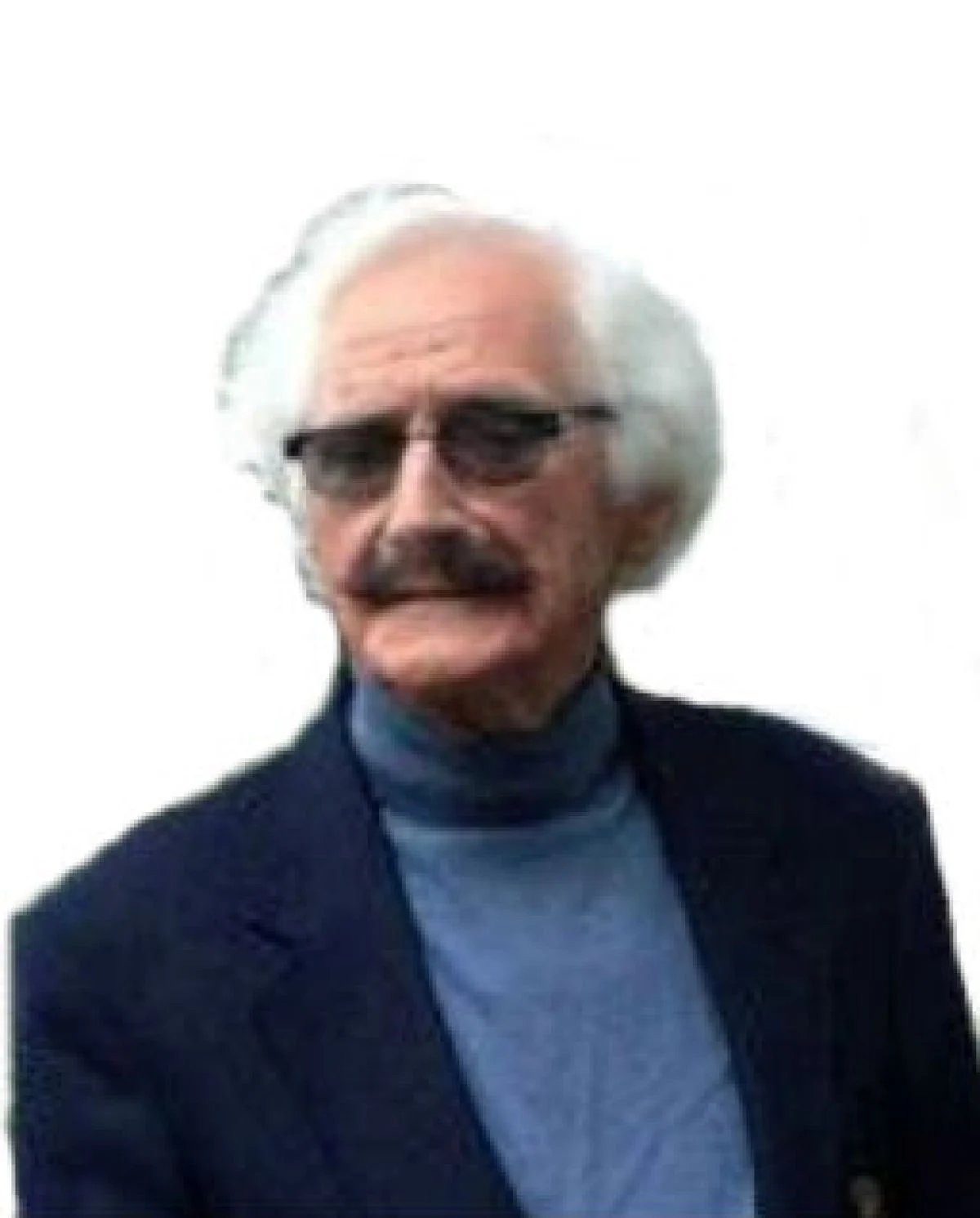
A retired philosophy and psychology professor’s chance encounter in a local coffee shop sparks a profound discussion on the often-overlooked "meta" aspects of human existence, revealing a disconnect between our rational minds and the deeper currents of spirit.
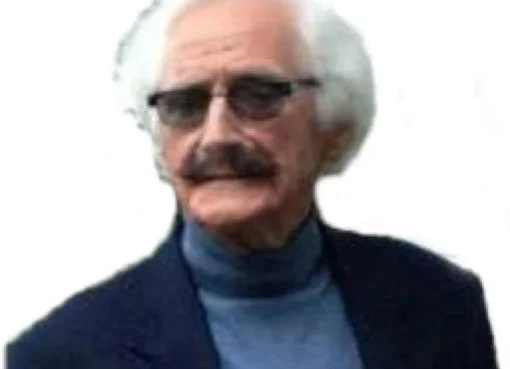
[City, State] – [Date] – The mundane act of waiting for a car service can sometimes lead to extraordinary conversations. For a retired university professor of philosophy and psychology, a routine visit to a local coffee shop transformed into a philosophical exploration, initiated by a pair of curious university students. Their encounter, while brief, illuminated a potential chasm in understanding a fundamental aspect of human experience: the concept of purpose, and more specifically, the metaphysical underpinnings that drive our actions and shape our consciousness.
The conversation, as it often does when the professor’s academic background is revealed, turned to the perennial human quest for meaning. The professor, speaking with the measured tone of someone who has dedicated a lifetime to such inquiries, acknowledged the inherent difficulty in articulating purpose. He pointed to the stark realities of history, a tapestry woven with conflict and strife, where humanity has frequently engaged in destructive behaviors. "Nations, as well as individuals, have been fighting and killing each other off throughout history," he stated, his voice carrying a note of both observation and quiet disappointment. "There’s still a hell of a lot to be desired when it comes to looking for benevolent and spiritually tolerant attitudes between individuals and nations."
The Unseen Currents of Compassion: Altruism in Action
Despite this somber assessment of historical trends, the professor was quick to highlight the enduring presence of human altruism and compassion. He cited the tireless efforts of charitable organizations as a testament to the better angels of our nature. "Even so, there are many charitable groups throughout the world nowadays working to try and ease the sufferings of those less fortunate than themselves," he remarked, his gaze drifting towards an unseen horizon.
He then specifically lauded the work of Doctors Without Borders (Médecins Sans Frontières), an organization that embodies a profound commitment to humanitarian aid in the face of immense adversity. "Look at that most humanistic of organizations, Doctors Without Borders," he urged, his voice gaining a note of admiration. "Nurses and doctors are working and dying in some of the most dangerous places in the world. These are men and women risking their lives, driven by compassion and the altruistic need to act."
The professor elaborated on the extraordinary courage displayed by these medical professionals. They venture into regions fraught with peril, prioritizing the well-being of others above their own safety and careers. This selflessness, he suggested, is a manifestation of a deeper, intrinsic motivation. "These doctors and nurses go far afield, putting their own lives and careers on the line, traveling to distant and dangerous locations to serve the greatest of all moral persuasions, that internal force known as the human spirit." This powerful imagery underscored the idea that altruism is not merely a learned behavior but an expression of an innate, spiritual drive.
Unveiling the Metaphysical: Beyond the Senses
It was at this juncture that the conversation delved into a more abstract, yet crucial, concept: the significance of the word "metaphysical." The professor observed that only one of the two students present possessed a clear understanding of its meaning. This lack of immediate comprehension, he posited, hinted at a broader societal disengagement with dimensions of consciousness that transcend the tangible.
"The word metaphysical," he explained, "denotes a level of awareness in human consciousness that goes beyond the world of appearances; beyond the workings of the five senses." This definition laid the groundwork for understanding a form of awareness that is not directly observable or measurable through empirical means.
The Inner Dialogue: Imagination and the Quest for Meaning
The professor then expounded on the nature of metaphysical awareness, describing it as a continuous, internal dialogue. This dialogue is fueled by the "always questing imagination," a faculty that probes the fundamental questions of existence, particularly concerning the intricacies of one’s own psychological landscape. "Metaphysical awareness is a kind of silent dialogue constantly asking questions raised by one’s always questing imagination, relating to the how and why of the psychological complexity of one’s self," he articulated.
He further connected this internal exploration to a driving psychological force, long understood as "spirit" or the "human spirit." This spiritual impetus, he suggested, is the engine behind our deepest inquiries and our most profound motivations.
Aristotle’s Legacy: The Birth of a Concept
To illuminate the historical origins of this understanding, the professor invoked the name of Aristotle, the renowned Greek scientist and philosopher. It was Aristotle, he explained, who coined the term "metaphysical" to describe this abstract realm of mental activity. The professor broke down the etymology, stating, "’Meta’ signifies beyond or after, thus introducing the concept of mind, a level of awareness, thoughts, ideas, feelings, hunches, and ruminations."
These elements – thoughts, ideas, emotions, intuitions, and reflections – are all manifestations of an "intuitive range of consciousness," which the professor described as inspirational. This inspirational quality, he argued, serves the "forces of spirit," acting at the "instigation of a soul, no less." This linkage to the soul added a layer of profound depth, suggesting that our most abstract cognitive and emotional processes are guided by an even more fundamental, perhaps eternal, aspect of our being.
The Duality of Consciousness: Bridging the Inner and Outer Worlds
The professor then presented a compelling model of human consciousness, one that has been recognized and explored throughout history. He proposed a duality: the "outwardly directed rational and sensory brain," which engages with the external world through our senses and logical processing, and the "inwardly directed intuitive and spiritual brain," which taps into our inner landscape of feelings, insights, and abstract understanding.
"Thus human consciousness over the years has been seen as comprising this duality of human awareness: the outwardly directed rational and sensory brain, together with the inwardly directed intuitive and spiritual brain," he explained. He concluded this point by asserting that the integration of these two seemingly distinct modes of processing constitutes the "mental partnership we call mind." This concept of the mind as a harmonious collaboration between the rational and the intuitive offers a more holistic view of our cognitive architecture.
A Disconnect in Understanding: The Blank Stare
Despite the depth and intellectual rigor of his explanation, the professor encountered a common, and perhaps disheartening, reality. When he posed a direct question to the students, asking if they ever pondered the "unique nature of their own personalities," the response was a telling silence. "I received a couple of blank looks," he reported, a subtle sigh evident in his tone. This moment underscored a potential disconnect between the profound philosophical concepts he articulated and the everyday lived experience or intellectual curiosity of the younger generation. The absence of immediate reflection on their own personalities suggested that the introspective and metaphysical inquiries he championed might not be a prevalent focus in their current intellectual pursuits.
The Enduring Mystery: Penfield’s Metaphysical Definition
As the coffee cups emptied and the time for departure neared, the professor sought to leave his young interlocutors with a memorable and authoritative statement. He recalled the words of the late Wilder Penfield, a distinguished Canadian neuroscientist and brain surgeon, whose work explored the intricate relationship between the brain and the mind.
Penfield, in his profound contemplation of consciousness, offered a definition that resonated deeply with the professor’s own philosophical framework. "I thought I would leave them with the words of the late Wilder Penfield," he concluded, his voice carrying a sense of finality and enduring wisdom. Penfield, in his scientific rigor, described the mind as a "non-temporal, non-spatial entity." This definition, the professor emphasized, perfectly encapsulates the metaphysical nature of consciousness, suggesting that it exists beyond the confines of physical time and space, a realm of pure awareness and being.
The encounter, though brief, served as a potent reminder of the enduring human capacity for introspection and the profound questions that lie at the heart of our existence. While the students may have left the coffee shop with new concepts to ponder, the professor’s reflection highlights a critical need to bridge the gap between abstract philosophical inquiry and accessible understanding, ensuring that the exploration of purpose and the metaphysical dimensions of human consciousness remains a vibrant and relevant pursuit for generations to come. The "human spirit," it seems, continues to call for attention, even amidst the noise of the modern world.