
The Architecture of a Waking Dream: Chris Harnan and the Evolution of Abstract Comics
In the landscape of contemporary sequential art, few works have managed to bridge the chasm between fine art abstraction and narrative drive as effectively as Chris Harnan’s Big Pool. Released in the summer of 2025 by the UK’s Breakdown Press and France’s Fidèle Editions, the book has quickly become a touchstone for the "anti-technical" movement in comics.
Originally from England and currently based in Sydney, Australia, Harnan has spent the better part of a decade refining a visual language that relies as much on what is subtracted as what is drawn. His work is a study in momentum, sensory overload, and the quiet, often jarring transitions of a dream. In a comprehensive retrospective of his career and his latest achievement, we explore how a teenager making Flash animations on Newgrounds became one of the most celebrated voices in the avant-garde comics scene.
Main Facts: The Aesthetic of Big Pool
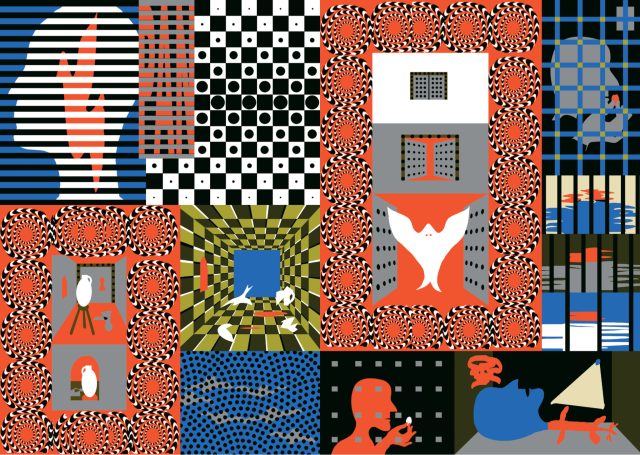
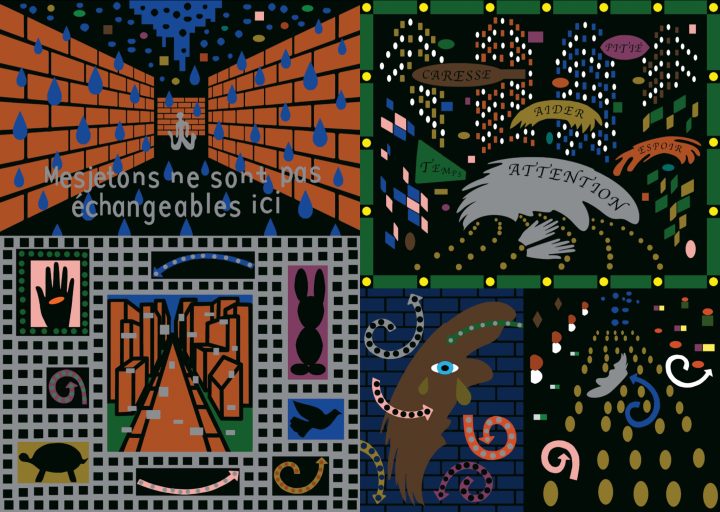
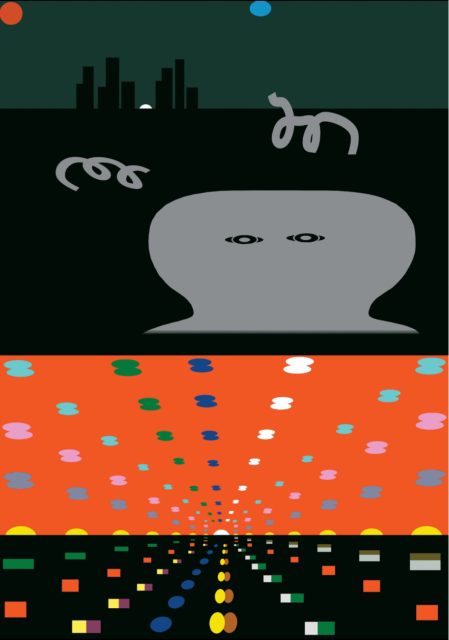
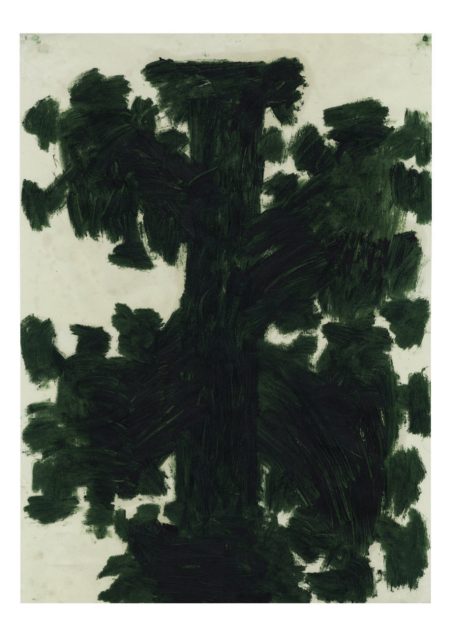
Big Pool is not a traditional graphic novel. It is an immersive experience that weaves between vivid color sequences—utilizing offset fluorescent CMYK—and stark, black-and-white interludes printed with gray Pantone spot colors. The result is a tactile, almost vibrating physical object that challenges the reader’s perception of narrative flow.
The book’s success is quantifiable. Upon its release, it was lauded by The Guardian as one of the best graphic novels of the year and secured the prestigious Award360° gold prize for illustration. Despite its abstract nature, the work resonates on a deeply emotional level, functioning as a "waking dream" that explores themes of self-pity, trauma, fixation, and eventually, catharsis.
Harnan’s approach to the medium is defined by "semiotics and restraint." He utilizes silhouettes, symbols, and horizon lines to guide the reader through a series of "stages." Rather than inviting the reader into a fully realized 3D world, Harnan places representational objects on a flat landscape, creating what he describes as a "conveyor belt of experiences."
Chronology: From the "Clock Crew" to the French Avant-Garde
To understand the complexity of Big Pool, one must look back at the digital subcultures of the early 2000s. Harnan’s artistic journey began not in a gallery, but on the internet portal Newgrounds.

The Digital Genesis (2001–2010)
At age 11, Harnan became "glued" to the computer, discovering the subversive potential of webcomics like The Perry Bible Fellowship and Dinosaur Comics. However, his most significant formative experience was his involvement with "The Clock Crew." This online community, centered around a creator known as "Strawberry Clock," was built on a philosophy of "purposeful badness."
The group famously rebelled against the high-production standards of aspiring Disney or Cartoon Network animators. They uploaded intentionally "ugly" animations featuring inanimate objects moved across the screen with basic mouse controls. This "anti-technical" approach—treating digital assets like physical toys to be bumped together—became the bedrock of Harnan’s current style. It taught him that an image didn’t need to be technically "perfect" to carry gravitas or surrealist power.
Academic Refinement and European Influence (2011–2017)
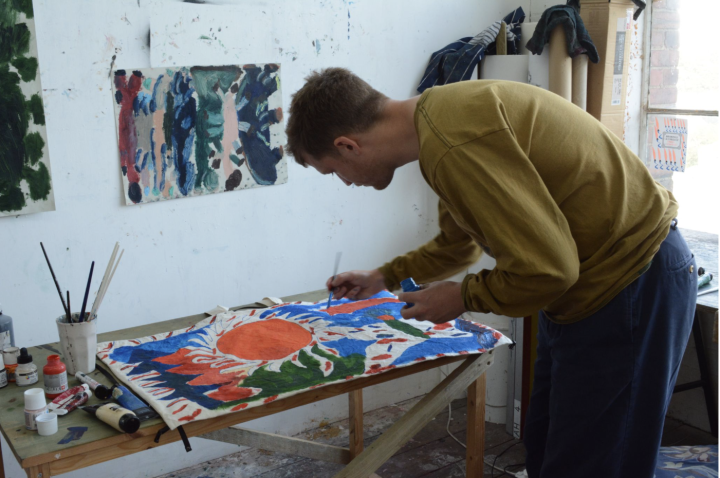
While Harnan studied traditional illustration at the university level, he initially viewed his digital experiments as a mere hobby. It was only through the encouragement of his tutors that his "hobby" began to bleed into his fine art practice.
Following graduation, a year-long internship as a graphic designer in Germany proved pivotal. This period cemented his visual style and introduced him to the European "comics-as-art" scene. In 2017, he released his first major work, World Problem Solution Book, a collection of images that suggested a narrative without ever fully revealing it.
The Lagon Revue Commission (2018–2022)
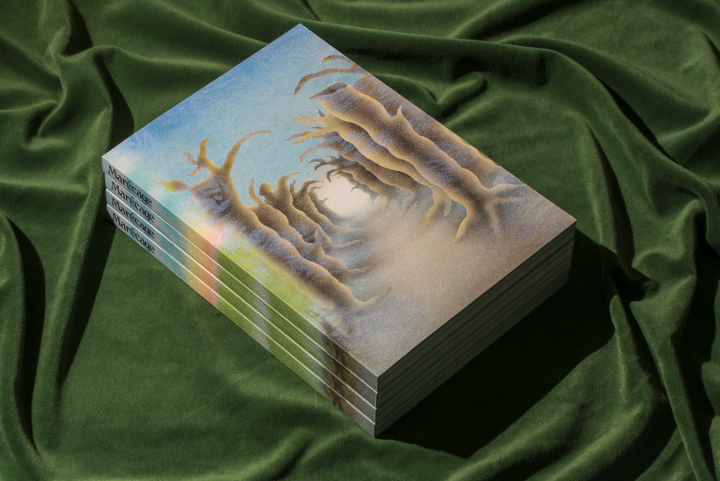
Harnan’s entry into the "official" world of comics came via an invitation from Lagon Revue, an influential French alternative comics magazine. Their editorial mission is to commission artists on the periphery of the medium to create sequential work. Harnan’s contribution to their Marécage anthology—a ten-page, dour sequence about a casino—served as the direct precursor to Big Pool.
Supporting Data: The Mechanics of Subtraction
Harnan’s process is a paradoxical blend of obsessive digital layering and brutal physical restraint. In discussing the creation of Big Pool, Harnan reveals that his primary goal is to achieve a specific "momentum" akin to a musical composition.
Digital vs. Analog Tactility
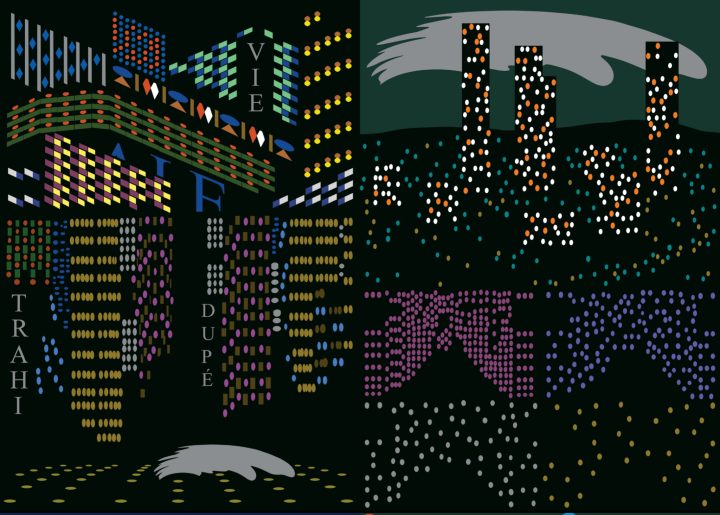
Despite the tactile nature of his printed books, Harnan remains more comfortable in the digital realm. He views the computer as a space of total freedom where constraints are self-imposed rather than dictated by the medium. To create the "casino" sequence in Big Pool, he began with photographs of cityscapes and references to the shifting buildings in Akira, then systematically reduced them to a "mess of dots" on a black background to simulate the sensory experience of being lost and intoxicated.
The "Sweet Spot" of Restraint
A significant portion of Harnan’s workday involves "throwing things against the wall" and creating dozens of versions of a single panel. He admits that he often "overdoes" a drawing, spending hours making it look like a finished representation, only to realize that a version created six hours earlier—one that was simpler and more abstract—better served the dreamlike quality of the book.
The Structural Flow
The structure of Big Pool was not planned in a traditional sketchbook. Instead, Harnan laid out images and moved them around to emulate the experience of reading. The book is designed with "hills and troughs":
- Color Sections: Designed to be read quickly, these sections act as "flashes of animation" or sensory "waves" that wash over the reader.
- Black and White Sections: These act as an "exhale" or a "textbook recital," where the narrative becomes more specific and formal, allowing the reader to catch their breath.
Official Responses and Critical Reception
The reception of Big Pool has highlighted a fascinating divide between the fine art world and traditional comics fandom. While critics have hailed it as a masterpiece of abstract expressionism, the broader internet community has occasionally struggled with its lack of a linear, "straightforward" plot.
Publisher Perspective
Joe Kessler of Breakdown Press was instrumental in the book’s development, specifically encouraging Harnan to "refuse to give away the mystery." This editorial backing allowed Harnan to protect the "therapy" aspect of his work, layering his personal experiences with enough abstraction to protect the author while still engaging the reader.
The "Reddit" Litmus Test
In a moment of self-reflection, Harnan noted his apprehension upon finding a discussion of his work on social media platforms like Reddit. While some users dismissed the work as something "a little cousin could make"—a common critique of minimalist art—others vigorously defended the narrative depth hidden within the symbols. Harnan views this friction as a success, noting that he is "surprised and appreciative" when readers put in the extra effort to decipher his visual shorthand.
Literary Parallels
Harnan cites Kazuo Ishiguro’s The Unconsoled as a major influence on his philosophy. He draws parallels between Ishiguro’s prose—where settings are half-described and situations end without conclusion—and his own desire to capture the "nature of dreaming" in a visual format.
Implications: The Future of the Abstract Narrative
The success of Big Pool signals a growing appetite for comics that function as "sensory objects" rather than mere delivery systems for plot. By winning major illustration awards and appearing in mainstream publications like The Guardian, Harnan has proven that there is a viable market for work that occupies the "edge" of the medium.
Harnan’s career trajectory suggests that the next generation of great comic artists may not come from art schools or traditional publishing backgrounds, but from the weird, "anti-technical" corners of the internet. His transition from moving "toys" around in Flash to winning gold prizes in illustration serves as a blueprint for how digital-native creators can translate their unique sensibilities into the physical world of print.
As for what comes next, Harnan remains characteristically elusive. While he is currently taking a hiatus from long-form projects, he hints that his future work may move away from the "self-pity and wallowing" of his earlier years toward stories that are less about his own life and more about the broader possibilities of the "stage" he has built. Whatever the subject, the industry can expect a continued commitment to the "confident line" and the power of the unexplained.


Leave a Comment