The Enduring Legacy of Barbara Barrie: A Life Defined by Versatility, Courage, and Grace
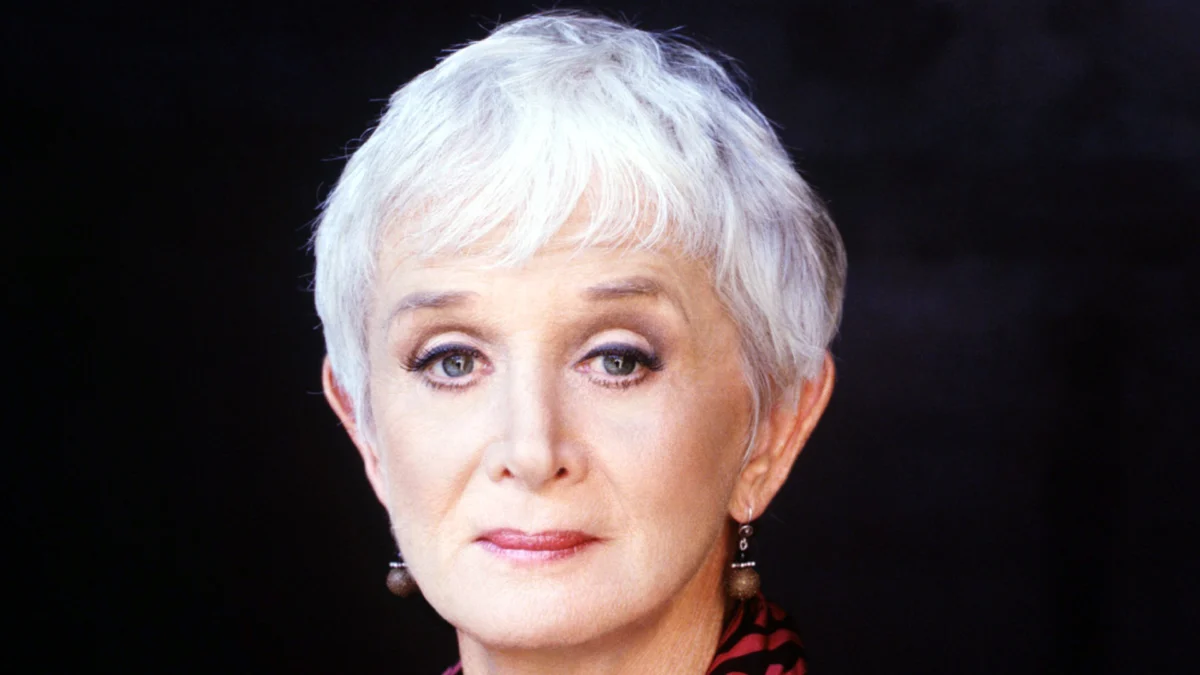
The world of American stage and screen is mourning the loss of Barbara Barrie, a quintessential character actress whose career spanned seven decades and garnered some of the highest honors in the performing arts. Barrie, perhaps best known to global audiences for her Oscar-nominated role as the empathetic mother in the 1979 cycling classic Breaking Away, passed away at the age of 95.
Her death marks the end of an era for the "Golden Age" of character acting—a period where performers like Barrie provided the emotional backbone of films and plays, often stealing scenes from top-billed stars with a mix of maternal warmth, sharp wit, and profound vulnerability.
Main Facts: The Passing of a Legend
Barbara Barrie’s death was confirmed by her daughter, Jane Harnick, who spoke to the New York Times regarding her mother’s final days. Barrie had been battling terminal cancer, a disease she had fought in various forms for several decades. In a poignant revelation that reflects the actress’s lifelong commitment to personal autonomy, Harnick noted that her mother’s death was "medically assisted." This detail has sparked a broader conversation regarding end-of-life dignity, a topic Barrie herself touched upon in her later years as an author.
Barrie’s career was defined not by a single "type," but by an extraordinary range. She was a Tony-nominated Broadway star, a Cannes Film Festival Best Actress winner, and an Academy Award nominee. Whether she was playing a suburban mother grappling with her son’s transition to adulthood or a pioneer in a controversial interracial drama, Barrie brought a grounded, "everywoman" quality to her roles that resonated deeply with audiences across generations.
Chronology: A Seven-Decade Journey through the Arts
The Early Years and Broadway Breakthrough
Born Barbara Ann Berman in Chicago in 1931, Barrie’s journey into acting began in the theater. After honing her craft in regional productions and television guest spots during the 1950s, she found her footing on the New York stage.
The 1960s and 70s were transformative for Barrie. Her most significant theatrical milestone came in 1970 when she was cast as Sarah in the original production of Stephen Sondheim’s Company. The musical, which revolutionized the Broadway format by focusing on adult relationships and the complexities of commitment rather than a linear plot, featured Barrie in a memorable role that included a comedic karate match with her on-stage husband. Her performance earned her a Tony Award nomination for Best Featured Actress in a Musical, cementing her status as a high-caliber stage performer.
Cinematic Breakthrough: "One Potato, Two Potato"
While many remember her for her "mom" roles in the late 70s, Barrie’s first major cinematic impact occurred in 1964 with the film One Potato, Two Potato. At a time when the Civil Rights Movement was reaching a fever pitch, the film tackled the then-taboo subject of interracial marriage. Barrie played a divorced white woman who falls in love with and marries a Black man (played by Bernie Hamilton), leading to a harrowing legal battle over the custody of her daughter from her previous marriage.
Her performance was so powerful that she won the Best Actress award at the Cannes Film Festival—an incredible feat for an American actress in an independent film. This role established her as a performer capable of handling intense social commentary with nuance and grace.
The Peak of Fame: "Breaking Away" and the 1980s
In 1979, Barrie took on the role that would define her legacy for millions: Evelyn Stoller in Breaking Away. Playing the mother of a young man obsessed with Italian cycling in Bloomington, Indiana, Barrie embodied the quiet, supportive strength of a blue-collar matriarch. Her chemistry with on-screen husband Paul Dooley provided the film with its emotional heart. The performance earned her an Academy Award nomination for Best Supporting Actress.
She reprised the role in the 1980 television series based on the film, earning an Emmy nomination in the process. This period solidified her "boisterous yet grounded mom" persona, which she continued to explore in the Goldie Hawn vehicle Private Benjamin (1980), playing the mother of Hawn’s character.
Later Career and Voice Work
As she aged, Barrie remained a constant presence. She found a new generation of fans through her television work, most notably as Elizabeth Miller, the wife of the title character in the hit sitcom Barney Miller. In the 1990s and 2000s, she lent her voice to Disney’s Hercules (1997) as Alcmene and made memorable guest appearances on shows like Law & Order and Suddenly Susan.
Supporting Data: Awards and Critical Accolades
To understand Barbara Barrie’s impact, one must look at the breadth of her critical recognition. She was a rare talent who succeeded across every medium of the performing arts:
- Academy Awards: Nominated for Best Supporting Actress for Breaking Away (1979).
- Tony Awards: Nominated for Best Featured Actress in a Musical for Company (1970).
- Emmy Awards: Nominated for Outstanding Lead Actress in a Drama Series for the Breaking Away TV adaptation (1981) and for a guest role in Law & Order (2003).
- Cannes Film Festival: Won Best Actress for One Potato, Two Potato (1964).
- Literature: Beyond the screen, Barrie was an accomplished author. Her memoirs, Second Act and Don’t Die of Embarrassment, were critically acclaimed for their honesty regarding her battle with colorectal cancer and her life in show business.
Official Responses and Industry Tributes
The announcement of Barrie’s death has led to a wave of tributes from the Broadway and Hollywood communities.
Her daughter, Jane Harnick, emphasized her mother’s resilience and her decision to face her final days on her own terms. "She was a woman of incredible strength who never wanted to be a burden," Harnick stated. "Her decision for a medically assisted death was consistent with how she lived her life—with dignity, clarity, and a fierce sense of independence."
Theater historians and critics have also weighed in on her contribution to the arts. "Barbara Barrie was the ‘actor’s actor,’" said one theater critic. "She didn’t need the spotlight to be the most interesting person on stage. In Company, she showed us the humor in the mundane, and in Breaking Away, she showed us the heroism in the everyday."
Social media has been flooded with messages from former co-stars and fans, many citing her role in Breaking Away as a formative cinematic experience that portrayed family life with rare authenticity.
Implications: A Legacy of Courage and Health Advocacy
Barbara Barrie’s legacy extends far beyond the stage and screen. Her life and death carry significant implications for two major areas of public discourse: health advocacy and end-of-life care.
Breaking the Silence on Illness
In the 1990s, Barrie became a vocal advocate for cancer awareness. At a time when colorectal cancer was rarely discussed in public due to social stigmas, Barrie wrote Don’t Die of Embarrassment. The book was a courageous attempt to destigmatize the disease and encourage early screening. By sharing her personal struggles with a "taboo" illness, she likely saved countless lives by bringing the conversation into the mainstream. Her advocacy showed that her "character actress" persona was not just a role, but a reflection of her real-world bravery.
The Conversation on Medically Assisted Dying
The revelation that Barrie chose a medically assisted death adds a final, profound layer to her story. As more states and countries debate the ethics and legality of medical aid in dying (MAID), Barrie’s high-profile choice brings a human face to the policy. It highlights a growing movement among the elderly and terminally ill to seek "death with dignity," prioritizing quality of life and personal agency over prolonged suffering.
The Archetype of the Reliable Performer
In an industry often obsessed with youth and "leading lady" glamour, Barrie’s 70-year career serves as a blueprint for longevity. She proved that there is immense power in being a "supporting" player. Her ability to anchor a scene, to provide the necessary foil to a protagonist, and to imbue small roles with immense history is a skill set that remains the bedrock of great storytelling.
As the curtain falls on Barbara Barrie’s final act, she leaves behind a body of work that is as diverse as it is deep. From the revolutionary stages of 1970s Broadway to the quiet suburbs of Indiana cinema, Barrie taught audiences that every character has a story worth telling, and every life—no matter how many "second acts" it requires—is worth living with courage.