The Pen and the Pixel: How Narrative Mastery Defined the Modern Video Game Era
In the early 1970s, video games were defined by the limitations of their hardware. Pong required no script, and Space Invaders needed no character arc. However, as processing power evolved, so did the ambition of the creators. Today, the medium has transitioned from a niche hobby into a sophisticated form of digital literature, rivaling cinema and theater in its ability to provoke thought, elicit emotion, and challenge the player’s morality.
The following analysis explores the masterpieces of the medium—titles where the writing is not merely a supplement to the gameplay, but the very engine that drives it. From existential horror to biting satire, these games represent the pinnacle of interactive storytelling.

Main Facts: The Intersection of Play and Prose
The criteria for "perfect writing" in a video game differs significantly from traditional media. In a novel or a film, the audience is a passive observer. In a game, the narrative must account for the "player agency"—the ability of the user to make choices that affect the outcome. The most acclaimed scripts in gaming history achieve "ludonarrative harmony," a state where the story being told and the actions the player performs are perfectly aligned.
Industry experts often point to specific milestones in narrative design:

- The Depth of Choice: Games like Dragon Age: Origins and Until Dawn prove that branching paths can feel meaningful rather than gimmicky.
- The Meta-Commentary: Titles like The Stanley Parable use writing to deconstruct the very act of playing a game.
- Thematic Resonance: SOMA and Spec Ops: The Line use their scripts to explore heavy philosophical and political questions, often leaving players in a state of "existential dread."
Chronology of Narrative Excellence: A Decade of Masterpieces
While great writing has existed in gaming for decades, the period between 2004 and 2016 saw an unprecedented concentration of literary-grade scripts.
2004–2011: The Foundation of Modern Roleplay and Action
In 2004, Hideo Kojima’s ‘Metal Gear Solid 3: Snake Eater’ redefined the "cinematic" game. By blending Cold War espionage with a heartbreaking exploration of loyalty, Kojima proved that a game could be as emotionally taxing as a prestige drama. This was followed in 2009 by BioWare’s ‘Dragon Age: Origins’, which set the gold standard for high-fantasy world-building. Unlike its peers, Dragon Age used dialogue not just to give quests, but to establish a complex social hierarchy of elves, dwarves, and humans, where every choice carried a heavy political weight.

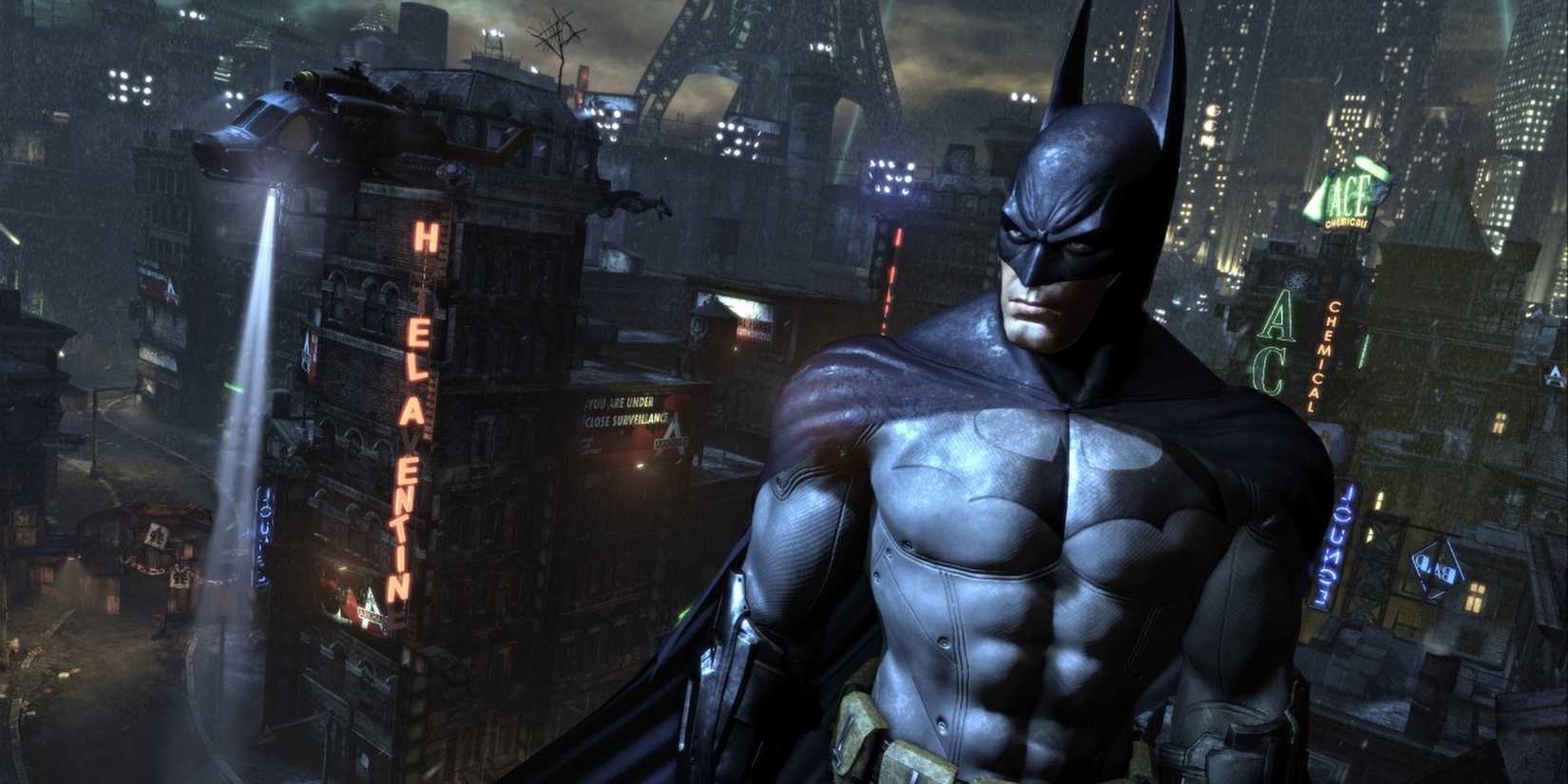
By 2011, the superhero genre saw its narrative peak with ‘Batman: Arkham City’. Written by veteran Paul Dini, the game avoided the pitfalls of "comic book camp" to deliver a dark, gritty noir. It culminated in one of the most daring endings in media history, permanently altering the status quo of the Batman-Joker relationship.
2012–2013: The Year of the Psychological Twist
The early 2010s saw a shift toward "subversive" writing. ‘Spec Ops: The Line’ (2012) took the template of a standard military shooter and used it to adapt Joseph Conrad’s Heart of Darkness. It remains the most potent critique of military interventionism in the medium, famously asking the player via a loading screen: "Do you feel like a hero yet?"

In 2013, the industry saw a triple-threat of narrative powerhouses. ‘The Stanley Parable’ introduced a snarky, fourth-wall-breaking narrator who reacted to every player whim, creating a hilarious yet unsettling meditation on free will. Simultaneously, Rockstar Games released ‘Grand Theft Auto V’, a massive satirical mirror of modern American culture. Finally, ‘BioShock Infinite’ closed the year with a mind-bending exploration of American Exceptionalism and quantum theory, proving that an FPS could handle themes as complex as those found in a Philip K. Dick novel.
2015–2016: Horror and Intimacy
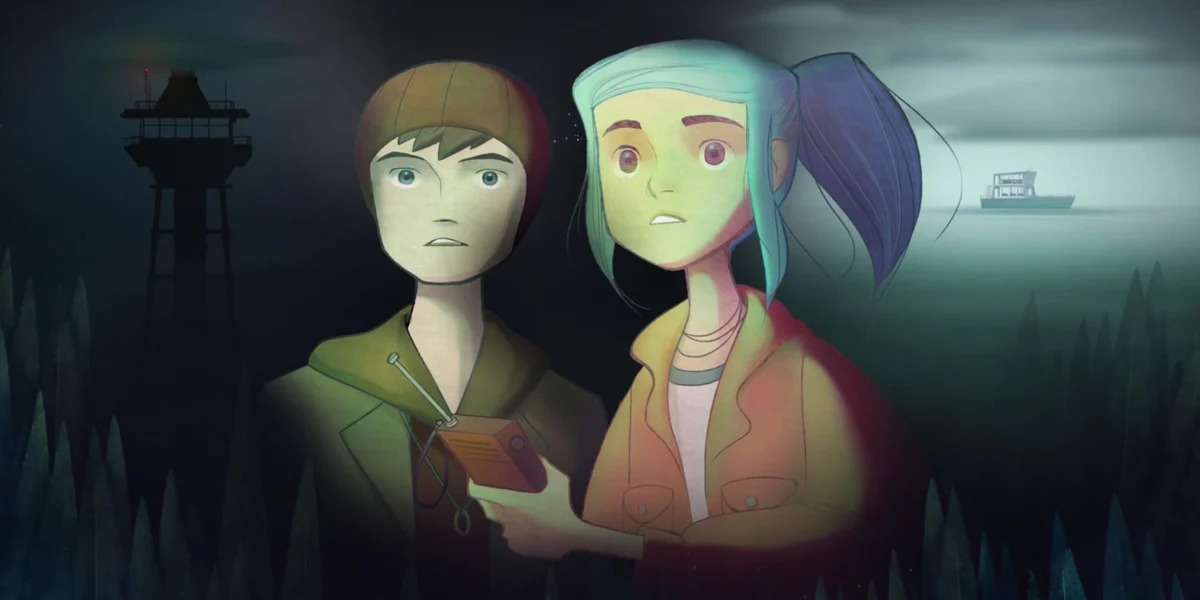
As the decade progressed, writers focused on more intimate, human stories. ‘Until Dawn’ (2015) utilized the "Butterfly Effect" to make every line of dialogue a potential death sentence for its cast. That same year, ‘SOMA’ moved away from traditional jumpscares to focus on the "Ship of Theseus" paradox, forcing players to question what actually constitutes a "soul" in a digital age. Finally, 2016’s ‘Oxenfree’ introduced a naturalistic dialogue system that captured the awkward, tragic, and hopeful essence of teenage life better than most young-adult novels.

Supporting Data: Critical Reception and Cultural Impact
The success of these titles is reflected in both their commercial performance and their critical accolades.
- Critical Aggregates: Games like Grand Theft Auto V and BioShock Infinite maintain Metacritic scores in the mid-90s, with "Writing" and "Story" cited as the primary reasons for their longevity.
- Awards Recognition: The Writers Guild of America (WGA) began recognizing video game writing in 2008. Titles like Arkham City and Spec Ops: The Line were instrumental in legitimizing games within these professional circles.
- Player Retention: Narrative-driven games have a unique "afterlife" in the form of video essays and fan theories. For example, SOMA and Metal Gear Solid 3 continue to be the subject of hour-long philosophical breakdowns on YouTube, a decade after their release, indicating a depth of script that persists long after the credits roll.
Official Responses: Insights from the Creators
The developers behind these masterpieces often cite a "narrative-first" philosophy.

BioWare (Dragon Age): The studio’s writers have frequently discussed their "companion-centric" approach. They believe that a player will forgive mediocre gameplay if they are deeply in love with (or deeply hate) the characters they are traveling with.
Frictional Games (SOMA): Thomas Grip, the creative director, has stated that the goal of SOMA was not to make the player jump, but to make them think. The script was rewritten multiple times to ensure that the ending didn’t just provide a "twist," but an inevitable logical conclusion to the game’s philosophical premise.
Rockstar Games (GTA V): Dan Houser, the primary writer for much of the GTA series, has often compared their writing process to a sprawling TV writers’ room. The goal was to create a "picaresque" narrative that felt both chaotic and meticulously structured.
Implications: The Future of Interactive Literature
The success of these perfectly written games has fundamentally changed the landscape of entertainment.

- The "Prestige" Pipeline: We are currently seeing a massive surge in high-budget adaptations of games. The success of HBO’s The Last of Us and Amazon’s Fallout is a direct result of the groundwork laid by the games on this list. Hollywood no longer views games as "toys" but as source material as rich as any novel.
- The Rise of Indie Narratives: The success of The Stanley Parable and Oxenfree proved that you don’t need a $100 million budget to tell a world-class story. This has paved the way for a new generation of "indie darlings" where the script is the primary selling point.
- Artificial Intelligence and Narrative: As we look toward the future, the next challenge for game writers is the integration of AI. Can a script maintain the "perfection" of a title like BioShock Infinite if the dialogue is being generated on the fly? Most critics argue that the human touch—the deliberate subversion and emotional nuance found in Metal Gear Solid—cannot be replicated by an algorithm.
Conclusion
Video games have moved beyond the "high score" era. They are now a medium of record, capable of tackling the human condition with as much grace and ferocity as any other art form. The titles listed above—from the sprawling halls of Arkham City to the claustrophobic depths of SOMA—stand as a testament to the power of the written word. They remind us that while the graphics will eventually age and the consoles will eventually break, a perfectly written story is immortal.