The Rise of the Spooky-Cozy Genre: An In-Depth Look at Fangtopia
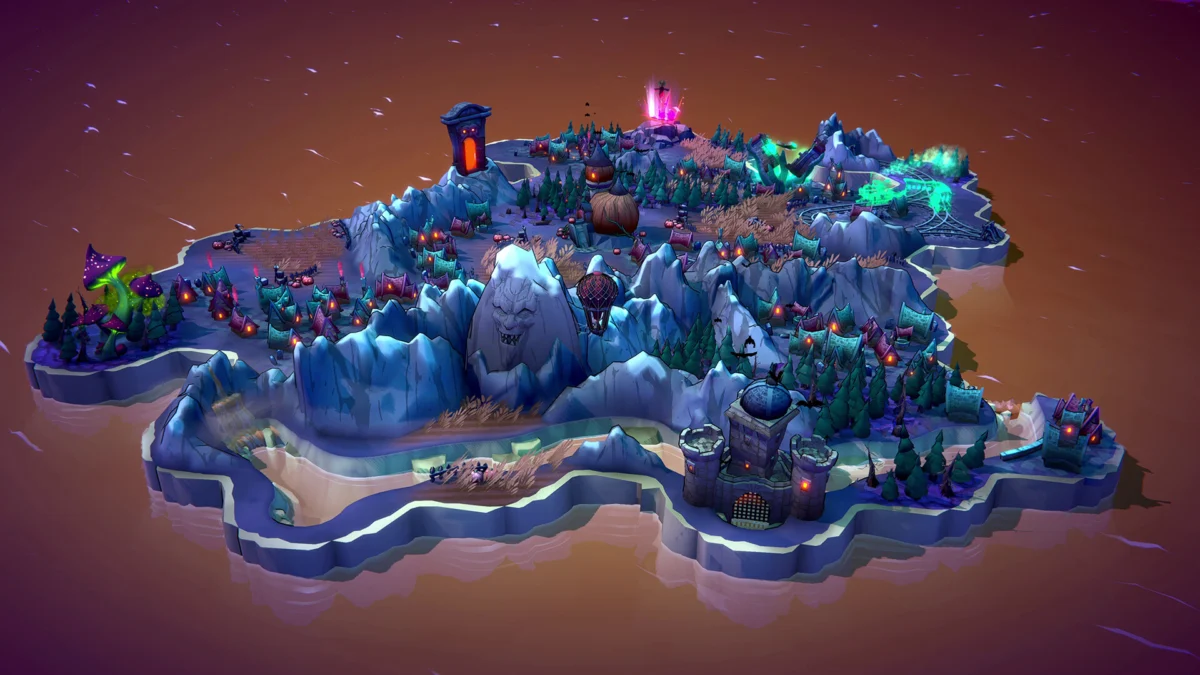
The landscape of independent gaming has undergone a significant transformation over the last decade, shifting from high-octane action and punishing difficulty toward experiences that prioritize atmosphere, relaxation, and creative expression. One of the most intriguing sub-genres to emerge from this movement is the "cozy-spooky" hybrid—games that utilize the aesthetics of horror and the supernatural but strip away the anxiety of traditional survival horror. Standing at the forefront of this trend is Fangtopia, a relaxing, hex-based puzzle game that invites players to construct a whimsical world populated by ghosts, ghouls, and monsters.
Recently showcased at the "Brilliant Indie Treasures" event, Fangtopia has garnered attention for its unique blend of tile-placement mechanics and a charmingly macabre visual style. As the title makes its way onto the Steam platform, it represents a growing demand for digital spaces where players can engage with the "Halloween aesthetic" year-round without the pressure of combat or time constraints.
Main Facts: A New Vision for Supernatural World-Building
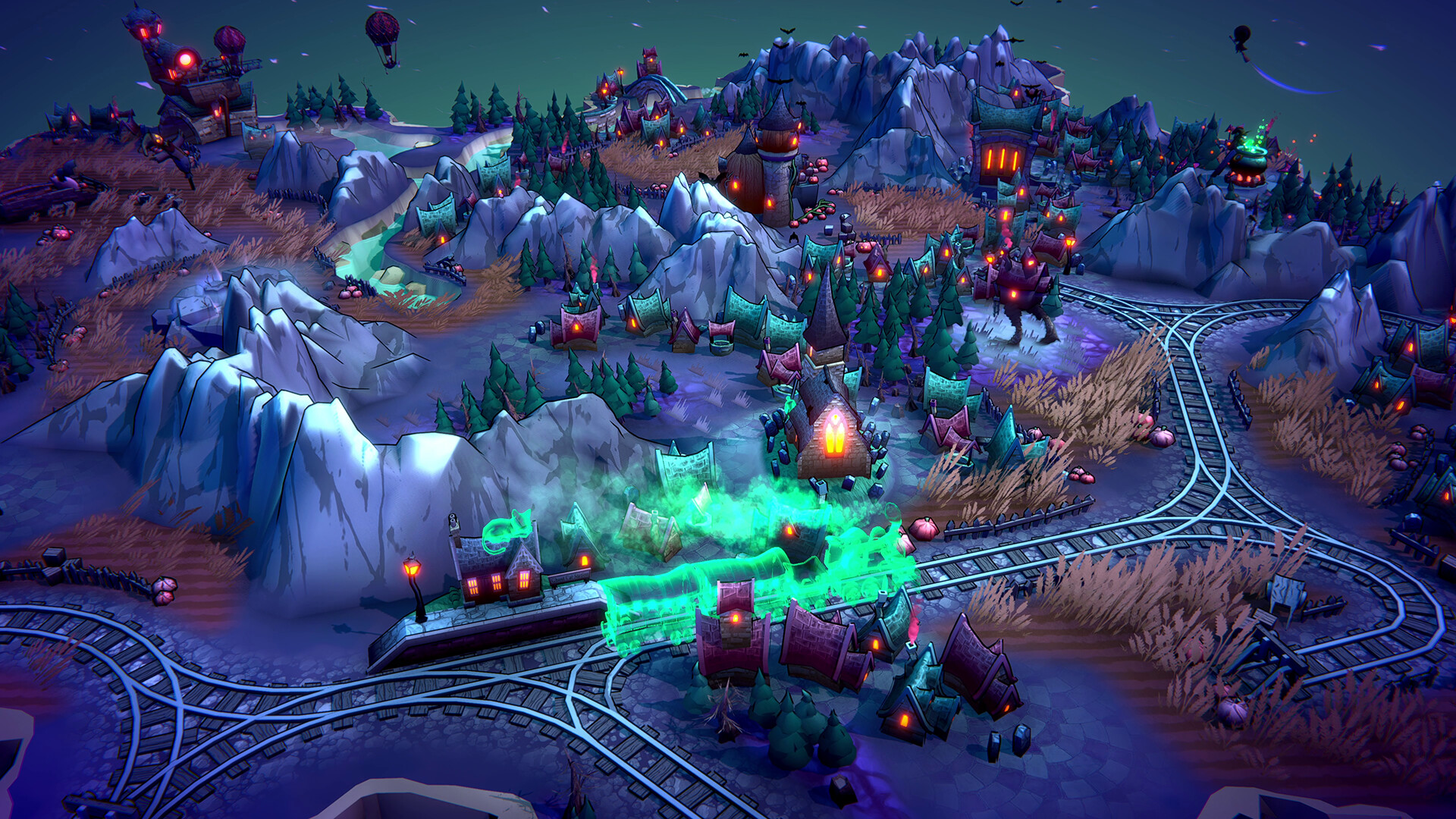
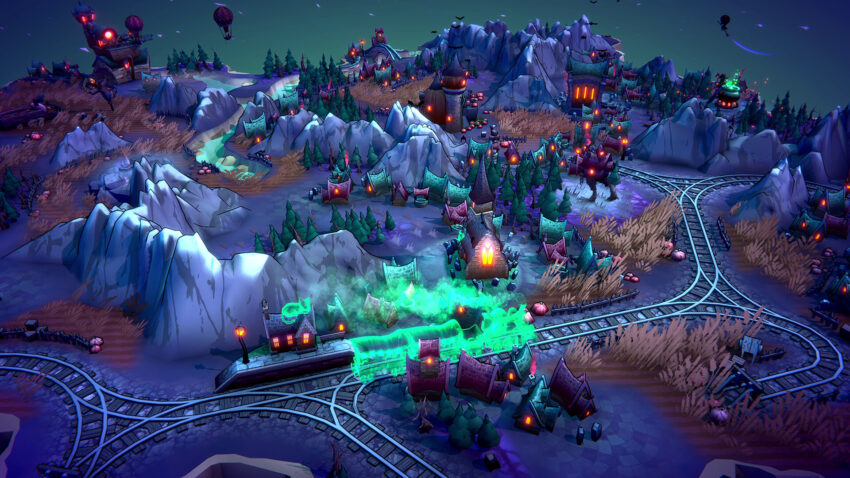
At its core, Fangtopia is a tile-placement puzzle game that emphasizes world-building over destruction. Players are tasked with populating an empty canvas with hexagonal tiles, each representing different environmental or architectural elements. By strategically placing these tiles, players create sprawling forests, bustling monster towns, and intricate transport networks.
The game’s primary mechanics revolve around synergy and optimization. For instance, placing tree tiles adjacent to one another creates larger forests, while grouping houses together forms the foundations of a town. These combinations are not merely cosmetic; they trigger "combos" that increase the player’s score and unlock further progression.
What distinguishes Fangtopia from its contemporaries, such as Dorfromantik, is its thematic commitment to the "spooky-cute" aesthetic. Rather than standard pastoral landscapes, players are managing territories for vampires, spirits, and other classic monsters. The goal is to make the land "welcoming" for these creatures, fulfilling specific objectives that draw new inhabitants into the world.
Chronology: From Concept to the "Brilliant Indie Treasures" Showcase
The development and public unveiling of Fangtopia have followed a trajectory common to successful indie titles, focusing on community engagement and demo-led growth.
- Initial Concept and Development: The developers sought to create a "low-stress" environment that utilized the satisfying tactile nature of hex-based puzzles. The decision to adopt a spooky theme was a deliberate choice to fill a niche in the "cozy game" market.
- The Steam Demo Launch: To gauge player interest, a demo was released on Steam. This allowed the developers to refine the tile-placement logic and ensure the "forgiving" nature of the game resonated with the target audience.
- Brilliant Indie Treasures Showcase: A pivotal moment for the title occurred during its feature at the "Brilliant Indie Treasures" event. This showcase, dedicated to highlighting innovative and aesthetically pleasing indie games, provided Fangtopia with a platform to reach a wider audience of enthusiasts and critics.
- Full Release Integration: Following the success of the demo and the positive reception at indie festivals, the game moved toward its full release on Steam, incorporating expanded modes like the "Island Mode" and the "Ghost Train" mechanics.
Supporting Data: Mechanics, Modes, and Gameplay Depth
While Fangtopia is designed to be accessible, it possesses a surprising amount of mechanical depth that rewards thoughtful placement. The game offers several distinct modes to cater to different playstyles:
1. Session-Based Variety
- Bite-Sized Sessions: Designed for players who may only have 15 to 20 minutes, this mode focuses on small-scale maps with immediate objectives.
- Large Island Building: For those seeking a more meditative experience, the large-scale mode allows for hours of expansion on a massive map, where the primary goal is the aesthetic evolution of the world.
2. The Archipelago and the Ghost Train
One of the most praised features of the game is the "Island Mode." In this configuration, the world consists of separate archipelagos. To connect these disparate landmasses, players must lay down "ghost train tracks." This adds a logistical layer to the puzzle, as players must plan their tile placement to accommodate the winding path of the spectral locomotive.
3. Objective-Based Progression
Unlike traditional "sandbox" games that can sometimes feel aimless, Fangtopia utilizes a "Choice System." Periodically, players are presented with two special tiles, each representing a different objective or challenge. By completing these challenges—such as linking a specific number of haunted houses to a forest—players earn rewards, including:
- New Inhabitants: Watching monsters move into the town.
- Animations: The world literally "comes to life" with ghosts wandering the streets or trees swaying with spectral energy.
- Stickers: A collection-based system that appeals to completionists and reinforces the game’s "cute" aesthetic.
4. Forgiving Design Philosophy
A key data point in the game’s design is the lack of a "Game Over" state in the traditional sense. The game is highly forgiving; even suboptimal tile placement does not result in a loss. Instead, it simply yields fewer points, allowing the player to continue building and adjusting their world at their own pace.
Official Responses and Developer Philosophy
While specific press releases from the developers emphasize the "relaxing" nature of the game, the overarching philosophy behind Fangtopia can be gathered from its presentation at Brilliant Indie Treasures. The developers have stated that the goal was to create a game that felt like "building a diorama."
In interviews and dev-logs, the creators have noted that the "spooky" theme was chosen not to frighten, but to provide a sense of comfort. "There is something inherently cozy about a rainy night in a haunted town," one developer noted during the demo launch. This sentiment is echoed in the game’s sound design—a mix of lo-fi beats and soft, supernatural ambient noises.
Critical response from the Brilliant Indie Treasures event was overwhelmingly positive. Reviewers highlighted the "satisfying click" of the hex tiles and the charm of the sticker system. The consensus among early adopters is that Fangtopia succeeds because it does not try to be an intense strategy game, but rather a digital "fidget toy" with meaningful progression.
Implications: The Future of "Cozy Horror" in the Indie Market
The emergence of Fangtopia has broader implications for the gaming industry, particularly concerning the diversification of the "Cozy Game" genre. Historically, cozy games have been synonymous with farming simulators (like Stardew Valley) or interior design (like Unpacking). However, Fangtopia proves that there is a significant market for "Cozy Horror."
1. Aesthetic Subversion
The success of this title suggests that players are increasingly interested in "subverting" traditional horror tropes. By taking monsters and ghosts and placing them in a peaceful, constructive context, developers are tapping into a cultural zeitgeist that finds comfort in the macabre. This is often linked to the "Dark Academia" or "Goth-Cozy" aesthetics popular on social media platforms like TikTok and Pinterest.
2. Accessibility in Gaming
Fangtopia’s lack of a timer and its forgiving placement system serve as a model for "accessible gaming." It removes the barriers of entry for non-gamers or those with high anxiety, focusing instead on the psychological rewards of organization and creation.
3. The "Dorfromantik" Influence
The game also highlights the lasting impact of Dorfromantik on the indie scene. By taking a proven mechanical loop (hex-tile placement) and applying a strong, specific theme (Fangtopia), developers are finding new ways to iterate on successful formulas without feeling like mere clones.
Conclusion: A Hauntingly Charming Addition to Steam
Fangtopia stands as a testament to the power of thematic cohesion in game design. By marrying the intellectual satisfaction of a puzzle game with the emotional comfort of a cozy world-builder, the developers have created an experience that is both engaging and restorative.
Whether players are looking for a quick "bite-sized" session to de-stress after work or a deep dive into the construction of a ghostly archipelago, Fangtopia offers a versatile and visually delightful playground. As it continues to gain traction on Steam, it is likely to become a staple for fans of the genre and a shining example of how the "spooky" side of life can be just as relaxing as a sunny farm.
For those interested in exploring this haunted realm, Fangtopia is currently available for purchase on Steam, offering an ever-growing world of monsters, stickers, and spectral trains.