Magic in the Mundane: How ‘Design and Conjure’ is Redefining the Cozy Unpacking Genre
The landscape of independent gaming has undergone a seismic shift over the last five years. Where once the industry was dominated by high-octane shooters and punishing "Souls-like" challenges, a new sub-genre has emerged to claim a significant share of the market: the "Cozy Game." Characterized by low-stress environments, aesthetic satisfaction, and a lack of traditional fail states, these games prioritize the player’s emotional well-being. Standing at the forefront of this movement is Design and Conjure, an upcoming title that blends the meticulous satisfaction of organization with the whimsical charm of the occult.
Currently in development with a target release window of August 2026, Design and Conjure invites players into the life of a recent graduate from a prestigious sorcerous academy. The premise is deceptively simple: you have returned home, and it is time to unpack. However, beneath its charming exterior lies a sophisticated puzzle-design engine that seeks to push the boundaries of the "unpacking" sub-genre through deep customization and narrative-driven environmental storytelling.
Main Facts: A New Vision for Sorcerous Interior Design
Design and Conjure is fundamentally a light puzzle game centered on the themes of organization, customization, and personal transition. While it draws obvious inspiration from the 2021 hit Unpacking, it introduces several proprietary mechanics that distinguish it from its predecessors.
The Core Gameplay Loop
The game functions as a series of room-based puzzles. Players are presented with cluttered spaces or boxes filled with magical artifacts, mundane household items, and scholarly supplies. The objective is to find a "home" for every object. Unlike more rigid puzzle games, Design and Conjure offers a high degree of spatial freedom, allowing players to rotate items and stack them in ways that feel natural to their personal organizational style.
Deep Customization Mechanics
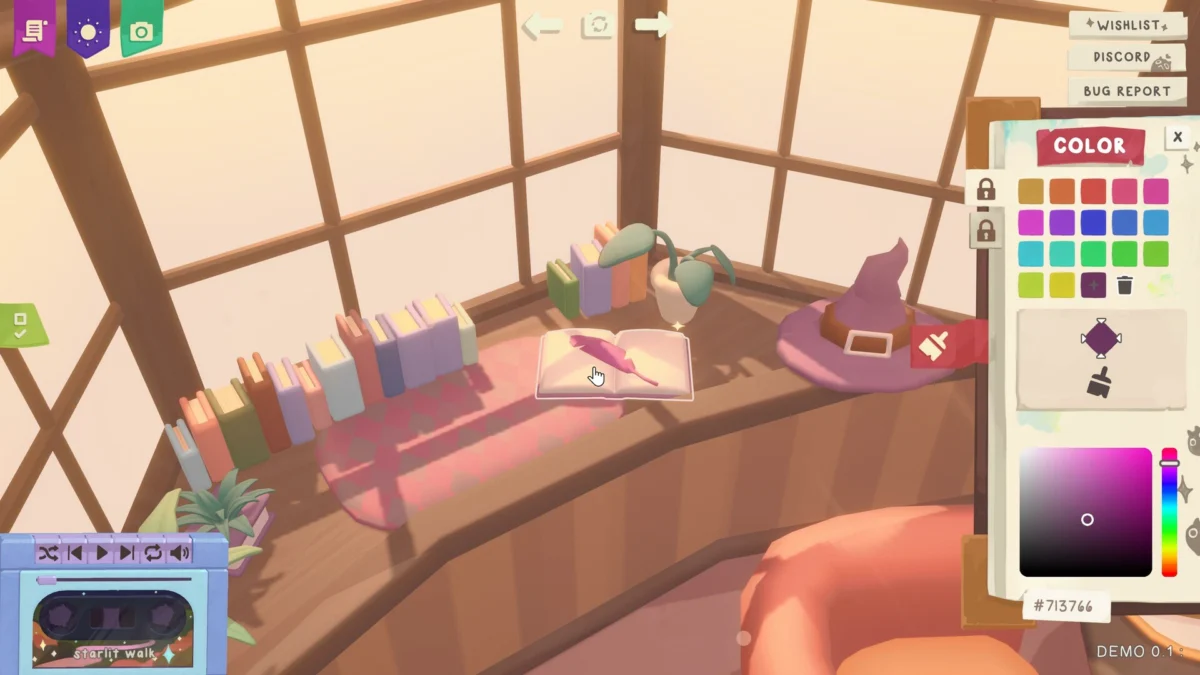
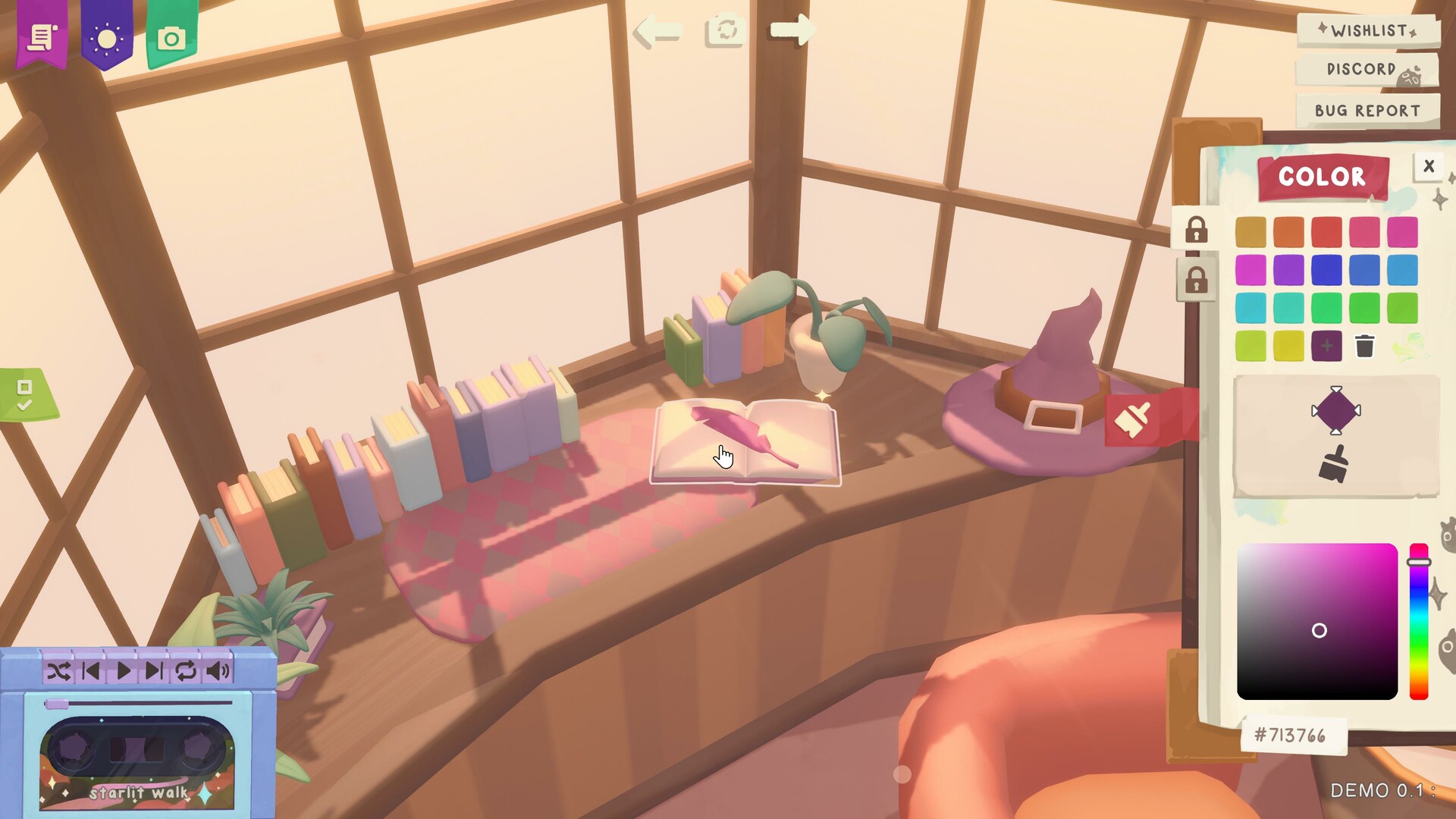
The standout feature of Design and Conjure—and a significant evolution for the genre—is the ability to customize the aesthetic properties of the items themselves. In many organizational games, an item’s appearance is fixed. In this title, players can alter the colors and styles of various objects, ensuring that the final room reflects a specific "vibe" or color palette. This shifts the game from a simple "put away the groceries" simulator into a genuine interior design tool.
Narrative Context
The player assumes the role of a witch who has just completed her higher sorcerous education. This narrative framing provides a sense of purpose to the gameplay; you aren’t just moving into a house; you are "conjuring" a new life. Each item unpacked serves as a piece of world-building, hinting at the protagonist’s time at school, her family history, and her aspirations for the future.
Chronology: From Academic Graduation to August 2026
The development and narrative timeline of Design and Conjure follows a structured path that mirrors the protagonist’s own journey of growth.
The Narrative Timeline
- The Graduation: The story begins immediately following the protagonist’s departure from a sorcerous university. This is a period of transition, marked by the physical manifestation of her past (the boxes of items) and the empty canvas of her future (the new rooms).
- The Homecoming: The player arrives at their new residence. This serves as the tutorial phase, where the mechanics of unpacking and basic placement are introduced.
- The Journey of Self-Discovery: As the player progresses through different rooms—ranging from bedrooms to potion laboratories—the difficulty of the organizational puzzles increases. The narrative unfolds through dialogue with "Cosmo," the player’s cat familiar, and through the items discovered in the bottom of dusty crates.
The Development Timeline
- Initial Concept and Prototyping: The project began as an exploration of how to make "organization" feel magical. The developers focused on the tactile feel of moving objects and the auditory satisfaction of "clicking" an item into place.
- Demo Launch: A playable demo was recently released on Steam, allowing the community to experience the first few levels. This demo has served as a vital tool for gathering player feedback on UI/UX and the customization engine.
- August 2026 Target: The full version of Design and Conjure is slated for a late summer 2026 release. The extended development window suggests a commitment to "polishing" the experience—a crucial factor in the cozy gaming market where visual and auditory "juice" (the satisfying feedback of game actions) is paramount.
Supporting Data: The Mechanics of "Cozy" Puzzling
To understand why Design and Conjure is generating buzz within the indie community, one must look at the specific data points of its design philosophy.
The "No-Timer" Philosophy
Market research into the cozy genre shows that the presence of a countdown timer or a "Game Over" screen significantly reduces player retention among the target demographic. Design and Conjure explicitly removes these stressors. There is no rush, and there are no "wrong" ways to decorate, provided the basic requirements of the level are met.
Requirement Lists and Constraints
While the game offers freedom, it is still a puzzle game. Each level comes with a set of "requirements." These might include:
- Functional Placement: Ensuring books are on shelves or potions are near the cauldron.
- Discovery Tasks: Finding hidden items within the clutter.
- Specific Aesthetics: Placing a certain number of items of a specific color or type to satisfy the "conjuring" aspect of the room.
The UI as an Aesthetic Choice
The user interface (UI) in Design and Conjure is designed to be diegetic—meaning it exists within the world of the game. A primary example is the cassette player at the bottom of the screen. Rather than a standard settings menu, players interact with this cassette player to control the background music. This reinforces the "lo-fi" aesthetic that has become synonymous with the cozy gaming movement.
Official Responses and Developer Intent
While the developers remain a small, focused team, their design choices speak volumes about their intent to cater to a specific niche of the gaming market. In promotional materials and developer logs associated with the Steam demo, several key pillars of the game’s philosophy have been highlighted.
The Importance of the "Familiar"
The inclusion of Cosmo the cat is not merely cosmetic. The developers have noted that the "familiar" serves as the player’s primary emotional anchor. In a game that is largely solitary—focused on the act of cleaning and arranging—Cosmo provides the "social" element. Early feedback from the demo has prompted the developers to look into expanding Cosmo’s character assets, ensuring his in-game presence matches the charm of his dialogue portraits.
Customization as Player Agency
The decision to include color-changing mechanics was a direct response to the limitations felt in other "unpacking" titles. The developers stated that they wanted to move away from the idea that there is one "perfect" spot for an item. By allowing players to change the color of a lamp or a rug, the game acknowledges that "organization" is a subjective, creative act rather than a clinical one.
Technical Optimization
The developers have emphasized that despite the "light" nature of the puzzles, the physics engine required significant work. Ensuring that items do not "glitch" through furniture and that the rotation mechanics feel intuitive was a primary goal during the alpha phase of development.
Implications: The Future of Stress-Free Gaming
The emergence of Design and Conjure carries broader implications for the video game industry and the way we consume digital media.
The "Cozy-fication" of Traditional Genres
We are seeing a trend where traditionally complex or high-stakes genres are being stripped of their stress. Design and Conjure takes the "inventory management" mechanic—often the most tedious part of an RPG—and turns it into the entire game. This suggests a growing market of players who view gaming as a form of meditation or digital "nesting."
Aesthetic as Gameplay
In Design and Conjure, how a room looks is just as important as where the items are placed. This elevates "aesthetic" to a core gameplay mechanic. As social media platforms like Instagram and TikTok continue to prioritize "room tours" and "setup aesthetics," games that allow players to simulate these environments are likely to see increased viral potential.
The "Witchy" Aesthetic and Cultural Resonance
There is a significant cultural overlap between the cozy gaming community and the "modern witchcraft" aesthetic (often referred to as "Witchcore"). By centering the game on a sorcerous graduate, the developers are tapping into a powerful visual language of crystals, herbs, old books, and celestial motifs. This thematic choice ensures the game has a built-in audience before it even hits the shelves.
Conclusion: A Magical Transition
Design and Conjure represents the next logical step in the evolution of the cozy puzzle genre. By taking the proven "unpacking" formula and injecting it with deep customization, a charming narrative, and a stress-free environment, it offers a compelling argument for the value of "slow gaming."
As we move toward the August 2026 release, the game stands as a testament to the idea that games do not need to be difficult to be rewarding. Sometimes, the greatest magic isn’t found in casting a fireball or defeating a dragon, but in the simple, quiet act of finding the perfect place for a favorite book on a new shelf. For those looking to escape the chaos of the real world, Design and Conjure promises a sanctuary built one box at a time.