The Full-Body Revolution: FitXR Enhances VR Fitness with Advanced Knee Strike Mechanics and Personalized Training Journeys
Introduction
In the rapidly evolving landscape of virtual reality fitness, the quest for "true" full-body engagement has long been the industry’s "holy grail." While VR headsets and controllers have mastered the art of tracking upper-body movements—punches, blocks, and reaches—the lower body has often remained a digital ghost, relegated to static positions or simple lateral movements. FitXR, one of the leading pioneers in the Meta Quest fitness ecosystem, has officially taken a significant step toward bridging this gap.
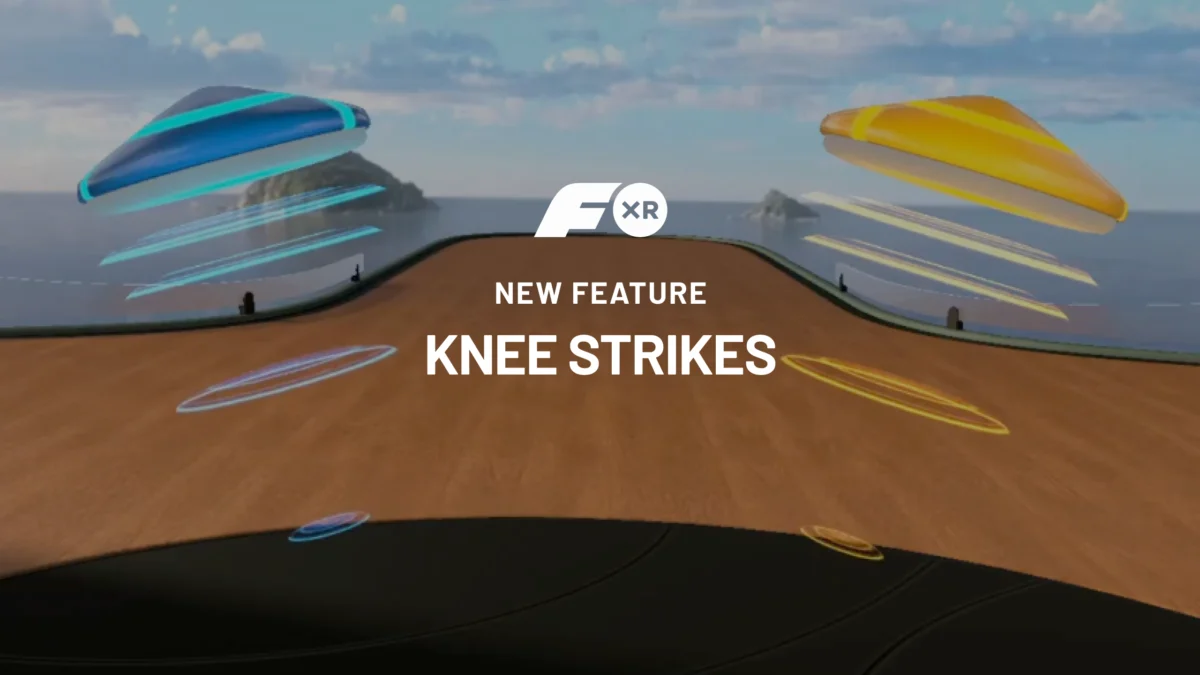
With its latest update, FitXR has introduced knee strikes to its "Combat" and "Flow" studios. This addition represents more than just a new animation; it is a sophisticated integration of biomechanics and software engineering designed to turn the Meta Quest into a more comprehensive workout tool. By incorporating these movements, FitXR aims to enhance lower-body coordination, deepen core engagement, and provide its martial arts-inspired workouts with a more authentic, full-body identity.
Main Facts: A Dual-Studio Expansion
The introduction of knee strikes is strategically split across two of FitXR’s most popular environments: the rhythm-based "Flow" studio and the high-intensity "Combat" studio. Each implementation serves a distinct physiological and gameplay purpose.
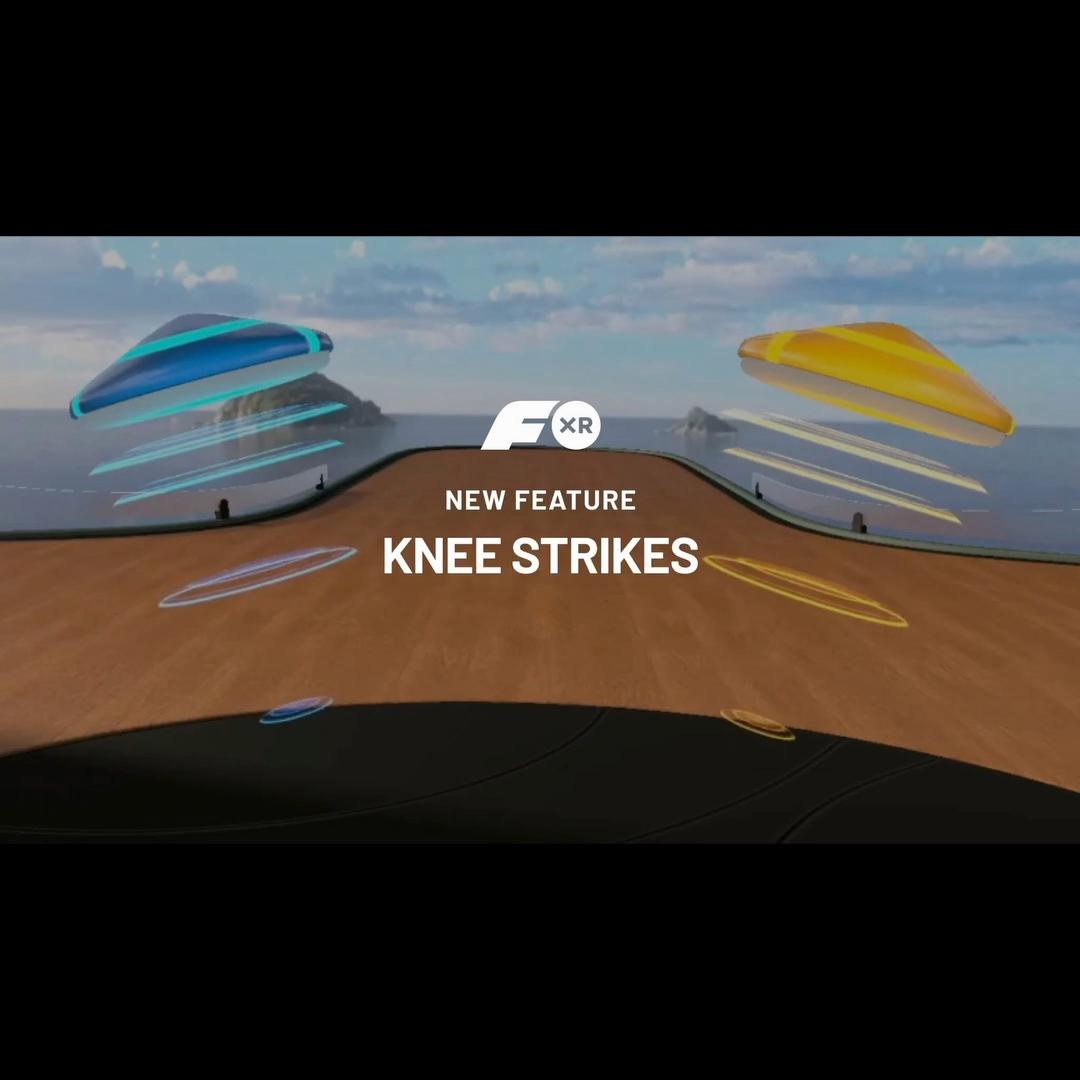
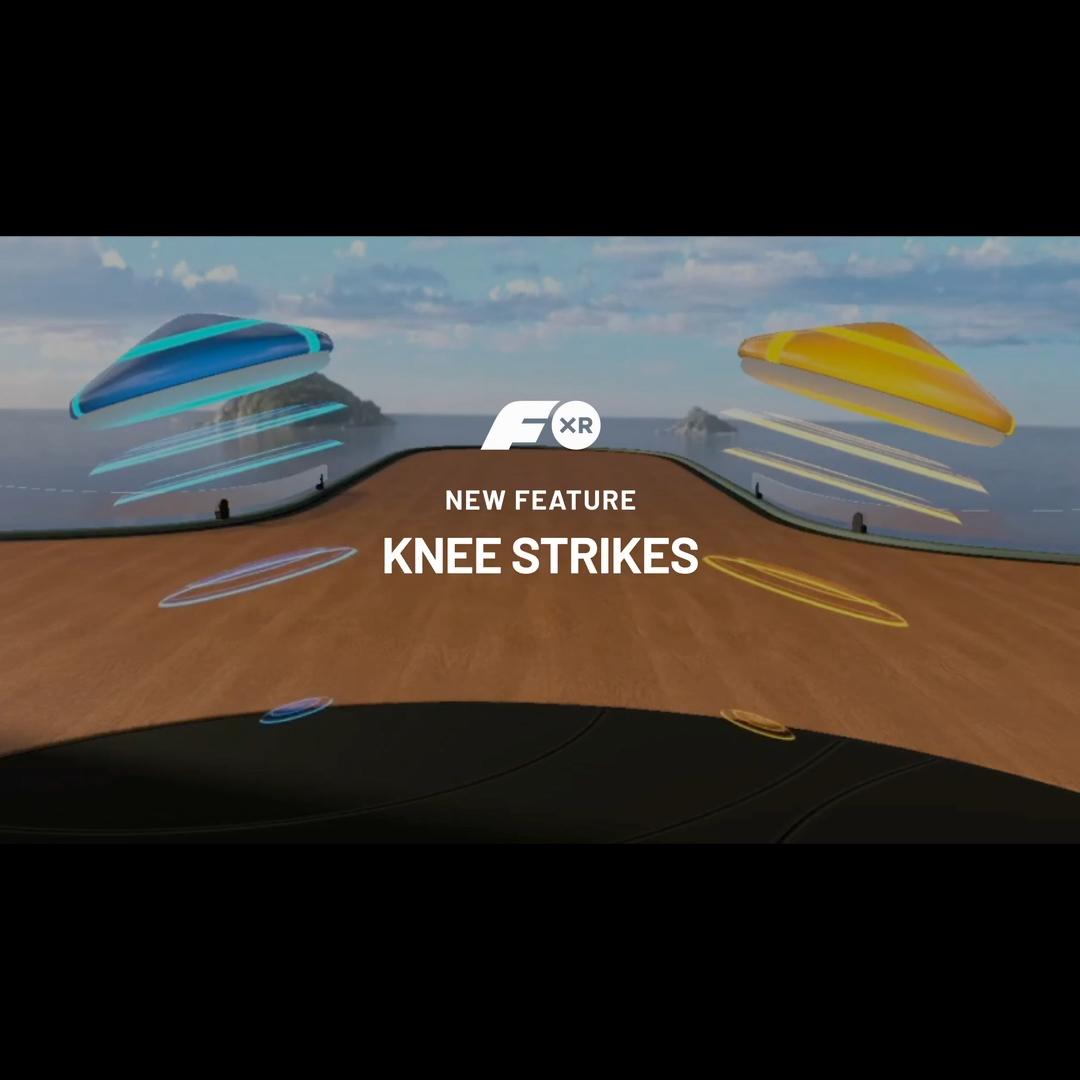
In the Flow Studio, the knee strike is integrated as a standalone, rhythmic movement. Designed to complement the studio’s existing choreography of lunges and strikes, the Flow version of the knee strike emphasizes balance and fluid transitions. It requires the user to shift their weight onto a single supporting leg while driving the opposite knee upward, a movement that necessitates significant core stability and "active" balance.
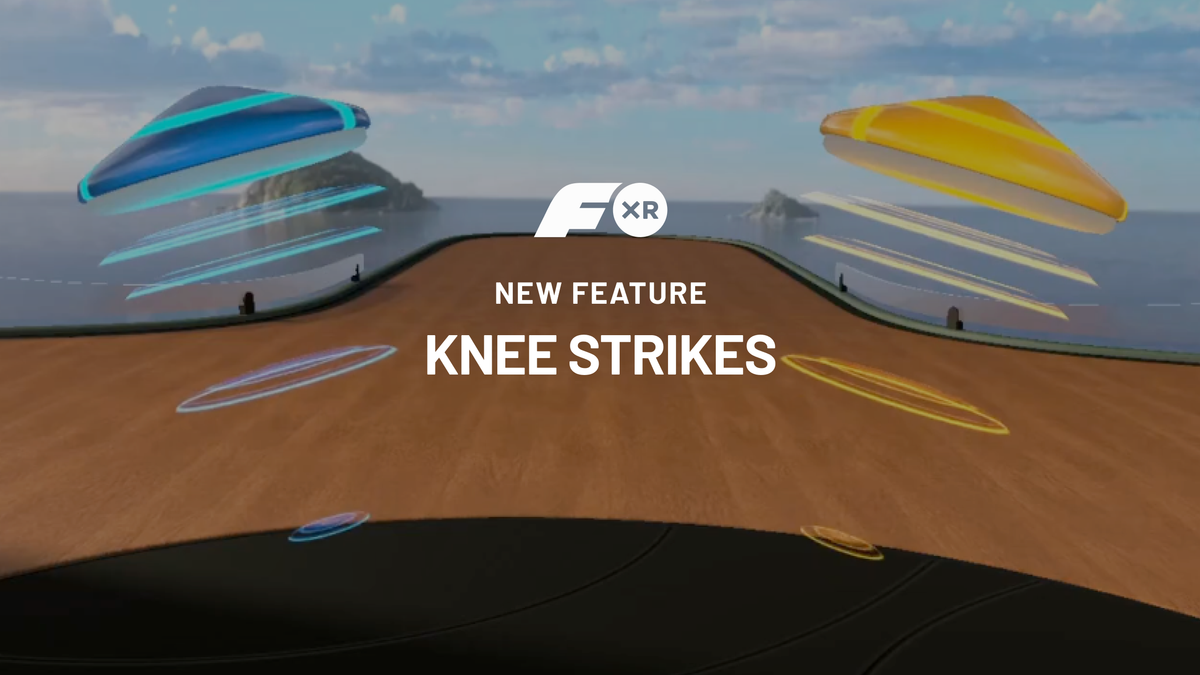
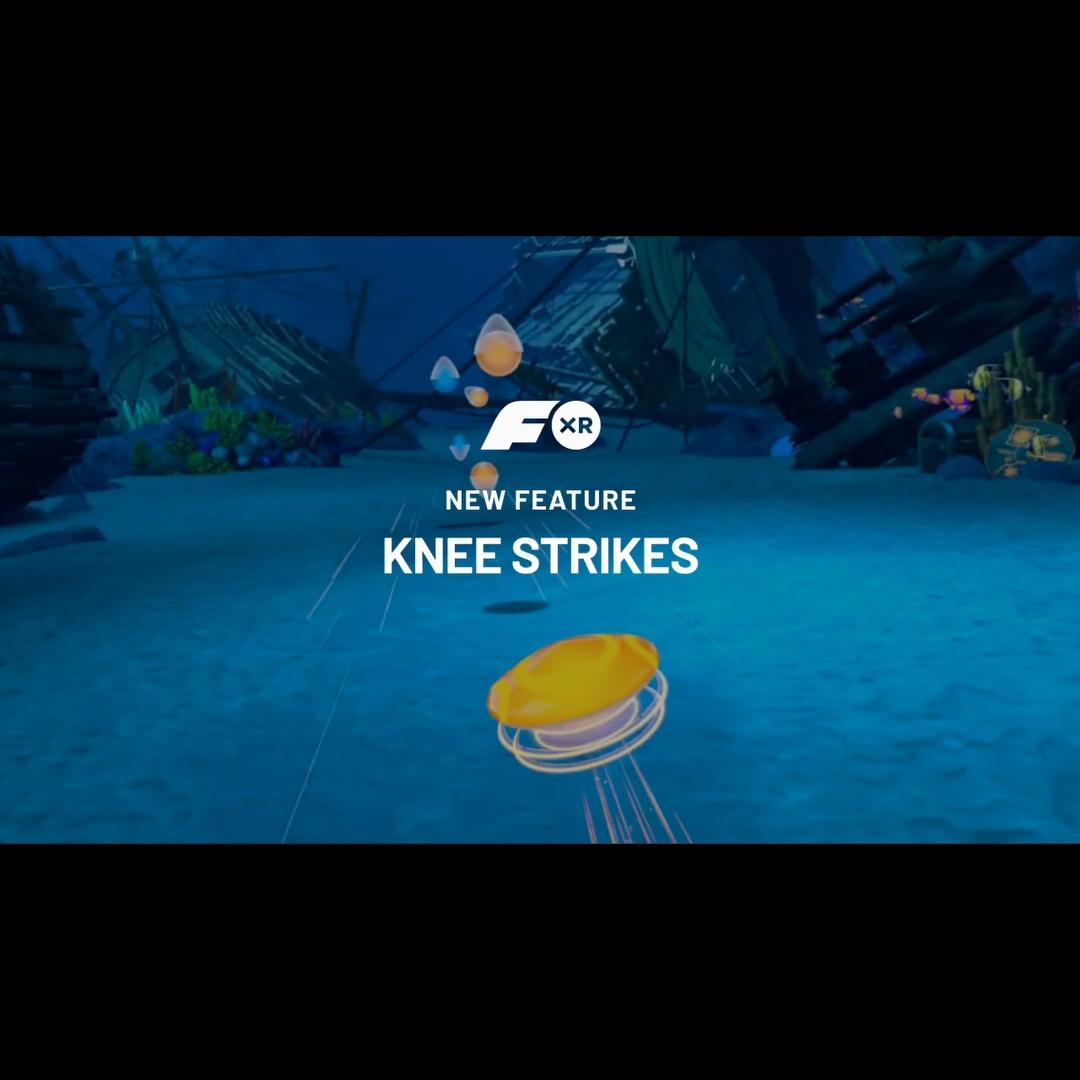
In the Combat Studio, the update introduces two variations: the standalone knee strike and the more aggressive "Grab-to-Knee" movement. The latter is a complex, multi-stage interaction. As an overhead target approaches, the user must reach up with both hands to "grab" the object, then forcefully pull it downward while simultaneously driving their knee upward to meet it. This movement mimics traditional Muay Thai and Mixed Martial Arts (MMA) clinching techniques, providing a visceral sense of impact that was previously missing from the platform.
FitXR’s objective with these additions is twofold: to increase the caloric burn by engaging the large muscle groups of the lower body and to solidify the "Combat" studio’s reputation as a legitimate martial arts simulator rather than a simple boxing rhythm game.
Chronology: The Evolution of the FitXR Ecosystem
To understand the significance of the knee strike update, one must look at the trajectory of FitXR. Originally launched as BoxVR, the application was initially focused solely on boxing-inspired cardio. However, as the VR fitness market matured, the developers recognized that a "one size fits all" approach to exercise would not sustain long-term user retention.
Over the last three years, FitXR has undergone a massive expansion, rebranding itself as a "virtual fitness club" with eight distinct studios:
- Box: Traditional pugilistic cardio.
- Combat: Martial arts-inspired striking.
- Flow: Rhythm and movement-based low-impact exercise.
- HIIT: High-Intensity Interval Training for maximum exertion.
- Dance: Choreographed cardio.
- Zumba: The official VR implementation of the global fitness brand.
- Sculpt: Strength and toning-focused movements.
- Slam: A gamified, reactive workout.
The introduction of knee strikes marks the latest chapter in this evolution. It follows the recent implementation of "Journey," a structured training plan designed to guide users through progressive difficulty levels. The knee strike update is not an isolated feature but a building block in FitXR’s long-term strategy to provide a professional-grade fitness experience that rivals physical gyms.
Supporting Data: The Engineering Behind the "Ghost" Limb
The most significant technical hurdle for FitXR was a hardware limitation: the Meta Quest 2 and Quest 3 do not have leg-tracking sensors. To overcome this, FitXR’s engineering team developed a sophisticated "proxy tracking" system.
The Physics of the Center of Mass
The system does not track the knee directly. Instead, it analyzes the movement of the headset (HMD) to infer lower-body activity. When a human raises a knee with force, there is a predictable shift in the body’s center of mass. This creates a subtle but detectable physical displacement in the head’s position, characterized by a specific velocity and directional vector.
The "Three-Way Handshake"
For the "Grab-to-Knee" movement, FitXR utilizes what they describe as a "three-way handshake" to ensure accuracy:
- Hand Contact: The controllers must detect a successful "grab" on the target at the correct height.
- Target Trajectory: The system tracks the downward pull of the hands toward the waist.
- Headset Evidence: The HMD must register the specific upward and slightly backward shift associated with a knee drive.
If these three data points align within a specific temporal window, the strike is registered as a success. This multi-layered verification prevents "cheating" (e.g., just moving the hands) and ensures the user is actually performing the physical labor required for the exercise.
Haptic and Auditory Feedback
To compensate for the lack of physical impact, FitXR utilizes high-fidelity haptic feedback through the Quest controllers. When the "Grab-to-Knee" is executed, the controllers vibrate at a frequency that mimics the sensation of a physical collision. This is paired with localized audio cues—the sound of a heavy impact—which trick the brain into perceiving a "solid" hit, a psychological phenomenon known as cross-modal perception.
Official Responses: Design Philosophy and User Control
FitXR’s design team has been vocal about their philosophy regarding "judgment" versus "encouragement." In their official documentation, the company notes that the system is intentionally tolerant of minor variations in form.
"Our priority was recognizing legitimate movement rather than trying to turn the game into a strict judge of a player’s form," a company spokesperson stated. This approach acknowledges that VR users have varying levels of mobility and space. By focusing on the intent and the rhythmic accuracy of the movement, FitXR keeps the "flow state" intact, preventing the frustration that often arises from overly sensitive tracking systems.
Furthermore, FitXR is addressing user feedback regarding workout autonomy. Alongside the knee strike update, they have introduced Checkpoint Editing for the Journey mode. Previously, the Journey training plans were relatively rigid. Now, at every checkpoint, users can manually edit their studio preferences.
"If a user discovers they have a passion for Box and Combat but finds Dance less appealing, they can now tailor their future Journey path to reflect those preferences," the developers explained. This shift toward personalization suggests that FitXR is moving away from a prescriptive model and toward a "coaching" model that respects individual fitness goals.
Implications: The Future of VR Biomechanics
The successful implementation of knee strikes without dedicated hardware trackers has significant implications for the future of the VR industry.
1. Lowering the Barrier to Entry
By using software to solve hardware limitations, FitXR is proving that "full-body" fitness is possible on consumer-grade standalone headsets. This removes the need for expensive peripheral trackers (like those used in the Vive ecosystem), making high-quality fitness accessible to a broader demographic.
2. Competitive Pressure
FitXR is not alone in this space. Les Mills XR Bodycombat has previously utilized similar "grab-and-knee" mechanics. The fact that FitXR is now adopting and refining these movements indicates a "feature war" in the VR fitness sector. As these apps compete, the end-user benefits from increasingly sophisticated and medically sound workout routines.
3. The Shift Toward "Athletic Identity"
The move from "gaming" to "martial arts identity" is a crucial branding shift. As VR fitness apps become more realistic, they begin to attract a different caliber of user—not just gamers looking to sweat, but athletes looking for supplemental training. The inclusion of Muay Thai-style knee strikes elevates the "Combat" studio from a cardio-boxer to a more holistic striking simulator.
4. Data-Driven Health
With the ability to track "center of mass" shifts and core engagement, FitXR is sitting on a goldmine of biomechanical data. Future iterations could potentially offer "form coaching," where the AI detects if a user is leaning too far back or failing to engage their core properly, providing real-time corrections to prevent injury.
Conclusion
FitXR’s addition of knee strikes is a masterclass in how software can transcend the limitations of hardware. By turning the headset into a proxy for the entire body, FitXR has expanded the vocabulary of VR fitness, offering a more grueling, satisfying, and biomechanically complete workout.
As the platform continues to refine its "Journey" personalization and expand its studio offerings, it is carving out a permanent niche in the home fitness market. For the Quest user, the message is clear: the days of just "using your hands" are over. In the new era of VR fitness, your entire body—from your core to your knees—is part of the game.