The High-Stakes Spectacle of Speed: ‘Showrunners’ Redefines the Extreme Sports Genre
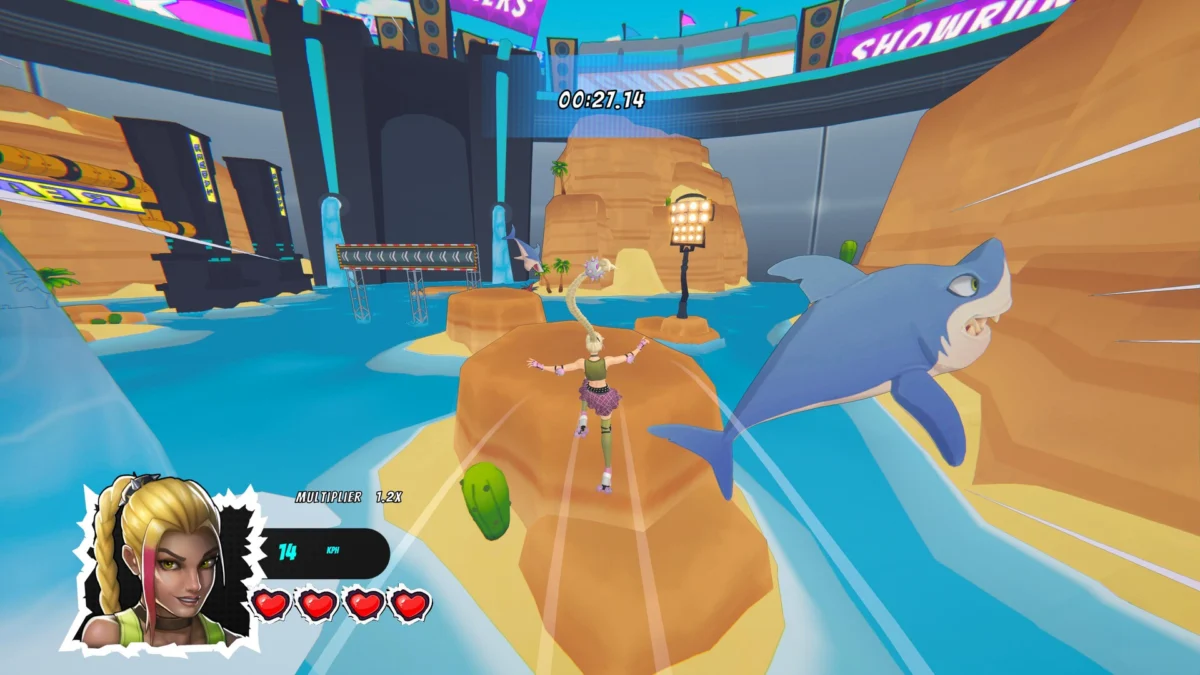
The indie gaming landscape is currently witnessing a resurgence of high-momentum, precision-based movement games. At the forefront of this movement is Showrunners, a fast-paced, speed-running roller-skating title that recently made waves during its showcase at the "Brilliant Indie Treasures" event. Combining the aesthetic flair of classic arcade skaters with the punishing precision of modern speed-running platformers, Showrunners positions itself as a competitive, narrative-driven experience that prioritizes "flow state" and spectator-friendly gameplay.
As the industry moves away from the sprawling open-world fatigue of the late 2010s, tight, mechanics-focused titles like Showrunners are finding a dedicated audience. The game challenges players not only to survive its intricate, multi-layered tracks but to do so with the style and speed necessary to dominate global leaderboards.
Main Facts: A New Contender in Momentum-Based Racing
Showrunners is fundamentally a game about mastery. Set in a world where high-speed racing is the primary form of mass entertainment, players take on the role of a "Showrunner"—a professional skater tasked with navigating treacherous courses while performing stunts for a live, unseen audience.
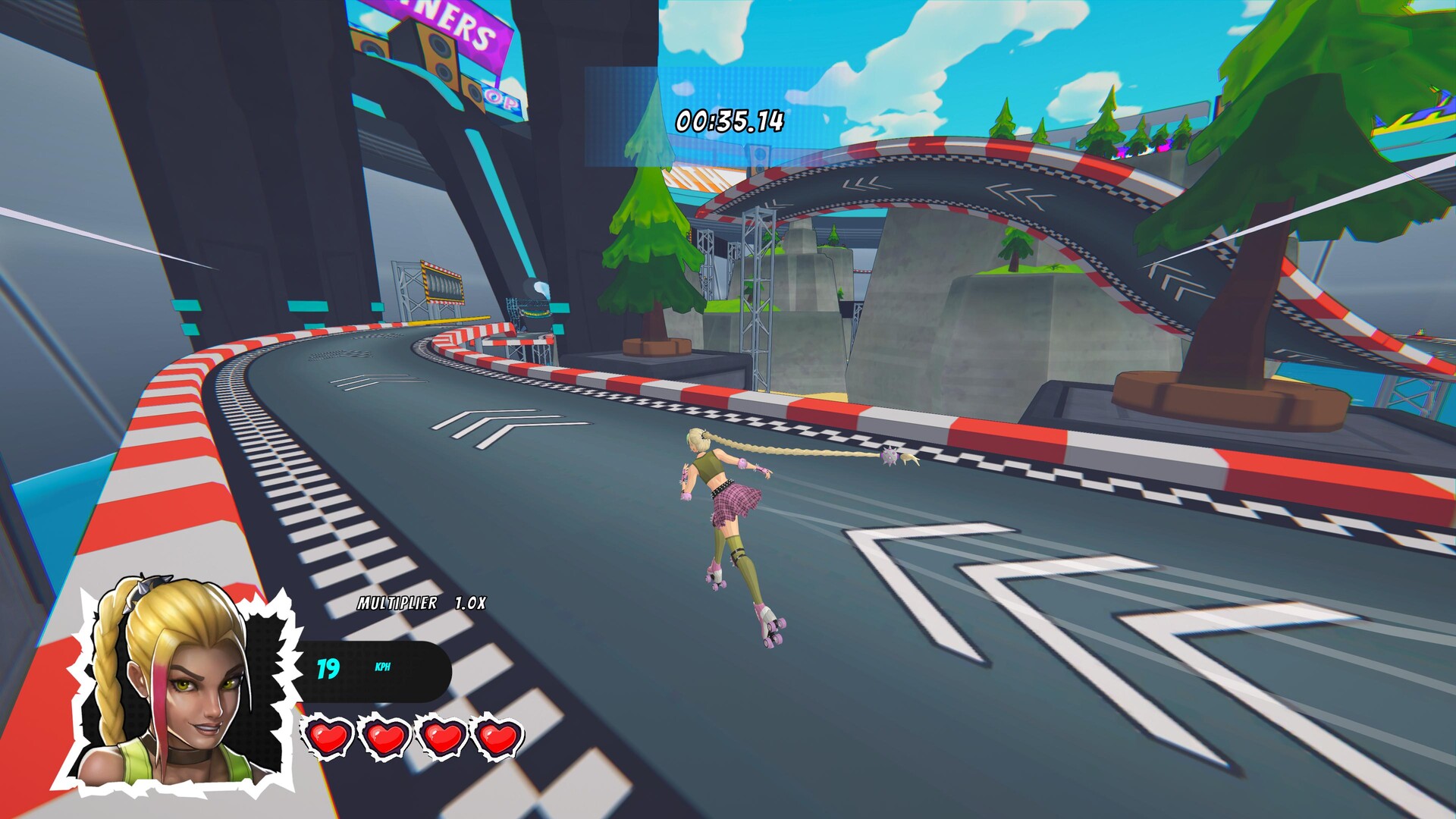
The core gameplay loop revolves around three pillars: Speed, Style, and Strategy. Unlike traditional racing games where the path is often linear, Showrunners utilizes verticality and environmental geometry to encourage creative routing. Players must transition seamlessly between traditional roads, half-pipes, and side walls, maintaining momentum through a series of gravity-defying tricks and well-timed jumps.
The game’s presentation is centered on the concept of "Performance for Entertainment." This isn’t a race against AI opponents in the traditional sense; it is a race against the clock and the limitations of the player’s own mechanical skill. To enhance the "spectacle" aspect, the game features a robust customization system, allowing players to swap outfits and modify their appearance to better suit the theatrical nature of the in-game broadcasts.
Chronology: From Concept to the ‘Brilliant Indie Treasures’ Debut
The development of Showrunners follows a trajectory common among successful indie projects—a focus on a "feel-first" prototype that eventually expanded into a full-scale production.
- Early Development and Mechanics Prototyping: The project began with the goal of capturing the "perfect" movement physics. The developers focused on the friction and acceleration curves of roller skating, aiming to differentiate the feel from the more common skateboarding or parkour mechanics found in the genre.
- The Narrative Integration: Once the movement felt fluid, the "Showrunner" narrative was established. The idea of a televised, high-stakes competition provided the perfect excuse for the game’s increasingly surreal level design and eccentric character roster.
- Steam Page Launch: The game recently established its presence on Steam, allowing the community to begin tracking its progress. This coincided with the release of the official trailer, which showcased the game’s high-octane transitions and "Shark" obstacle—a hint at the environmental hazards players can expect.
- Brilliant Indie Treasures Showcase: The most significant milestone to date was the inclusion of Showrunners in the "Brilliant Indie Treasures" showcase. This event allowed press and players to experience a hands-on demo, confirming the game’s technical stability and the efficacy of its "die-and-retry" level design philosophy.
- Current Status: The game is currently in active development, with a focus on refining the leaderboard systems and expanding the number of playable tracks. It is currently available for wishlisting on Steam, with a release window expected to be announced following further playtesting phases.
Supporting Data: Mechanics, Movement, and the Mastery Curve
The technical execution of Showrunners is what sets it apart from its contemporaries. Based on hands-on impressions and technical previews, several key systems define the experience:
The Momentum Engine
In Showrunners, momentum is a resource. Players do not simply hold a "forward" button; they must earn their speed. By correctly timing transitions from pipes to walls, players can build up a "flow" that allows them to bypass sections of the track. However, this speed comes with a trade-off in control. The faster a player moves, the more difficult it becomes to adjust for upcoming obstacles, creating a high-risk, high-reward tension.
Level Design and the "Trial-and-Error" Philosophy
The tracks in Showrunners are not immediately intuitive. Journalists and playtesters have noted that the game requires a certain degree of "learning through failure." It is common for a player to miss a jump or lose their orientation on a first run.
- Respawn Mechanics: The game features a rapid respawn system, acknowledging that death is a part of the optimization process.
- Shortcuts: Each track is littered with hidden paths that are only accessible to players who have mastered specific trick combinations or have reached a certain velocity threshold.
The "Big Jump" Controversy and Resolution
One of the most discussed aspects of the physics engine is the jump height. Early playtesters noted that the jump felt "a little bit big" or floaty. However, the developers have maintained that this verticality is a necessity. The exaggerated jump allows players to latch onto overhead bars and high-altitude rails, which are essential for maintaining speed over gaps. This design choice highlights the game’s shift away from realism toward "arcade precision."
Input Fidelity
While the game supports keyboard and mouse, the consensus among the development team and early testers is that a controller is the optimal way to play. The analog sticks provide the granular control necessary for "carving" through pipes and making the micro-adjustments required to stay on narrow tracks at high speeds.
Official Responses and Narrative Context
The narrative of Showrunners is more than just window dressing; it serves as a framework for the game’s progression. The developers have introduced several "strange characters" who act as commentators, rivals, or organizers within the game’s universe.
According to the developers, the story is told through "narrative bits" that string the levels together. This episodic format mirrors a television season, where each level is an "episode" of a high-stakes broadcast. The inclusion of strange elements—such as the aforementioned mechanical shark—suggests a world that is satirical and slightly dystopian, where the safety of the athletes is secondary to the ratings of the show.
While the developers have remained tight-lipped about the full roster of characters, the demo showcased at Brilliant Indie Treasures suggested a deep lore involving the corporate entities that run the "Showrunners" program. This adds a layer of motivation for the player: you aren’t just racing for a high score; you are racing to survive the whims of the show’s producers.
Implications: The Future of the "Movement" Subgenre
The emergence of Showrunners arrives at a pivotal moment for the "movement-based" subgenre. Following the success of titles like Neon White and Rollerdrome, there is a clear market appetite for games that combine high-speed traversal with competitive leaderboards.
1. The Rise of "Speed-Running as Gameplay"
Traditionally, speed-running was a community-driven activity performed on games not necessarily designed for it. Showrunners represents a shift toward "intrinsic speed-running," where the mechanics are built from the ground up to support frame-perfect movement and routing optimization. This democratizes speed-running, making it accessible to players who might not have the patience for glitch-hunting in older titles but enjoy the thrill of a perfect run.
2. The Indie Advantage
Showrunners exemplifies why indie studios are currently dominating the extreme sports space. Without the pressure to appeal to a "mass market" that requires simplified controls, indie devs can create "punishingly fun" experiences that reward deep mechanical investment.
3. Spectator Integration
By framing the game as a TV show, the developers are tapping into the modern reality of gaming: people love to watch. Showrunners is inherently "streamable." The visual clarity of the tricks, the high-speed crashes, and the clear progression of the leaderboards make it an ideal candidate for platforms like Twitch and YouTube.
4. Technical Hardware Trends
The recommendation for controller use highlights a continuing trend in PC gaming where the "Console Experience" is increasingly preferred for specific genres. As more players adopt handheld PCs (like the Steam Deck), games like Showrunners—which offer short, intense bursts of gameplay—are perfectly positioned for mobile-but-powerful hardware.
Conclusion: A Title to Watch
Showrunners is more than just a roller-skating game; it is a calculated blend of physics, style, and competitive drive. While the learning curve may be steep, and the "trial-and-error" nature of the tracks may deter casual players, the payoff for those who master its systems is immense. The sensation of finding the perfect line through a complex course, building up terminal velocity, and seeing your name climb the leaderboard is a powerful hook.
As the game moves toward its full release, the focus will remain on how the community engages with its "Show" format. If the developers can continue to provide creative, challenging tracks and maintain the fluid "flow state" that the demo promised, Showrunners could very well become the next cult classic in the extreme sports pantheon.
For those interested in joining the competition, Showrunners is currently available to wishlist on Steam, and fans of high-speed, precision gameplay are encouraged to keep a close eye on this "Brilliant Indie Treasure."