Harmony in Retirement: How ‘Mr. Records’ Redefines the Rhythm-Management Hybrid
The indie gaming landscape at Gamescom has always been a fertile ground for genre-bending experiments, but few titles captured the hearts of attendees this year quite like Mr. Records. Developed as a poignant exploration of aging, passion, and the transcendental power of music, Mr. Records presents a unique gameplay loop that marries high-octane rhythm mechanics with the soulful, slow-paced life of a small-business owner.
In an era where rhythm games often lean toward abstract shapes or hyper-competitive difficulty curves, Mr. Records grounds its musicality in a human narrative. It follows George, a retiree whose lifelong dream of opening a record shop finally comes to fruition. However, this is no mere storefront simulator; it is a journey into the mind of a man who doesn’t just hear music—he inhabits it.
Main Facts: A Dual-Genre Masterstroke
At its core, Mr. Records is a game of two halves, each serving to reinforce the other. The first half is a vibrant, kinetic rhythm platformer where players navigate the internal landscapes of individual songs. The second is a cozy management simulation where the player curates an inventory, manages customer relations, and maintains the social fabric of a local neighborhood.
The Protagonist and the Premise
The player takes on the role of George, a character who embodies the "old dreamer" archetype. After decades of standard employment, George retires to his home and decides to convert his basement into a sanctuary for audiophiles. The narrative hook lies in George’s unique cognitive relationship with music: when he plays a record, he is transported into a surreal, rhythmic dimension where the "vibe" of the track dictates the laws of physics.
Core Gameplay Pillars
- Rhythmic Exploration: To sell a record, George must first "understand" it. This involves playing through levels where movement—sliding, punching, and jumping—is perfectly synced to the BPM and emotional arc of the track.
- Inventory Management: Players must strategically purchase new stock, deciding which genres to focus on based on local demand and George’s own evolving tastes.
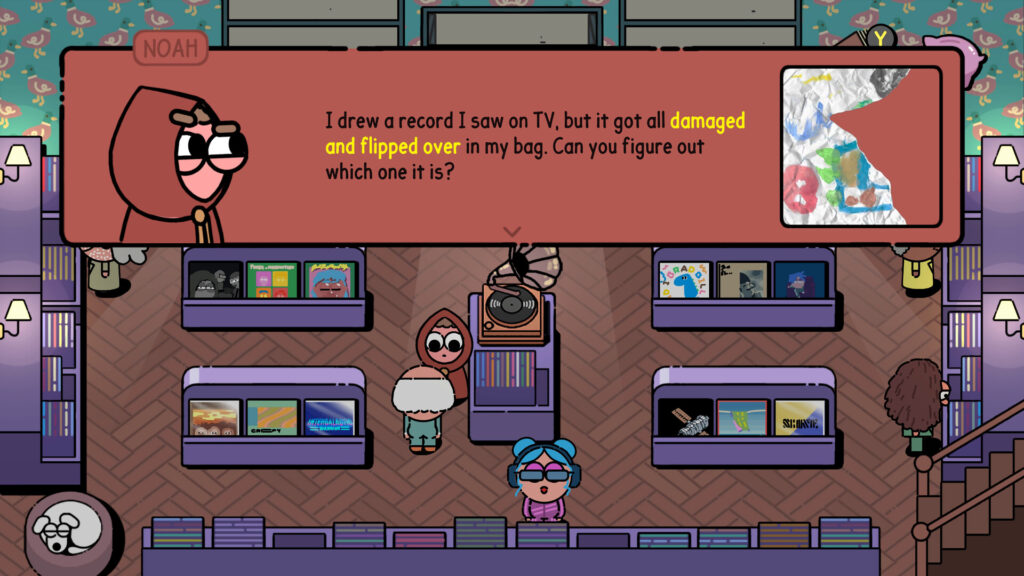
- Customer Interaction: Success in the shop is not merely about having the right product; it is about "vibe-matching." Customers often arrive with vague memories or specific emotional needs, requiring the player to recommend the perfect auditory solution.
Chronology: A Day in the Life of George
To understand the depth of Mr. Records, one must look at the chronological flow of its gameplay, which mirrors the routine of a man finding new purpose in his twilight years.
The Morning: Acquisition and Discovery
The day begins in George’s living space above the shop. This phase is dedicated to the business of music. Players browse catalogs and acquire new records. Each record is an unknown quantity until it is played. This phase introduces the stakes: every purchase is an investment of George’s limited retirement funds, making the subsequent rhythm sections feel earned.
The Midday: Entering the Soundscape
Once a record is acquired, George places it on his turntable. This triggers the "Action Phase." The world shifts from the muted, cozy tones of the record shop to neon-drenched, surrealist landscapes.
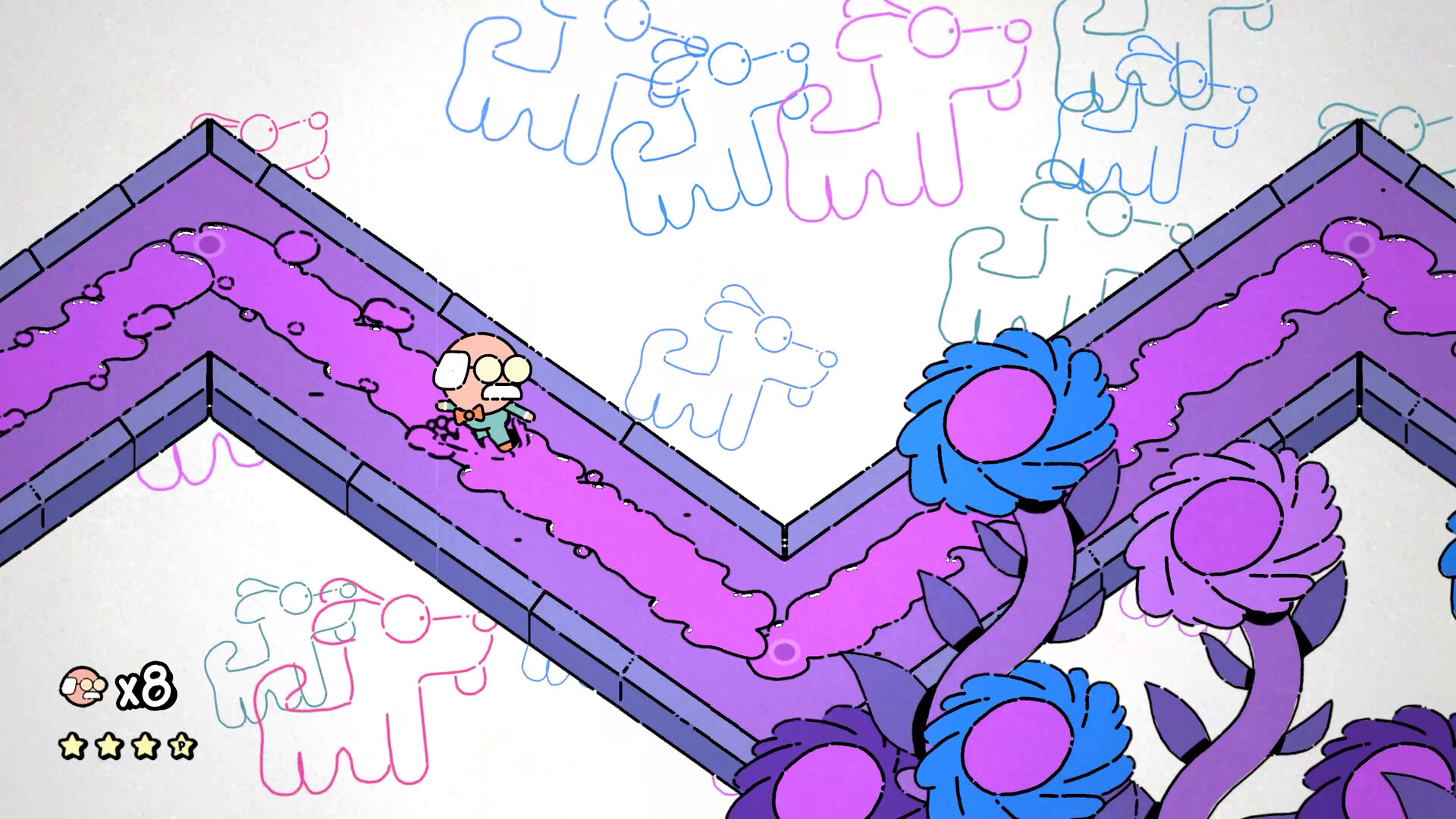
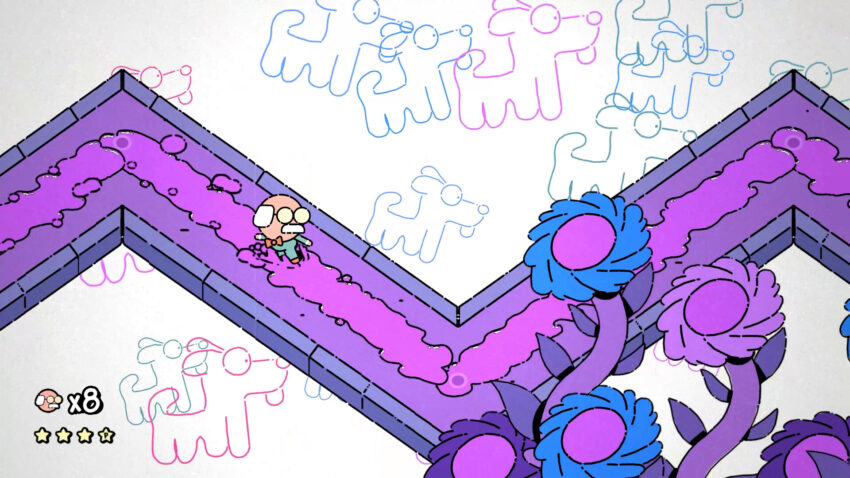
- The Purple Level: In one of the most striking levels showcased at Gamescom, George navigates a world of deep violets and magentas. Here, the player must slide through obstacles and punch rhythmic nodes.
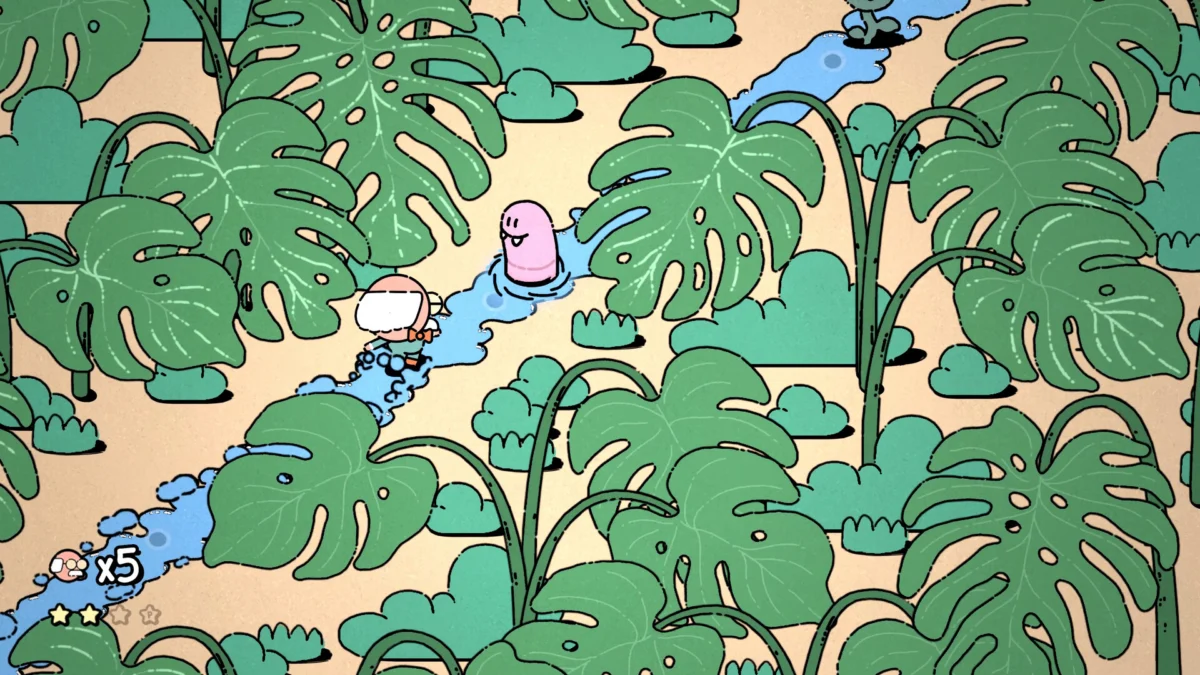
- The Jungle Level: Another showcased environment shifts the tone entirely, utilizing organic greens and percussive, tribal-infused beats.
The fluidity of these sections is paramount. The mechanics are designed to feel "right"—a term often used by demo players to describe the intuitive nature of the character’s movement in relation to the basslines and melodies.
The Afternoon: The Shop is Open
With the records "mastered," George opens the doors to the public. This phase transitions the game into a social simulation. Unlike traditional "tycoon" games that focus on volume, Mr. Records focuses on the quality of the recommendation.
- The Recommendation Engine: A customer might walk in and say, "I’m looking for something that feels like a rainy Tuesday but with a hint of hope." The player must then recall the "vibe" of the levels they just played to select the correct vinyl.
- Character Development: The shop attracts a recurring cast of characters, each with their own story arcs that progress based on the music George sells them.
The Evening: Reflection and Connection
As the sun sets, the shop closes, and George retreats upstairs. This phase is narrative-heavy, featuring strange, often touching phone calls with old friends. These dialogues provide context to George’s life, explaining his passion for music and the bittersweet nature of starting a new chapter so late in life.
Supporting Data: The Mechanics of Synesthesia
The success of Mr. Records hinges on its audiovisual synergy. According to technical data observed during the Gamescom demo, the game utilizes a sophisticated beat-mapping system that ensures environmental hazards and collectibles are mathematically aligned with the soundtrack’s transients.
Visual Fidelity and Art Direction
The contrast in art styles serves a functional purpose. The "Real World" (the shop and George’s home) uses a warm, hand-drawn aesthetic that evokes a sense of safety and nostalgia. In contrast, the "Music World" uses high-contrast palettes and dynamic lighting.
- Symmetry in Design: Every action George takes in the rhythm world (a punch, a slide) produces a visual flare that corresponds to the instrument being highlighted in the mix (e.g., a punch might trigger a snare hit visual).
Management Complexity
While the game is marketed as "cozy," the management side possesses hidden depth. Players must track:
- Genre Trends: Certain styles of music become more popular in the neighborhood over time.
- Record Condition: Handling records and the frequency of their "playthroughs" in the rhythm world can affect their value.
- Shop Reputation: Providing accurate "vibe matches" increases the shop’s standing, unlocking rarer, more complex records.
Official Responses: From the Gamescom Floor
While a definitive release date remains under wraps, the reception at Gamescom has been overwhelmingly positive. Industry analysts have noted that Mr. Records taps into the "Wholesome Games" movement while providing the mechanical "crunch" that rhythm game enthusiasts crave.
Developer Philosophy
In discussions surrounding the demo, the developers (Odo) emphasized that Mr. Records is a tribute to the physical media era. "There is a tactile joy in a record shop that digital streaming can’t replicate," a representative noted. "We wanted the rhythm levels to represent the ‘soul’ of the record, while the shop represents the community that forms around it."
Player Feedback
Beta testers and demo players highlighted the "flow state" achieved during the rhythm sections. The transition from the high-intensity platforming back to the calm of the shop creates a "breathing room" effect that prevents the player from feeling overwhelmed—a common issue in the rhythm genre.
Implications: Why ‘Mr. Records’ Matters for the Indie Scene
The emergence of Mr. Records signals a shift in how indie developers are approaching genre hybrids. It suggests that players are no longer satisfied with one-dimensional experiences; they want narrative weight to accompany their mechanical skill.
The Rise of the "Elder Protagonist"
George represents a growing trend of older protagonists in gaming (joining the likes of The Last of Us or God of War, but in a non-violent context). By focusing on a retiree, the game explores themes of legacy, the preservation of culture, and the idea that it is never too late to reinvent oneself.
Redefining the Rhythm Genre
For years, rhythm games have been siloed into "arcade" or "story" modes. Mr. Records bridges this gap by making the rhythm gameplay a literal exploration of the product being sold in the management side. This creates a cohesive "ludonarrative" where the player’s skill in the rhythm section directly informs their success as a shopkeeper.
Market Potential
With its current status on Steam’s most-anticipated lists and a strong showing at Gamescom, Mr. Records is positioned to be a breakout hit for fans of Stardew Valley, Dave the Diver, and Hi-Fi Rush. It offers a "middle ground" for gamers who want the relaxation of a sim but the engagement of an action title.
Conclusion: A Symphony in the Making
Mr. Records is more than just a game about selling vinyl; it is a celebration of the emotional resonance of music. By allowing players to literally "become one" with the tracks they sell, it offers a level of immersion rarely seen in the management genre. As George slides and punches his way through the vibrant landscapes of his own imagination, players are reminded that while life may slow down in retirement, the music never has to stop.
For those eager to step into George’s shoes and experience the rhythm of the record shop for themselves, the game is currently available for wishlisting on Steam. Though the wait for a release date continues, the melody of Mr. Records is already stuck in the heads of everyone who visited its booth this year.