Classical Art Meets the Attention Economy: The Digital Renaissance of Untitled.Save
In an era where the "scroll" has replaced the "stroll" through museum corridors, the boundaries between high culture and digital ephemera are increasingly blurred. Social media influencers dominate the contemporary visual landscape, utilizing carefully curated shots, artificial lighting, and surgically precise posing to command the attention of millions. However, a digital artist from Porto, Portugal, is challenging the superficiality of this modern phenomenon by looking backward.
Operating under the moniker Untitled.Save, this digital collage artist is orchestrating a "Digital Renaissance." By reimagining history’s most revered masterpieces through a contemporary lens, Untitled.Save bridges the gap between the oil-on-canvas tradition of the Old Masters and the pixel-perfect vanity of the Instagram age. Through their work, the subjects of the Louvre and the Uffizi Gallery are resurrected not as static relics of the past, but as modern-day influencers, complete with the accessories, attitudes, and aesthetic sensibilities of the 21st century.
Main Facts: The Intersection of Masterpiece and Media
The core of Untitled.Save’s portfolio lies in the provocative question: What if the subjects of classical paintings had social media accounts? This premise serves as a springboard for a series of digital transformations that are as jarring as they are seamless.

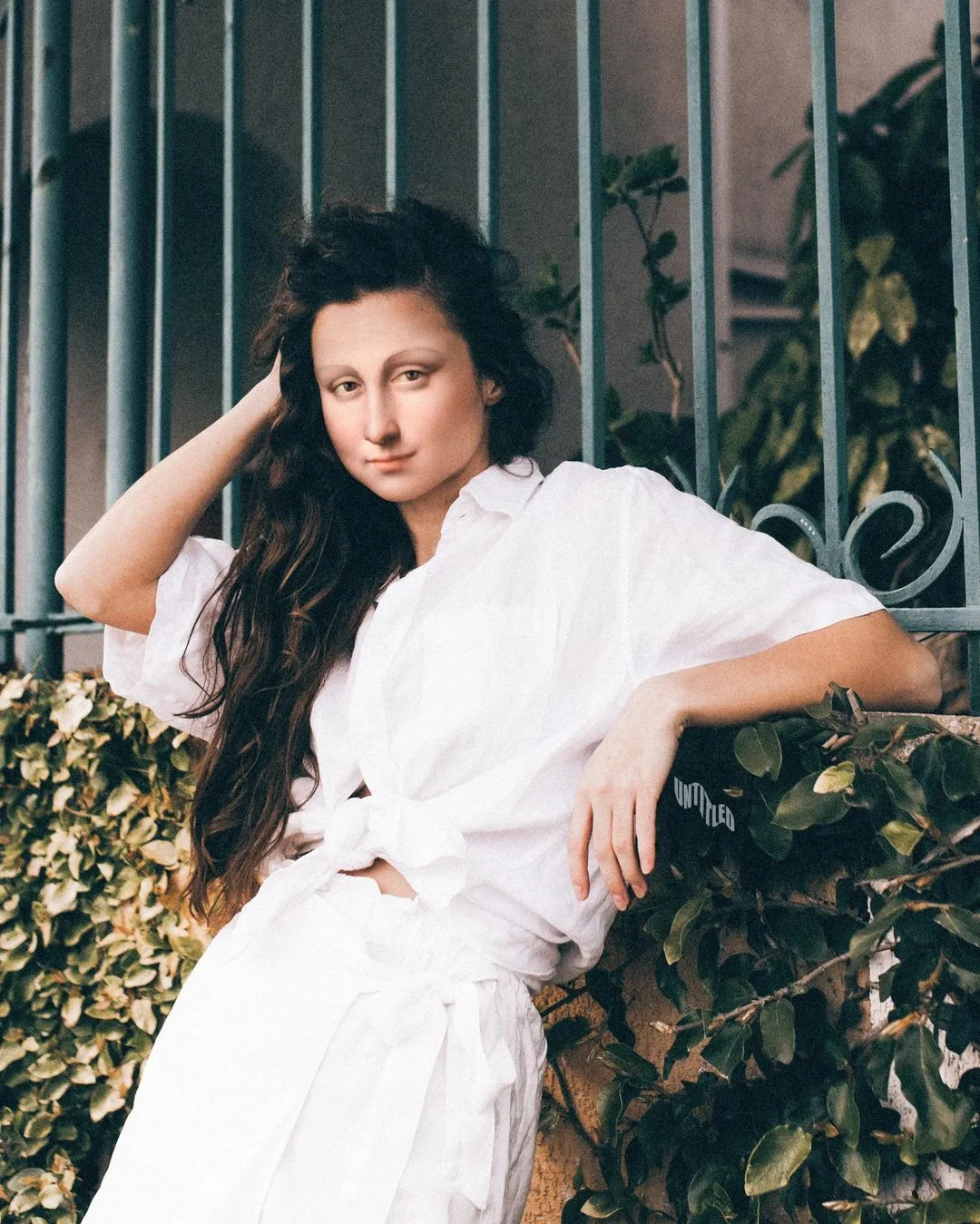
Untitled.Save utilizes digital collage techniques to transplant the faces and figures of iconic artworks into modern settings. We see the birth of a new genre of "Anachronistic Realism." In this world, Sandro Botticelli’s Venus isn’t just rising from the sea; she is posing for a beach-side brand partnership. Leonardo da Vinci’s Mona Lisa isn’t just offering a cryptic smile; she is the face of a lifestyle blog, perhaps captured in a candid "street style" shot.
The artist’s work has resonated globally, precisely because it highlights the continuity of human vanity. Whether it was a Medici prince commissioning a portrait in the 1500s or a TikTok creator utilizing a ring light today, the desire for a curated self-image remains a constant in the human experience. Untitled.Save captures this "eternal return" of self-presentation, suggesting that the "Influencer" is merely the modern iteration of the "Muse."
Chronology: From Product Design to Digital Provocateur
The journey of Untitled.Save is as eclectic as the collages they produce. Based in Porto, Portugal, the artist’s professional trajectory did not begin in the world of fine art galleries, but rather in the practical realms of aesthetics and form.

- Early Aspirations and Aesthetic Roots: Growing up, the artist harbored dreams far removed from the digital canvas, originally aspiring to be a professional cyclist. This early interest in discipline and movement eventually transitioned into a formal education in the arts.
- Educational Diversification: The artist’s background is a unique blend of the vocational and the academic. They first completed a course in hairdressing—a field centered entirely on the curation of personal appearance and the manipulation of human "features." This was followed by a degree in Product Design, which provided the technical foundation for understanding composition, symmetry, and the relationship between objects and their environments.
- The Emergence of Untitled.Save: Combining the "grooming" eye of a hairdresser with the structural precision of a product designer, the artist began experimenting with digital collage. The moniker "Untitled.Save" itself reflects the digital nature of the work—the ubiquitous file-naming convention of the creative process.
- Global Recognition: While the artist remains rooted in Porto, their work gained traction primarily through the very platforms they satirize. Their digital recreations of Frida Kahlo, Salvador Dalí, and the Mona Lisa began appearing in international digital art circles, leading to exhibitions and opportunities abroad, even as the artist continues to seek a major platform within their home country of Portugal.
Supporting Data: The Anatomy of a Transformation
Untitled.Save’s success relies on more than just "photoshopping" a phone into an old painting. It requires a deep understanding of the "visual language" of both eras. To achieve the desired effect, the artist meticulously matches lighting, skin textures, and color palettes to ensure the classical subject looks "at home" in a modern hoodie or a luxury cafe.
Notable Transformations Analyzed:
- Venus as an Influencer: In the original Birth of Venus, Botticelli highlights divine beauty and purity. Untitled.Save’s version reimagines her as a travel influencer. The divine shell is replaced by a high-end beach club setting. The message is clear: in the modern world, "divinity" is measured in likes and engagement.
- The Mona Lisa Lifestyle: The world’s most famous portrait is stripped of its dark, sfumato background and placed in the bright, high-contrast world of a lifestyle blogger. By doing so, Untitled.Save highlights how the "enigmatic" quality of the original is actually the perfect precursor to the "mystique" cultivated by modern celebrities.
- Frida Kahlo’s Self-Awareness: Kahlo was the original queen of the self-portrait, using her own image to explore pain, identity, and politics. In Untitled.Save’s hands, Kahlo’s self-portraits become "selfies." This transformation feels perhaps the most natural, as Kahlo’s work was always a form of radical self-documentation.
- Salvador Dalí as a Brand: Dalí was a master of self-promotion long before the digital age. Untitled.Save portrays him as a modern-day creative director or "hypebeast," a role Dalí would likely have embraced with enthusiasm had he lived in the 2020s.
Official Responses: Insights from the Artist
In a series of candid reflections, the creator behind Untitled.Save provides a glimpse into the philosophy and personality driving the project. These responses highlight an artist who is deeply connected to the pulse of the present while remaining skeptical of its promises.
On Influences and Inspiration:
The artist cites Salvador Dalí and Rui Reininho as major influences, reflecting a penchant for the surreal and the rebellious. However, their daily inspiration is often found in music, which they describe as something they "can’t live without." Interestingly, their current favorite artwork is Albrecht Dürer’s Praying Hands, which has served as their phone wallpaper for months—a stark, spiritual contrast to the influencer culture they depict.

On the Role of Technology and AI:
While Untitled.Save is a digital-first creator, they maintain a cautious relationship with Artificial Intelligence. "I’m paying close attention to AI developments," the artist noted. "I’ve tried it, but I haven’t yet found a personal identity in it, which is why I’ve never published anything [using it]." This highlights a commitment to the "human touch" in digital collage, ensuring that the irony and commentary of the work remain intentional rather than algorithmic.
On Social Commentary and Truth:
When asked about the lessons taught in school that they knew were wrong, the artist gave a poignant response: "That we all have the same rights." This underlying awareness of social inequality adds a layer of depth to their work; the "influencer" world they depict is one of extreme privilege, and by placing classical figures in that world, they highlight the exclusive nature of both high art and high-end digital lifestyle.
On Future Ambitions:
Despite international acclaim, the artist remains focused on their roots. Their "dream project" is to hold a significant exhibition in Portugal. "So far, the opportunities I’ve had have always been abroad," they explained. This desire to "come home" artistically suggests a wish to bridge the gap between their global digital presence and their local physical reality.

Implications: The Commodification of the Soul
The work of Untitled.Save is more than a clever visual pun; it is a critique of the "Attention Economy." In the classical era, a portrait was a rare, expensive endeavor intended to preserve a legacy for centuries. Today, we produce hundreds of "portraits" (selfies) a year, most of which are forgotten within 24 hours.
1. The Democratization vs. Devaluation of Art
By using social media to distribute art that critiques social media, Untitled.Save engages in a meta-commentary on how we consume culture. Their work suggests that while art is more accessible than ever, it is also being consumed at a speed that may strip it of its contemplative power.
2. The Evolution of the "Gaze"
In art history, the "male gaze" dominated the way women were portrayed. In the influencer era, this has shifted to the "algorithmic gaze." Untitled.Save’s recreations of Venus and the Mona Lisa show that while the costumes have changed, the pressure on the subject to be "watched" and "validated" has only intensified.

3. The Future of Digital Identity
As the artist ponders "how the human race can be so beautiful and twisted at the same time," their work serves as a mirror. We see ourselves in these digital collages—caught between our history and our digital future. Untitled.Save reminds us that even the most "timeless" art is subject to the whims of the current era, and that our modern digital lives are perhaps just as choreographed as a Renaissance masterpiece.
Conclusion: What’s Next for Untitled.Save?
As the digital landscape continues to evolve with the integration of AI and the shifting tides of social media platforms, Untitled.Save remains a vital voice in the conversation about digital identity. Their ability to "say no"—which they describe as their superpower—allows them to maintain a distinct artistic identity in a world that often demands constant, unthinking output.
With a playlist featuring L’Impératrice and La Femme, and a plate of Bacalhau à Brás waiting for them, the artist continues to blend the traditional flavors of Portugal with the globalized aesthetic of the internet. Whether through a future exhibition in Porto or a new series of digital provocations, Untitled.Save is ensuring that while the medium of art may change, the conversation between the past and the present remains as vibrant—and as "curated"—as ever.