Virtual Reality in Mid-2026: A Deep Dive into July’s Release Calendar and Market Trends
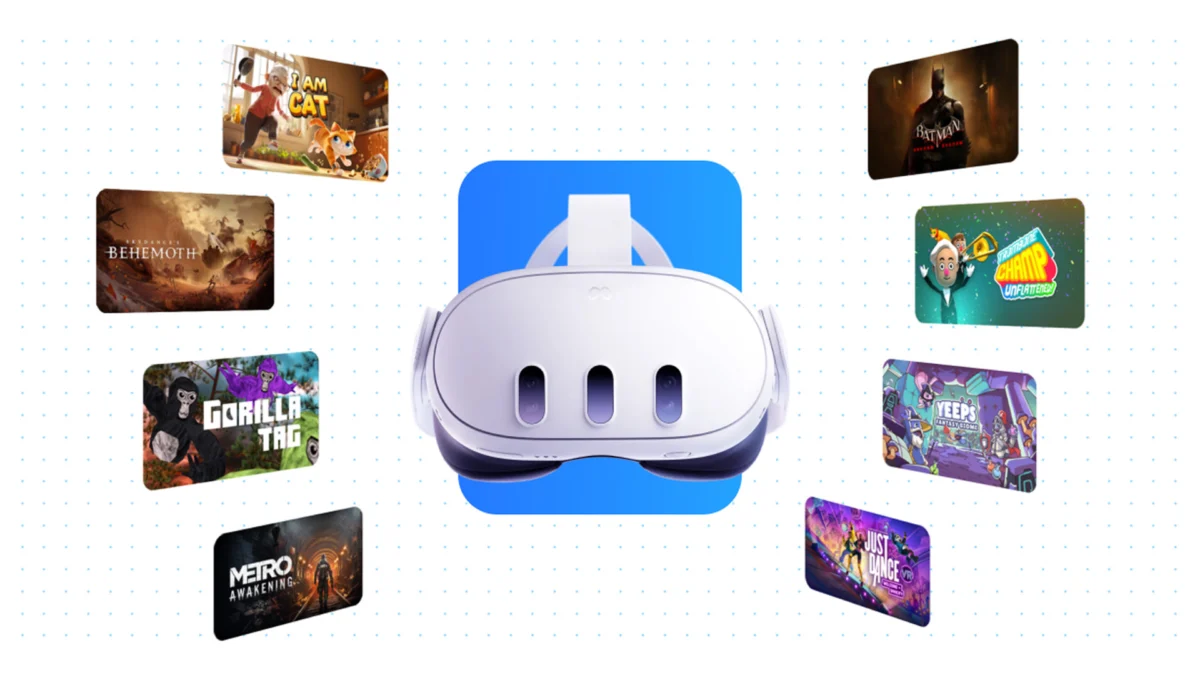
The virtual reality landscape in the summer of 2026 presents a fascinating study in industry maturation. While the frantic release schedules of the early 2020s have stabilized, they have been replaced by a "quality-over-quantity" ethos that prioritizes deep mechanical systems and cross-platform optimization. July 2026 stands as a testament to this shift, offering a curated selection of titles that range from high-fidelity tactical shooters to innovative Mixed Reality (MR) experiences that leverage the full suite of the Meta Quest 3 and Quest 3S hardware.
This month’s lineup is particularly notable for its diversity. It marks the return of classic puzzle IPs, the emergence of high-stakes tactical simulators, and the continued expansion of the "cozy VR" genre. Furthermore, the month highlights the ongoing tension between PC VR enthusiasts and the dominant standalone market, with several key titles bridging the gap between high-end tethered performance and mobile accessibility.
Main Facts: The July 2026 VR Landscape
The July release window is anchored by eight primary titles across the Meta Quest ecosystem and SteamVR. The month is characterized by three distinct trends:
- The Rise of Tactical Realism: Titles like Geronimo are pushing the boundaries of what players expect from VR interaction, moving away from "arcadey" mechanics toward simulation-grade weapon handling and squad tactics.
- Mixed Reality Integration: With the Quest 3 and Quest 3S now firmly established in the market, developers are increasingly moving beyond pure VR. Cybercore Protocol serves as a flagship for this month’s MR offerings, transforming the user’s physical environment into a digital battlefield.
- Refined Porting and Optimization: The delay and subsequent release of Roboquest VR for Quest 3 highlights a growing industry trend where developers prioritize performance and polish over meeting initial launch windows—a necessary evolution as VR consumers become more discerning.
Chronology of Releases: A Month of Strategic Launches
The July calendar is strategically paced, ensuring that different genres do not cannibalize each other’s launch visibility.
Early July: Physics and Tactics (July 7 – July 10)
The month opens on July 7 with the PC VR release of Enigmo. Originally a classic physics-based puzzle game, this VR reimagining takes advantage of spatial computing to allow players to physically walk around 3D puzzles. By redirecting liquid droplets, plasma, and lasers using interactive components, Enigmo demonstrates how legacy mobile and PC titles can be given new life through 6DOF (Six Degrees of Freedom) interaction.
Following closely on July 10 is the Early Access launch of Geronimo on PC VR. This title is arguably the most anticipated release for the hardcore VR community this month. Positioning itself as a spiritual successor to tactical giants like Ready or Not, Geronimo focuses on Close Quarters Battle (CQB). Its Early Access status suggests a long-term roadmap focused on community feedback regarding its complex breaching and movement mechanics.
Mid-July: Dungeons and Espionage (July 13 – July 16)
On July 13, One More Delve transitions to its 1.0 version on both PC VR and Quest 3. This three-player co-op dungeon crawler has spent significant time in development, refining its physics-based hack-and-slash combat. The 1.0 release is expected to bring a substantial content drop, including new loot tiers and endgame challenges.
July 16 sees the PC VR debut of Fixer Undercover. Having already established a player base on the Quest platform, the PC VR version aims to provide enhanced graphical fidelity and lighting effects. The game subverts the traditional "super-spy" trope, instead tasking players with infiltrating high-security zones as a lowly maintenance worker, using mundane tools to solve complex environmental puzzles.
Late July: The Quest Heavyweights (July 23 – July 30)
July 23 is the busiest day of the month, featuring two major releases for the Meta ecosystem. Roboquest VR finally arrives on Quest 3 after a period of "polishing delays." This fast-paced roguelite shooter is accompanied by a major co-op update, allowing for cross-platform play. Simultaneously, Puzzles of the World moves from its free-to-play Early Access phase to a full, paid release. This title targets the "cozy" demographic, offering detailed miniature-building experiences based on real-world landmarks.
The month concludes with a focus on Mixed Reality and Parkour. Cybercore Protocol (July 26) utilizes the Quest’s room-scanning capabilities to create a tower-defense-style game within the user’s own home. Finally, on July 30, Hyperstacks brings its unique blend of parkour and combat to SteamVR, featuring a robust level editor that ensures long-term replayability through user-generated content.
Supporting Data: Platforms and Market Distribution
The July 2026 data shows a clear split in platform targeting. Of the primary releases:
- PC VR Only: 3 titles (Enigmo, Geronimo, Fixer Undercover port, Hyperstacks).
- Meta Quest (Standalone/MR): 3 titles (Roboquest VR, Puzzles of the World, Cybercore Protocol).
- Cross-Platform (PC VR & Quest): 1 title (One More Delve).
Notably, Streets of Miami VR, which was originally slated for a July 30 release, has been pushed to August 28 according to its Steam page. This delay reflects the increasing complexity of "semi-open world" VR titles, which require extensive optimization to maintain the 90Hz or 120Hz refresh rates demanded by modern headsets.
The inclusion of the Quest 3S in the release of Puzzles of the World confirms that developers are now actively targeting Meta’s more affordable hardware tier, ensuring that the user base remains broad even as the high-end Quest 3 continues to push graphical boundaries.

Official Responses and Developer Insights
While official press releases vary, a common theme among July’s developers is the pursuit of "presence" and "mechanical depth."
Regarding the delay of Roboquest VR, the development team stated:
"Bringing the frenetic speed of Roboquest to a mobile chipset without sacrificing the visual identity of the game was a monumental task. The extra weeks of development were vital to ensuring the Quest 3 version maintains a stable frame rate during high-intensity co-op sessions."
The creators of Geronimo have been vocal about their commitment to the "mil-sim" (military simulation) community:
"VR is the ultimate medium for tactical shooters. We aren’t just making a game; we’re building a platform where communication and realistic weapon manipulation are the primary keys to success. Early Access allows us to fine-tune the friction of our mechanics with the people who play these games most."
For Cybercore Protocol, the focus has been on the evolution of Mixed Reality:
"We wanted to move past the ‘gimmick’ phase of MR. By using the Quest’s depth sensor to let enemies emerge from behind your actual furniture, we create a level of immersion that traditional VR cannot match."
Implications: What July Tells Us About the Future of VR
The releases of July 2026 provide several insights into the future trajectory of the immersive technology industry.
1. The "Cozy" VR Revolution
The full release of Puzzles of the World highlights that VR is no longer just for high-octane shooters or horror experiences. There is a massive, underserved market for meditative, low-stress applications. As hardware becomes lighter and more comfortable, these "sit-down" experiences are likely to become a cornerstone of the VR market.
2. Mixed Reality as a Primary Feature
Cybercore Protocol suggests that MR is transitioning from a secondary feature to a primary gameplay hook. As room-mapping technology becomes more seamless, the barrier between the physical and digital worlds will continue to erode, potentially leading to a new genre of "home-integrated" gaming.
3. The Maturity of the Early Access Model
The fact that major titles like Geronimo and One More Delve are utilizing Early Access or staged releases (moving from F2P to Paid) shows that the VR industry has adopted the "Games as a Service" (GaaS) model. This allows for sustainable development in a market that, while growing, is still smaller than traditional console gaming.
4. PC VR’s Resilience
Despite the dominance of standalone headsets like the Quest 3, the strong showing of PC VR titles in July (Enigmo, Geronimo, Hyperstacks) proves that there is still a dedicated audience for high-fidelity, tethered experiences. PC VR remains the "proving ground" for advanced mechanics that eventually trickle down to standalone hardware.
In conclusion, July 2026 is a month that balances nostalgia with cutting-edge innovation. Whether it is through the tactical precision of Geronimo or the home-transforming magic of Cybercore Protocol, the VR industry continues to prove that it is moving toward a more polished, diverse, and technologically sophisticated future.