The Fabric of the Uncanny: How SoHo’s Puppet Pioneers are Resurrecting Surrealism
NEW YORK — In an era dominated by the pixel-perfect precision of generative artificial intelligence and high-budget CGI, a quiet revolution is taking place within a sun-drenched studio in SoHo. Here, the tools of the trade are not algorithms, but serrated blades, contact cement, and a proprietary textile known as "dream fleece." Furry Puppet Studio, a design house specializing in custom-built creatures, has become an unlikely sanctuary for one of the 20th century’s most provocative art movements: Surrealism.
While puppetry is often relegated to the realm of children’s entertainment, a deeper journalistic investigation into the lineage of the craft—stretching from the experimental films of Jim Henson to the "creature dance parties" of Big Nazo—reveals a sophisticated avant-garde practice. These studios are not merely making toys; they are engineering the "uncanny," placing objects into the physical world that challenge our perception of what it means to be alive.
Main Facts: The Architecture of the Impossible
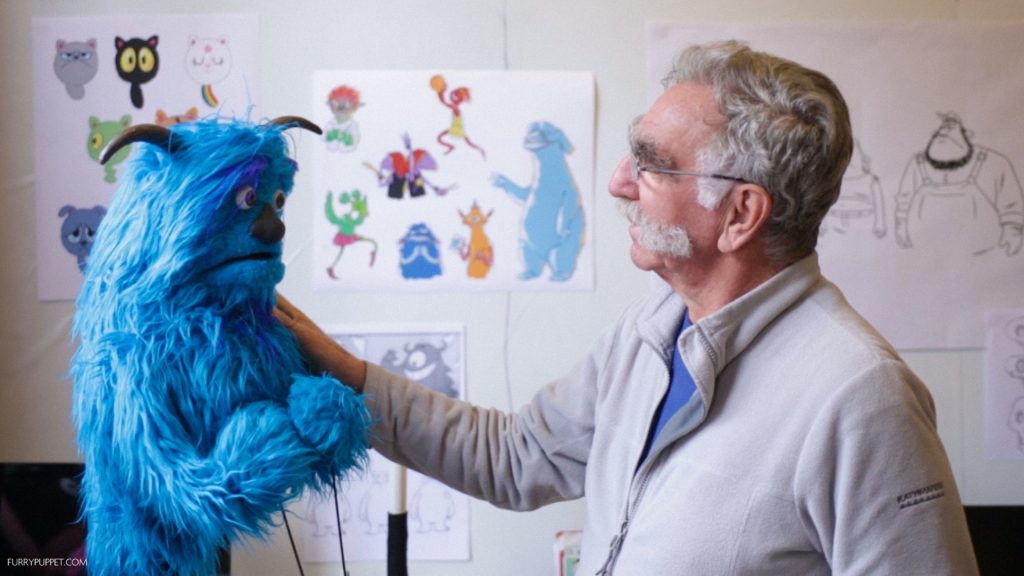
Furry Puppet Studio, founded by Zack Buchman, operates on a philosophy that favors the "unusual." Buchman, who bypassed traditional collegiate training, has cultivated an outsider’s perspective that allows the studio to function more like an art collective than a commercial fabrication shop. The team is a multidisciplinary tapestry: it includes a master foam carver Buchman likens to a "real-life Edward Scissorhands," a mechanical engineer, and Polly Smith, a legendary costume designer and the co-inventor of the sports bra.

The studio’s output is a "who’s who" of modern surrealist imagery. Their portfolio includes:
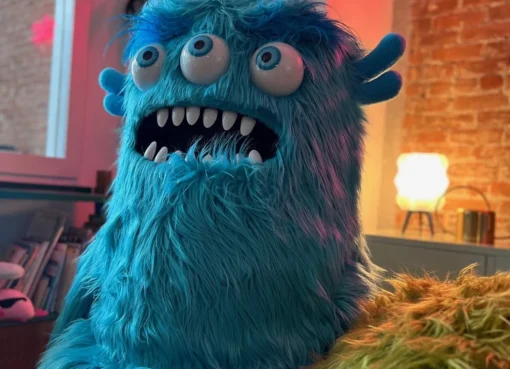
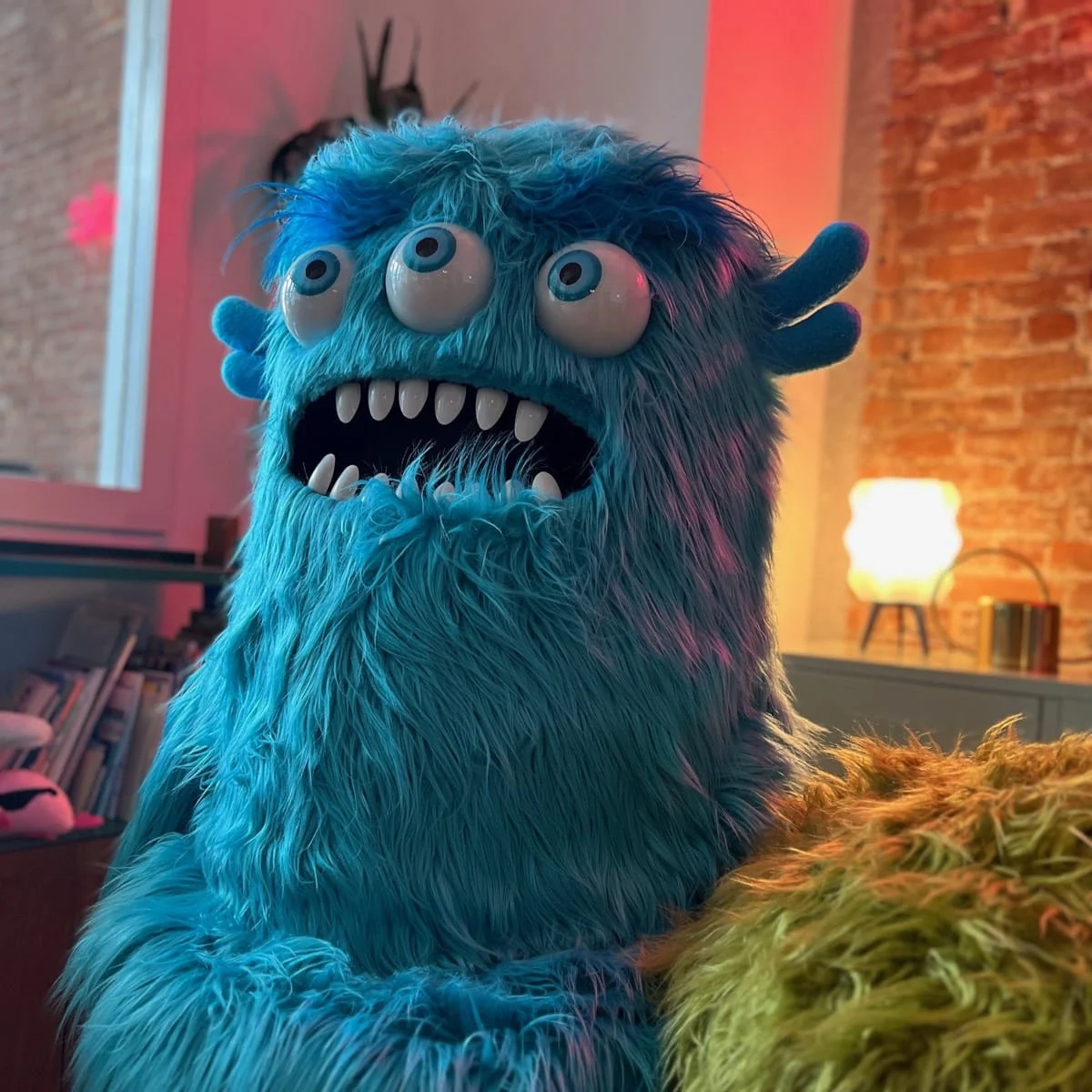
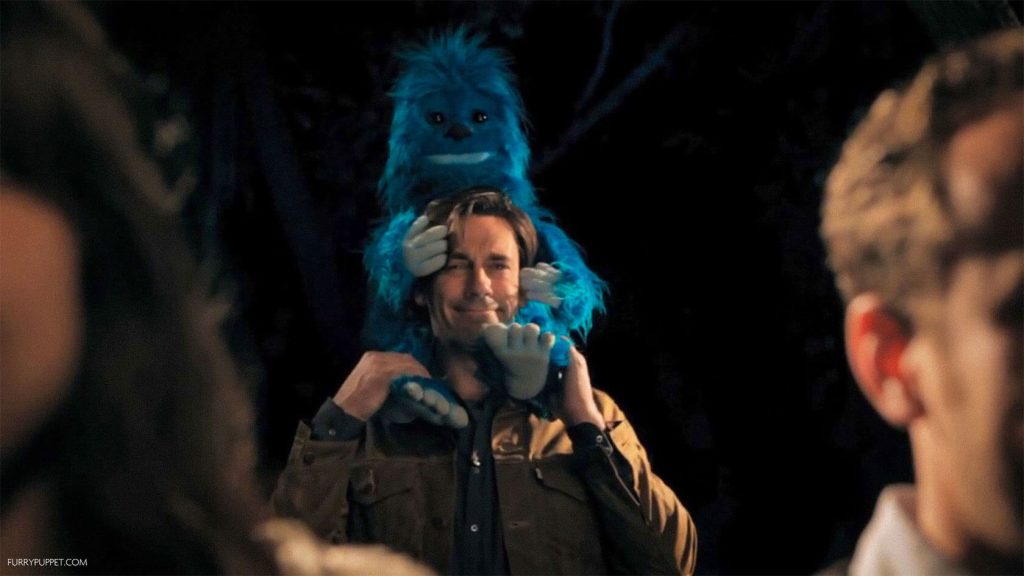
- The Yeti of the Roadside: A blue, lovelorn creature created for a Herman Düne music video featuring actor Jon Hamm.
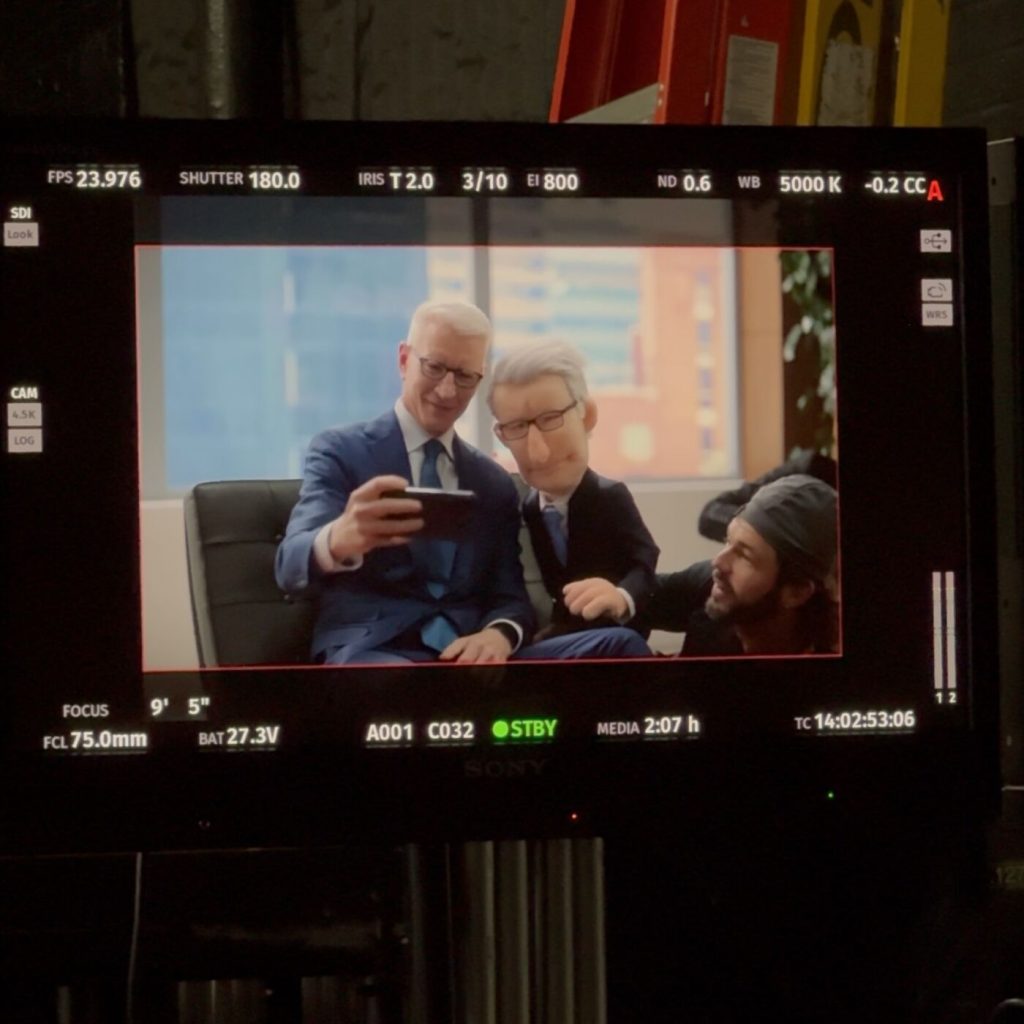
- The CNN Doppelgängers: Hyper-realistic foam versions of news anchors Anderson Cooper and Andy Cohen, designed to sit beside their human counterparts.
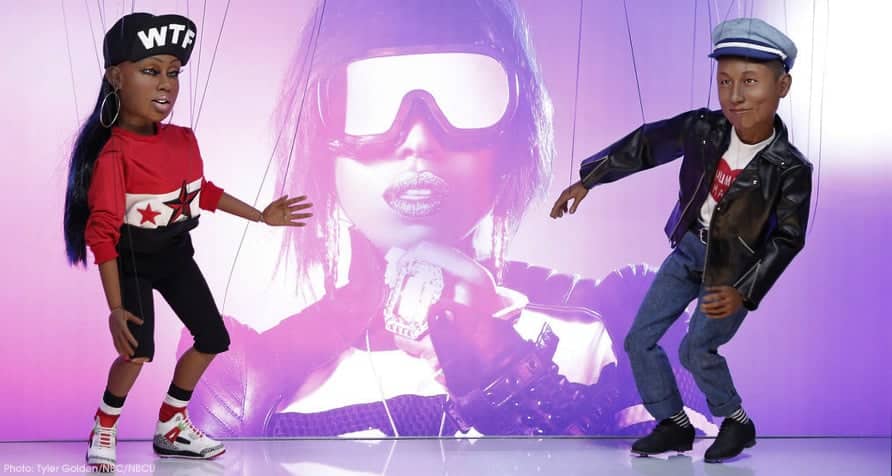
- The Kinetic Marionettes: Reengineered puppets for Missy Elliott and Pharrell Williams’ "WTF (Where They From)" music video, designed to be operated by professional street dancers to mimic human fluidity.
The core of their work lies in the transition from "fabrication" to "presence." According to the studio, the most critical moment in any build is the placement of the eyes. A fractional shift in a 3D-printed eyeball can move a creature from a state of menace to one of approachability. This is the "hinge" of surrealism—the moment an inanimate object begins to "look back" at the viewer.
Chronology: From Experimental Film to the Streets of Providence
To understand why a SoHo studio belongs in the canon of surreal art, one must trace the chronological evolution of the medium, which found its footing in the mid-20th century avant-garde.
1965: The Henson Experiments
Long before Sesame Street became a cultural juggernaut, Jim Henson was an experimental filmmaker. In 1965, he released Time Piece, a nine-minute short film with no dialogue and no puppets. Nominated for an Academy Award and screened at the Museum of Modern Art, the film utilized associative logic—a man in a hospital bed, a heartbeat becoming percussion, a cowboy shooting the Mona Lisa. This established the puppet maker not as a storyteller for children, but as a practitioner of the "marvelous," a key tenet of André Breton’s Surrealist Manifesto.
1982: The Dark Crystal and the Rejection of the "Cute"
Henson’s career culminated in the 1982 film The Dark Crystal. Dissatisfied with the "sanding off" of weirdness by major studios, Henson reportedly invested his own capital to ensure the film remained dark, strange, and tactile. This marked a pivotal moment where puppetry asserted itself as a medium capable of conveying the grotesque and the sublime.
1986: Big Nazo and the Public Ambush
In 1986, Erminio Pinque, a RISD-trained illustrator, founded Big Nazo in Providence, Rhode Island. Pinque’s mission was to create a "puppet show without a stage." By taking nine-foot foam insects and wearable aliens into street parades and festivals, Big Nazo practiced "surrealism as public ambush." This followed the surrealist tradition of disrupting the mundane flow of daily life with dreamlike intrusions.
2000s–Present: The SoHo Renaissance
Furry Puppet Studio emerged in this lineage, moving the craft back into the heart of the New York art scene. By leveraging modern materials like "dream fleece" and 3D printing while maintaining the high-stakes discipline of hand-carving foam, the studio has brought the "uncanny double" into the digital age.
Supporting Data: The Physics of Belief
The effectiveness of these puppets is not merely a matter of aesthetic choice; it is rooted in psychological and physical data.
- The Uncanny Valley: Defined by roboticist Masahiro Mori in 1970, this theory suggests that as objects become more human-like, they reach a point where they provoke revulsion. Puppet studios like Furry Puppet work specifically on the edge of this valley, tuning their creations to achieve a "suspension of disbelief" that digital avatars often fail to reach.
- Tactile Weight: Unlike CGI, which often lacks a sense of "gravity" in a scene, physical puppets interact with light and air in real-time. In the Herman Düne video, the stillness of the blue yeti is what "sells" the image. The physical mass of the foam creates a psychological weight that forces the human brain to accept the creature’s presence as a fact rather than a projection.
- The "No Undo" Factor: The fabrication process at Furry Puppet involves carving directly into large blocks of foam. This method allows for no "undo" command, a stark contrast to digital design. This permanence requires a level of artistic "nerve" that Buchman argues is essential to the soul of the final product.
Official Responses: Insights from the Creators
In describing the studio’s mission, Zack Buchman emphasizes the shift from the mechanical to the spiritual. "We do pretty unusual work," Buchman notes, but he clarifies that the goal is the instant "disbelief clicks off." To Buchman, the studio is successful not when a client admires the stitching, but when the viewer’s brain stops hunting for the rods and wires and simply accepts the entity as a living being.
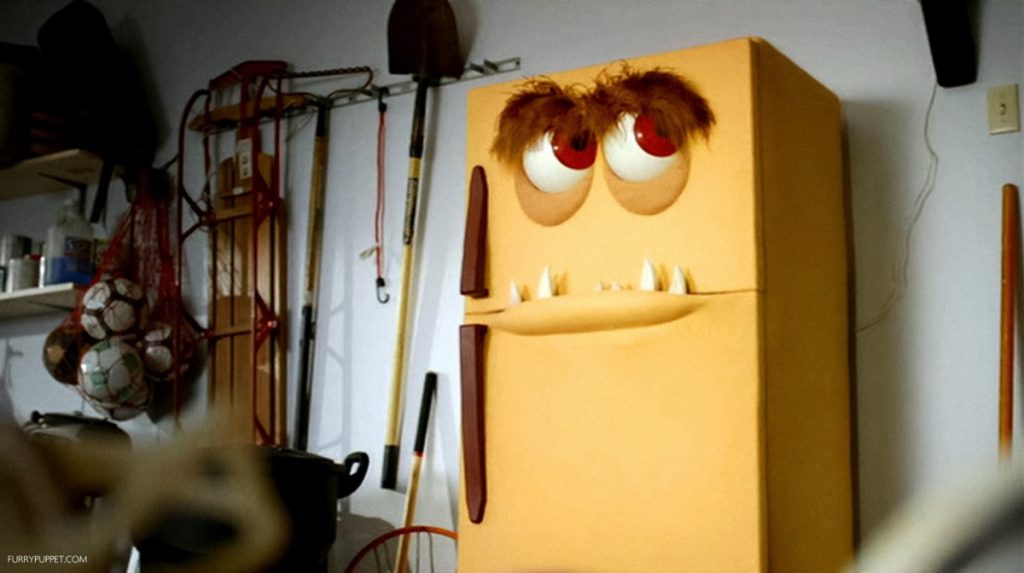
Erminio Pinque of Big Nazo offers a similar sentiment regarding the role of "accidents" in art. Pinque has stated that the things that go wrong on tour—the chance encounters and physical mishaps—are where the best "juxtapositions" occur. This aligns with the surrealist practice of automatism, where the artist allows the subconscious or the environment to dictate the final form, trusting that the "accident" knows more than the plan.
Polly Smith, bringing her decades of experience from the Henson era to the SoHo studio, views the work as a bridge between engineering and high fashion. By creating textiles like "dream fleece," the studio is essentially inventing new skins for new species, a task that requires both a scientist’s precision and an artist’s whimsy.
Implications: The Future of the Physical in a Virtual World
The persistence of studios like Furry Puppet and Big Nazo carries significant implications for the future of media and art.
The Trojan Horse of Surrealism
By working with clients like Apple, CNN, and Jimmy Kimmel, Furry Puppet Studio acts as a "Trojan Horse." They are successfully inserting surrealist motifs—the animated everyday object, the doppelgänger, and the marvelous—into mainstream commercial spaces. This suggests that there is a latent public hunger for the tactile and the strange in an increasingly sanitized digital landscape.
The Human Element in High-Tech
The use of 3D printing for eyeballs alongside hand-carved foam represents a hybrid future. It suggests that technology should not replace the "human hand" but rather provide better components for it to manipulate. The "Edward Scissorhands" approach to carving remains the soul of the operation, ensuring that each creature possesses the slight imperfections that signal "life" to the human eye.
Lessons for the Digital Frontier
As developers strive to create more lifelike creatures in virtual and augmented reality, the "hard-won knowledge" of the puppet makers becomes an invaluable resource. The way a puppet’s eye follows a person or the way "dream fleece" catches the light offers a blueprint for "presence" that code has yet to fully replicate.
Conclusion: The Solid Block
Ultimately, the work being done in SoHo is a reminder that surrealism is not a relic of the 1920s, but a living, breathing practice. It is found in the room with foam shavings on the floor, where a family of mechanized monsters with single oversized eyes waits for their "dream fleece" skin.
A studio does not need to share a painter’s canvas to share their project. By working in the tradition of the animated object and the uncanny double, Furry Puppet Studio and its peers are proving that the most profound way to explore the psyche is through the physical. As long as there are artists willing to take a blade to a solid block of foam with no "undo" button, the marvelous will continue to walk among us, sticking its thumb out for a ride on a dark SoHo street.