Adobe MAX 2026: A Cautiously Optimistic Dawn for Creativity in the Age of AI
The annual Adobe MAX conference, a beacon for creative professionals worldwide, has once again illuminated the path forward for digital artistry. This year’s event, however, carried an undercurrent of anticipation, a palpable blend of excitement and apprehension surrounding Adobe’s ever-evolving stance on artificial intelligence. Following a keynote address that aimed to set the tone for the year ahead, a surprising sentiment of cautious optimism has emerged, suggesting that Adobe might indeed be charting a course that embraces, rather than alienates, the human element of creation.
The AI Conundrum: From Apprehension to Assurance
For many in the creative sphere, the rapid integration of AI into design workflows has been a source of considerable debate. Concerns about authenticity, the devaluation of human skill, and the ethical implications of AI-generated content have cast a long shadow. Entering Adobe MAX 2026, the author, like many attendees, harbored a degree of skepticism, bracing for a potentially overwhelming and perhaps even underwhelming showcase of Adobe’s AI advancements. Yet, the keynote address, and subsequent discussions, have managed to shift this perspective, fostering a cautiously hopeful outlook.
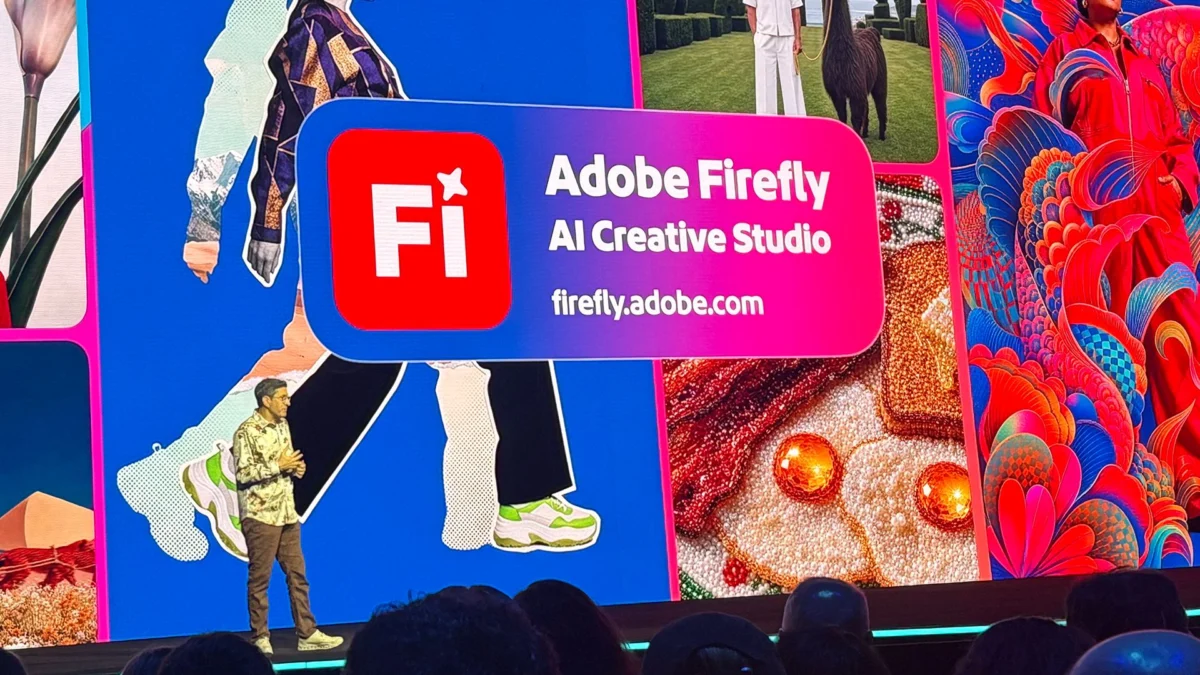
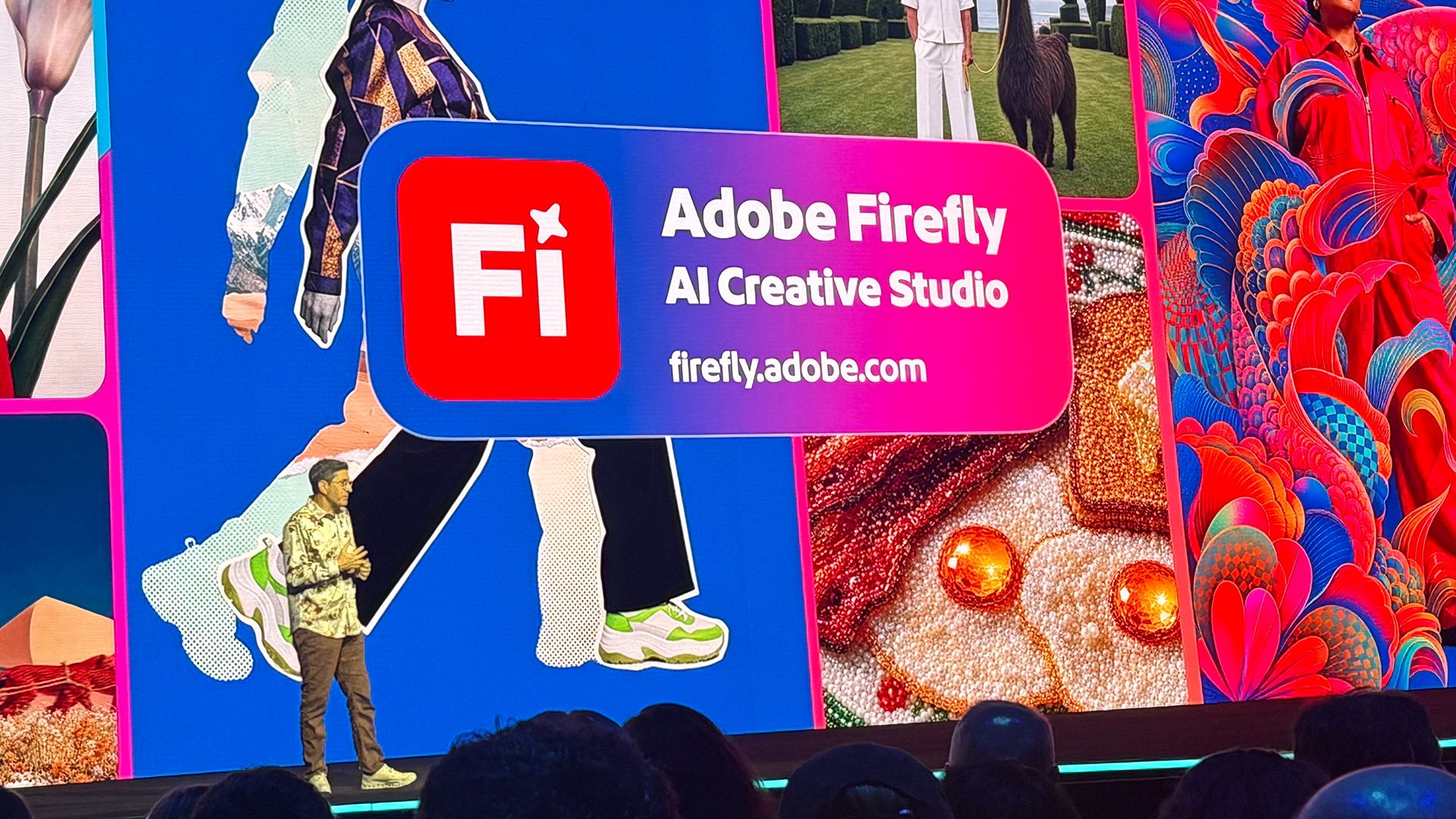
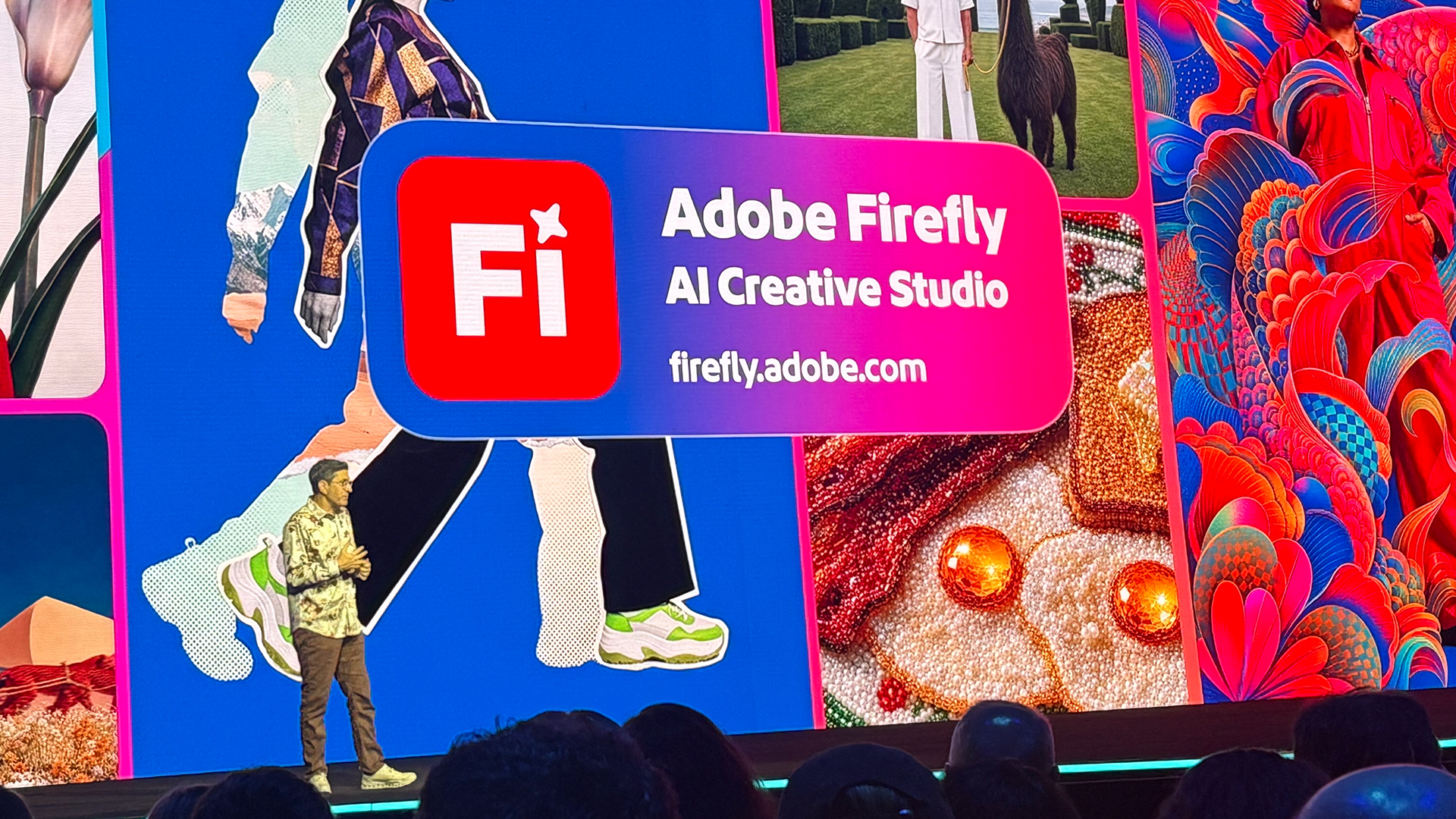
Adobe has unequivocally committed to a future deeply intertwined with AI. The company’s strategic partnerships and the burgeoning success of its Firefly AI model, which has now blossomed into a comprehensive creative studio, underscore this dedication. This pervasive integration of AI could, at first glance, feel overwhelming, even existential, for creators. However, under the bright lights of the MAX stage, Anil Chakravarthy, the presumed future CEO of Adobe, offered a reassuring message: "Adobe will meet you where you are." This promise, delivered with conviction, began to resonate, suggesting a more nuanced and human-centric approach than some had feared.
Addressing the Creative Unease: Reliability, Safety, and the Soul of Craft
The discourse surrounding AI’s impact on creativity has been far from simple. Vice president Deepa Subramaniam, taking the stage early in the proceedings, directly addressed the prevailing sense of uncertainty. Her candid acknowledgment that "things feel uncertain" in the wake of AI’s widespread adoption resonated deeply with an audience grappling with these transformative shifts.
Subramaniam’s address was punctuated by assurances of "reliability" and "safety," keywords that seek to assuage the anxieties of a community built on the bedrock of artistic integrity. She emphasized Adobe’s long-standing legacy, a brand that has been "shaped and built by creatives that care about the craft." This deliberate invocation of Adobe’s history aimed to reinforce the company’s commitment to its core user base. The declaration that "Creativity isn’t a side project; it’s a way of life" might have, in other contexts, been perceived as a platitude. However, delivered with genuine conviction, it served to soothe the skepticism of many, including the author, hinting that Adobe’s foundational appreciation for the creative process remains intact.
The Evolving Demands on Creatives: AI as a Solution, Not a Replacement
Deepa Subramaniam articulated a crucial point: the modern creative landscape demands more than ever before. The traditional roles of designers have expanded exponentially. A graphic designer is now often expected to possess the skills of a web designer, a motion graphics artist, and a social media strategist, all rolled into one. This burgeoning multi-disciplinary expectation places immense pressure on individuals, often stretching their time and resources to their breaking point.
According to Subramaniam, Adobe’s "rich learning ecosystem" is positioned to address this growing demand. The company’s suite of tools, enhanced by AI, aims to provide solutions for creatives caught in a perpetual battle against dwindling time and escalating content requirements. The potential for AI to offer much-needed respite, by automating time-consuming tasks and streamlining workflows, is undeniable. However, this presents a significant ethical quandary: where does the line between AI assistance and AI dominance lie? The question of "Where do we stop?" hangs heavy in the air, a critical consideration for both Adobe and the creative community it serves.
A Deeper Dive into Adobe’s AI Strategy: Firefly’s Evolution and Beyond
The evolution of Adobe Firefly into a comprehensive creative studio marks a significant milestone in the company’s AI journey. This platform is not merely a collection of AI tools; it represents Adobe’s ambition to integrate generative AI seamlessly into the entire creative workflow. The company is reportedly investing heavily in ensuring that Firefly’s outputs are not only aesthetically pleasing but also ethically sound and commercially viable. This includes a strong focus on copyright and intellectual property, with Adobe actively working to train its AI models on content that is either licensed or in the public domain.
The emphasis on "responsible AI" was a recurring theme throughout the conference. Adobe appears to be acutely aware of the potential pitfalls of unchecked AI development and is proactively seeking to mitigate them. This commitment extends to transparency in how AI is used within their products, empowering users to understand and control the AI-assisted aspects of their work.
The Future of Photoshop and the Broader Creative Ecosystem
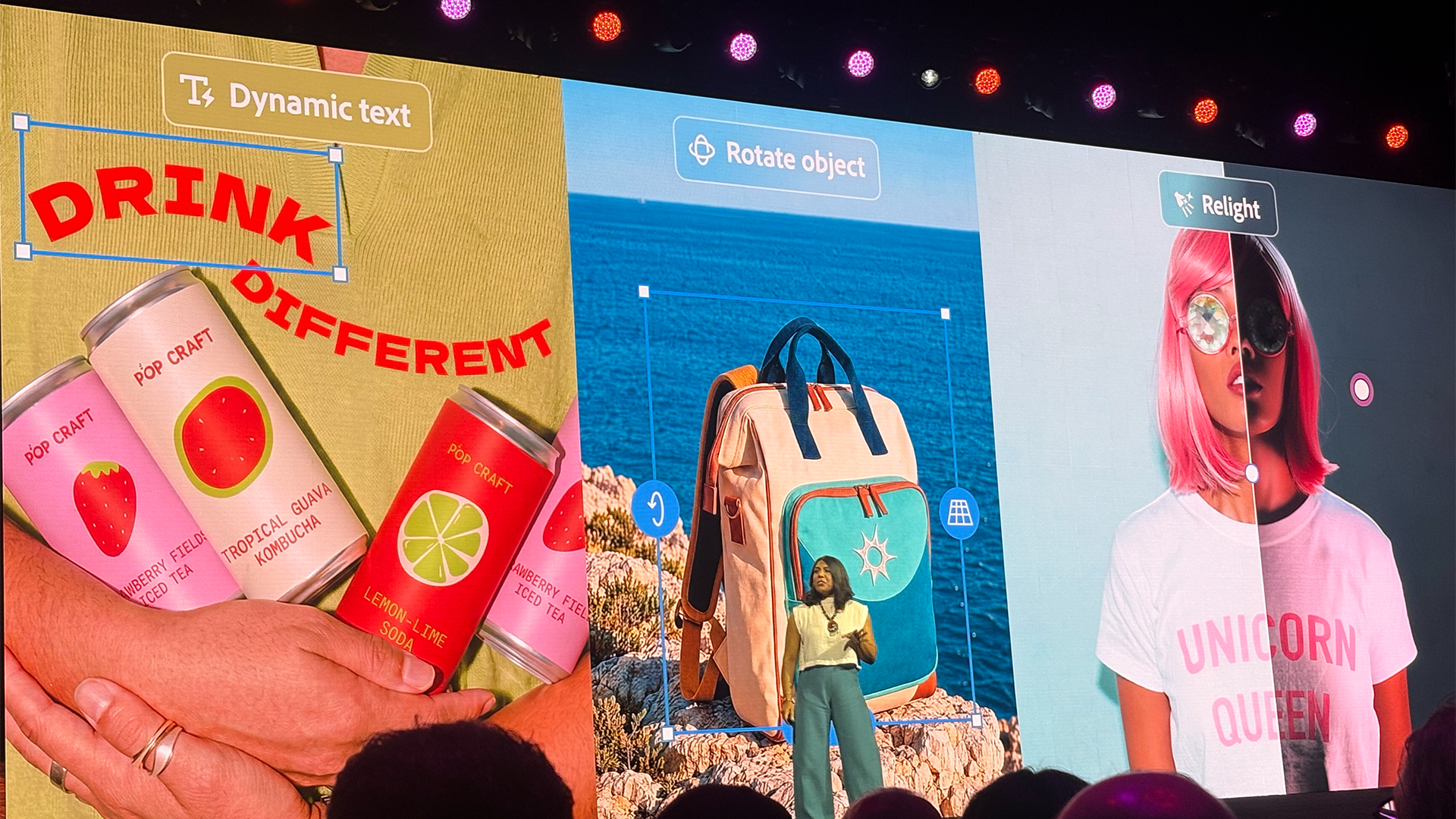
The implications of Adobe’s AI integration extend to its flagship products, including Photoshop. Recent announcements and previews suggest a future where AI features are not add-ons but integral components of the creative process. This could manifest in a variety of ways, from advanced content-aware fill capabilities that go beyond mere pixel manipulation to AI-powered style transfer and intelligent image upscaling.
The partnership between Adobe and Google, as hinted at in earlier reports, further underscores this forward-thinking approach. This collaboration suggests a potential for deeply integrated cloud-based AI processing, enabling even more complex and computationally intensive AI tasks to be performed seamlessly within Adobe applications. This could democratize access to powerful AI tools, making them available to a wider range of creatives, regardless of their hardware capabilities.
Supporting Data and Emerging Trends: The Creative Industry’s AI Adoption Curve
While the exact figures for AI adoption within the creative industry are still emerging, industry reports indicate a significant upward trend. A recent survey by Statista revealed that a substantial percentage of creative professionals are already utilizing AI tools in their workflows, with a majority expressing positive sentiment towards their impact on productivity and efficiency.
Adobe’s own internal data, though not publicly disclosed in detail, likely reflects this broader trend. The company’s strategic investments in AI research and development, alongside the rapid expansion of its Firefly capabilities, suggest a keen understanding of market demand and a proactive approach to shaping the future of creative tools.
Official Responses: Beyond the Keynote
Beyond the keynote addresses, numerous sessions and workshops at Adobe MAX 2026 delved deeper into the practical applications of AI for creatives. Adobe executives and product managers engaged with attendees, answering questions and addressing concerns directly. The recurring message was one of empowerment: AI is presented not as a replacement for human creativity, but as a powerful collaborator that can augment and accelerate the creative process.
The company is also actively engaging with industry bodies and thought leaders to establish best practices and ethical guidelines for AI in creative fields. This collaborative approach signals a commitment to fostering a sustainable and responsible AI ecosystem.
Implications for the Creative Landscape: A New Era of Possibility
The developments showcased at Adobe MAX 2026 suggest a profound shift in the creative landscape. The integration of advanced AI tools promises to:
- Democratize Creativity: Making sophisticated creative capabilities accessible to a broader audience, lowering the barrier to entry for aspiring artists and designers.
- Enhance Efficiency: Automating repetitive tasks, freeing up creatives to focus on conceptualization, innovation, and the nuanced aspects of their craft.
- Unlock New Possibilities: Enabling the creation of entirely new forms of art and media, pushing the boundaries of what is currently imaginable.
- Foster Collaboration: Facilitating new ways for humans and AI to work together, leading to synergistic outcomes that surpass individual capabilities.
However, these advancements also bring forth critical questions that the creative community must continue to address:
- The Definition of Artistry: How will the role of the human artist evolve in an AI-augmented world?
- Ethical Considerations: How can we ensure the responsible and equitable use of AI in creative industries, safeguarding against bias and misuse?
- Skill Development: What new skills will be essential for creatives to thrive in this evolving landscape?
Adobe MAX 2026 has undeniably set the stage for a future where AI is an integral part of the creative toolkit. While the journey ahead will undoubtedly involve navigating complex challenges and ethical considerations, the prevailing sentiment suggests a path forward where technology serves to amplify, rather than diminish, the boundless potential of human creativity. The cautious optimism that has emerged from this year’s event may well be the harbinger of a new, exciting, and more inclusive era for the arts.