Delivering History: How ‘A Postman’s Journey’ Reclaims the Human Narrative of World War II
The landscape of World War II video games has, for decades, been defined by the roar of Mustang engines, the clatter of Thompson submachine guns, and the grand strategic maneuvers of generals. From the cinematic spectacle of Call of Duty to the grueling realism of Hell Let Loose, the industry has largely focused on the "Big History"—the tactical victories and monumental tragedies that shaped the 20th century. However, a new indie title showcased at the recent AdventureX expo is seeking to shift the lens from the battlefield to the doorstep.
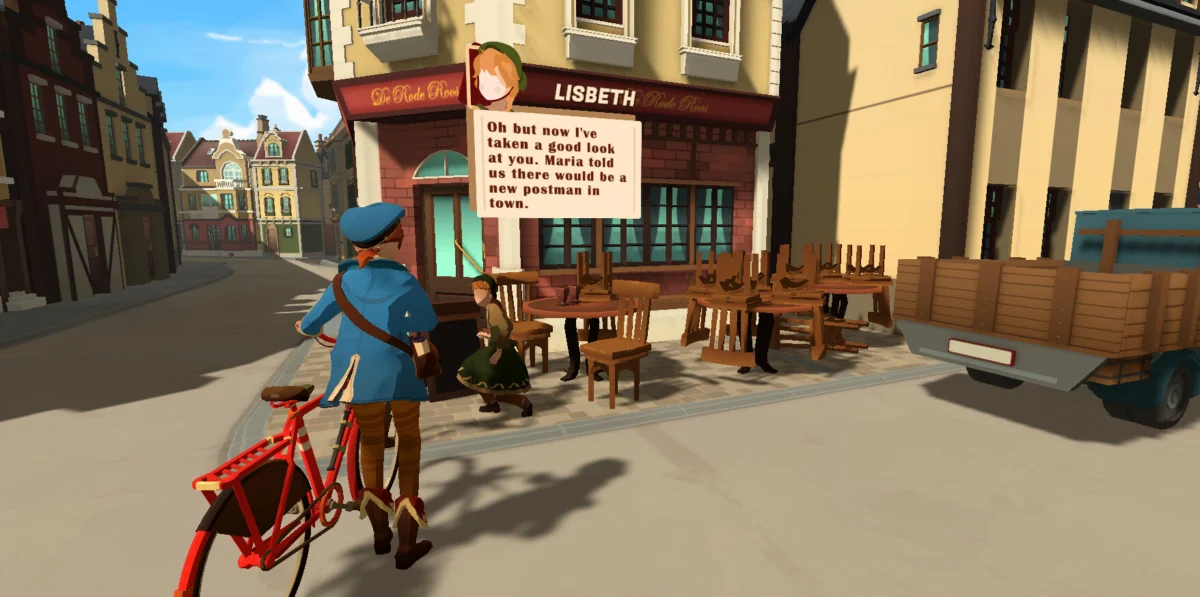
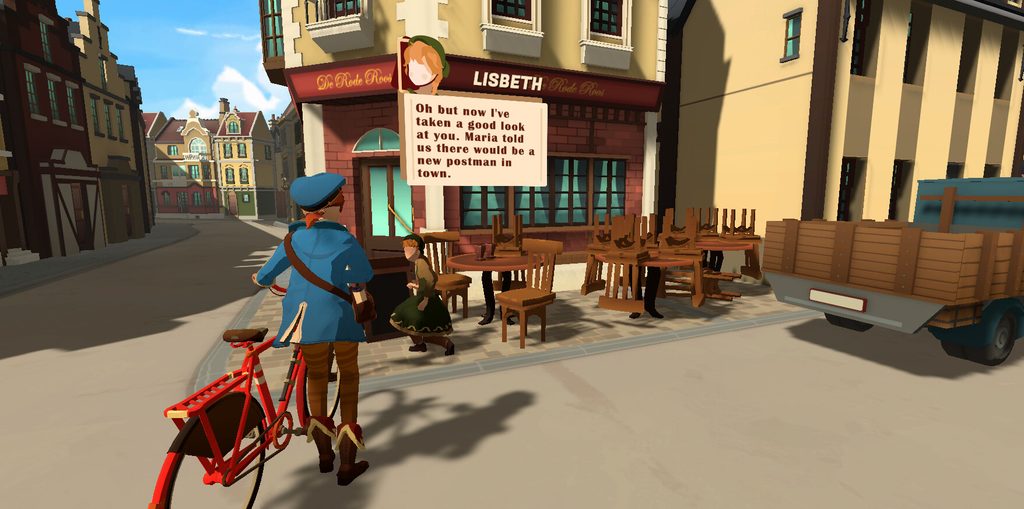
A Postman’s Journey is an upcoming narrative-driven exploration game that eschews the front lines in favor of the winding streets of a small town during the height of the conflict. Developed with a focus on historical preservation and emotional resonance, the game tasks players not with capturing objectives, but with delivering the only lifeline many families had: the mail.
Main Facts: A Shift in Perspective
At its core, A Postman’s Journey is a game about connectivity in an era of profound isolation. During World War II, before the advent of digital communication, the postal service was the arterial system of global morale. For those at home, a letter was a confirmation of life; for those abroad, it was a tether to the world they were fighting to protect.
The game places players in the role of a local postal worker. Equipped with a bicycle and a bag full of correspondence, the player navigates a town grappling with the quiet anxieties of wartime. The gameplay loop is deceptively simple but emotionally heavy:
- The Pedaling Mechanic: On a controller, players must physically "pedal" to move their bike, a tactile choice by the developers to ground the player in the physical labor and slow pace of the era.
- Narrative Interactivity: Players engage with a diverse cast of townspeople, ranging from shopkeepers to grieving parents, each with their own story to tell.
- Authentic Documentation: Perhaps the game’s most striking feature is that the letters delivered are based on real historical correspondence, providing an unfiltered look at the hopes, fears, and mundane realities of the 1940s.
Chronology: From Archives to AdventureX
The development of A Postman’s Journey reflects a growing trend in the indie game sector: the use of interactive media as a digital archive. While the project is still in its early stages, its trajectory highlights a meticulous approach to storytelling.
The Conceptual Phase
The developers began with a mission to document "tiny, everyday moments." Research involved diving into historical archives to find letters that weren’t necessarily written by famous figures, but by ordinary citizens. The goal was to capture the vernacular and the specific emotional texture of the period—the "small history" that often falls through the cracks of textbooks.
The Development of Mechanics
The team settled on the postal delivery framework as it provided a natural "quest" system that facilitated organic storytelling. By making the player a postman, the developers created a character who has a legitimate reason to enter every home and speak to every citizen, acting as a silent witness to the town’s collective psyche.
The AdventureX Debut
The game recently made a significant appearance at AdventureX, the UK’s premier convention for narrative-driven games. Though the demo was described as being in its "early days," it garnered significant attention for its art style and its commitment to emotional authenticity. The feedback from the expo has been instrumental in refining the game’s "human moments," particularly the cutscenes that trigger when a character receives a letter.
Supporting Data: The Power of the Written Word in Wartime
To understand the weight of A Postman’s Journey, one must look at the historical data regarding the postal service during World War II. The scale of mail delivery during the conflict was unprecedented and serves as the backbone for the game’s narrative urgency.
- Volume of Correspondence: Between 1940 and 1945, the British Army Postal Service handled over 2 billion items of mail. In the United States, the "V-Mail" (Victory Mail) system was established to process the staggering volume of letters while saving space on transport ships and planes.
- Morale as a Metric: Military leadership at the time recognized that mail was "the most important factor in the morale of the soldier." A delay in mail delivery was often cited in official reports as a primary cause of depression and declining performance among troops.
- The Role of Women and the Elderly: With millions of young men enlisted, the domestic postal service relied heavily on those left behind. A Postman’s Journey reflects this demographic shift, showing how the "home front" was maintained by everyday individuals who took on essential roles to keep society functioning.
By utilizing real letters, the game taps into this data not as dry statistics, but as lived experiences. The reactions players witness in the game—tears of relief, the quiet folding of a page, or the frustrated sigh of a shopkeeper—are dramatizations of documented historical behaviors.
Official Responses and Developer Vision
While the developers remain a small, dedicated team, their presence at AdventureX allowed for a glimpse into their creative philosophy. The overarching sentiment from the development floor is one of "stewardship." They do not view A Postman’s Journey merely as a product, but as a vessel for preservation.
"There is a lot of passion within the team and a drive to keep these smaller, human moments alive," noted observers at the event. The developers have emphasized that they want to "showcase history in a very different way." Instead of focusing on the result of the war, they are focusing on the experience of the war.
The team has also addressed the technical side of the narrative, explaining that the "pedaling" mechanic was a conscious design choice to prevent the game from feeling like a standard "fetch-quest" simulator. By forcing the player to engage with the movement of the bike, the game creates a meditative space, allowing the player to reflect on the dialogue and the weight of the letters they carry.
Implications: Games as Modern Memorials
The emergence of A Postman’s Journey carries significant implications for both the gaming industry and the field of public history.
1. The "Cozy-Serious" Genre
The game fits into an emerging sub-genre often dubbed "cozy-serious." It uses the aesthetic and mechanical hallmarks of "cozy" games (low-stress environments, community interaction, charming visuals) to tackle deeply serious and often tragic themes. This juxtaposition allows players to engage with difficult history without the "combat fatigue" associated with traditional war games.
2. Digital Preservation
As the generation that lived through World War II passes away, the physical artifacts of their lives—like handwritten letters—risk being lost or forgotten. By digitizing the essence of these letters into an interactive format, A Postman’s Journey serves as a modern memorial. It introduces younger audiences to the emotional reality of the 1940s in a medium they are comfortable with.
3. Empathy-Driven Design
The game’s focus on the "reaction" of the recipient is a masterclass in empathy-driven design. In most games, delivering an item results in a reward (gold, experience points, or a new weapon). In A Postman’s Journey, the reward is the narrative payoff—the human connection. This shifts the player’s motivation from self-optimization to communal support.
Conclusion: A Letter Yet to be Delivered
A Postman’s Journey is currently available for wishlisting on Steam, and while a firm release date has yet to be announced, the buzz from AdventureX suggests a high level of anticipation among fans of narrative-driven indies.
In a world that is increasingly fragmented by digital noise, there is something profoundly moving about a game that celebrates the slow, deliberate act of writing and receiving a letter. By focusing on the postman—the humble intermediary of hope and heartbreak—the developers are ensuring that the "tiny moments" of the Great Generation are given the grand stage they deserve. As players pedal through the virtual streets of the past, they aren’t just playing a game; they are delivering the echoes of a history that still resonates today.