
The Reluctant Prophet: Jack Kerouac’s Private World Unveiled at the Grolier Club
Introduction
In the popular imagination, Jack Kerouac remains forever frozen in the neon-lit haze of 1950s Greenwich Village—a restless, rucksack-wearing wanderer hunched over a typewriter or nursing a drink at the White Horse Tavern. His literary geography rarely seemed to venture north of 14th Street, rooted instead in the jazz clubs and smoky cafes of Downtown Manhattan. However, a new exhibition on the Upper East Side is challenging this static mythos, bringing the intimate, tactile remains of Kerouac’s life into the hallowed, wood-paneled halls of the Grolier Club.
Titled Running Through Heaven: Visions of Jack Kerouac, the exhibition offers a rare, scholarly, and deeply personal look at the man behind the "King of the Beats" moniker—a title he famously loathed. Curated by antiquarian collector Jacob Loewentheil, the show assembles approximately 60 pieces of ephemera, including unpublished letters, cherished talismans, and annotated first editions. By moving Kerouac from the gritty sidewalks of the Village to the prestigious display cases of a 140-year-old bibliophilic society, the exhibition invites a re-evaluation of Kerouac not just as a cultural rebel, but as a disciplined artist, a spiritual seeker, and a man haunted by his own history.
I. Main Facts: The Scope of "Running Through Heaven"
The exhibition, which runs through May 16, is a curated journey through the private archive of Jack Kerouac, much of which has remained out of the public eye for decades. Unlike large-scale museum retrospectives that focus on the broad cultural impact of the Beat Generation, Running Through Heaven is intentionally intimate. It focuses on the "stuff" of Kerouac’s daily existence: the items he carried in his pockets, the books he inscribed for friends, and the letters where he dropped his guard.
The collection is organized thematically, moving through the pillars of Kerouac’s identity: Religion, Jazz, Family, and Self. Among the most notable items on display are:

- The Ginsberg Portrait (1964): A haunting photograph taken by Allen Ginsberg of Kerouac during a DMT trip, described by Ginsberg as capturing a moment of "mortal horror."
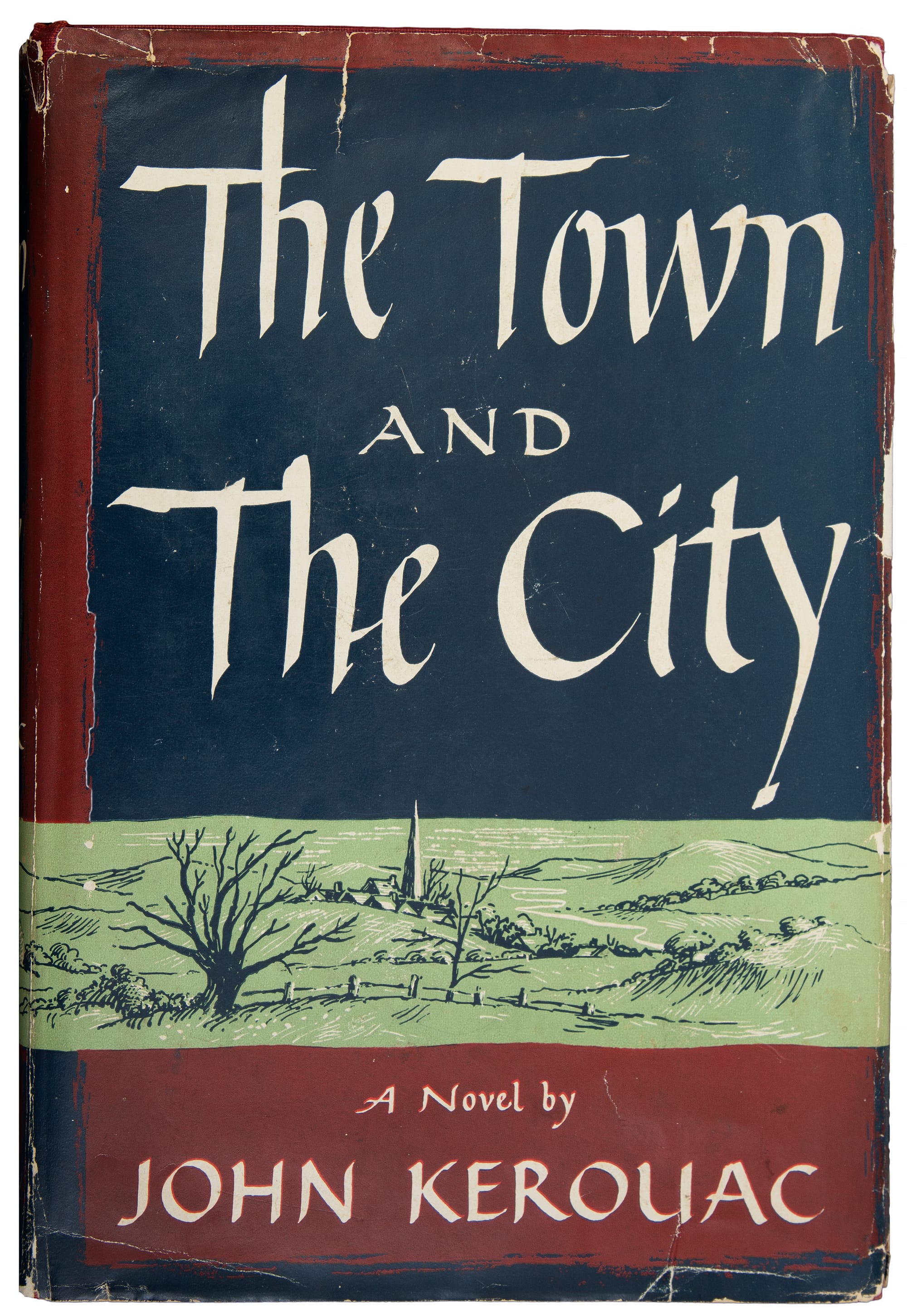
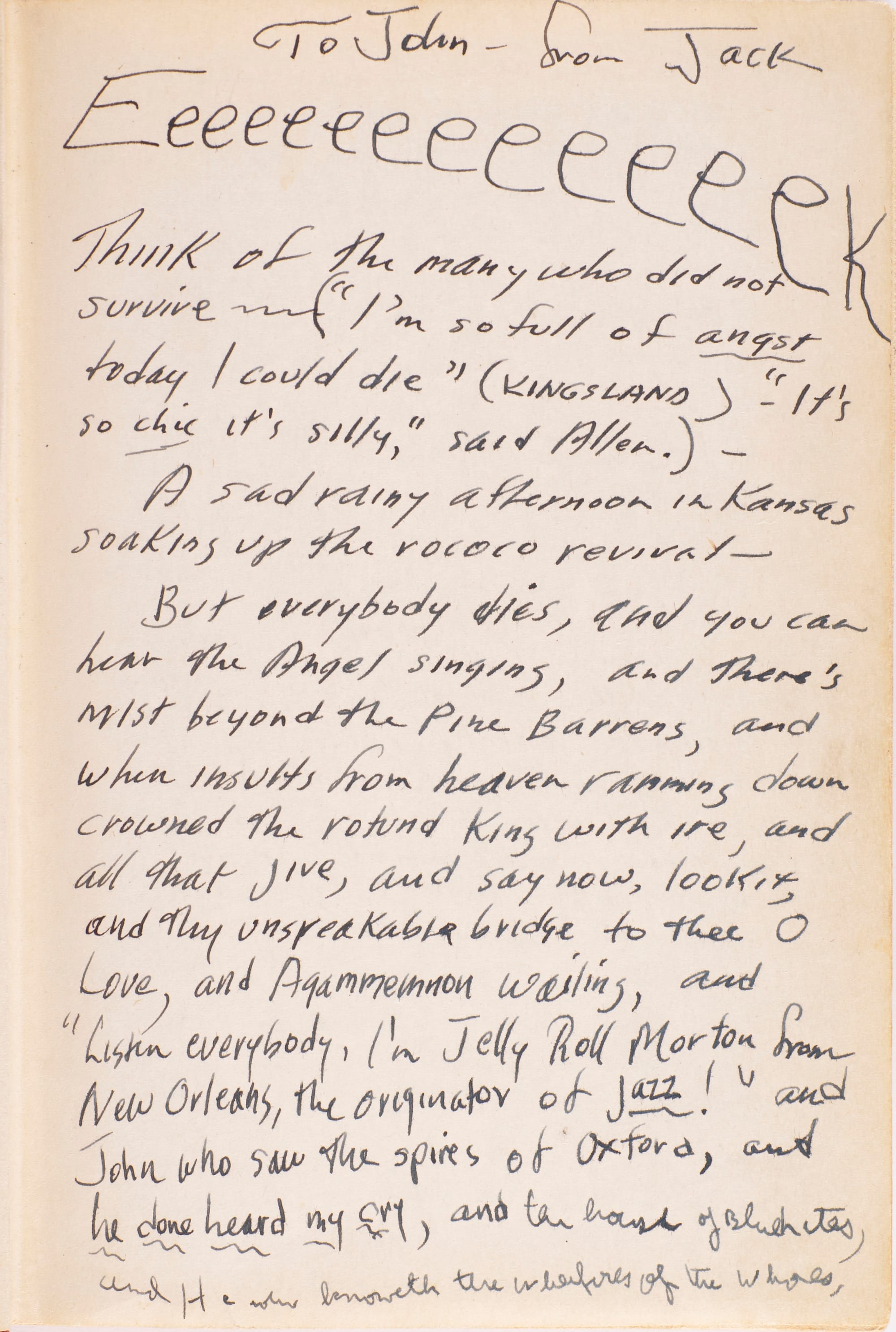
- The Personal Library: First editions of The Town and the City and On the Road, many featuring improvised inscriptions that hint at the "spontaneous prose" style Kerouac would later perfect.
- Spiritual Artifacts: A Buddhist mala (prayer beads) and documents reflecting his syncretic interest in Catholicism and Eastern philosophy.
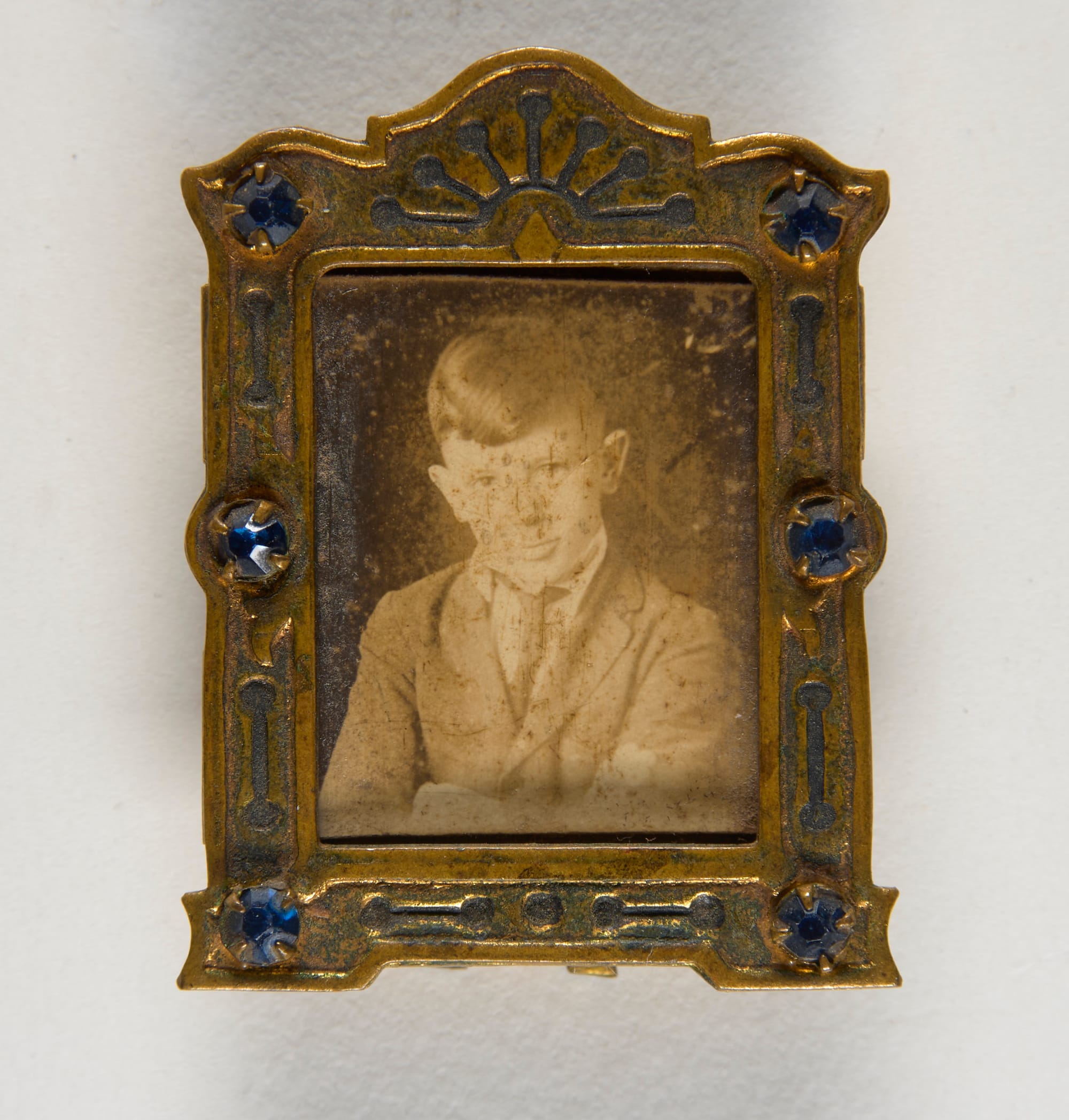
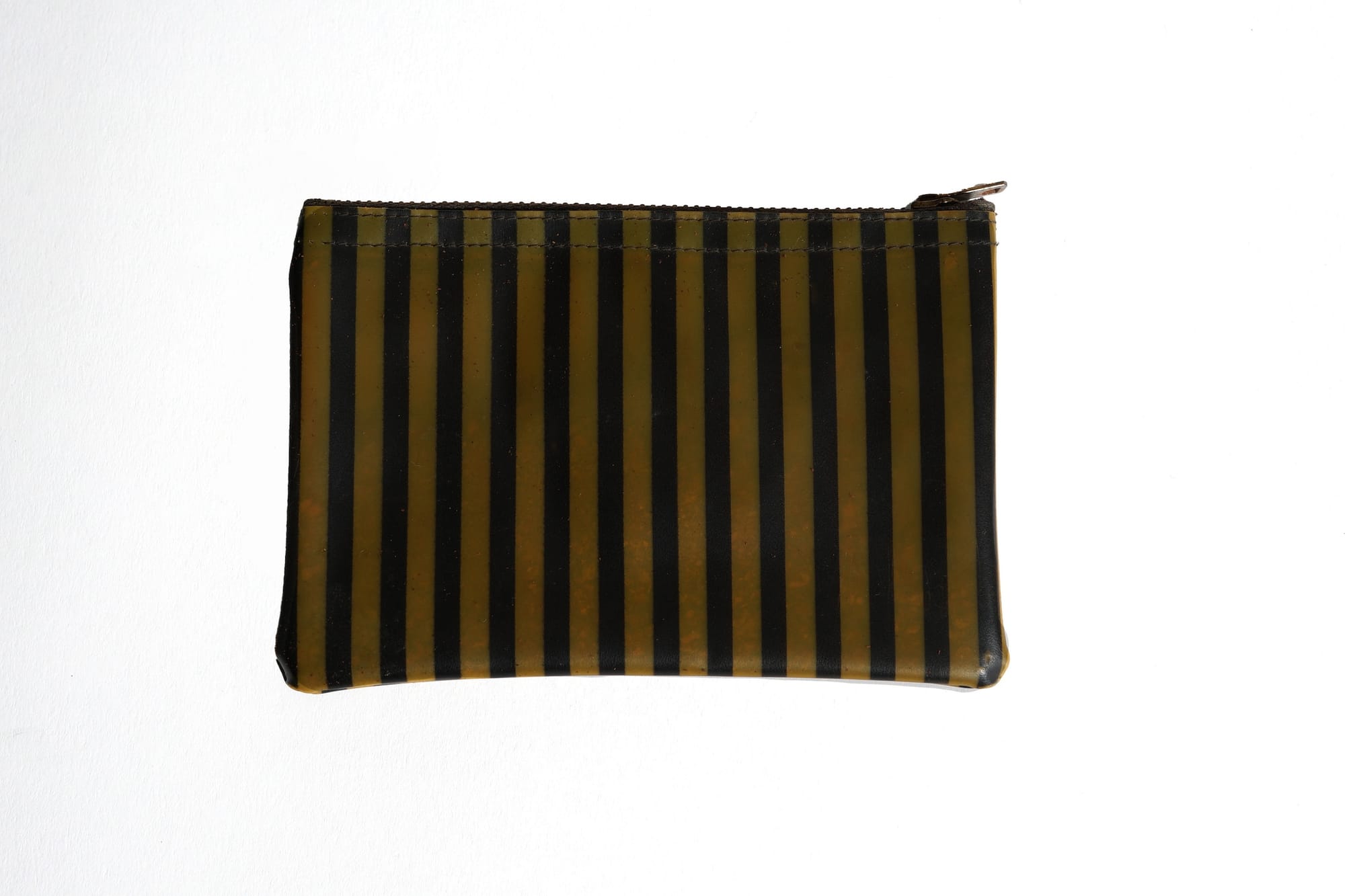
- Personal Effects: A mid-20th-century vinyl tobacco pouch, still dusted with traces of leaf, and a small, faux-gemstone-encrusted frame containing a photo of his late brother, Gerard.
The Grolier Club has maintained a strict "no photography" policy for the exhibition, a move that reinforces the sanctity of the physical archive. Visitors are forced to engage with the yellowing paper and faded ink without the mediation of a smartphone screen, echoing the raw, unpolished immediacy of Kerouac’s own writing.
II. Chronology: From Lowell Athlete to Literary Icon
To understand the significance of the items in Running Through Heaven, one must trace the trajectory of Kerouac’s life—a journey marked by sudden pivots and deep-seated loyalties.
The Early Years (1922–1940):
Born Jean-Louis Kerouac in Lowell, Massachusetts, to French-Canadian parents, Kerouac’s first language was Joual (a French dialect). His early life was defined by two major events represented in the exhibition: the death of his older brother Gerard at age nine and his own prowess as a football star. A snapshot in the exhibition shows Kerouac at football practice in the late 1930s, a reminder that his path to New York was paved not by poetry, but by an athletic scholarship to Columbia University.
The Columbia Years and the Birth of the Beats (1940–1950):
Kerouac’s football career ended abruptly after he broke his leg during his freshman year. This injury, however, proved to be a literary catalyst. Withdrawn from the field, he began spending time in the West End Bar, where he met Allen Ginsberg and William S. Burroughs. The exhibition’s copy of The Town and the City (1950), his first published novel, serves as a bridge between his traditional literary aspirations and the radical experimentation that would follow.
The "On the Road" Explosion (1951–1957):
The exhibition features Kerouac’s personal copy of the 1957 Viking Press edition of On the Road. It took six years and numerous rejections for the book to see the light of day. When it finally did, the New York Times hailed it as a "historic occasion," instantly transforming Kerouac into a celebrity.
The Reluctant Icon (1958–1969):
The latter part of the chronology is one of retreat. As shown in the Grolier Club’s paperback edition of On the Road (1958), the marketing of the "Beat Generation" as a rebellious, anti-establishment movement deeply alienated Kerouac. He spent his final years living with his mother, retreating into his Catholic roots and battling the alcoholism that would eventually claim his life at age 47.
III. Supporting Data: The Anatomy of an Archive
The power of Running Through Heaven lies in the specific, often mundane details of the artifacts. These items provide a data-driven look at Kerouac’s process and preoccupations.
The Epistolary Record:
Correspondence with childhood friends, such as George Apostolos, reveals a Kerouac who was far more grounded than his public persona suggested. In one letter, he begins by wanting to "shoot the shit," a phrase that curator Loewentheil highlights as an invitation to see the author as a peer rather than a myth. These letters provide empirical evidence of Kerouac’s lifelong commitment to his roots in Lowell, even as he traveled the world.
The Tactile Evidence:
The tobacco pouch and the Buddhist mala serve as physical data points for Kerouac’s sensory world. The tobacco pouch represents the nervous energy of his writing process—he was a chain smoker who famously wrote On the Road on a single 120-foot scroll of teletype paper to avoid breaking his flow. The mala, meanwhile, tracks his spiritual data. Kerouac was not a "hobbyist" Buddhist; he studied the texts deeply, and the wear on his prayer beads suggests a rigorous, if tortured, spiritual practice.
The Visual Record:
The exhibition includes work by Fred W. McDarrah, the "de-facto photographer" of the Beat Generation. McDarrah’s photos, such as those on the cover of The Beat Scene (1960), provide a counterpoint to the more staged, commercial images of the era. They capture the "unguarded moments" that the Grolier Club emphasizes as the core of the show’s mission.
IV. Official Responses and Curatorial Intent
Jacob Loewentheil’s curation is a departure from the "Greatest Hits" approach to literary exhibitions. As an antiquarian collector, Loewentheil’s interest lies in the provenance and the "soul" of the object.
"This show invites us all… to shoot the shit with Jack," the exhibition notes suggest. The goal was to dismantle the "mythic" status bestowed upon Kerouac by Ginsberg’s photography and Burroughs’ counter-cultural status. By focusing on the Grolier Club—a venue synonymous with the preservation of the book as an object—the exhibition repositions Kerouac within the tradition of the "Great American Novelist" rather than just a cultural phenomenon.
The Grolier Club itself issued a statement noting that the paperback editions on display helped "fix his image as the voice of a rebellious generation, a reputation he grew to loathe." This institutional acknowledgement of Kerouac’s discomfort with his own fame is a central theme of the show. The club’s decision to host the event signifies a formal "acceptance" of the Beats into the canon of serious bibliophilia, moving them from the "pulp" category into the "rare book" category.
V. Implications: The Humanization of a Myth
The implications of Running Through Heaven extend beyond the Upper East Side. The exhibition arrives at a time when the "Beat" aesthetic is often reduced to a fashion statement or a travel trope. By presenting the actual, physical remnants of Kerouac’s life, the show forces a confrontation with the reality of his struggle.
1. The De-Mythologization of the Beat:
Seeing Kerouac’s childhood football photos and his devotion to his deceased brother Gerard (which inspired his 1963 novel Visions of Gerard) humanizes a figure who has been largely commodified. It reminds the public that the "Beat" movement was rooted in deep personal loss and a search for meaning, rather than just a desire for hedonism.
2. The Importance of the Physical Archive:
In a digital age, the "yellowing pages" and "traces of tobacco leaf" mentioned in the exhibition descriptions carry a new weight. They argue for the continued relevance of the physical archive. The fact that no photos are allowed in the gallery space implies that some experiences—much like Kerouac’s "spontaneous prose"—must be experienced in the present moment to be understood.
3. The Legacy of the "Reluctant Icon":
Finally, the exhibition highlights the tension between the artist and the audience. Kerouac’s loathing of his status as a "rebel leader" serves as a cautionary tale about the dangers of literary branding. Running Through Heaven successfully strips away the brand to reveal the writer—a man who was, in his own words, simply trying to "run through heaven" while navigating the complexities of earth.
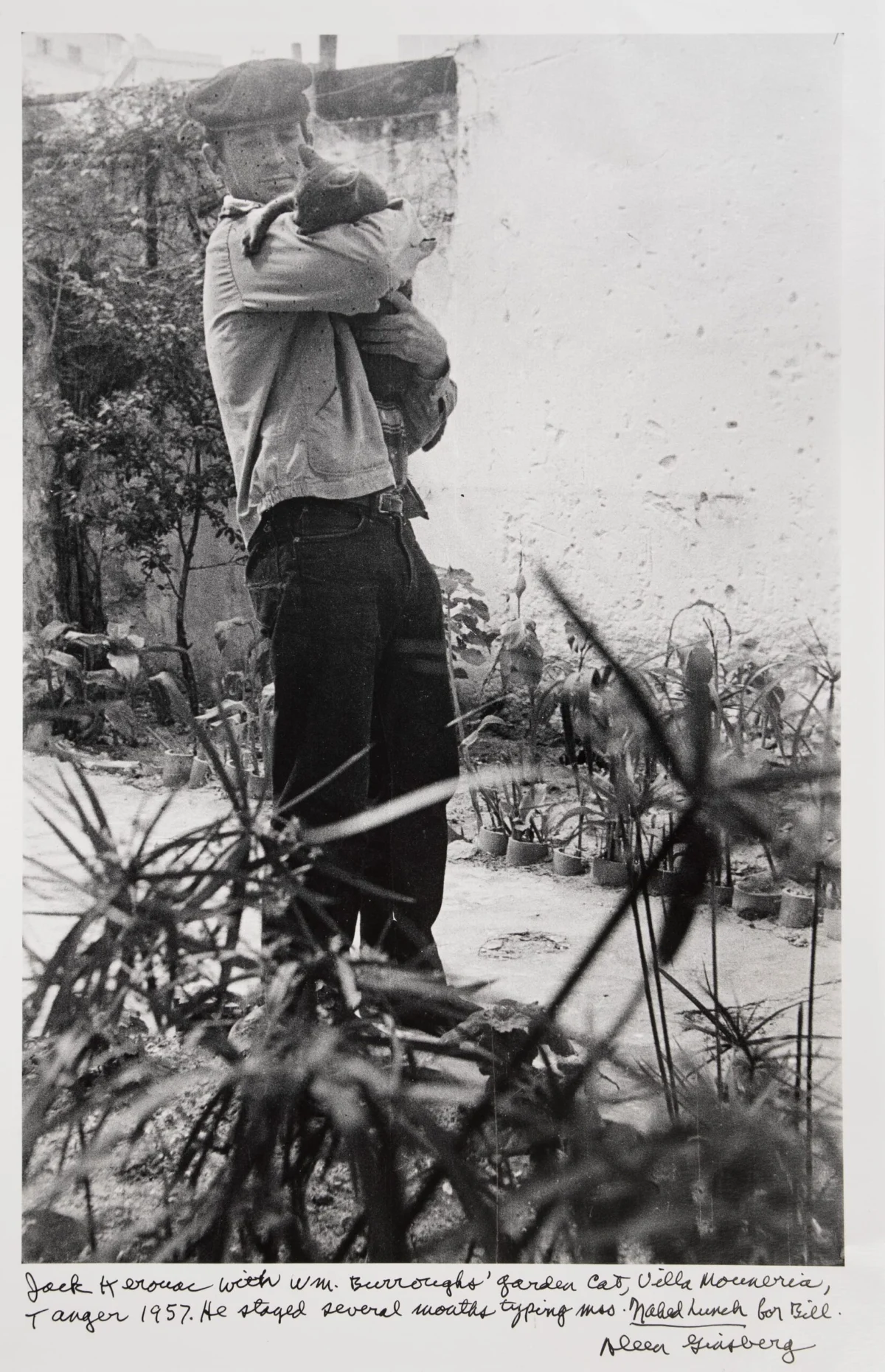
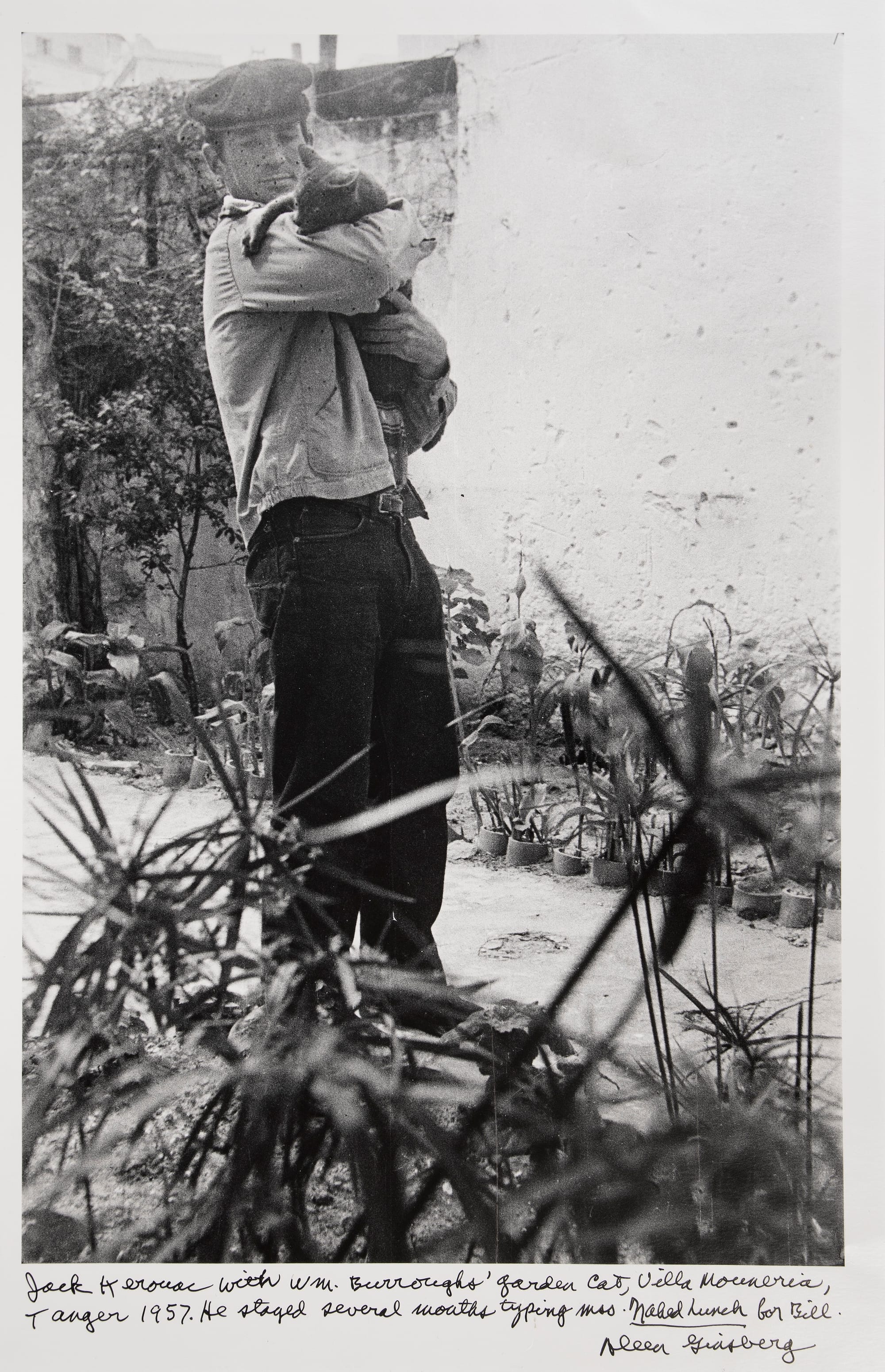
As the exhibition concludes its run this May, it leaves behind a revised portrait of Jack Kerouac. He is no longer just the man on the road; he is the man in the library, the man at the altar, and the man holding a cat in Tangiers—a multifaceted human being whose true "visions" were found not just in the horizon, but in the small, cherished objects he kept close to his heart.


Leave a Comment