
Entering the Netherrealm: How Mortal Kombat II Redefines the Franchise and Sets the Stage for an Epic Trilogy
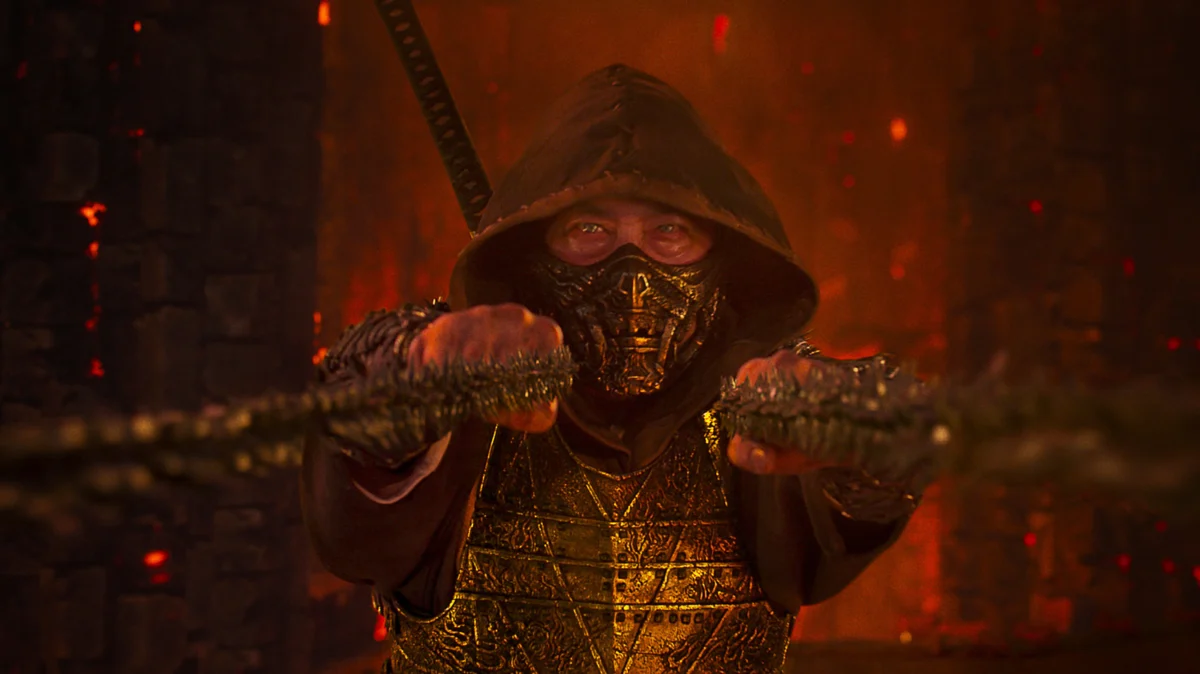
The release of Mortal Kombat II marks a pivotal moment for Warner Bros. Pictures and the storied legacy of the world’s most famous fighting game adaptation. While its 2021 predecessor served as a polarizing introduction to a new generation of cinematic warriors, the sequel has arrived with a clear mission: to honor the source material’s brutal competitive roots while forging a narrative path that transcends the simple "bracket-style" storytelling of the past. By the time the credits roll, Mortal Kombat II does more than just crown a victor; it fundamentally shifts the stakes of the franchise, setting up a third installment that promises to venture into the darkest corners of the series’ lore.
Main Facts: The Tournament Returns and the Stakes Reach a Fever Pitch
For many fans, the 2021 Mortal Kombat film was a prologue that felt incomplete. Despite showcasing high-budget fatalities and a diverse cast, it notably lacked the very thing its title promised: the Mortal Kombat tournament. Directed by Simon McQuoid, Mortal Kombat II acts as a direct response to those criticisms. The film’s primary narrative engine is the high-stakes tournament for the freedom of Earthrealm.
The sequel pits the champions of Earthrealm against the overwhelming forces of Outworld, a realm led by the tyrannical Shao Kahn (played with menacing physicality by Martyn Ford). Unlike the first film, which focused on "Arcana" and the gathering of heroes, the sequel is an relentless gauntlet of martial arts prowess and supernatural violence. However, the film’s most significant contribution to the franchise is its refusal to play it safe.
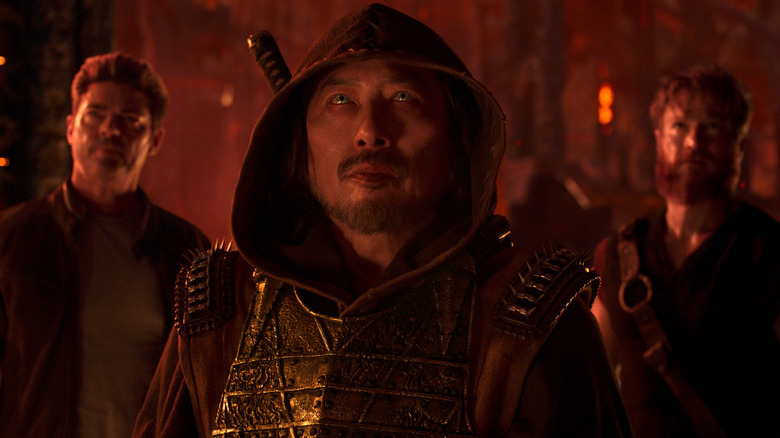
In a bold narrative move, the film concludes with the deaths of several primary protagonists, including Cole Young (Lewis Tan), Jax (Mehcad Brooks), and Liu Kang (Ludi Lin). These are not merely temporary setbacks but grisly, definitive ends that occur during the heat of the tournament. By removing the "plot armor" typically associated with franchise leads, McQuoid and screenwriter Jeremy Slater have successfully injected a sense of genuine peril into the series. The film ends not with a celebration of victory, but with a desperate resolution: the survivors—including Johnny Cage (Karl Urban), Kitana (Adeline Rudolph), and a reformed Scorpion—vow to descend into the Netherrealm to reclaim the souls of their fallen brothers-in-arms.
Chronology: From the 2021 Prologue to the Netherrealm Cliffhanger
To understand the weight of the Mortal Kombat II ending, one must look at the chronological evolution of this specific cinematic timeline.
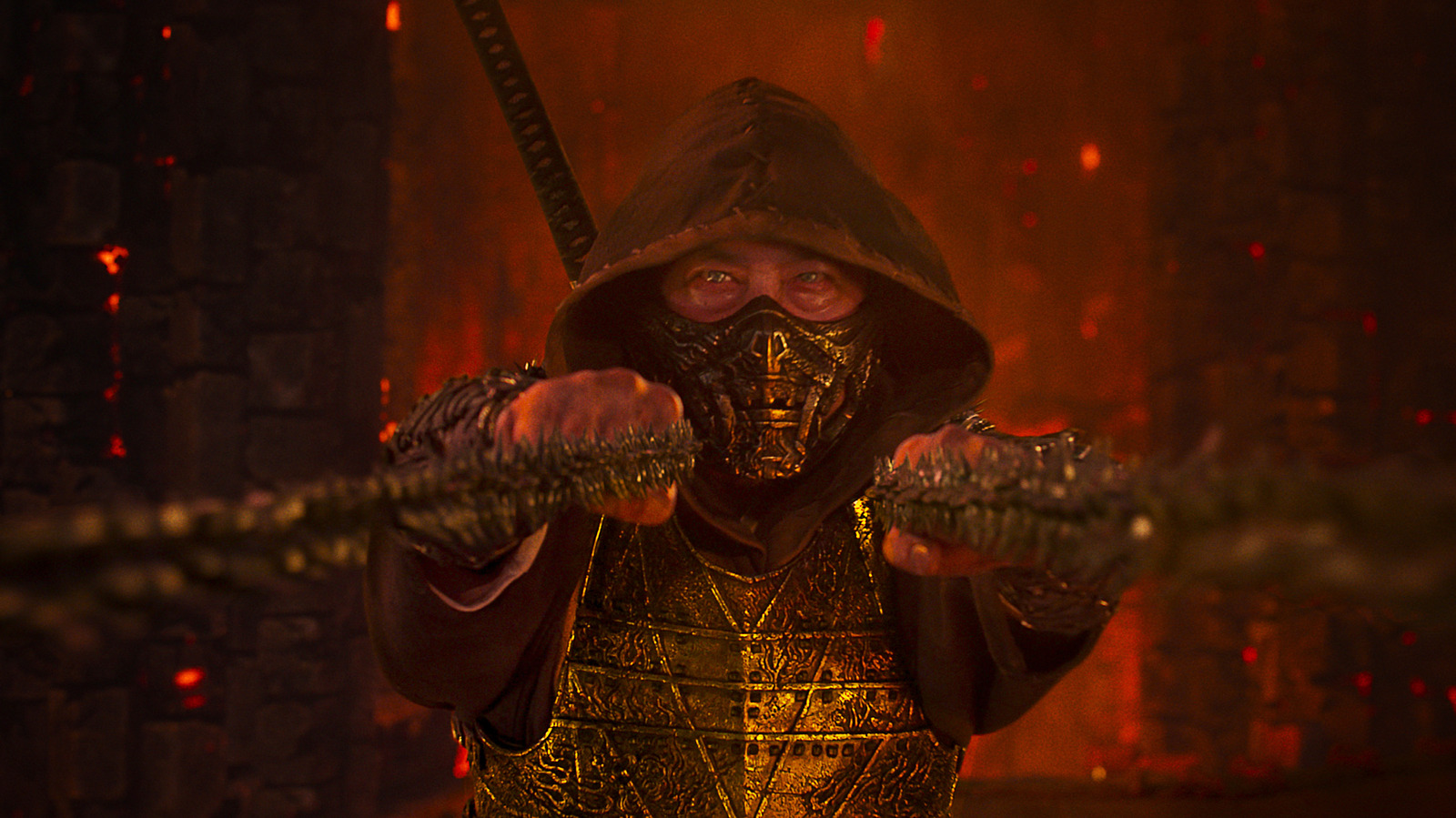
The 2021 Foundation
The first film focused on the "gathering" phase. It introduced Cole Young, an original character for the screen, and established the concept of the "Arcana"—supernatural abilities unlocked through a champion’s soul. While it featured the rivalry between Scorpion and Sub-Zero, it concluded before the official tournament could begin, leaving Earthrealm’s fate hanging in the balance.
The Mortal Kombat II Escalation
The sequel picks up the thread immediately. The tournament is sanctioned by the Elder Gods, forcing Raiden’s champions into a series of life-or-death matches. This middle chapter serves as the "Empire Strikes Back" of the trilogy, where the heroes face devastating losses. The introduction of Johnny Cage provides the necessary levity and star power, but even his charisma cannot shield the team from the brutality of Outworld’s elite.
The Final Gambit
The climax of the film sees the defeat of Shao Kahn, but at a staggering cost. The tournament is technically won, but the "heroes’ journey" is redirected. Instead of returning home to Earthrealm to rest, the survivors realize that their victory is hollow without their comrades. This leads to the final scene: the remaining champions standing at the gates of the Netherrealm (the franchise’s version of Hell), preparing for an unauthorized rescue mission that will likely serve as the plot for Mortal Kombat 3.
Supporting Data: Lore Integration and the Role of the Netherrealm
The decision to move the story toward the Netherrealm is backed by decades of video game lore. In the Mortal Kombat universe, the Netherrealm is a bottomless pit of fire and brimstone, inhabited by demons, fallen gods, and "wraiths."
- The Quan Chi Factor: Played by Damon Herriman, the sorcerer Quan Chi is introduced in the sequel as a puppet master operating from the shadows. In game lore, Quan Chi is the architect of the Netherrealm’s power, often resurrecting fallen warriors as "Revenants"—mind-controlled, evil versions of their former selves.
- The Revenant Theory: The deaths of Liu Kang and Jax in Mortal Kombat II align perfectly with the "Revenant" storylines seen in Mortal Kombat X and Mortal Kombat 11. This suggests that in the third movie, the survivors won’t just be fighting demons; they will likely be fighting the corrupted souls of the friends they came to save.
- Narrative Divergence: While the 2021 film was criticized for its slow pace, Mortal Kombat II boasts a significantly higher "body count" and a faster-paced structure. According to early screening reports and production data, the sequel features nearly double the number of choreographed fight sequences compared to the first film, moving the franchise closer to the "spectacle" status of modern action blockbusters.
Official Responses: A Creative Vision for Character-Driven Action
Director Simon McQuoid and writer Jeremy Slater have been vocal about their desire to make the characters feel like more than just "avatars" on a screen. In various press junkets and interviews leading up to the release, the creative team emphasized that Mortal Kombat II was designed as a "corrective" experience.
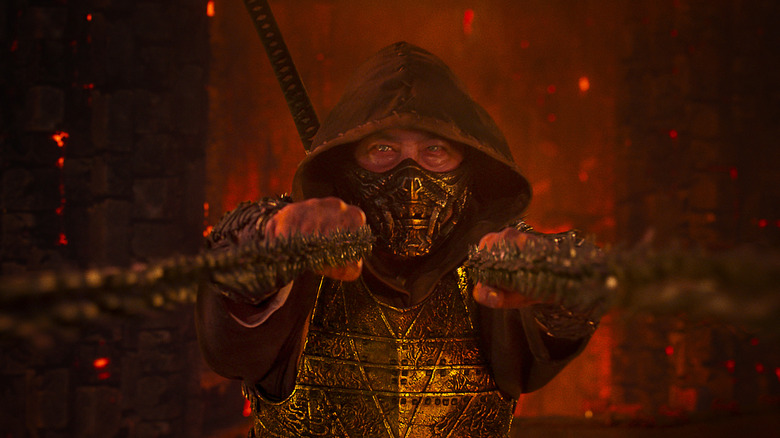
"We heard the fans loud and clear," Slater noted in a recent production featurette. "They wanted the tournament, they wanted the gore, but they also wanted to care when someone gets a fatality performed on them. You can’t have stakes if everyone is safe."
The inclusion of Karl Urban as Johnny Cage was a strategic move by Warner Bros. to ground the fantastical elements of the story in a recognizable, human ego. Urban’s portrayal has been praised for bridging the gap between the film’s dark fantasy elements and the "real world" perspective of the audience. The creative team’s official stance is that the third film will move away from the rigid structure of a tournament and into the realm of an "epic quest," comparing the potential third installment to a dark fantasy version of Saving Private Ryan.
Implications: What the Future Holds for Mortal Kombat 3
The ending of Mortal Kombat II has massive implications for the future of the franchise, both narratively and commercially.
1. The End of the "Tournament" Era?
By moving the action to the Netherrealm for the third film, the producers are signaling a departure from the traditional tournament format. This is a risky but necessary evolution. While fans wanted the tournament in the sequel, a third movie featuring another bracket-style competition might feel repetitive. A rescue mission into Hell allows for more creative freedom in environmental design and enemy types (such as the Oni demons).
2. The Transformation of Cole Young
Cole Young was a controversial addition to the lore in 2021. By killing him off in the sequel, the filmmakers have done the unthinkable: they have used the "audience surrogate" to prove that no one is safe. However, in a world where the Netherrealm exists, death is rarely the end. The implication is that Cole may return in the third film, but perhaps not as the hero fans expect.
3. The Expansion of the "MKU" (Mortal Kombat Universe)
The success of Mortal Kombat II at the box office will determine if Warner Bros. proceeds with spin-offs. The rich characterizations of Kitana and Jade in the sequel suggest that the studio is testing the waters for a "female-led" Outworld prequel or a series focused on the Special Forces (Sonya Blade and Jax).
4. A New Visual Palette
The shift from the dusty arenas of Outworld to the gothic, fiery depths of the Netherrealm suggests that Mortal Kombat 3 will have a significantly different visual aesthetic. This "Orpheus-style" descent allows the cinematography to lean into horror elements, a genre that director Simon McQuoid has expressed interest in exploring further within the MK framework.
In conclusion, Mortal Kombat II is a rare sequel that manages to satisfy the bloodlust of the hardcore fanbase while deepening the emotional resonance of its characters. By ending on a cliffhanger that promises a journey into the heart of darkness, it ensures that the conversation around Mortal Kombat will continue long after the final fatality has been dealt. The message is clear: the tournament was just the beginning; the real fight for the soul of the realms is yet to come.


Leave a Comment