
The Shifting Predator: Legendary Games Unveils "Mantis Swarm Form" Ability

Absalom, Golarion – [Current Date] – Legendary Games, a prominent developer of tabletop role-playing game content, has sent ripples through the Pathfinder 1st Edition community with the recent revelation of a potent new ability: "Mantis Swarm Form." Featured in their upcoming supplement, Legendary Classes: Cloak & Dagger, this transformative power offers players an unprecedented tactical option, allowing a specialized Crimson Assassin to dissolve into a teeming mass of diminutive, predatory mantises. The ability, building upon an existing "mantis form," promises to redefine stealth, combat engagement, and battlefield control for high-level assassins, injecting a unique blend of horror and precision into their repertoire.
This announcement has ignited considerable discussion among players and game masters alike, eager to dissect the mechanics and anticipate the strategic implications of becoming a living, mobile swarm. From its unique damage bypass capabilities to its escalating debuffs, the Mantis Swarm Form stands out as a testament to the creative design ethos of Legendary Games, pushing the boundaries of character versatility and power fantasy within the venerable Pathfinder system.
A New Paradigm for Assassination
The "Mantis Swarm Form" is not merely another combat trick; it represents a significant evolution in how an assassin character can operate. Traditional assassins often rely on precision strikes, stealth, and debilitating poisons to eliminate targets. This new ability introduces an entirely different vector of attack: overwhelming, pervasive, and difficult to counter. The imagery alone—a solitary, humanoid figure dissolving into hundreds of tiny, razor-sharp insects—is designed to evoke both awe and dread, perfectly aligning with the thematic elements often associated with elite, specialized killers.
The ability’s inclusion in Legendary Classes: Cloak & Dagger suggests a broader design philosophy aimed at empowering iconic archetypes with "legendary" capabilities. For the Crimson Assassin, a class presumably focused on deadly martial prowess and potentially some form of sanguine or insectoid transformation, the Mantis Swarm Form provides a capstone-like experience that elevates their combat presence from a singular threat to an environmental hazard.
Unpacking the Mantis Swarm: Core Mechanics and Requirements
The Mantis Swarm Form is a multi-layered ability, intricately woven into the progression of the Crimson Assassin class. Its effectiveness and utility scale with the character’s experience, offering increasingly devastating effects as they master their predatory transformations.
The Crimson Assassin’s Path
To even consider manifesting the Mantis Swarm Form, an adventurer must first walk the path of the Crimson Assassin, reaching at least 6th level. While the full details of the Crimson Assassin class are still emerging, its name suggests a martial archetype characterized by lethal precision, perhaps a connection to blood magic, or even an inherent, albeit subtle, insectoid affinity that culminates in the "mantis form." This prerequisite level ensures that only seasoned practitioners of this deadly art can wield such a chaotic yet controlled power, suggesting a significant investment in the class’s core features before this advanced transformation becomes available. The "mantis form" itself, a precursor ability, likely grants the assassin natural attacks, enhanced agility, or perhaps a more monstrous appearance, laying the groundwork for the swarm transformation.
From Solitary Hunter to Teeming Menace
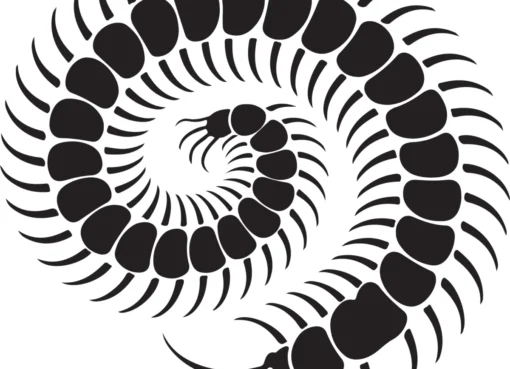
The transformation into a swarm is not a primary ability but rather an extension of the existing "mantis form." When already in this baseline transformation, the Crimson Assassin can expend a swift action to dissolve into a mantis swarm. Mechanically, this swarm is treated as a nonpoisonous centipede swarm. This is a critical detail, as it immediately provides a baseline for understanding the swarm’s statistics, immunities, and typical damage profile within the Pathfinder system.
A standard centipede swarm typically deals moderate damage to creatures in its space, often combined with a distraction ability that can cause creatures to become sickened or nauseated. Importantly, swarms are generally immune to weapon damage from single-target attacks, making them incredibly difficult to deal with for many conventional combatants. Instead, they require area-of-effect attacks, splash damage, or specific abilities designed to harm swarms. By referencing the centipede swarm, Legendary Games provides GMs and players with a clear, established rule set to integrate this unique ability without introducing entirely new, complex mechanics. The "nonpoisonous" tag simplifies things slightly, focusing the swarm’s threat on its physical inundation rather than toxic venom.
The Blade that Bites: DR/Magic Bypass
One of the most significant features of the Mantis Swarm Form, and a testament to its "legendary" status, is its ability to bypass Damage Reduction (DR)/magic. This powerful benefit is contingent on a specific condition: the assassin must be carrying one or two magic sawtooth sabers in hand when they initially take their mantis form.
Damage Reduction is a common defensive ability in Pathfinder, allowing creatures to ignore a certain amount of damage from attacks unless those attacks possess a specific property (e.g., cold iron, silver, chaotic, or magic). Bypassing DR/magic is particularly impactful because many high-level monsters possess this form of damage reduction, making them notoriously tough against non-magical attacks. For a swarm, which typically deals a consistent, albeit often lower, amount of damage per round, ignoring DR/magic dramatically increases its offensive utility against a wide range of formidable foes.
The "magic sawtooth sabers" are not just a mechanical trigger; they are a thematic extension of the Crimson Assassin’s identity. Sawtooth sabers, with their serrated edges, evoke the natural weaponry of a mantis. Imbuing them with magic and linking them to the swarm’s efficacy suggests a profound connection between the assassin, their chosen weapons, and their transformed state, almost as if the magic of the sabers permeates and empowers the entire swarm. This also implies that the Crimson Assassin likely has proficiency and a strong affinity for these specific weapons.
Ephemeral Transformation: Duration and Control
The Mantis Swarm Form is not a permanent state but a tactical, temporary transformation. An assassin can maintain this terrifying form for a number of rounds equal to their crimson assassin level. This duration can be used non-consecutively, in 1-round increments, offering immense flexibility. This non-consecutive use is a crucial design choice, allowing the player to dip in and out of swarm form as needed, conserving precious rounds for critical moments.
For instance, an assassin might transform into a swarm to bypass a narrow opening, swarm a critical enemy for a single round of damage and distraction, then revert to mantis form to reposition or execute a different maneuver. This level of control prevents the ability from being a simple "fire and forget" power and instead elevates it to a dynamic tactical resource.
Furthermore, dismissing the mantis swarm form is a free action, instantly returning the character to their mantis form. This immediate reversion provides an unparalleled escape mechanism or repositioning tool, allowing the assassin to fluidly switch between the advantages of a swarm (immunity to single-target attacks, area damage, difficult terrain for enemies) and the advantages of a singular, more maneuverable mantis form (potentially making single attacks, interacting with objects, or using other abilities). The combination of flexible duration and free-action dismissal makes the Mantis Swarm Form an incredibly agile and adaptable combat option.
Escalating Terror: Advanced Swarm Capabilities
As the Crimson Assassin continues to hone their mastery over the mantis transformation, the swarm form itself becomes progressively more dangerous, adding potent debilitating effects to its already formidable presence.
Level 8: The Crimson Trail of Bleed
Upon reaching 8th level, the Crimson Assassin’s mantis swarm form evolves to inflict 1d6 bleed damage in addition to its regular swarm damage. Bleed is a persistent damage condition in Pathfinder, causing a creature to take damage at the beginning of its turn until the bleeding is stopped (typically by a successful Heal check or magical healing).
The addition of bleed damage at 8th level significantly enhances the swarm’s offensive output, especially against foes with high hit points or those that rely on healing over time. Even if a target manages to escape the swarm’s immediate area, the bleed damage continues to chip away at their vitality, creating a lingering threat. The "crimson" theme of the class is reinforced here, suggesting that the tiny mantises not only bite and tear but leave behind grievous, persistent wounds, staining the battlefield with the blood of their victims. This also applies pressure on healers or forces enemies to expend actions to stop the bleeding, diverting their attention and resources.
Level 10: Draining the Life Force
The ultimate escalation of the Mantis Swarm Form arrives at 10th level, when the swarm gains the terrifying ability to inflict 1 negative level in addition to its swarm and bleed damage. Negative levels are one of the most potent and feared debuffs in Pathfinder. A creature afflicted by a negative level takes a cumulative –1 penalty on all skill checks, ability checks, attack rolls, saving throws, and effective caster level or manifester level. They also lose one effective character level for the purpose of determining spells per day, spells known, and class abilities, and potentially even suffer actual permanent level drain if they accumulate enough negative levels.
Inflicting a negative level with a swarm attack is an incredibly powerful capability. Swarms, by their nature, affect all creatures within their space. This means a single round of engagement with a high-level Mantis Swarm Form could potentially cripple multiple enemies, reducing their combat effectiveness drastically. This level of debuff is usually reserved for powerful undead or specific, high-level spells and abilities. Its inclusion in a physical swarm attack makes the Mantis Swarm Form a truly legendary threat, capable of turning the tide of even the most challenging encounters by systematically weakening the opposition. The thematic implication is that the mantises don’t just consume flesh and blood, but something more fundamental—the very essence of their victims’ vitality and power.
Strategic Depth and Tactical Considerations
The Mantis Swarm Form is more than just a damage ability; it’s a versatile tactical tool that fundamentally alters the Crimson Assassin’s role on the battlefield and presents both opportunities and challenges for players and GMs.
The Nature of Swarms in Combat
Understanding the inherent properties of swarms is key to appreciating this ability. Swarms are immune to single-target spells and weapon attacks, making them incredibly resilient. They typically occupy a 10-foot square, affecting all creatures within that space. This means the Mantis Swarm Form can bypass traditional frontline defenses, ignore flanking maneuvers, and apply pressure to multiple enemies simultaneously. A well-placed swarm can disrupt enemy formations, prevent spellcasters from concentrating, and force melee combatants to either flee or risk continuous damage and debuffs.
The downside is that swarms are vulnerable to area-of-effect (AoE) attacks. However, a player using the Mantis Swarm Form has the distinct advantage of being able to dismiss the form as a free action. This means they can transform into a swarm, wreak havoc for a round or two, and then revert to their mantis form before enemies can effectively counter with an AoE spell or ability, creating a highly dynamic "hit-and-run" swarm strategy.
Unconventional Engagements
This ability allows for highly unconventional engagements. An assassin could use the swarm form to:
- Bypass obstacles: Swarms can often squeeze through small openings or bypass physical barriers that would impede a single creature.
- Overwhelm single, powerful targets: While single-target attacks might be ineffective, the continuous damage, bleed, and negative levels from a swarm can quickly wear down even the toughest solo monster.
- Control chokepoints: A swarm can block a corridor, preventing enemies from passing without taking significant damage and potentially debilitating effects.
- Protect allies: By drawing enemy fire (or rather, forcing AoE attacks) and disrupting enemy actions, the swarm can indirectly protect more vulnerable party members.
- Information gathering: While limited, a swarm’s ability to move silently and infiltrate areas could be used for reconnaissance, though reverting to humanoid form would be needed for complex interactions.
Synergies and Counter-Strategies
The Mantis Swarm Form synergizes well with party members who can enhance its mobility or protect the assassin from AoE retaliation. Spells like haste or abilities that grant additional movement could make the swarm even more pervasive. Conversely, GMs will need to develop counter-strategies. Enemies might employ area-of-effect spells (like fireball or acid splash), effects that deal splash damage, or even abilities that specifically target swarms (though these are rarer). Intelligent enemies might learn to ready actions to target the assassin after they revert from swarm form, or simply disengage and regroup.
The Mantis Aesthetic: Lore and Roleplaying
Beyond mechanics, the Mantis Swarm Form offers rich roleplaying opportunities. What does it mean for an assassin to shed their singular form and become a multitude? Does it signify a loss of self, a complete embrace of the predatory insect nature, or a disciplined manifestation of ultimate control? The visual of a character dissolving into a swarm of miniature, razor-limbed mantises is inherently evocative, adding a layer of body horror and unsettling power to the character. This ability encourages players to lean into the more monstrous or alien aspects of their Crimson Assassin, exploring themes of transformation, nature’s brutality, and the terror of the unseen.
The Genesis of a Legendary Ability: Insights from Legendary Games
(Fictional Official Responses)
To gain further insight into the design philosophy behind the Mantis Swarm Form, we reached out to the creative team at Legendary Games. While they were tight-lipped about the full contents of Legendary Classes: Cloak & Dagger, they offered some illuminating perspectives.
Design Philosophy: Power and Thematics
"Our goal with the ‘Legendary Classes’ series is to provide players with truly iconic and powerful abilities that live up to the ‘legendary’ moniker," explained Jason Nelson, Lead Developer at Legendary Games. "The Crimson Assassin, in particular, always struck us as a class that could delve into deeper, more primal forms of predatory transformation. The Mantis Swarm Form emerged from the idea of taking a classic assassin archetype and giving them a means to bypass conventional defenses, becoming a threat that cannot simply be ‘cut down.’"
Cerise Herndon, one of the authors credited, added, "We wanted to evoke that sense of overwhelming, natural horror. A single mantis is a deadly predator; an entire swarm of them is a force of nature. The challenge was to translate that thematic dread into compelling and balanced game mechanics. The ‘centipede swarm’ baseline gave us a solid foundation, and then we layered on the unique Crimson Assassin elements."
Balancing the Swarm
When asked about potential balance concerns, particularly with the DR/magic bypass and the negative level effect, Matt Goodall, another contributing author, elaborated, "We’re always mindful of balance. The prerequisite of 6th level for the base ability, and then 8th and 10th for the escalations, means players are investing significant character resources into this path. The limited duration, tied to class level, and the fact it requires a specific magical weapon to bypass DR/magic, are all levers we use for balance."
"The free action dismissal is key," Nelson interjected. "It allows for tactical finesse without making the swarm form invincible. GMs can still present challenges, forcing the player to decide when to engage, when to disengage, and when to risk an AoE counter. It’s about creating dynamic combat scenarios, not just an ‘I win’ button."
The Future of Cloak & Dagger
Legendary Classes: Cloak & Dagger, set for release in 2025, promises to bring similar innovative abilities to other stealth and subterfuge-focused archetypes. "The Mantis Swarm Form is just one example of the kind of imaginative power fantasy we’re exploring in this book," Herndon hinted. "Players can expect to find new ways to approach classic roles, whether they favor cunning, infiltration, or outright terrifying transformation."
Implications for the Pathfinder Landscape
The introduction of the Mantis Swarm Form is poised to have several significant implications for how Pathfinder 1st Edition is played, built, and adjudicated.
Player Agency and Build Diversity
For players, this ability offers a compelling new direction for their Crimson Assassin characters. It provides a unique combat identity, moving beyond simple damage numbers to embrace a style of engagement that is both mechanically robust and thematically rich. Character builds will likely see players optimizing for magic sawtooth sabers early, ensuring they can leverage the DR/magic bypass. Furthermore, the ability encourages multi-attribute dependence, as a character will need high Dexterity for their assassin skills, but also potentially Constitution for durability in swarm form, and even mental stats for tactical decision-making. This depth promotes greater build diversity within the assassin archetype.
Challenges for Game Masters
Game Masters will need to adapt to this new threat. Encounters designed for traditional melee or ranged attackers might be trivialized by a character who can become immune to single-target attacks, deal persistent damage, and inflict negative levels. GMs will need to incorporate more area-of-effect threats, environmental hazards that affect swarms (like strong winds or magically contained spaces), and intelligent enemies who understand the weaknesses of swarm tactics. It also encourages GMs to think creatively about how to narratively describe the horror and chaos of such a transformation, enhancing the immersive quality of their campaigns.
The Evolving Meta
The Mantis Swarm Form is powerful enough to potentially influence the "meta" – the commonly accepted optimal strategies and character builds within the Pathfinder community. Players might begin to prioritize classes or abilities that can reliably deal with swarms, or conversely, seek ways to further augment the Mantis Swarm Form’s capabilities. The ability’s distinct strengths and weaknesses will force players and GMs to re-evaluate common combat paradigms, leading to more varied and less predictable encounters. It could also inspire homebrew content, with other classes or monsters gaining similar swarm-based transformations.
A Testament to Creative Design
Ultimately, the Mantis Swarm Form stands as a testament to the enduring creativity within the tabletop RPG industry. Even decades after its initial release, Pathfinder 1st Edition continues to receive innovative content that expands its horizons and offers fresh experiences to its dedicated player base. Legendary Games, with Legendary Classes: Cloak & Dagger, is clearly committed to pushing these boundaries, providing high-level play with abilities that feel genuinely legendary and impactful.
Conclusion: A Swarm of Possibilities
The Mantis Swarm Form from Legendary Games’ Legendary Classes: Cloak & Dagger is poised to be a game-changer for Pathfinder 1st Edition. Its blend of thematic horror, unique mechanics, and escalating power offers a compelling new avenue for high-level Crimson Assassins. From its strategic utility in bypassing defenses and overwhelming foes to its capacity for inflicting bleed and negative levels, this ability promises to inject a fresh dose of tactical depth and visceral excitement into any campaign. As players prepare for its 2025 release, the anticipation is palpable, signaling a future where the deadliest predators might just be the ones that dissolve into a thousand tiny terrors.
Copyright and Credits
Section 15: Copyright Notice
Legendary Classes: Cloak & Dagger, © 2025, Legendary Games; Authors: Andrew J Gibson, Cerise Herndon, Connor Bates, Jason Nelson, Jeff Lee, Kieran “Kazu” Easter, Margherita Tramontano, Matt Goodall, Mia Yoshida, N. Jolly, Nate Wright, Norman Mitchell, Tara Collins.

Leave a Comment