
A New Brand of Magical Mayhem: Unveiling ‘Hello Wizard I Have a Problem’
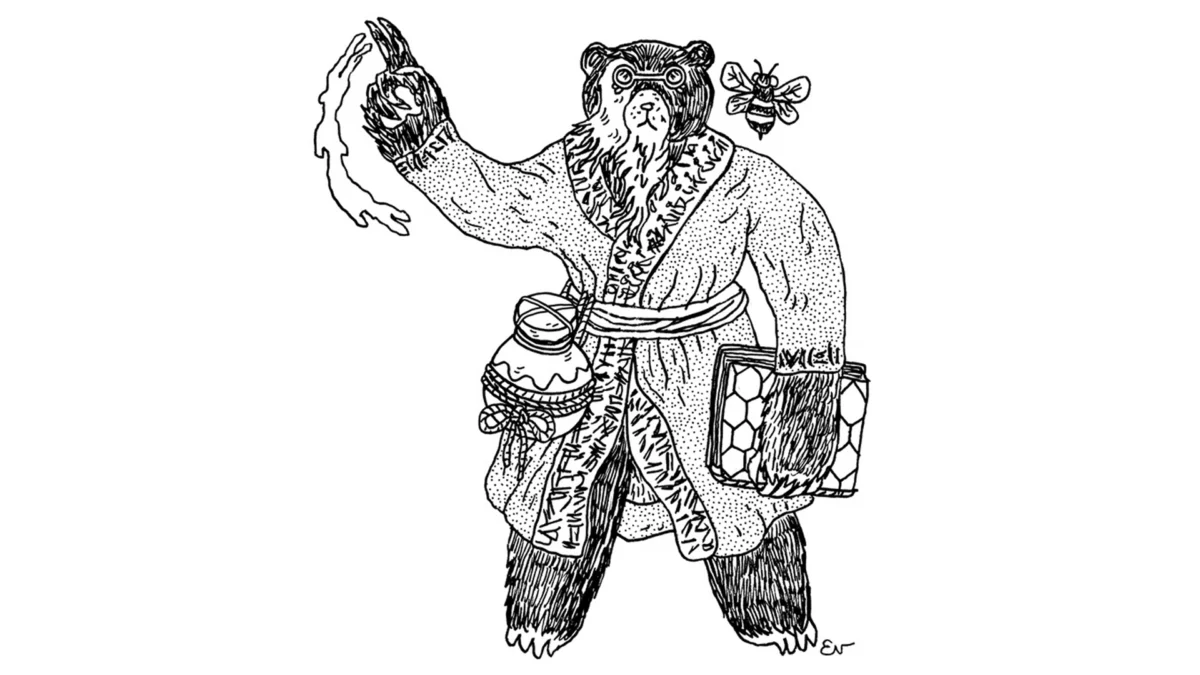
In an exciting development for tabletop roleplaying game (TRPG) enthusiasts, a fresh and decidedly unconventional title is poised to disrupt the fantasy genre. "Hello Wizard I Have a Problem," a new collaborative storytelling game, invites players to step into the enchanted, albeit often chaotic, shoes of powerful yet remarkably incompetent spellcasters. Designed to deliver rapid-fire comedic scenes and unexpected magical mishaps, this upcoming TRPG promises an experience steeped in the absurdist humor reminiscent of iconic British comedy groups like Monty Python, alongside the modern satirical genius of shows such as "The Mighty Boosh" and "What We Do in the Shadows."
At its core, "Hello Wizard I Have a Problem" champions improvisation and collective narrative creation. Unlike many traditional TRPGs where a single Game Master (GM) dictates the world and its challenges, this game empowers all participants to shape the unfolding magical mayhem. Players take turns assuming the dual roles of a spotlight spellcaster, attempting to impress their peers with their arcane prowess, and a collective GM, collaboratively determining the hilariously disastrous ways those spells inevitably go awry. This innovative structure, combined with a bespoke "Problem Generator" promising over 200,000 unique prompts for magical blunders, sets the stage for endlessly re-playable and genuinely surprising adventures.
The game is the brainchild of Sam Armstrong, a designer known for his distinctive takes on the TRPG format, with artistic contributions from the celebrated illustrator Evlyn Moreau. Currently in the final hours of a successful Kickstarter campaign, "Hello Wizard I Have a Problem" has garnered significant attention for its accessible rules, quick setup, and unwavering commitment to lighthearted, chaotic fun. As the crowdfunding window closes, the tabletop community eagerly anticipates the arrival of a game that promises to transform magical misfires into memorable moments of shared laughter.
From Concept to Campaign: The Journey of ‘Hello Wizard’
The genesis of "Hello Wizard I Have a Problem" appears rooted in a desire to distill the essence of collaborative improvisation and comedic fantasy into an easily digestible TRPG format. While the precise timeline of its initial conceptualization is not detailed, the game emerges as a timely response to a growing appetite within the tabletop community for lighter, more narrative-focused experiences that prioritize player interaction and spontaneous storytelling over intricate rule sets and complex tactical combat.
The project gained public momentum through its crowdfunding campaign on Kickstarter, a platform that has become a vital launchpad for independent TRPG creators. The campaign, which is scheduled to conclude later this afternoon, provided an opportunity for potential players to directly support the game’s production and secure early access to its unique brand of magical chaos. The success of the Kickstarter underscores a significant interest in games that offer a refreshing departure from the conventional high-fantasy epics, demonstrating a clear demand for titles that lean into humor and player-driven absurdity.
Backers were offered various tiers, reflecting common crowdfunding practices in the indie game space. A pledge of £8 (approximately $10 USD) secures a physical copy of the rulebook, slated for delivery in June. For those who prefer a digital format or wish to engage immediately upon release, a PDF version is available for a more modest £4 (approximately $5 USD). This tiered approach not only makes the game accessible to a broader audience but also reflects the practicalities of independent publishing, allowing creators to gauge interest and secure funding for both printing and distribution. Following the Kickstarter, there is a strong possibility that the game will also be made available through Sam Armstrong’s Itch.io page, a popular digital storefront for indie games, ensuring wider accessibility to those who may have missed the crowdfunding window. This strategy highlights a modern approach to game distribution, leveraging both traditional physical copies and robust digital platforms to reach a diverse player base.
Unpacking the Chaos: Mechanics, Inspirations, and Creative Minds
"Hello Wizard I Have a Problem" distinguishes itself through a set of core mechanics and design philosophies that are deeply intertwined with its comedic premise. The game’s structure is a deliberate departure from established TRPG norms, crafted to foster an environment of shared creativity and spontaneous humor.
The Ingenious Gameplay Loop: Spotlight and Collective GM
The most innovative aspect of "Hello Wizard" is its dynamic player-GM relationship. Instead of a single, dedicated Game Master, the role is fluid and shared among all participants. Each scene sees one player stepping into the "spotlight" as their wizard character, tasked with describing a grand magical feat they are attempting. This initial description sets the stage, inviting imaginative displays of arcane power.
However, the twist lies in the collective GM role. The other players, acting in concert, then become the arbiters of magical reality, deciding how the spotlight wizard’s spell goes wrong. This isn’t about arbitrary failure but about collaborative storytelling that leans into comedic absurdity. The collective GM’s input isn’t meant to shut down creativity but to redirect it into unforeseen, humorous consequences. For instance, a wizard attempting to conjure a magnificent banquet might instead summon a single, perpetually screaming radish, or turn everyone’s shoes into sentient, tap-dancing crustaceans. This mechanic ensures that every player is actively engaged, contributing to the narrative’s direction and comedic timing, rather than passively waiting for their turn.
The game’s objective, beyond generating laughs, involves players tallying "points" based on a loose improv system. While the exact metrics for these points are left somewhat open to interpretation, reflecting the game’s improvisational nature, the general idea is to determine who is the "most impressive wizard." This isn’t necessarily about who succeeded most spectacularly, but rather who generated the most engaging, hilarious, or memorable magical blunders and improvised solutions. This subtle competitive element encourages players to fully embrace the spirit of the game, pushing the boundaries of absurdity to entertain their peers. The lack of strict scoring rules ensures that the focus remains on fun and storytelling, rather than complex calculations or rigid objectives, aligning with the game’s overall philosophy of accessibility and immediate playability.
The Problem Generator: A Wellspring of Disaster
Central to the game’s replayability and constant influx of fresh comedic scenarios is the "Problem Generator." Integrated directly into the rulebook, this tool is designed to inspire the collective GM’s creative interpretation of magical failure. With the creators boasting that it can generate over "200,000" distinct prompts, the Problem Generator acts as a catalyst for narrative invention, ensuring that no two spellcasting attempts, or their subsequent disastrous outcomes, are ever quite the same.
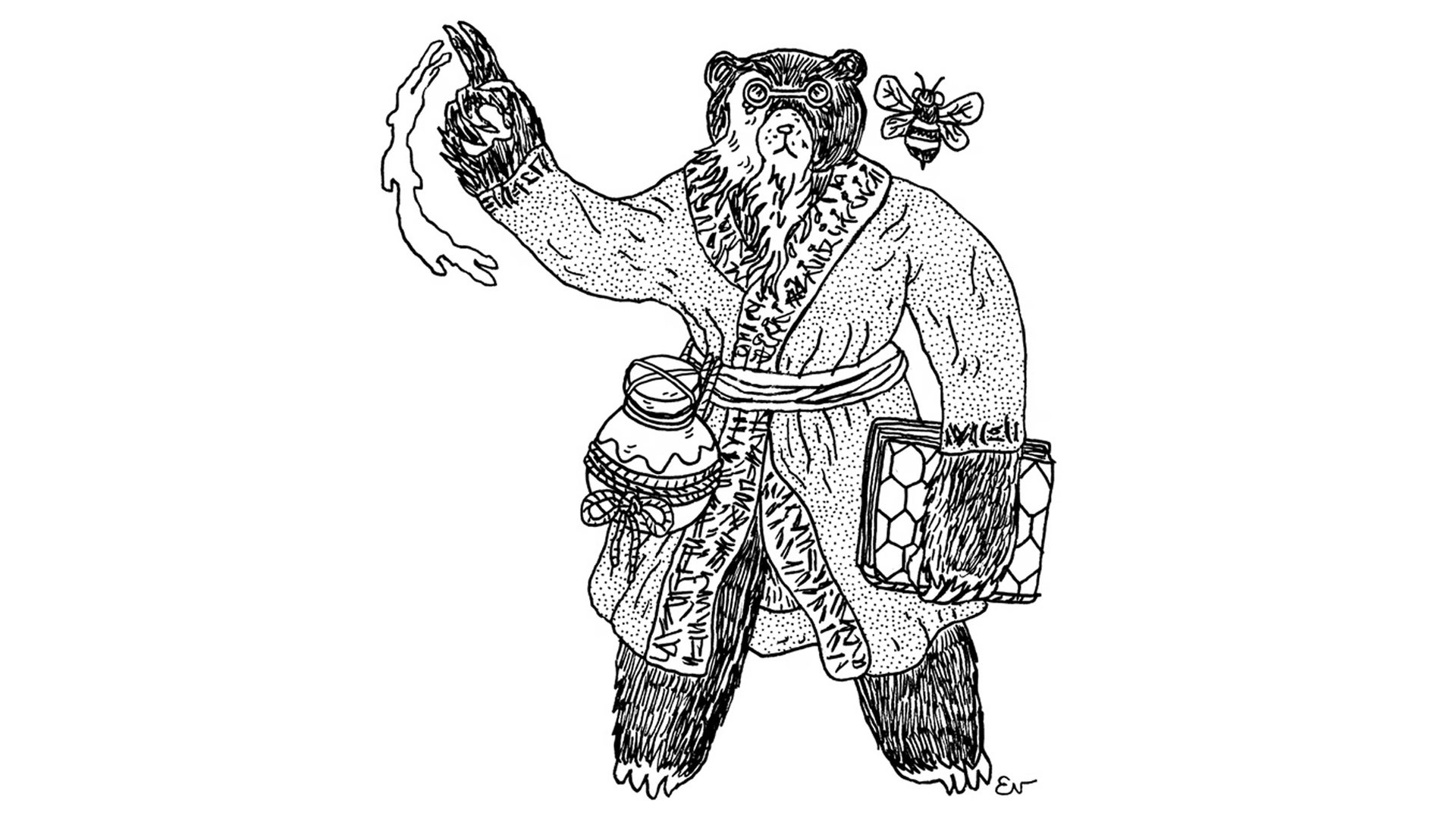
This enormous variety is crucial for a game built on improvisation. It prevents creative fatigue and ensures that players are constantly surprised by the twists and turns their magical endeavors take. The Problem Generator might offer a simple phrase or a more complex scenario, prompting the collective GM to weave it into the active wizard’s spell. For example, a wizard attempting a teleportation spell might be met with a prompt from the generator like "everyone’s hats gain sentience and demand to be addressed as royalty" or "the spell causes all local wildlife to speak in rhyming couplets." The beauty of this tool lies in its ability to spark imagination without being overly prescriptive, allowing for a wide range of interpretations and comedic escalation. It transforms potential narrative roadblocks into springboards for hilarious and unexpected plot developments, reinforcing the game’s core theme of magical incompetence leading to uproarious situations.
A Pantheon of Absurdist Influences
The comedic DNA of "Hello Wizard I Have a Problem" is explicitly linked to a lineage of absurdist and fantastical humor. The creators cite "Monty Python," "The Mighty Boosh," and "What We Do in the Shadows" as key inspirations, and understanding these influences is vital to grasping the game’s tone and potential appeal.
- Monty Python: The iconic British comedy troupe is renowned for its surrealism, non-sequiturs, and sketches that escalate into delightful chaos. "Hello Wizard" likely draws on Python’s willingness to embrace the utterly ridiculous, where logic gives way to pure comedic effect, and characters often find themselves in increasingly bizarre predicaments. The collective GM mechanic echoes Python’s ensemble nature, where different voices contribute to the unfolding farce.
- The Mighty Boosh: This British comedy series is characterized by its whimsical fantasy settings, outlandish characters, and a unique blend of surreal humor, musical numbers, and meta-narrative. The game’s premise of "chaotic wizards" fits perfectly within the Boosh’s universe of eccentric magical beings and strange dimensions, suggesting a game where character quirks and fantastical elements are played for maximum comedic impact.
- What We Do in the Shadows: Both the film and TV series expertly blend mockumentary style with the mundane realities of supernatural beings. Its humor often comes from the contrast between powerful entities dealing with incredibly petty or incompetent situations. "Hello Wizard" mirrors this by focusing on "powerful and incompetent" spellcasters, finding humor in their grand ambitions colliding with their spectacular failures and the everyday annoyances that magic can create.
These influences suggest a game that values character-driven humor, unexpected plot twists, and a consistent tone of lighthearted absurdity. It’s a game where the journey of magical failure is far more entertaining than any potential success, and where the most memorable moments will likely be born from the sheer, unadulterated chaos.
The Visionaries Behind the Veil: Sam Armstrong and Evlyn Moreau
The creative talent behind "Hello Wizard I Have a Problem" plays a crucial role in shaping its identity and appeal. Sam Armstrong, the game’s designer, has established a reputation for crafting distinctive TRPGs that often subvert genre expectations. His previous works offer insight into his design philosophy:
- All Bastard: A fantasy TRPG where players embody either bragging heroes or the "bastards" they defeated, suggesting Armstrong’s interest in narrative framing and exploring different perspectives within a genre. This game hints at a designer who enjoys playing with tropes and offering unique character roles.
- Slasher: A horror roleplaying game, demonstrating Armstrong’s versatility across genres but also a consistent focus on strong narrative concepts and player-driven experiences. The ability to craft a compelling horror experience implies a deep understanding of mood and pacing, skills that can be repurposed for comedic effect by building tension before releasing it with a humorous twist.
Armstrong’s work suggests a designer who prioritizes engaging concepts, streamlined mechanics, and a strong thematic core, all of which are evident in "Hello Wizard." His approach often leans towards empowering players to tell compelling stories, whether those stories are terrifying or, in this case, uproariously funny.
The game’s visual identity is shaped by the artwork of Evlyn Moreau, a celebrated illustrator whose distinctive style has graced several TRPGs, including "Liminal High School." Moreau’s artwork is often characterized by its evocative, sometimes whimsical, and often slightly unsettling aesthetic, perfectly suited for games that blend the fantastical with the unexpected. For "Hello Wizard," her style is likely to capture the game’s unique blend of magical grandeur and comedic incompetence. Her ability to infuse personality and character into her illustrations will undoubtedly bring the fumbling sorcerers and their bizarre magical mishaps to life, enhancing the game’s overall immersive and humorous atmosphere. The synergy between Armstrong’s narrative vision and Moreau’s artistic interpretation is critical to establishing the game’s unique brand and engaging aesthetic.
The Creators’ Vision: Crafting Collaborative Hilarity
While direct quotes from the creators regarding "Hello Wizard I Have a Problem" are not provided in the initial article, the design choices and project description articulate a clear and compelling vision. The game is meticulously crafted to be highly accessible, prioritize collaborative storytelling, and deliver unadulterated comedic enjoyment.
The emphasis on a "very straightforward" rules system and "quick and easy" setup is a deliberate move to lower the barrier to entry for both seasoned TRPG players and newcomers alike. This approach reflects a growing trend in the indie RPG scene towards "story games" that value immediate engagement over extensive rulebook memorization. The creators evidently envision a game that can be picked up and played with minimal preparation, allowing groups to dive straight into the fun without the common overhead associated with more complex systems. This design philosophy suggests a desire to foster spontaneity and reduce any friction that might impede the free flow of creative ideas and comedic improvisation.
Furthermore, the inclusion of "advice and optional rules" within the rulebook underscores a commitment to supporting players. This isn’t just a barebones system; it’s a framework designed to be adaptable and to encourage groups to tailor the experience to their preferences. The advice likely helps GMs (both collective and individual spotlight players) navigate the improvisational elements, manage comedic pacing, and ensure that the "problems" generated lead to satisfying and humorous narrative arcs. The optional rules provide avenues for groups to deepen the gameplay, introduce new challenges, or refine the "points" system if they desire a more structured approach to determining the "most impressive wizard." This flexibility speaks to a creator who understands the diverse ways groups approach tabletop gaming and wishes to provide tools for a customized experience.
Ultimately, the vision articulated through the game’s design is one of pure, unadulterated fun. "Hello Wizard I Have a Problem" isn’t striving for epic sagas or intricate character development in the traditional sense. Instead, it aims to be a reliable source of laughter, a platform for players to unleash their wildest magical fantasies and witness them delightfully unravel. The game’s focus on collaborative failure, where spells are meant to go wrong, transforms potential frustration into the core source of entertainment. It’s a game designed to celebrate the joy of shared storytelling, the unpredictable nature of magic, and the inherent humor in human (or wizardly) incompetence. This intentional design choice positions "Hello Wizard" as a vibrant addition to the growing category of comedic and narrative-first TRPGs, promising an experience that prioritizes group enjoyment above all else.
The Future of Fumbling Sorcery: Impact and Potential
"Hello Wizard I Have a Problem" arrives at a fascinating juncture in the evolution of tabletop roleplaying games, poised to make a notable impact on how players engage with fantasy, comedy, and collaborative storytelling. Its unique design philosophy and comedic premise hold significant implications for the broader TRPG landscape.

Shifting Paradigms in TRPGs
The game exemplifies several key trends reshaping the TRPG hobby. Firstly, its "GM-less" or "GM-lite" approach (where the GM role is fluid and shared) is part of a larger movement towards more egalitarian and player-centric gaming experiences. This model can be incredibly appealing to groups where no single person wants the responsibility of full GM prep, or for those looking for a more spontaneous, less structured play session. It empowers every player to contribute significantly to world-building and narrative progression, fostering a deeper sense of collective ownership over the story.
Secondly, the emphasis on accessibility and quick setup positions "Hello Wizard" as an excellent entry point for new players. Traditional RPGs, with their often-dense rulebooks and extensive character creation processes, can be intimidating. A game that promises to get players into the action almost immediately, with rules that are "easy to learn," has the potential to expand the TRPG audience, introducing new demographics to the joys of tabletop gaming through a low-friction, high-fun experience. This broadens the hobby’s appeal beyond its traditional core, drawing in individuals who might otherwise be put off by perceived complexity.
A Niche for Narrative Comedy
While comedy has always been an element in TRPGs, "Hello Wizard I Have a Problem" dedicates itself entirely to the genre, placing it front and center. This caters to a growing demand for games that prioritize humor and lightheartedness over serious drama or intense tactical combat. In a world often filled with stress, many players seek escapism and laughter, and this game offers precisely that.
Its direct lineage to comedic powerhouses like Monty Python and What We Do in the Shadows also means it appeals to fans of these properties, potentially drawing them into the TRPG hobby for the first time. The game’s narrative structure, which encourages rapid scenes and escalating absurdity, mimics the pacing and comedic beats of these beloved shows, making it instantly recognizable and enjoyable for those familiar with such humor. This distinct comedic focus allows "Hello Wizard" to carve out a unique niche, differentiating itself from the myriad of fantasy RPGs that often take themselves more seriously. It proves that fantasy can be silly, magical powers can be utterly useless, and the most memorable moments can come from catastrophic failure rather than heroic success.
Community and Longevity
The open-ended, improvisational nature of "Hello Wizard" lends itself well to community engagement and long-term replayability. The "Problem Generator," with its vast number of prompts, ensures that each playthrough offers fresh comedic challenges, preventing the game from becoming stale. Furthermore, the simplicity of the rules means that players could easily create their own "Problem Generator" additions, house rules, or even expand upon the core concepts, fostering a vibrant and creative community around the game.
The game’s format could also inspire other designers to explore similar collaborative and comedic structures, pushing the boundaries of what a TRPG can be. Its success may signal a greater willingness within the industry to invest in games that prioritize player interaction and narrative freedom over predefined plots and rigid mechanics.
Beyond the Kickstarter: Digital Presence and Future Development
The potential availability of "Hello Wizard I Have a Problem" on Sam Armstrong’s Itch.io page after the Kickstarter campaign is a strategic move. Itch.io has become a crucial platform for indie TRPGs, offering a permanent digital storefront and a direct connection between creators and players. This ensures the game’s longevity and accessibility beyond the initial crowdfunding push, allowing it to reach new audiences continually.
Looking ahead, the success of "Hello Wizard" could pave the way for future expansions, new "Problem Generator" modules, or even sequels that explore different aspects of magical incompetence or other comedic fantasy scenarios. Armstrong’s track record with diverse titles like "All Bastard" and "Slasher" suggests a creative mind capable of iterating on successful concepts or venturing into entirely new territory. The potential for digital integrations, perhaps even a web-based Problem Generator or community forums for sharing stories, could further enhance the game’s appeal and foster its growth.
A Spellbinding Prospect for Tabletop Enthusiasts
"Hello Wizard I Have a Problem" stands out as a compelling and highly anticipated addition to the tabletop roleplaying game landscape. By ingeniously blending accessible mechanics with a deeply collaborative and improvisational structure, it promises to deliver an experience rich in laughter and unexpected magical mishaps. Its clear inspirations from the pantheon of absurdist comedy ensure a tone that is both familiar and refreshingly unique within the fantasy genre.
Sam Armstrong’s vision, brought to life with Evlyn Moreau’s distinctive artwork, offers a game that is not only easy to learn and quick to set up but also endlessly replayable thanks to its innovative Problem Generator and player-driven narrative. As the Kickstarter campaign concludes, the excitement surrounding this title is palpable, reflecting a growing appreciation within the TRPG community for games that prioritize fun, shared storytelling, and a healthy dose of chaotic humor. "Hello Wizard I Have a Problem" is poised to enchant players with its unique brand of fumbling sorcery, solidifying its place as a spellbinding prospect for anyone seeking a lighthearted and memorable tabletop adventure.

Leave a Comment