
Everything is Crab: A Bold Evolutionary Leap or a Flawed Experiment in the Roguelike Arena?
Everything is Crab, the latest offering from indie developer Odd Dreams Digital, boldly attempts to carve out a unique niche in the increasingly saturated roguelike genre. Released on May 8, 2026, for $9/£7, this action roguelike draws significant inspiration from the creature creation phase of the controversial 2008 simulation game, Spore. While it boasts an impressive array of innovative mechanics and a captivating premise centered around ecological survival and evolution, the game ultimately struggles to sustain its initial momentum, leaving players with a sense of novelty rather than an enduring obsession.
The Premise: A Microcosm of Life and Evolution
At its core, Everything is Crab presents a deceptively simple premise: players embody a small, unassuming blue blob navigating a vibrant, often perilous ecosystem populated by bizarre, hybrid creatures. The gameplay loop is a familiar top-down action RPG, where combat and evasion are governed by cooldowns. However, players begin as vulnerable and ill-equipped, a stark contrast to the myriad predators that inhabit this world. Survival hinges on a constant pursuit of sustenance, be it from fallen fruits or the spoils of vanquished foes. This act of feeding directly fuels the creature’s growth and evolution, unlocking new traits that redefine its capabilities.
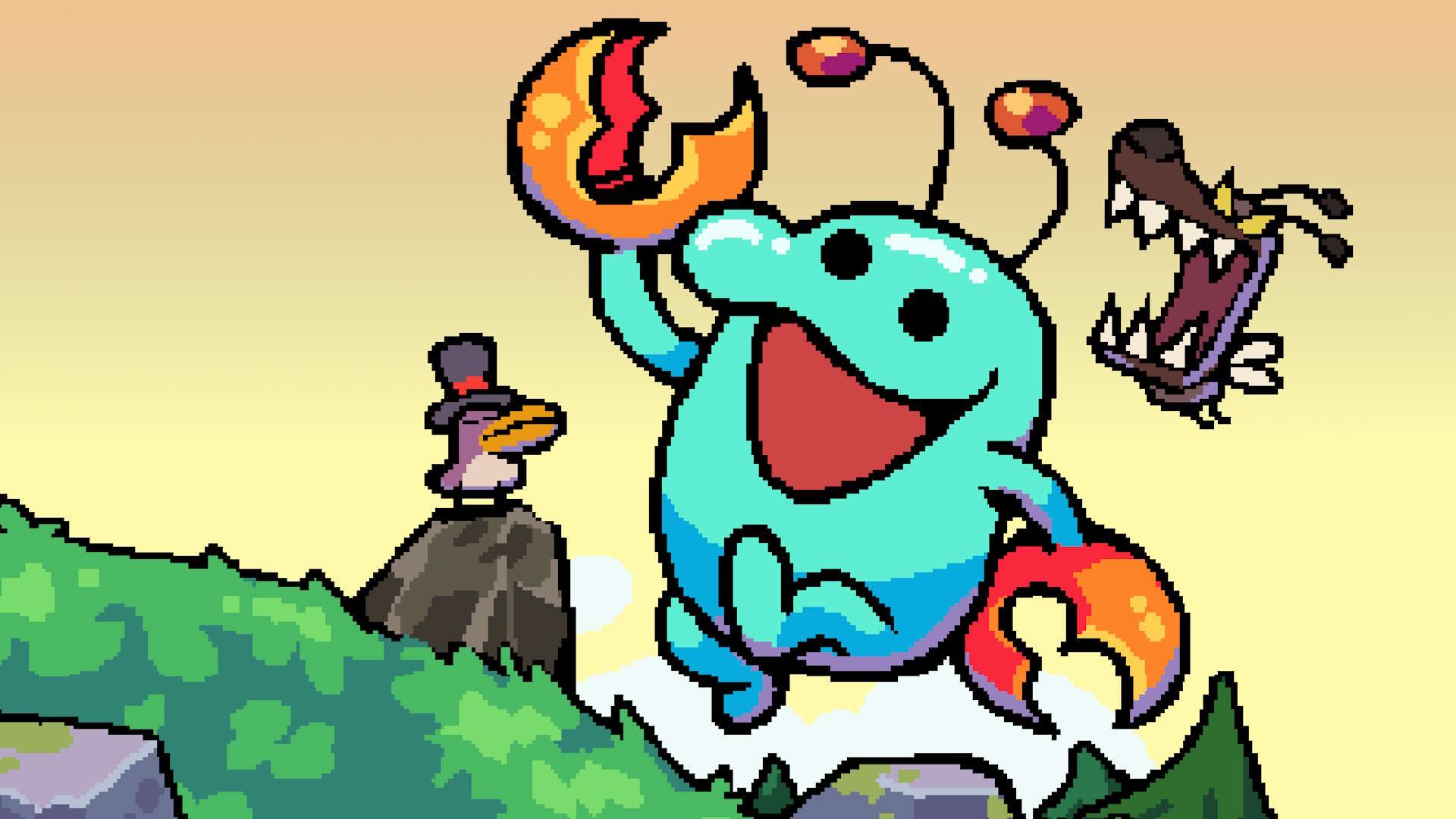
The true magic of Everything is Crab lies in its visual representation of these evolutions. The game masterfully animates a nightmarish yet captivating amalgamation of body parts and organs, seamlessly integrating chosen traits into the player character. From the subtle addition of a specific snout to the dramatic proliferation of limbs and eyes, the visual feedback is a constant testament to the player’s evolving form. This attention to detail not only enhances the immersion but also serves as a powerful visual metaphor for the game’s central theme of adaptation and diversification.
A Deeper Dive into Ecosystemic Gameplay
Beyond the immediate satisfaction of visual transformation, Everything is Crab distinguishes itself through its emphasis on ecological simulation. Unlike many roguelikes that focus on clearing rooms or defeating waves of enemies, this title encourages players to find their niche within a dynamic, living ecosystem. Enemies are not merely obstacles; they possess their own distinct behavioral patterns, engaging in predation, foraging, and flight in response to environmental stimuli.
Success is not solely measured by combat prowess but by the player’s ability to secure sustenance through any means necessary. This opens up a diverse range of playstyles. Players can embrace the role of an apex predator, feasting on the carcasses of fallen beasts. Alternatively, they can adopt the guise of a cunning scavenger, pilfering food from others’ kills and employing nimble evasion tactics to escape retribution. A more passive approach involves becoming a lumbering herbivore, relying on natural defenses like spikes or venom to ward off threats while subsisting on fruits and mushrooms.
The game cleverly integrates the concept of carcinisation, the evolutionary phenomenon where unrelated species converge to develop crab-like traits. This is not merely a thematic element; it’s a tangible game mechanic. Choosing crab-like features, such as a carapace or claws, increases the player’s "carcinisation value." This gradual accumulation of crab-like traits not only escalates the game’s difficulty but also boosts the spawn rate of higher-quality food sources. The pursuit of becoming a fully-fledged crab becomes a compelling meta-goal, with unique unlocks tied to the player’s success in this evolutionary endeavor.
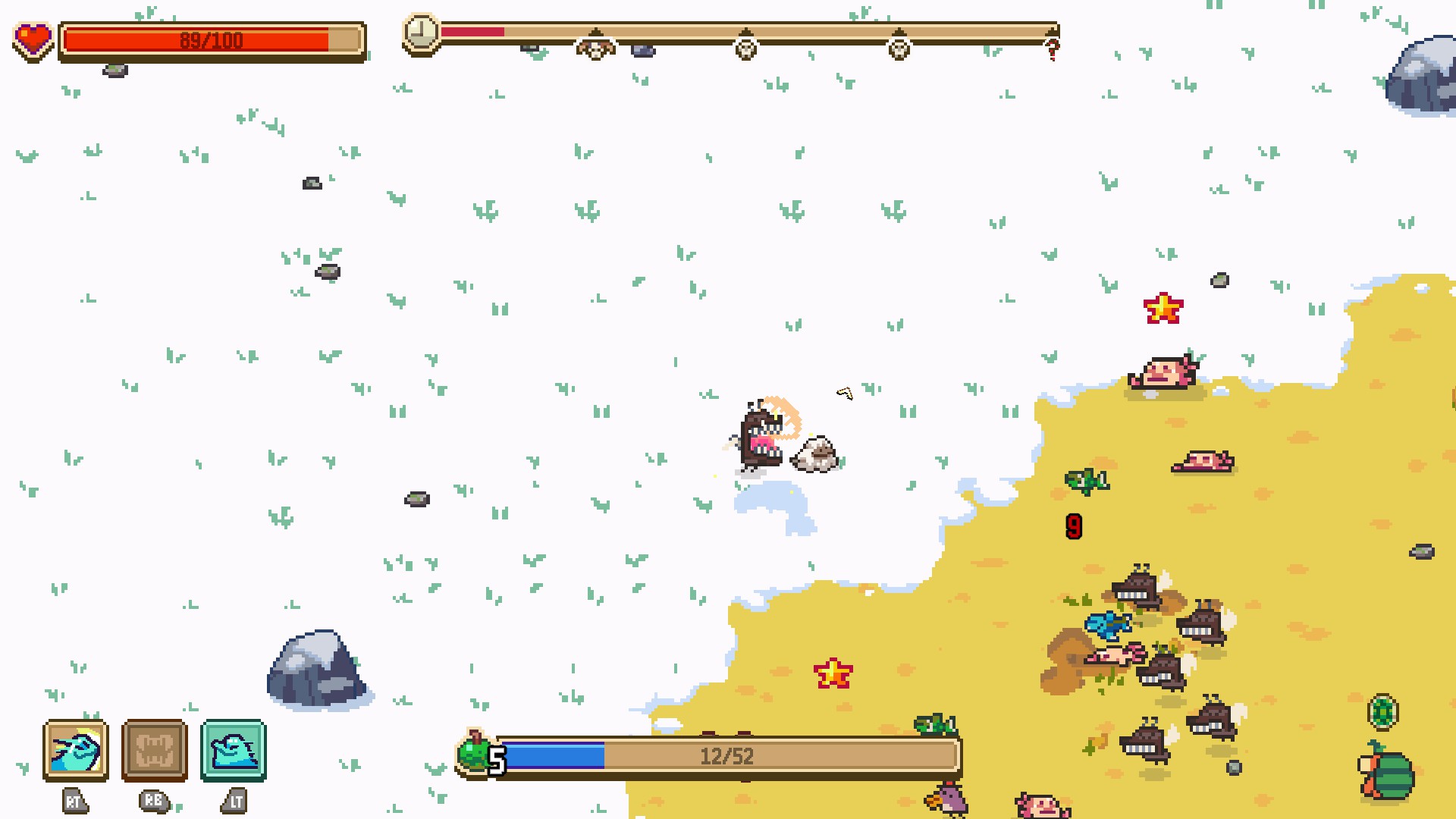
Environmental adaptation is another crucial aspect of Everything is Crab. Players can cultivate specialized traits to thrive in various biomes. Growing fur allows for exploration of frigid, snowy regions, while scales offer protection against the scorching desert heat. A prehensile tail facilitates arboreal traversal through dense forests, and wings enable flight over vast oceans. As the player evolves, so too do the other inhabitants of the world, creating new and even more intriguing ecological niches to exploit. The reviewer fondly recalls developing poison resistance to consistently prey on blobfish, even after they mutated to become lethal to other hunters.
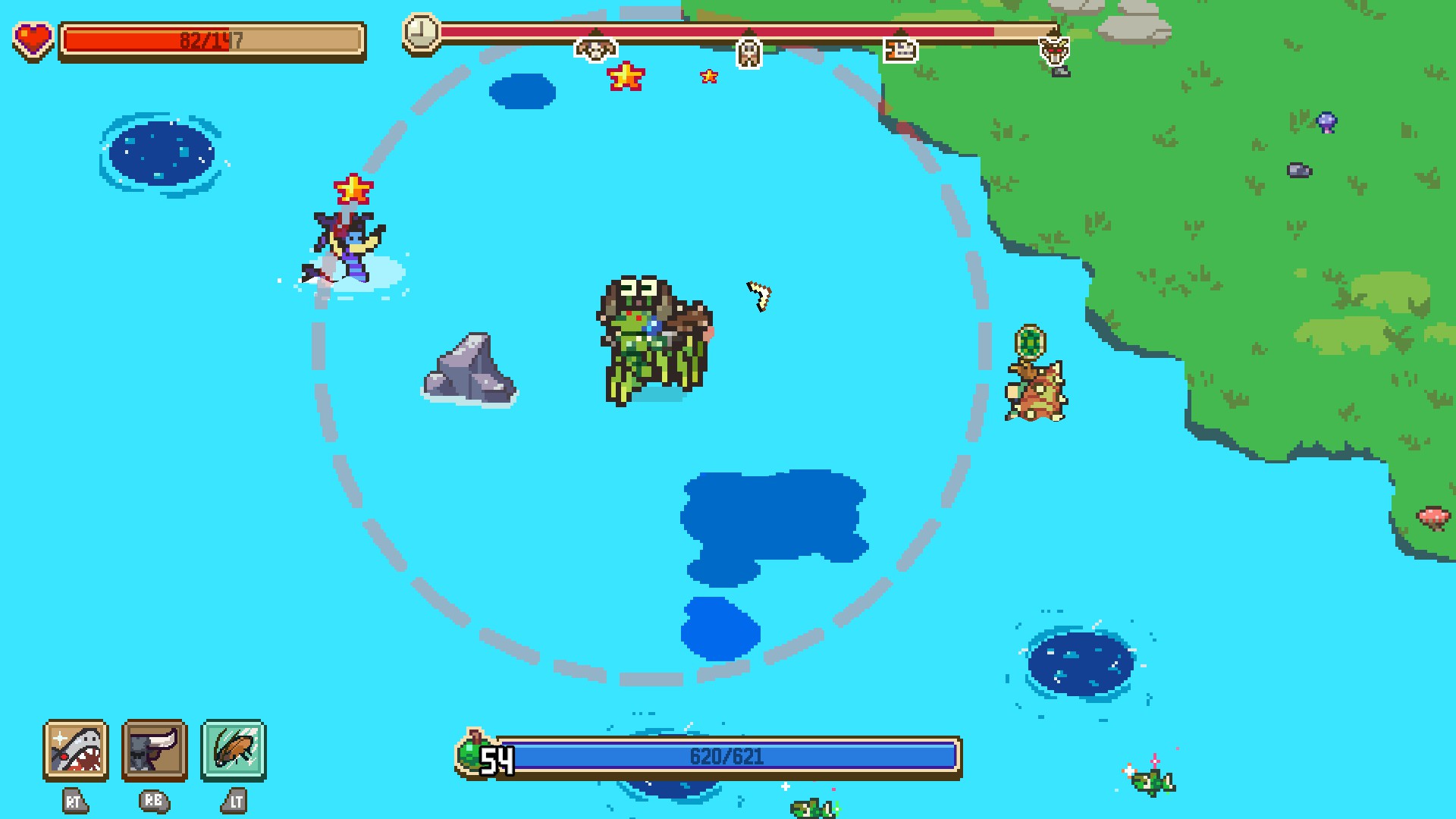
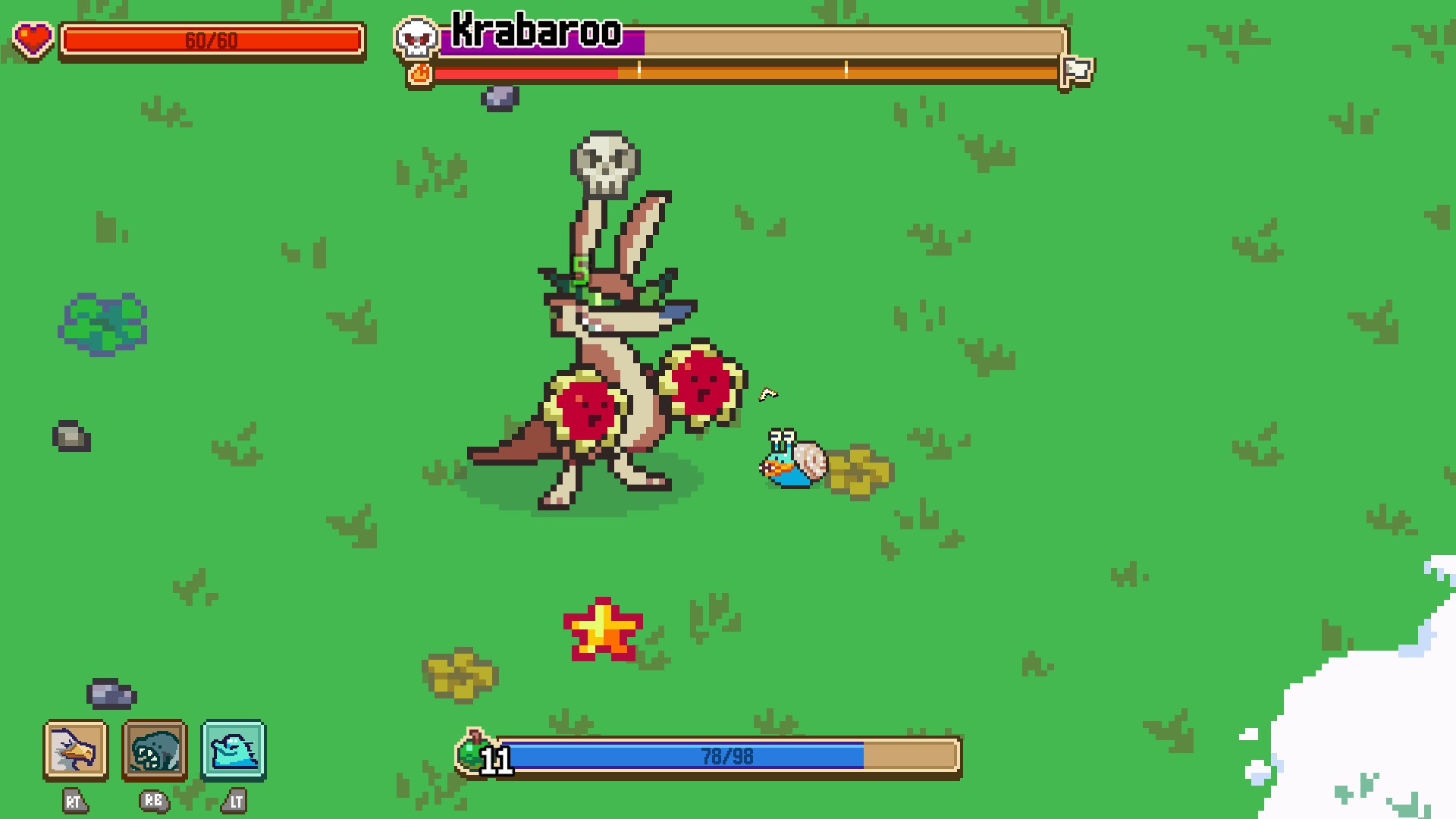
Boss encounters punctuate the player’s journey at regular intervals, confining them to arenas for challenging confrontations. However, even these more constrained scenarios offer a remarkable degree of player agency. Rather than being forced into direct combat, players can employ evasive maneuvers, seek refuge, or strategically heal through incoming attacks until the boss’s patience wears thin and it wanders off to wreak havoc elsewhere. Alternatively, bosses can be vanquished through a multitude of methods, ranging from brute force and potent poisons to the strategic deployment of hypnotized minions.
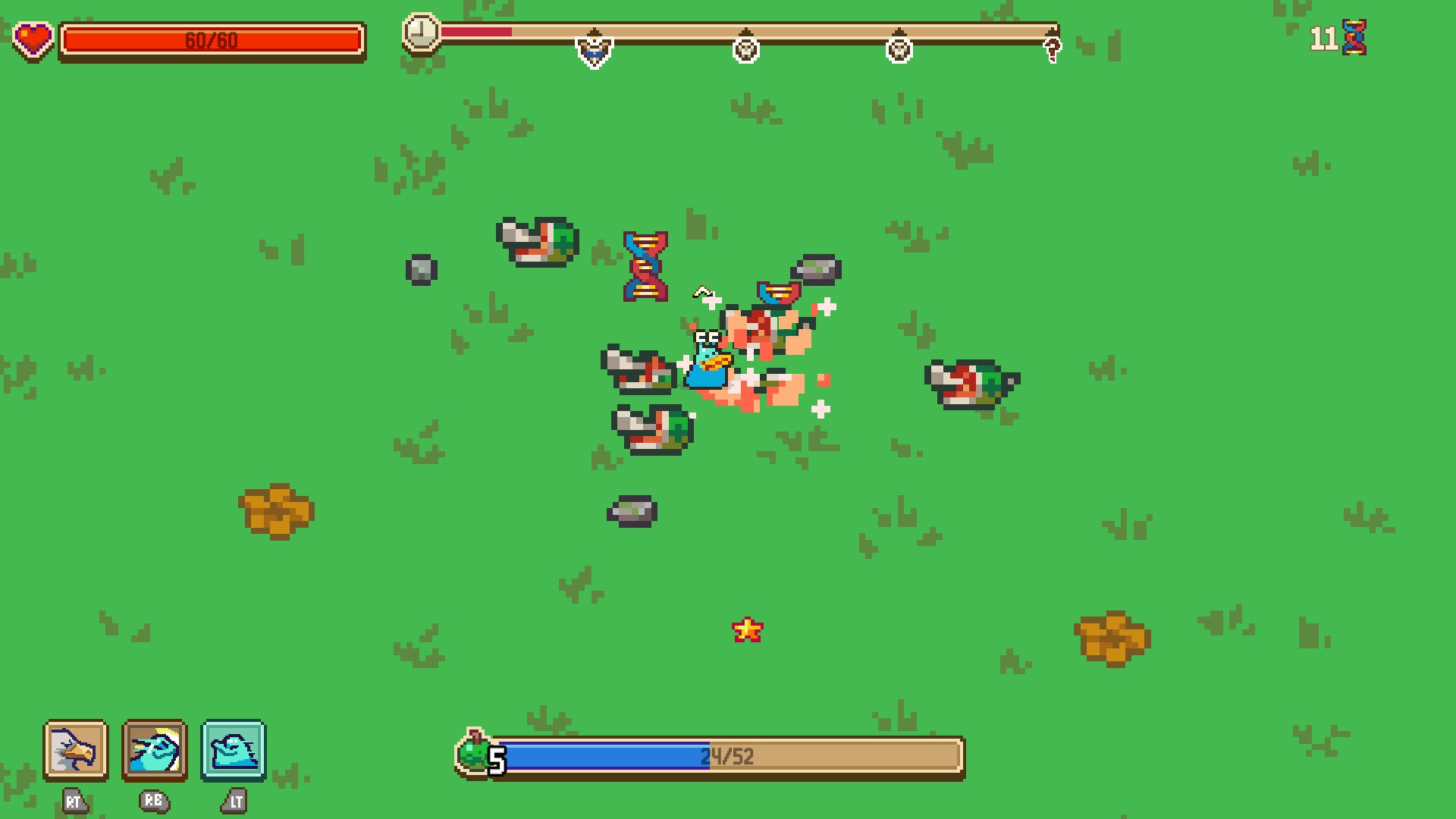
A particularly charming feature is the ability to document the bizarre creature players have become at the end of each run. This includes saving a series of screenshots showcasing their build and even a short animated GIF of their in-game antics, demonstrating a keen understanding of what makes the game uniquely enjoyable.
The Unraveling Thread: Pacing and Progression Issues
Despite its innovative mechanics and captivating premise, Everything is Crab falters in its pacing and long-term progression, preventing it from achieving true roguelike greatness. The most significant issue lies in the sheer frequency of evolution. While the game is eager to showcase its diverse array of mutations, this eagerness comes at the cost of diminishing the individuality of each playthrough. The rapid acquisition of new traits often leads to a repetition of favored evolutions, diluting the thrill of experimentation. The game’s eagerness to present its best material too quickly depletes its novelty, leaving players with a sense of having seen it all before too soon.
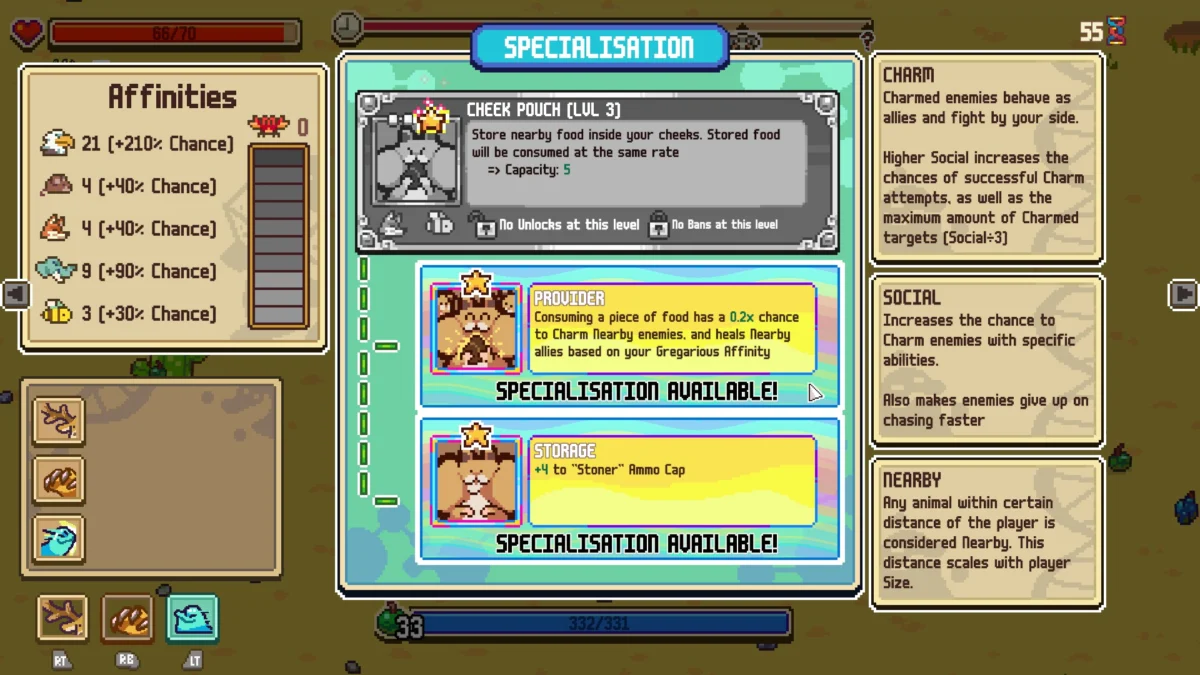
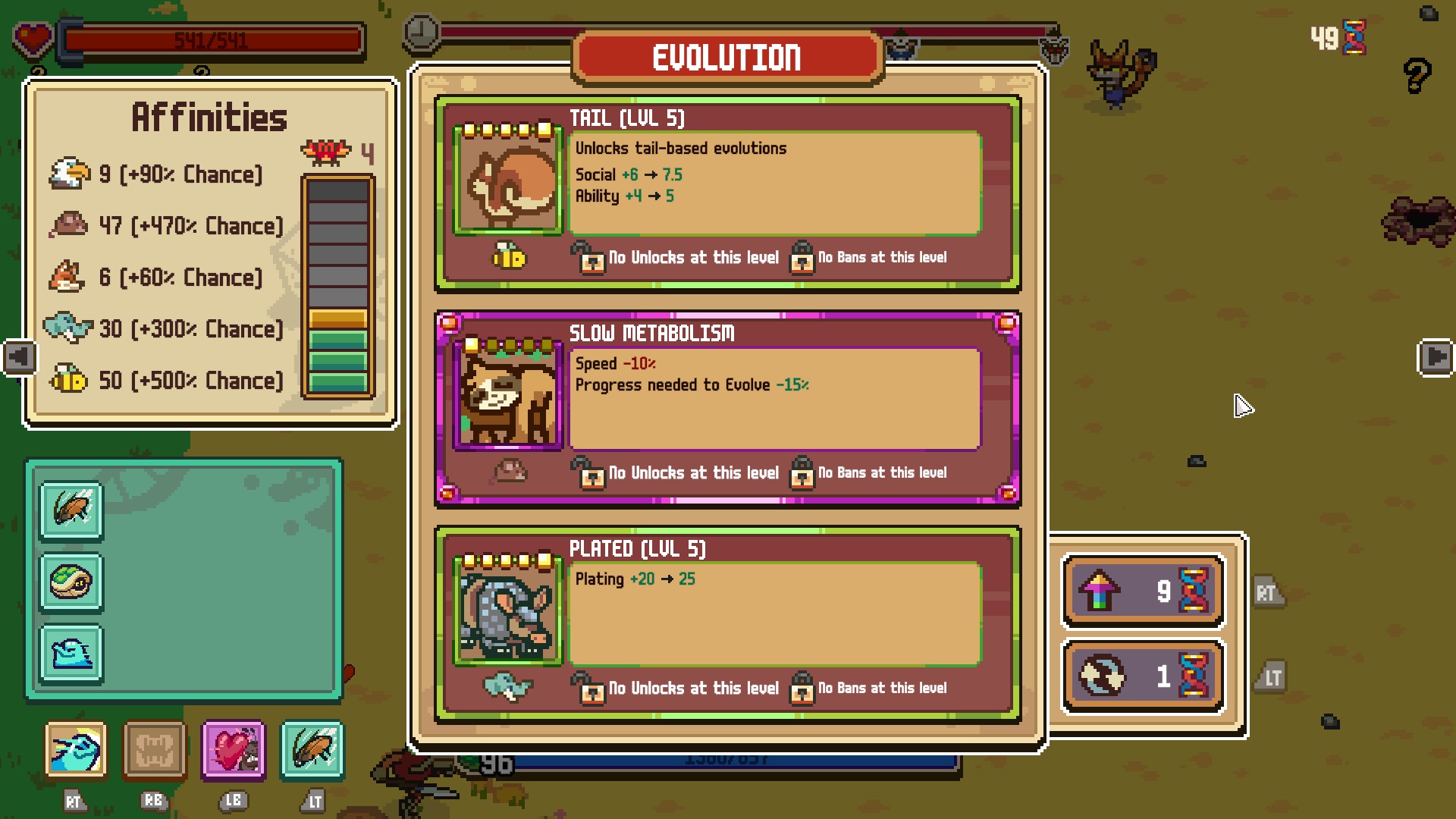
This accelerated leveling system can also disrupt the game’s flow. Many effective strategies revolve around maximizing the pace of level-ups, achieved through upgrades to eating speed, increased spawn rates of beneficial resources, or passive progression mechanics. When these level-ups occur too frequently, the game devolves into a series of menu interruptions, with the time spent managing traits eclipsing the actual gameplay. The ideal scenario of seamless adaptation is frequently overshadowed by constant, albeit minor, pauses in the action.
Beyond individual runs, the meta-progression in Everything is Crab feels disappointingly slow and unrewarding. While there are a few elements to unlock, the primary mode largely consists of repeating runs with incrementally increasing difficulty levels. The variety that should sustain long-term engagement is found in challenges, which are single-run modifiers offering more extreme gameplay conditions. However, these challenges are unlocked at a glacial pace, and many lean towards being excessively punitive rather than genuinely fun.
A significant portion of these challenges involves randomizing evolutions, which undermines the strategic depth of build-crafting. Modifiers like "you cannot heal in any way" feel gratuitously cruel, detracting from the otherwise engaging digital ecosystem. In a game that thrives on emergent gameplay and creative adaptation, the limited and often frustrating variety of challenges feels like a missed opportunity.
Verdict: A Novelty with Untapped Potential
Everything is Crab is undoubtedly a fascinating and creative endeavor within a genre that often relies on iteration rather than innovation. While it may not reach the ambitious heights of its Spore inspiration, it succeeds in realizing some of those aspirations in a more engaging and interactive manner. However, its shortcomings in pacing and progression temper its overall impact.
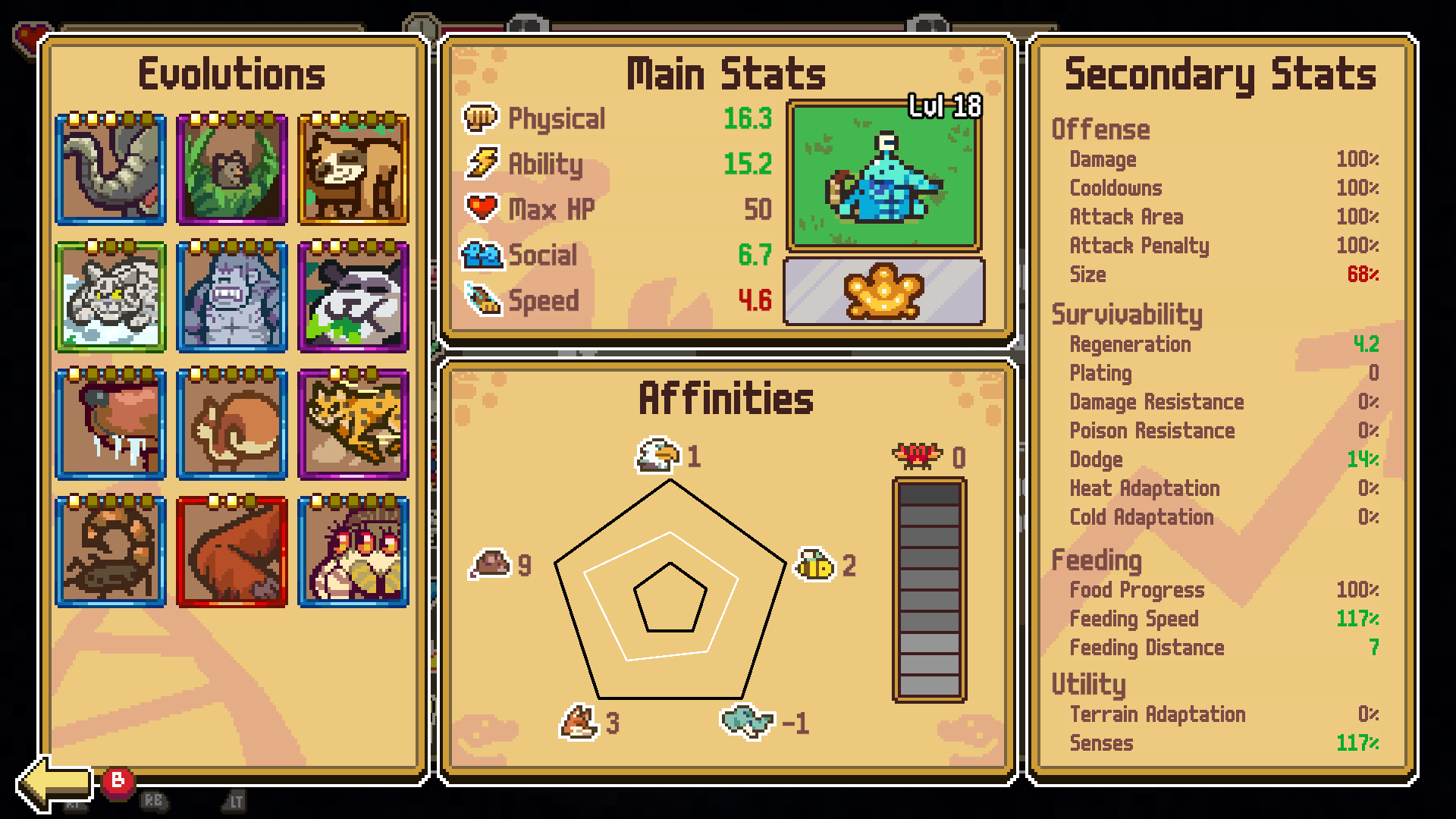
The game shines brightest in its initial hours, captivating players with its unique mechanics and visual flair. The sheer novelty of evolving a creature in real-time, adapting to a dynamic ecosystem, and exploring the bizarre concept of carcinisation is a powerful draw. The low price point makes it an accessible entry point for those seeking something different.
Ultimately, Everything is Crab stands as more of a captivating novelty than a potential roguelike obsession. Its creative spark and left-field ideas are undeniably worth experiencing, especially for players who still harbor a fondness for the unfulfilled promise of Spore. With continued development and a thoughtful refinement of its pacing and meta-progression systems, Everything is Crab has the potential to evolve into something truly remarkable, luring players back for many more runs. For now, it remains a testament to the power of unique concepts, even if its execution doesn’t quite match its boundless ambition.




Leave a Comment