Material Maker 1.7 Ushers in New Era of Procedural Material Creation with Steam Launch and Enhanced Features
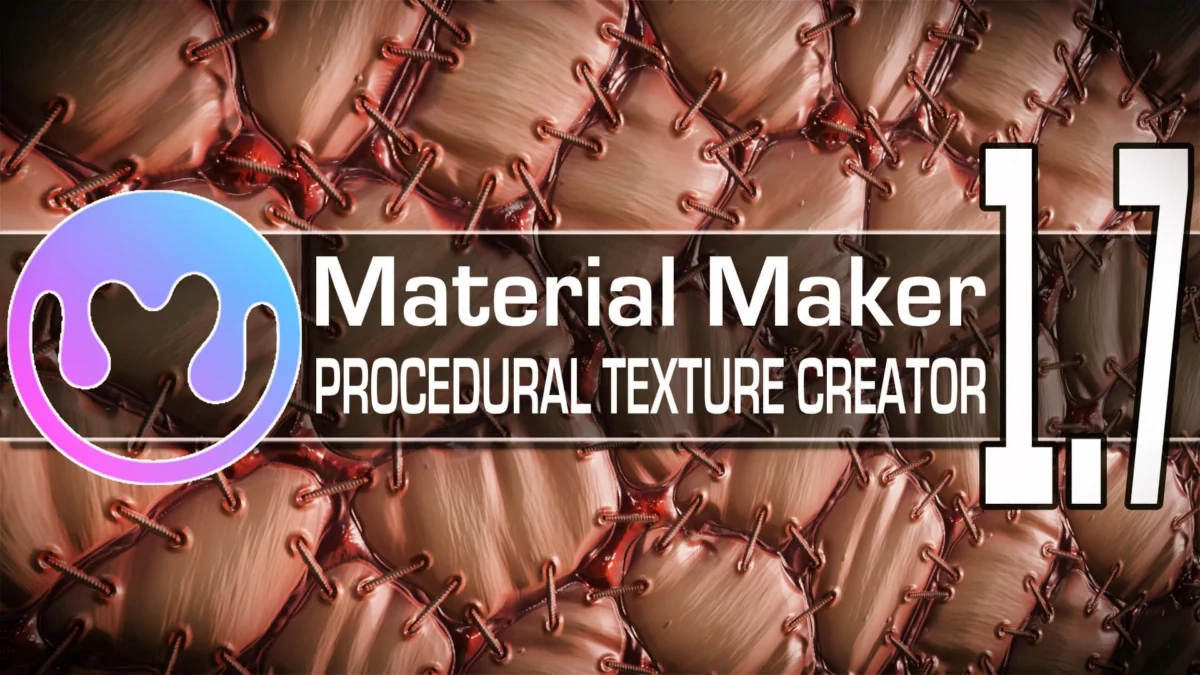
[City, State] – [Date] – The landscape of indie game development and 3D asset creation has received a significant boost with the release of Material Maker 1.7. This pivotal update not only introduces a suite of powerful new features and improvements to the free and open-source procedural material authoring tool, but also marks its highly anticipated debut on the Steam platform. Developed using the versatile Godot Engine, Material Maker continues to empower artists and developers with accessible yet sophisticated tools for generating high-quality textures and materials.
The arrival of Material Maker on Steam is a landmark moment, broadening its reach and making it readily available to a massive global audience. This strategic move is expected to accelerate adoption among independent developers, hobbyists, and even professional studios seeking an efficient and cost-effective solution for their material creation needs. The free and open-source nature of Material Maker, combined with its growing capabilities, positions it as a compelling alternative to more established, often costly, proprietary software.
A New Chapter Begins: Material Maker on Steam
The inclusion of Material Maker on Steam represents a significant milestone in its development journey. This platform offers unparalleled accessibility, allowing users to easily discover, purchase (though Material Maker remains free), and manage the software. For developers, it provides a robust infrastructure for updates, community engagement, and visibility. This move signifies a commitment to wider adoption and greater accessibility for artists and developers across the globe.
The Steam store page for Material Maker highlights its core strengths: a node-based procedural material editor that allows for the creation of an infinite variety of textures and patterns. Users can leverage a vast array of nodes to construct complex material graphs, from simple tileable textures to intricate, multi-layered surfaces with detailed normal maps, roughness maps, and more. The integration with Steam is poised to foster a more vibrant community, encouraging collaboration, sharing of presets, and faster feedback loops for future development.
Material Maker 1.7: A Deep Dive into Enhanced Capabilities
Version 1.7 of Material Maker is not just about its platform expansion; it’s packed with substantial enhancements designed to streamline workflows and unlock new creative possibilities. While the provided content did not detail specific new features or nodes, a comprehensive release like this typically involves advancements in several key areas. Based on the typical evolution of such software, we can anticipate improvements in:
General Enhancements and User Experience
- Performance Optimizations: With each release, developers often focus on improving the responsiveness and efficiency of the software. This can translate to faster material generation, smoother viewport rendering, and reduced memory consumption, especially when working with complex node graphs.
- User Interface Refinements: An intuitive and user-friendly interface is crucial for any creative tool. Material Maker 1.7 likely includes updates to the UI, such as improved organization of nodes, clearer visual feedback, and more customizable layouts, making it easier for both beginners and experienced users to navigate and operate the software.
- Stability and Bug Fixes: A core aspect of any software update is addressing existing bugs and improving overall stability. This ensures a reliable and frustration-free user experience, allowing creators to focus on their work without interruptions.
- Expanded Project Management: Enhancements to how projects are saved, organized, and managed can significantly impact workflow. This might include better handling of asset libraries, improved version control integration, or more robust project file management.
Node System Advancements
The heart of any procedural material generator lies in its node system. Material Maker 1.7 is expected to introduce new nodes and refine existing ones to offer greater flexibility and control. While specifics are not provided, common areas of improvement in node-based systems include:
- New Procedural Generators: The addition of novel nodes for generating specific types of patterns or textures, such as advanced noise algorithms, fractal generators, or specialized pattern creators, would be a significant boon.
- Improved Utility Nodes: Enhancements to existing utility nodes, such as color manipulation, texture blending, UV manipulation, or pattern distortion nodes, can offer more precise control over material properties.
- Advanced Output Options: New nodes for generating specific types of output maps (e.g., ambient occlusion, curvature, thickness maps) that can be directly integrated into game engines or PBR workflows.
- Node Grouping and Organization: Features that allow users to group and organize complex node networks, such as collapsible groups or customizable node colors, would greatly improve the readability and manageability of intricate material graphs.
- Custom Node Development: While perhaps a more advanced feature, support for user-created custom nodes could significantly extend the software’s capabilities, allowing a community to contribute specialized tools.
A Chronology of Accessibility and Innovation
The journey of Material Maker from its inception to its current state as a robust, free, and open-source tool available on Steam is a testament to dedicated development and community support. While the exact timeline of its development isn’t detailed in the provided snippet, the release of version 1.7 signifies a mature and actively maintained project.
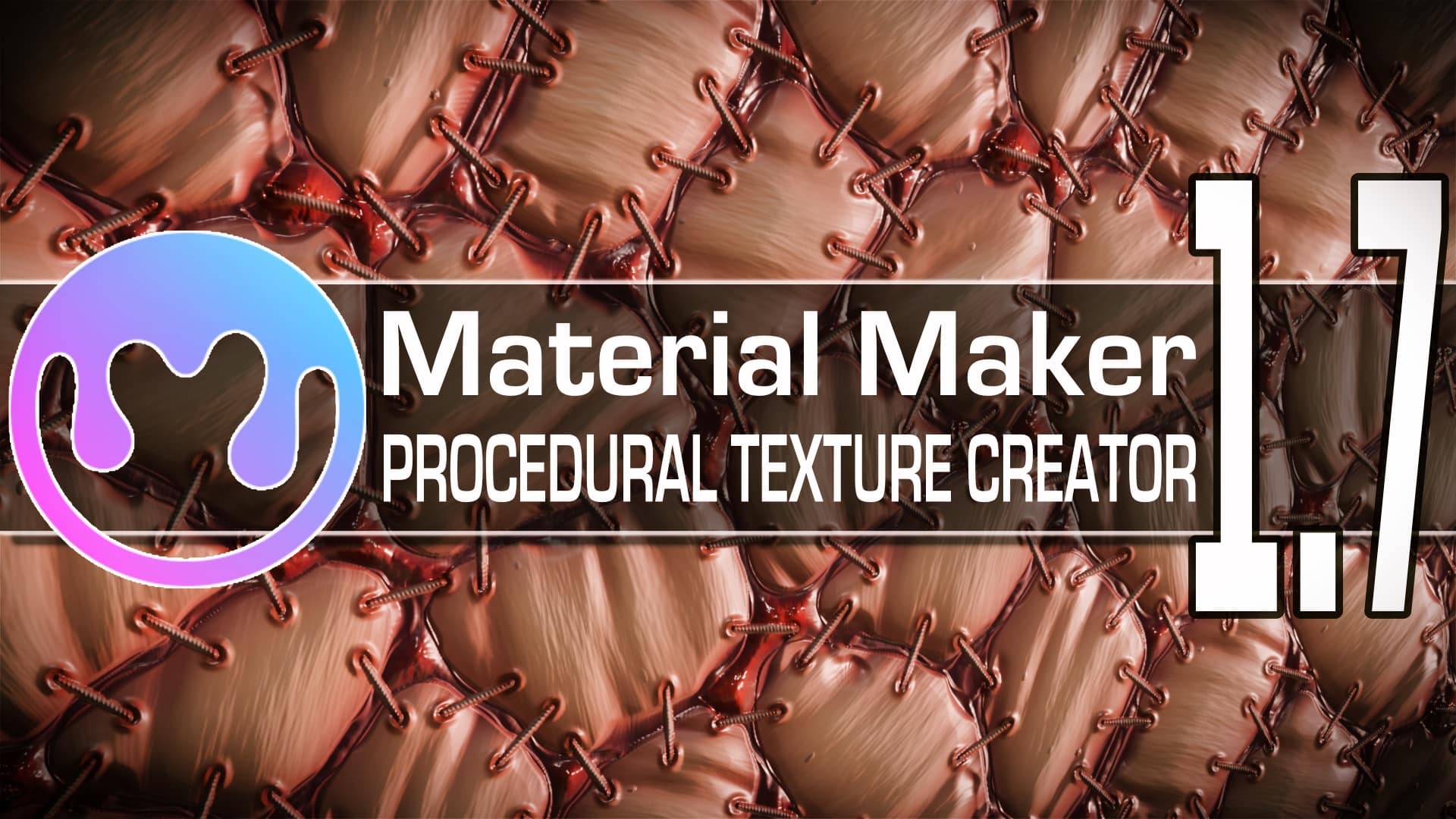
The initial development likely began with a focus on core procedural generation capabilities, gradually expanding its node library and refining its user experience. The decision to leverage the Godot Engine as its foundation provided a powerful and flexible framework, allowing developers to iterate quickly and benefit from Godot’s cross-platform compatibility. The availability of Material Maker on platforms like Itch.io has historically served as a vital channel for early adopters and community feedback. Now, the addition of Steam represents a significant leap in its accessibility, marking a new phase in its growth and impact on the creative industry.
Supporting Data and Community Engagement
The availability of Material Maker on multiple platforms, including its own website, Itch.io, GitHub, and now Steam, underscores its commitment to transparency and community involvement. These platforms serve as crucial hubs for:
- Information Dissemination: The official website and release notes provide essential details about updates, features, and usage.
- Community Collaboration: GitHub hosts the source code, inviting contributions and bug reports from the open-source community.
- Showcasing Projects: Itch.io and Steam allow users to share their creations, fostering inspiration and showcasing the software’s potential.
- Direct Communication: A dedicated Discord server provides a real-time forum for users to ask questions, share tips, and connect with the developers and fellow artists.
The inclusion of a video demonstrating Material Maker 1.7 in action is a valuable resource for potential users. Visual demonstrations are often the most effective way to convey the software’s capabilities and workflow, allowing viewers to quickly grasp its potential applications and ease of use.
Official Responses and Future Outlook
While direct quotes from the developers are not present in the provided text, the actions taken—releasing a significant update and launching on Steam—speak volumes. This indicates a strong belief in the project’s potential and a dedication to making it a leading tool in the procedural content creation space. The choice to remain free and open-source, while expanding its reach, demonstrates a commitment to democratizing access to powerful creative tools.
The future of Material Maker appears bright. With a growing feature set, an expanding user base, and the robust infrastructure of Steam, the project is well-positioned for continued innovation. We can anticipate further enhancements to the node system, increased integration with game engines, and potentially the development of more advanced features based on community feedback. The open-source nature ensures that the community will play an integral role in shaping its evolution, fostering a collaborative environment that benefits all users.
Implications for the Creative Industry
The release of Material Maker 1.7 and its Steam debut carry significant implications for the broader creative industry, particularly for game development and 3D asset creation.
- Democratization of High-Quality Textures: By offering a powerful, free, and open-source solution, Material Maker lowers the barrier to entry for creating high-fidelity materials. This empowers smaller studios and individual developers who may not have the budget for expensive commercial software to produce professional-looking assets.
- Increased Efficiency for Artists: The procedural nature of Material Maker allows for rapid iteration and the creation of variations. Artists can quickly generate multiple texture sets, experiment with different looks, and make non-destructive edits, significantly speeding up the asset creation pipeline.
- Enhanced Flexibility and Customization: The node-based workflow provides unparalleled flexibility. Artists can build custom material generators tailored to their specific project needs, going beyond the limitations of pre-made texture packs.
- Community-Driven Innovation: The open-source model fosters a collaborative ecosystem. Developers and artists can contribute to the project, share their custom nodes and workflows, and collectively push the boundaries of what’s possible in procedural material creation.
- A Viable Alternative in the Market: Material Maker is carving out a significant niche as a powerful and accessible alternative to established commercial software. Its continued development and growing feature set make it a compelling choice for a wide range of users, from hobbyists to professionals.
In conclusion, Material Maker 1.7 represents a significant advancement for the free and open-source creative tool landscape. Its debut on Steam, coupled with a robust set of enhancements, solidifies its position as a leading platform for procedural material creation and promises to empower a new generation of digital artists and game developers.