
Virtual Fairways, Real-World Legacy: GOLF+ Launches ‘Save Muny’ DLC to Preserve Austin’s Historic Lions Municipal Golf Course
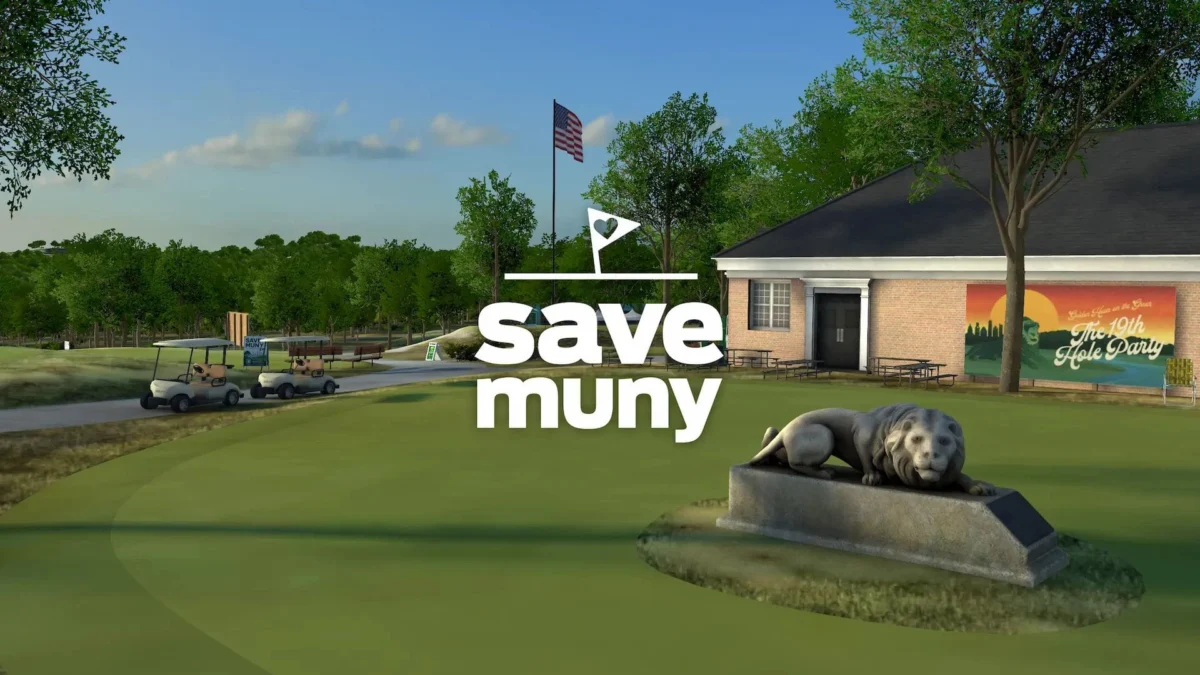
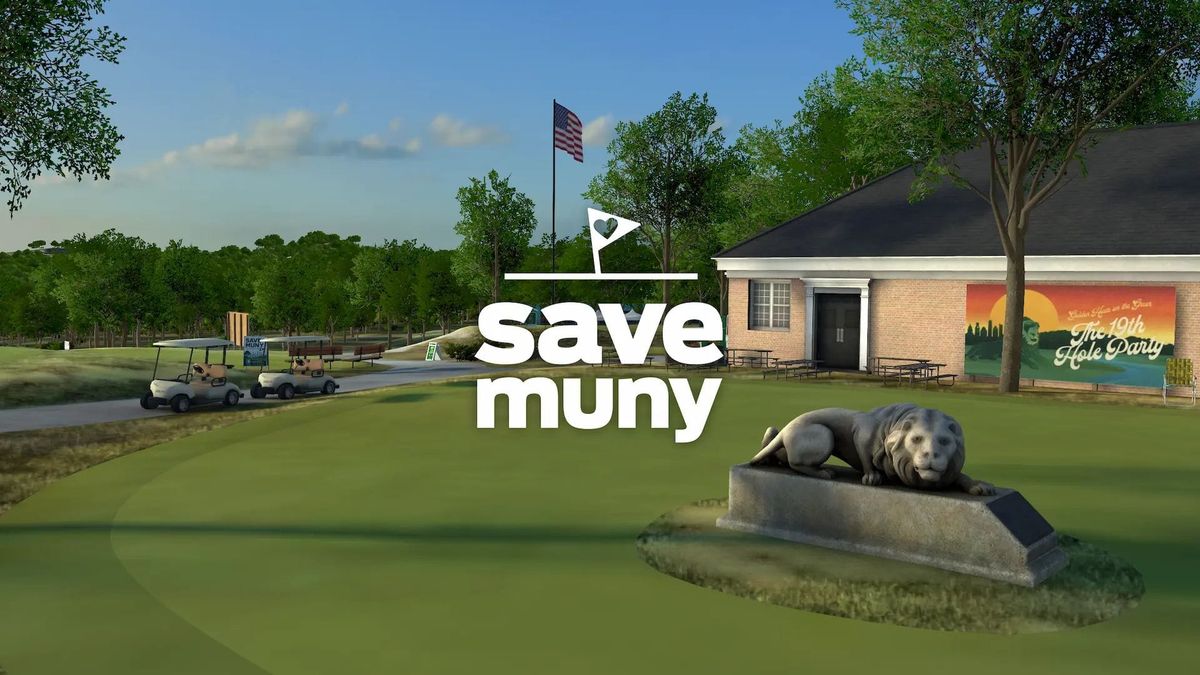
The intersection of virtual reality and historical preservation has reached a new milestone with the release of the "Save Muny" downloadable content (DLC) for GOLF+, the leading golf simulator on the Meta Quest platform. This release is more than a technical update; it is a digital crusade to save one of the American South’s most culturally significant landmarks: the Lions Municipal Golf Course in Austin, Texas.
By recreating the course in stunning detail, GOLF+ is not only providing players with a new challenge but is also leveraging its massive user base to draw international attention to a local battle over land, history, and social justice.
Main Facts: A Digital Resurrection of a Physical Icon
The "Save Muny" DLC, priced at $11.99, introduces a meticulously reimagined version of the Lions Municipal Golf Course (affectionately known as "Muny") to the GOLF+ ecosystem. The base game, which retails for $29.99 on the Meta Quest store, has become a staple of the VR sports genre, offering high-fidelity physics and realistic environments.
Technical Specifications and Features
The DLC does not merely replicate the current state of the course; it offers a "restored" vision. Working in conjunction with historians and golf course architects, the developers at GOLF+ have implemented:
- Revived Routing: Adjustments to the course layout that honor its original 1924 design while optimizing it for modern play.
- Restored Greens: High-resolution textures and terrain modeling that capture the unique undulations of the Central Texas landscape.
- Thoughtful Modern Touches: Enhanced lighting and environmental effects that utilize the processing power of the Quest 3, ensuring that the digital version of Muny feels as vibrant as the real-world site.
The DLC arrives at a time when GOLF+ is expanding its reach through the Horizon+ subscription service, where the base game is currently featured in the monthly games catalog. This strategic placement ensures that the message of the "Save Muny" initiative reaches the widest possible audience during a critical period for the physical course’s future.
Chronology: A Century of History on the Fairway
To understand the weight of this DLC, one must look back at the hundred-year odyssey of the Lions Municipal Golf Course. Its history is a microcosm of the broader American struggle for civil rights and urban identity.
1924–1950: The Early Years
Opened in 1924, Muny was established by the Austin Lions Club on land leased from the University of Texas. For its first quarter-century, it served as a premier destination for local golfers, hosting legends of the game. However, like most public facilities in the South during this era, it was strictly segregated.
1951: A Landmark Moment in Civil Rights
In 1951, several years before the landmark Brown v. Board of Education Supreme Court decision, Muny became a silent battlefield for integration. Two young African American boys walked onto the course and began to play. Rather than arresting them or forcing them off the grounds—the standard protocol in the Jim Crow South—city officials and the local community allowed them to finish their round. This quiet act of defiance led to Muny becoming one of the first integrated public golf courses in the Southern United States, a full decade before many other municipal facilities followed suit.
1970s–2010s: The Rising Pressure of Development
As Austin transformed from a sleepy college town into a global technology hub, the value of the 141-acre tract of land occupied by Muny skyrocketed. The University of Texas, which owns the land, began exploring "highest and best use" scenarios, which often translated to high-density residential and commercial development.
2019–Present: The "Save Muny" Movement
The Muny Conservancy was formed to advocate for the permanent preservation of the course. The fight reached a fever pitch in recent years as the university’s lease with the City of Austin approached expiration. The "Save Muny" campaign has garnered support from golf legends like Ben Crenshaw and Jordan Spieth, as well as local activists who view the course as an essential "green lung" for the city.
Supporting Data: The Economic and Social Value of Public Space
The push to replace Muny with luxury condos or retail space is driven by the staggering appreciation of Austin real estate. However, supporters of the course argue that the economic data often overlooks the "soft value" of public recreation.
Real Estate vs. Recreation
- Land Value: Estimates suggest the 141 acres could be worth hundreds of millions of dollars in the current Austin market.
- Accessibility: Muny remains one of the most affordable places to play golf in Central Texas, with green fees significantly lower than private clubs, ensuring that the sport remains accessible to a diverse demographic.
- Environmental Impact: As an urban heat island, Austin relies on its green spaces to mitigate rising temperatures. Muny provides a massive permeable surface that assists with carbon sequestration and stormwater management.
The VR Impact
The digital version of the course serves as a data-backed argument for preservation. GOLF+ boasts a community of hundreds of thousands of active monthly users. By introducing Muny to this audience, the developers are creating a "digital twin" that documents the course’s current and historical state. This data ensures that even if the physical land is altered, the architectural and historical footprint of Muny is preserved in a 1:1 scale digital format.
Official Responses: Perspectives from the Digital and Physical Fronts
The release of the DLC has prompted responses from various stakeholders, highlighting the tension between progress and preservation.
GOLF+ Development Team
In a statement accompanying the release, the GOLF+ team emphasized their commitment to the "Save Muny" cause:
"Golf is more than just a game; it’s a vessel for history and community. When we learned about the threats facing Lions Municipal, we knew we had to use our platform to help. By bringing Muny into VR, we are allowing golfers around the world to walk these historic fairways and understand why this place is worth fighting for."
The Muny Conservancy
The Conservancy has welcomed the digital initiative as a powerful tool for global outreach. A spokesperson for the group noted, "Many people outside of Texas don’t realize that Muny was a pioneer in desegregation. The GOLF+ DLC puts that history into the hands of a younger, tech-savvy generation. It turns players into advocates."
The University of Texas and Developers
While the University of Texas has not commented directly on the VR DLC, their position has historically focused on their fiduciary duty to maximize the value of their endowment for the benefit of students. Proponents of development argue that the land could provide thousands of housing units, which are desperately needed in Austin’s constrained housing market.
Implications: VR as the New Frontier of Cultural Preservation
The "Save Muny" DLC represents a shift in how society views virtual reality. No longer just a tool for escapism, VR is becoming a medium for "digital activism."
The Concept of Digital Archiving
As urban landscapes change at an unprecedented pace, VR offers a way to "freeze" important cultural sites in time. If Muny were to be developed, the GOLF+ version would transition from a simulator to a museum—a hauntingly accurate record of what once was. This sets a precedent for other historically significant sites currently under threat from climate change or urban expansion.
Democratizing Activism
By pricing the DLC at $11.99, GOLF+ has created a low-barrier way for the public to support a cause. While a portion of the proceeds supports the maintenance and advocacy efforts of the Conservancy, the primary value lies in the "mindshare." Every minute a player spends on the virtual 10th hole is a minute spent engaging with the legacy of desegregation and the value of public land.
The Future of the "Muny" Battle
The release of the DLC coincides with ongoing negotiations between the City of Austin and the University of Texas. The increased visibility brought by the VR community may put additional pressure on local officials to find a compromise—such as a long-term conservation easement—that protects the course while addressing the university’s financial goals.
In conclusion, the "Save Muny" DLC is a landmark moment for the gaming industry. It proves that virtual fairways can have a real-world impact, turning a simple golf simulator into a powerful engine for historical preservation. As players tee off in the virtual Austin sunshine, they are participating in a century-old story that is far from over. Whether Muny survives the 21st century remains to be seen, but in the world of GOLF+, its fairways will remain open to all, forever.



Leave a Comment