Drums of Thunder: Ragnarock Expands Its Heavy Metal Odyssey with New Licensed Tracks
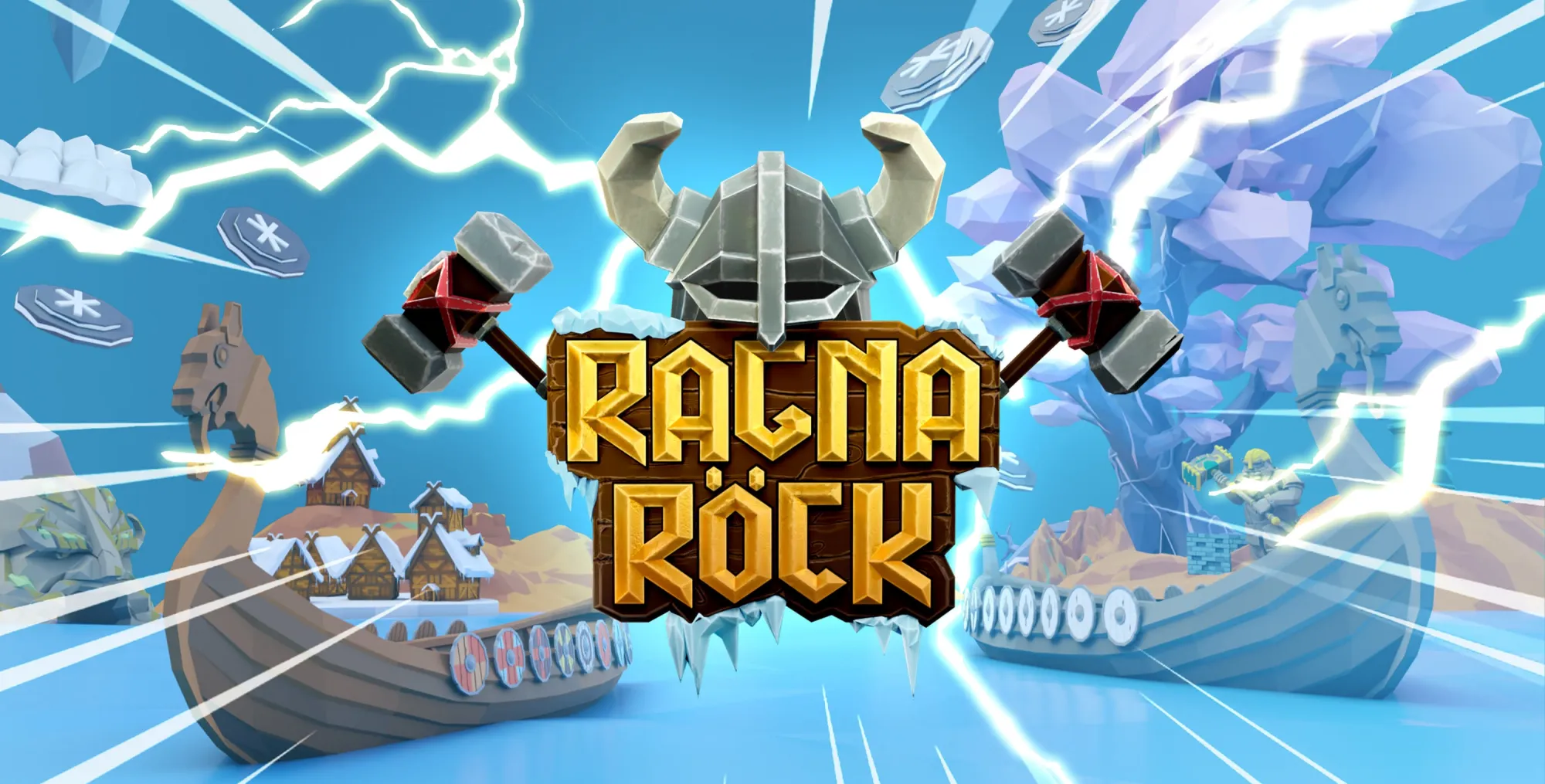
The virtual reality rhythm landscape has long been dominated by neon aesthetics and electronic dance music, but for those who prefer their rhythmic challenges served with a side of mead and thunderous percussion, Ragnarock remains the undisputed champion. Developed by the French indie powerhouse Wanadev Studio, Ragnarock has carved out a dedicated niche by blending high-intensity drumming mechanics with a curated selection of Celtic, Power Metal, and Viking-themed rock.
In a significant move to revitalize its library, Wanadev Studio recently announced the addition of two new licensed tracks to the base game for free. This update marks the first major musical expansion since the summer of 2025, signaling a renewed commitment to the title even as the studio navigates the complex waters of independent game development and multi-project management.
Main Facts: The New Sound of the Longship
The latest update introduces two heavy-hitting tracks that align perfectly with the game’s high-energy, competitive rowing premise. Players take on the role of a Viking captain, drumming to the beat to propel their ship across mythical Norse landscapes. The precision of the hits determines the speed of the vessel, making the choice of music critical to the gameplay experience.
The two new additions are:
- "Hard Rock Hallelujah" by Lordi (2006): A legendary track in the world of heavy metal, famous for securing Finland’s first-ever Eurovision Song Contest victory. Its anthemic chorus and steady, driving rhythm make it an ideal candidate for Ragnarock’s drumming mechanics.
- "Strangeland" by Mister Misery (2020): Representing the modern era of melodic metal, this track offers a faster pace and more intricate percussion patterns, providing a fresh challenge for veteran players who have mastered the existing setlist.
In addition to these new tracks, the update brings a mandatory change to the game’s tutorial. Due to the expiration of licensing agreements, the long-standing tutorial song "Call of the North" has been retired. It has been replaced by "To Erebor"—a fan-favorite track by the dwarven-metal band Wind Rose. While the loss of a song is always a point of contention in rhythm games, the substitution of a track as popular as "To Erebor" has been largely welcomed by the community.
Chronology: A Timeline of Rhythmic Evolution
To understand the significance of this update, one must look at the cadence of Ragnarock’s development. Unlike its contemporaries, which often rely on monthly "Music Packs" to drive revenue, Wanadev Studio has taken a more measured—and perhaps more difficult—path toward expansion.
- 2020–2021: Launch and Early Growth: Ragnarock entered the VR scene, quickly gaining acclaim for its physical gameplay and unique focus on rock and metal. It launched with a solid foundation of tracks from bands like Alestorm and Saltatio Mortis.
- 2022–2024: Major Collaborations: The game saw high-profile DLC releases, including the Sabaton Collaborative Pack and the Hellfest DLC, which brought some of the biggest names in metal to the VR space.
- July 2025: The Viking Music Pack: This was the last major music injection prior to the current update. It was a paid add-on featuring five tracks, designed to bolster the "Viking" aesthetic of the game.
- Late 2025 – Mid-2026: The Quiet Period: For nearly a year, new musical content for Ragnarock slowed to a crawl. During this time, Wanadev Studio pivoted resources toward other projects, leading some fans to wonder if the longship had finally reached its destination.
- Late 2026: The Current Update: The release of the Lordi and Mister Misery tracks serves as a "re-ignition" of the title, proving that the developers are still actively maintaining the game’s license portfolio and rewarding the player base with free content.
Supporting Data: The Competitive Landscape of VR Rhythm Games
The VR rhythm genre is one of the most competitive sectors in the gaming industry. Data suggests that player retention in these titles is directly correlated with the frequency of "newness"—specifically, new music.
When compared to its primary competitors, Ragnarock’s update frequency highlights the challenges faced by independent studios:
| Feature | Ragnarock | Beat Saber | Synth Riders |
|---|---|---|---|
| Parent Company | Wanadev Studio (Indie) | Beat Games (Meta) | Kluge Interactive (Indie/Partnered) |
| 2026 Music Drops | 1 (Latest Update) | 4+ (Including 8th Anniv.) | 3+ (Including Linkin Park) |
| Licensing Muscle | Direct Negotiation | Meta Corporate Legal Team | Extensive Partner Networks |
| Primary Genre | Metal/Rock/Celtic | Pop/EDM/Hip-Hop | Synthwave/Electro/Rock |
While Beat Saber benefits from the bottomless coffers of Meta, allowing them to secure massive names like Linkin Park, Queen, and The Rolling Stones with relative ease, Wanadev must navigate a much more arduous path. The "Supporting Data" here isn’t just in the numbers of songs, but in the longevity of the licenses. The removal of "Call of the North" underscores a harsh reality: in the world of licensed rhythm games, content is often "rented" rather than owned. When the contract ends, the content must go, regardless of its popularity.
Official Responses: The Hard Reality of Music Licensing
In a rare and transparent look behind the curtain, Wanadev Studio utilized the announcement of this update to educate their community on why new songs don’t appear overnight. The developer’s statement highlighted the bureaucratic and financial hurdles that define the industry.
"Before we can even start mapping a track, we first need to contact the rights holders, secure their approval, and make sure the artists are fairly compensated," the studio explained in their official dispatch. "Unfortunately, those pieces don’t always come together, which means some songs simply can’t make their way into Ragnarock."
The studio further clarified that every song in the game is "officially licensed from its rights holders, most often the bands themselves or their publishers, including royalties in various forms."
This response serves two purposes. First, it manages player expectations regarding the speed of updates. Second, it reaffirms the studio’s ethical stance on artist compensation—a hot-button issue in an era where streaming services and AI-generated content often devalue the work of musicians. By emphasizing "fair compensation," Wanadev positions itself as a partner to the metal community rather than just a consumer of its art.
Implications: Diversification and the Future of Wanadev
The slower pace of Ragnarock updates is not merely a result of licensing difficulties; it is also a reflection of Wanadev Studio’s strategic diversification. The studio has moved beyond being a "rhythm game developer" to become a multi-genre powerhouse in the VR and flatscreen space.
1. The Success of Propagation: Paradise Hotel
Wanadev recently saw critical success with Propagation: Paradise Hotel, a survival horror title that demonstrated their ability to handle atmospheric storytelling and complex VR interactions. The resources required to maintain a high-fidelity horror game are vastly different from those needed for a rhythm game, suggesting a split in the studio’s internal focus.
2. The Move to Flatscreen: Species Unknown
The studio is currently deep in the development of Species Unknown, an upcoming flatscreen co-op survival horror title. This move is significant as it represents an attempt to reach the broader PC and console gaming market outside of the VR "walled garden." For Ragnarock fans, this means that while the game remains a beloved part of the portfolio, it is now competing for internal resources with high-stakes new IP.
3. The "Tutorial" Precedent
The replacement of the tutorial song sets a precedent for the "living" nature of digital libraries. As more VR games age, we are likely to see more "licensing sunsets." How developers handle these—by either removing content entirely or replacing it with equivalent value—will define the trust they hold with their communities. By replacing a departing track with a high-tier song like "To Erebor," Wanadev has shown a commitment to maintaining the value of the player’s initial purchase.
Conclusion: A Resilient Anthem
The addition of Lordi and Mister Misery to Ragnarock is more than just a minor content patch; it is a statement of resilience. In a market where indie VR titles often flash brilliantly before fading into obscurity, Ragnarock continues to beat its drums.
While it may not have the rapid-fire release schedule of Meta-backed giants, its curated approach ensures that every track added feels essential to the Viking fantasy. For the players, the message is clear: the voyage is not over. As long as there are monsters to fight and metal to blast, the longships of Ragnarock will continue to sail, one drumbeat at a time.
The game remains available on all major VR platforms, including Steam, Meta Quest, and PlayStation VR2, ensuring that whether you are a veteran of the 2020 launch or a newcomer lured in by the "Hard Rock Hallelujah," there is a seat waiting for you at the drums.