
Blender Foundation Realigns Funding Policy and AI Stance Amidst Community Backlash
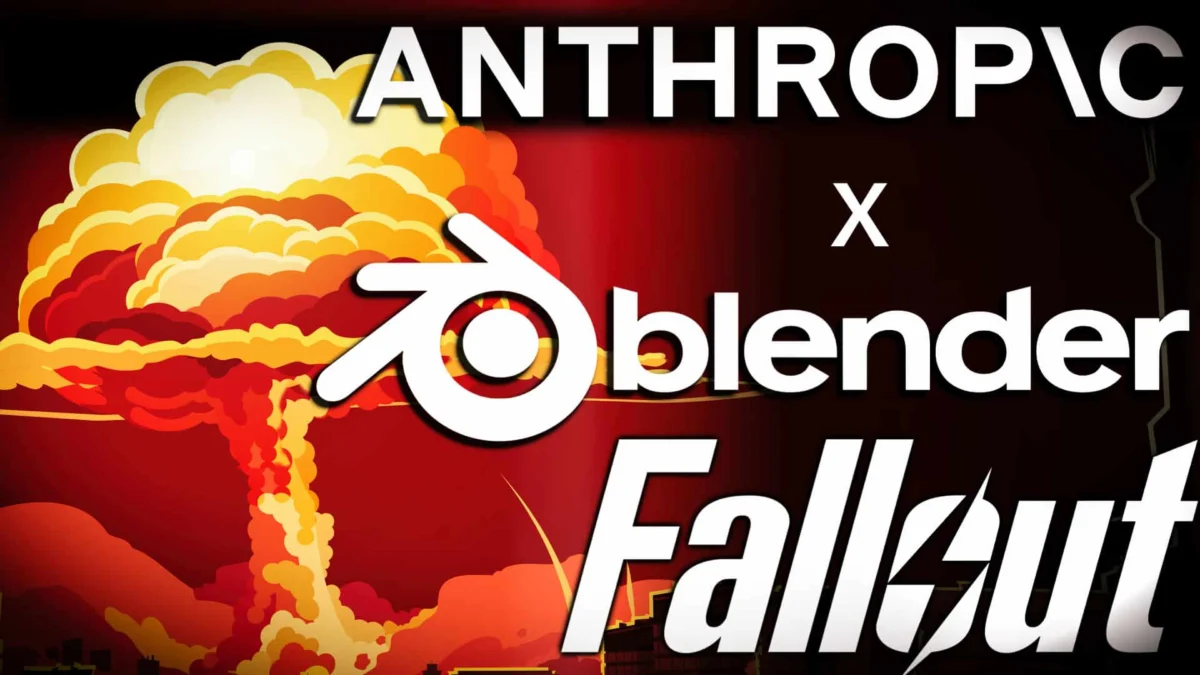
Amsterdam, May 1, 2026 – The Blender Foundation, a cornerstone of the open-source 3D creation community, finds itself at a critical juncture, navigating a wave of community concern following its announcement of a corporate patron-level donation from Anthropic AI. In response to a significant backlash, Blender CEO Francesco Siddi has issued a public statement detailing revised approaches to donations, particularly concerning AI companies, and outlining a proactive strategy for defining Blender’s relationship with generative AI technologies.
The initial announcement, which welcomed Anthropic AI as a Corporate Patron of the Blender Development Fund, ignited a firestorm within the Blender community. The perceived incongruity of a prominent open-source software project, deeply intertwined with human creativity, accepting significant financial backing from an artificial intelligence development firm led to widespread debate and apprehension. Many users and contributors expressed unease about potential conflicts of interest, the ethical implications of AI in creative workflows, and the underlying principles of Blender’s open-source ethos.
In an effort to address these concerns and foster a more transparent and collaborative path forward, Siddi’s statement, released earlier this week, signifies a significant shift in the Foundation’s operational approach. The move underscores the Blender Foundation’s commitment to its user base and its dedication to upholding the core values that have propelled Blender to its current standing as a leading free and open-source 3D creation suite.
The Genesis of Community Concern: A Donation Under Scrutiny
The controversy began with the news that Anthropic AI, a company at the forefront of artificial intelligence research and development, had become a Corporate Patron of the Blender Development Fund. This membership level signifies a substantial financial contribution aimed at supporting Blender’s ongoing development, infrastructure, and core activities. For years, the Blender Development Fund has relied on the generosity of individuals and corporations to fuel its progress, enabling it to remain a free and accessible tool for artists, animators, game developers, and visual effects professionals worldwide.
However, the nature of Anthropic AI’s business – the creation of advanced AI models, including large language models and, potentially, generative AI tools that can produce images and other creative content – immediately raised red flags for a segment of the Blender community. Concerns were voiced across various online forums, social media platforms, and community channels, highlighting a perceived ideological tension. The core of the apprehension revolved around the potential for such a partnership to undermine Blender’s identity as a tool for human creativity, or to pave the way for the integration of AI-generated content into workflows that prioritize human artistic input.
"To say this was a bit polarizing in the community is a bit of an understatement," the initial report noted, accurately capturing the intensity of the discourse. The speed and scale of the community’s reaction underscored the deep emotional investment many have in Blender and its guiding principles.
A Measured Response: Reconfiguring the Donation and Policy
Acknowledging the validity and urgency of the community’s concerns, Francesco Siddi, Chairman of the Blender Foundation, has articulated a clear and decisive path forward. The Foundation has opted to receive Anthropic AI’s contribution as a singular, direct donation rather than formalizing it as a Blender Development Fund membership. This recalibration, Siddi explained, aligns with how many other open-source organizations have handled similar contributions from entities that may present unique considerations.
"After an in-depth discussion with the team and several community contributors, we have decided to receive the funds as a singular donation instead of a Development Fund membership, similar to how other open source organizations have handled such contributions," Siddi stated in his official release. This pragmatic adjustment signals a willingness to adapt to community feedback without compromising the financial support essential for Blender’s continued growth. Crucially, Anthropic AI has been informed of this decision and, according to Siddi, "supports this decision."
The funds themselves, regardless of their categorization, will be directed towards Blender’s core activities. Siddi emphasized that the donation will be "spent on core activities for the Blender project, supporting human-driven development, art, and creativity." This assurance aims to reiterate that the financial backing will serve to enhance the existing human-centric ecosystem of Blender, rather than to facilitate the integration of AI-generated content.
Strengthening Governance: A Proactive Approach to Funding
Beyond the immediate adjustment regarding Anthropic AI’s contribution, the Blender Foundation is undertaking a broader initiative to strengthen its processes for accepting donations. This proactive measure is designed to ensure greater transparency, accountability, and alignment with the Foundation’s overarching mission.
"Moving forward, Blender Foundation is strengthening the processes when it comes to accepting donations, aligned with the existing Funding Policy," Siddi announced. This commitment to reinforcing existing policies suggests a desire to build more robust frameworks for evaluating and integrating future contributions, particularly those that may involve novel or sensitive areas like AI. The Foundation has pledged to communicate progress on these policy enhancements through upcoming board meeting logs published on blender.org, fostering a culture of open governance.
Defining the Future: Blender’s Stance on Generative AI
Perhaps the most significant outcome of this community dialogue is the urgent need to clearly define Blender’s position in relation to generative AI technologies. Siddi explicitly stated the Foundation’s intent to "urgently tackle the topic and clearly define how Blender is positioned in regards to generative AI technologies when it comes to the product, software development, documentation, and other activities."
This commitment to open discussion and policy formulation is a crucial step in addressing the underlying anxieties within the community. Discussions are slated to take place in the public blender.org channels, with drafts prepared by the Blender team serving as a starting point for community input. This approach prioritizes collaborative development of Blender’s AI strategy, ensuring that the community has a voice in shaping its future.
Siddi underscored the fundamental identity of Blender: "Blender is a tool for artists and creators, it’s made by humans for humans." This core tenet is reinforced by the explicit statement: "No generative AI functionality is currently available or planned to be integrated in Blender." This declaration provides immediate clarity and reassurance to users concerned about AI replacing human artistry within the software.
The Path Forward: Transparency, Collaboration, and Human Creativity
The recent events surrounding the Anthropic AI donation have served as a catalyst for introspection and adaptation within the Blender Foundation. The Foundation’s swift and transparent response, acknowledging community feedback and enacting tangible changes, demonstrates a commitment to its core values and its user base.
Francesco Siddi concluded his statement with a message of gratitude and collaboration: "I want to thank everyone for their understanding and helpful feedback, as we deal with this topic, and keep improving the Blender project together." This sentiment highlights the collaborative spirit that has always been central to Blender’s success.
The Foundation has provided clear channels for feedback and inquiries, directing users to [email protected]. Furthermore, additional resources have been made available for those seeking a deeper understanding of the situation. Links to "Upcoming Blender Development Fund and AI Policies" and the original announcement of "Anthropic joins the Blender Development Fund as Corporate Patron" offer context. A video also promises to delve further into the sponsorship, its fallout, and the subsequent policy adjustments.
As Blender navigates this complex landscape, its commitment to transparency, its responsiveness to community concerns, and its unwavering dedication to fostering human creativity position it to emerge stronger and more unified. The ongoing dialogue surrounding generative AI and its place within creative software is a critical one, and Blender’s proactive engagement sets a valuable precedent for other open-source projects facing similar challenges. The future of Blender, it seems, remains firmly rooted in the hands of its human creators and users.




Leave a Comment