
The Billion-Dollar Spell: How MagicCon 2026 Cemented ‘Magic: The Gathering’ as a Global Media Powerhouse
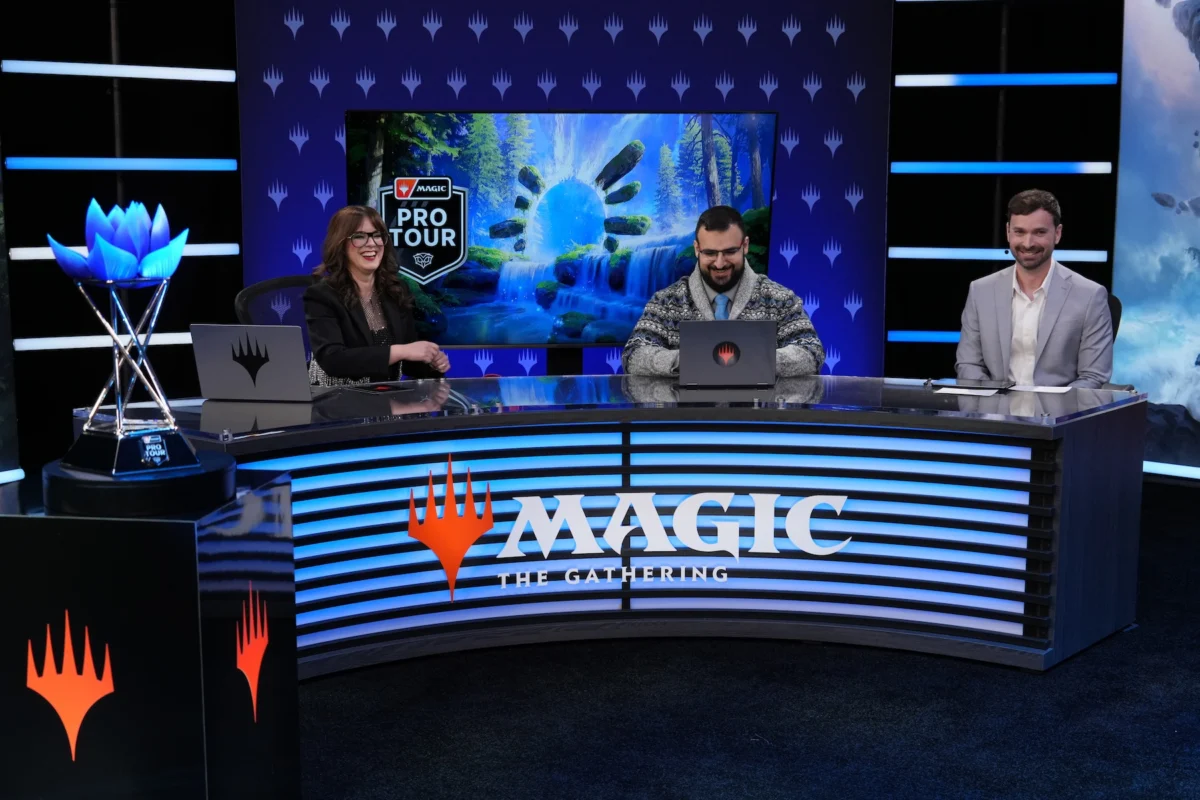
LAS VEGAS — In the glittering heart of the Mojave Desert, the traditional roar of slot machines and the spectacle of neon lights found themselves momentarily eclipsed by the rhythmic shuffling of 60-card decks and the strategic deliberations of the world’s most dedicated gamers. MagicCon 2026, hosted at the Las Vegas Convention Center, served as more than just a gathering for hobbyists; it was a high-stakes demonstration of how Hasbro’s Magic: The Gathering (MTG) has evolved from a niche 1990s pastime into a $1.7 billion cornerstone of the modern entertainment industry.
Reporting from the ground for Variety’s "Strictly Business" podcast, the scale of the event was immediately apparent. With 25,000 attendees descending upon the city, the convention highlighted the strategic pivot of Wizards of the Coast (WotC)—a subsidiary of Hasbro—from a gaming company to a lifestyle and transmedia brand.
Main Facts: A Convention of Scale and Synergy
The three-day extravaganza was a carefully choreographed blend of professional competition, community engagement, and massive intellectual property (IP) announcements. While the "Magic" in the title refers to the legendary trading card game, the atmosphere felt closer to San Diego Comic-Con, reflecting the game’s newfound mainstream gravity.
The Marvel Connection
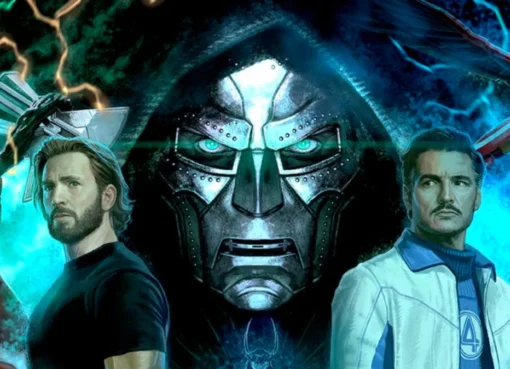
The weekend’s undisputed highlight occurred when Marvel Cinematic Universe (MCU) star Paul Bettany took the stage to unveil the first look at the "Marvel Super Heroes" collaboration. This partnership represents a tectonic shift in the "Universes Beyond" initiative—a product line that integrates external IPs into the Magic ecosystem. The reveal of iconic Marvel characters rendered in Magic’s signature art style sent shockwaves through the hall, signaling that the barrier between tabletop gaming and blockbuster cinema has officially dissolved.
The Professional Stakes
At the core of the convention’s competitive architecture was the Pro Tour. While the convention floor was filled with casual players and cosplayers, the Pro Tour remained the "elite" sanctuary. A prize pool of $500,000 was contested by top-tier players from across the globe, emphasizing that for many, Magic is not just a game, but a professional sport requiring rigorous mental discipline and strategic foresight.
Beyond the Cards
In an effort to diversify the convention’s appeal, organizers introduced the "Cat Lair," a kitten adoption center established in partnership with a Las Vegas-based rescue. This move toward lifestyle integration and social responsibility underscored a broader goal: making MagicCon a family-friendly destination rather than a secluded retreat for hardcore enthusiasts.
Chronology: From Basement Hobby to Billion-Dollar Brand
To understand the magnitude of MagicCon 2026, one must look back at the trajectory of the game and its organized play.
The Pro Tour Legacy (1994–2022)
The game was first released in 1993, and by 1994, the Pro Tour was established. For nearly three decades, the Pro Tour was the primary vehicle for high-level engagement. It was a traveling circus of strategy that built the game’s "street cred," but it lacked a centralized, fan-facing festival.

The Birth of MagicCon (2022–2023)
In 2022, Hasbro and Wizards of the Coast recognized a gap in their market presence. Brandon Owen was hired as the MagicCon show manager with a specific mandate: build a flagship event that could house the Pro Tour while offering a "convention experience" for the millions of players who don’t play at a professional level. The first MagicCon debuted in 2023, serving as the "ideation phase" for what would eventually become the Las Vegas spectacle of 2026.
The Record-Breaking Year (2025)
The momentum leading into the 2026 convention was fueled by a historic financial performance. In 2025, Magic: The Gathering reported its strongest year ever, generating $1.7 billion in revenue. This surge was driven by a aggressive release schedule and the successful integration of high-profile collaborations, setting the stage for the massive investment seen in the Las Vegas event.
Supporting Data: The Economics of the Multiverse
The financial health of Magic: The Gathering is no longer a secondary concern for Hasbro; it is a primary driver of shareholder value. As Hasbro’s traditional toy segments face headwinds, the Wizards of the Coast and Digital Gaming segment has become the company’s "golden goose."
Revenue and Growth
- 2025 Revenue: $1.7 Billion.
- Attendance Growth: MagicCon 2026 saw a 15% increase in attendance compared to previous years, reflecting the widening demographic of the player base.
- The "Universes Beyond" Effect: Collaborations with Avatar: The Last Airbender, Final Fantasy, and J.R.R. Tolkien’s The Hobbit (which also received a "first look" at the 2026 event) have proven to be significant "on-ramps" for new players.
Transmedia Expansion
The brand’s value is being further bolstered by its move into film and television:
- Netflix Animated Series: Currently in production, aimed at expanding the lore of the "Planeswalkers."
- Live-Action Feature Film: Set up at Legendary Pictures with director Matt Johnson (BlackBerry) at the helm. Johnson’s presence at MagicCon 2026, where he was seen shadowing pro players for research, highlights the studio’s commitment to an authentic portrayal of the game’s subculture.
Official Responses: Leading Through Growth
Key figures within the Wizards of the Coast hierarchy spoke to Variety about the pressures of managing a brand that is growing faster than at any point in its 33-year history.
Brandon Owen, MagicCon Show Manager:
"The idea was they wanted to have something that has the Pro Tour… It all grew around the question: we’ve got this Pro Tour, people watch it and everything, what can we build around it? Seeing it from its ideation to where it is now has been incredible."
Mark Rosewater, Head Designer:
Rosewater, a legend in the gaming community, addressed the "identity crisis" that comes with massive growth. "There’s this dual idea of making sure all the different things are addressed and it’s a challenge," he noted. "One of the things that’s really hard is Magic is so many different things to so many different people, but every magic set has to talk to everybody, in some way."
Gavin Verhey, Principal Magic Designer:
Verhey emphasized the weight of the community’s expectations. "There’s never been a time in Magic history where so many eyes are on it… We are truly acutely aware of how many people we’re trying to design for because the voices are always louder."

Implications: The Future of the "Geek Economy"
The success of MagicCon 2026 carries significant implications for the broader entertainment and retail landscape.
The "Fortnite-ization" of Tabletop
By integrating Marvel, The Hobbit, and Final Fantasy, Magic is following the "platform" model seen in video games like Fortnite. It is no longer just a game; it is a hub where various fandoms collide. While this has caused some friction with "purists," the $1.7 billion revenue figure suggests that the strategy of IP-crossover is the most viable path to long-term sustainability.
The Return of the Live Experience
MagicCon’s ability to draw 25,000 people to Las Vegas proves that despite the rise of digital platforms like Magic: The Gathering Arena, the physical, "paper" game remains the brand’s heartbeat. The social aspect of the game—the "Gathering" in the title—is a unique selling point that digital-only competitors cannot easily replicate.
Corporate Stability for Hasbro
For Hasbro, Magic’s dominance provides a necessary cushion. As the company navigates a changing retail environment, the high-margin, recurring revenue from card sales and the burgeoning licensing fees from film/TV deals position WotC as a defensive asset in a volatile market.
Strategic Risks
The primary risk moving forward is "brand dilution." As Mark Rosewater hinted, trying to be everything to everyone can lead to a loss of the core identity that made the game successful in the first place. The upcoming "Reality Fracture" set—an original IP collection—will be a crucial test of whether WotC can still innovate within its own universe while being surrounded by the gravitational pull of the Marvel and Tolkien brands.
In conclusion, MagicCon 2026 was a victory lap for a brand that has successfully navigated the transition from the 20th-century hobby shop to the 21st-century global stage. As Paul Bettany’s Marvel heroes prepare to join the fray, the message from Las Vegas is clear: the "Magic" is only just beginning to peak.
For more insights into the intersection of gaming and corporate strategy, listen to the full episode of the "Strictly Business" podcast, available on Apple Podcasts, Spotify, and Amazon Music. Subscribe to the Variety newsletter for weekly updates on the business of entertainment.

Leave a Comment