The Evolution of a Leading Man: Re-evaluating Austin Butler’s Tenure in ‘The Shannara Chronicles’
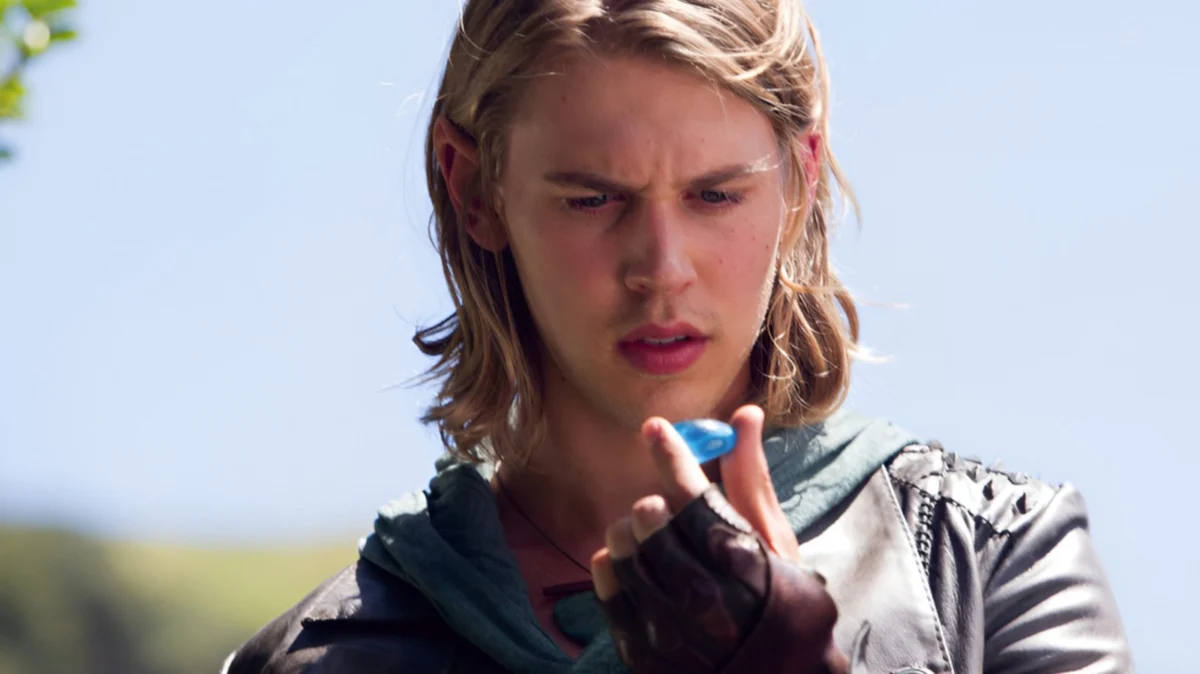
Long before he was haunting the sands of Arrakis as the terrifying Feyd-Rautha Harkonnen or capturing the soul of the King of Rock ‘n’ Roll, Austin Butler was a young actor navigating the treacherous waters of New Zealand’s wilderness in a different kind of epic. While modern audiences recognize Butler as a powerhouse of Method acting and cinematic intensity, his path to the A-list was paved with elf-ears, magic stones, and the high-stakes melodrama of The Shannara Chronicles.
The series, based on the legendary fantasy novels by Terry Brooks, represents a fascinating bridge in Butler’s career—a moment where he transitioned from the "teen idol" archetypes of his Disney and Nickelodeon youth toward the physically demanding, character-driven roles that define his current trajectory.
Main Facts: A High-Stakes Fantasy Gamble
The Shannara Chronicles debuted in January 2016, a period when television networks were desperately searching for "the next Game of Thrones." Developed by Alfred Gough and Miles Millar—the creative duo behind Smallville and more recently, Netflix’s global phenomenon Wednesday—the series was an ambitious attempt to bring high fantasy to a younger, "edgier" demographic.
The show was set in the "Four Lands," a post-apocalyptic version of Earth where humanity has evolved into different races, including Elves, Dwarves, and Trolls, following a cataclysmic event known as the Great Wars. Austin Butler starred as Wil Ohmsford, a "half-elf" who discovers he is the last descendant of the ancient Shannara bloodline.
Wil is tasked with protecting Amberle Elessedil (Poppy Drayton), an Elvin princess, and Eretria (Ivana Baquero), a cunning human "Rover," as they embark on a quest to save the Ellcrys—a magical tree that serves as the only barrier keeping a horde of banished demons from the world. Supported by the last Druid, Allanon (played with gravitas by Manu Bennett), the trio represented a classic "Chosen One" narrative structure.
Chronology: The Road to the Four Lands
To understand the significance of The Shannara Chronicles in Butler’s filmography, one must look at the timeline of his professional evolution:
The Early Years (2005–2012)
Butler’s career began in the mid-2000s with a steady stream of guest spots on teen-centric hits like Hannah Montana, iCarly, and Zoey 101. During this period, he was largely pigeonholed as the "handsome love interest," a role he played with charm but little opportunity for dramatic range.
The Transition (2013–2015)
The actor began seeking more substantial material, landing a lead role in The Carrie Diaries, the Sex and the City prequel. While still within the YA (Young Adult) sphere, the role required a more nuanced performance. Shortly after, he appeared in Switched at Birth and the horror-comedy Yoga Hosers, signaling a desire to break out of the "CW" mold.
The Shannara Era (2016–2017)
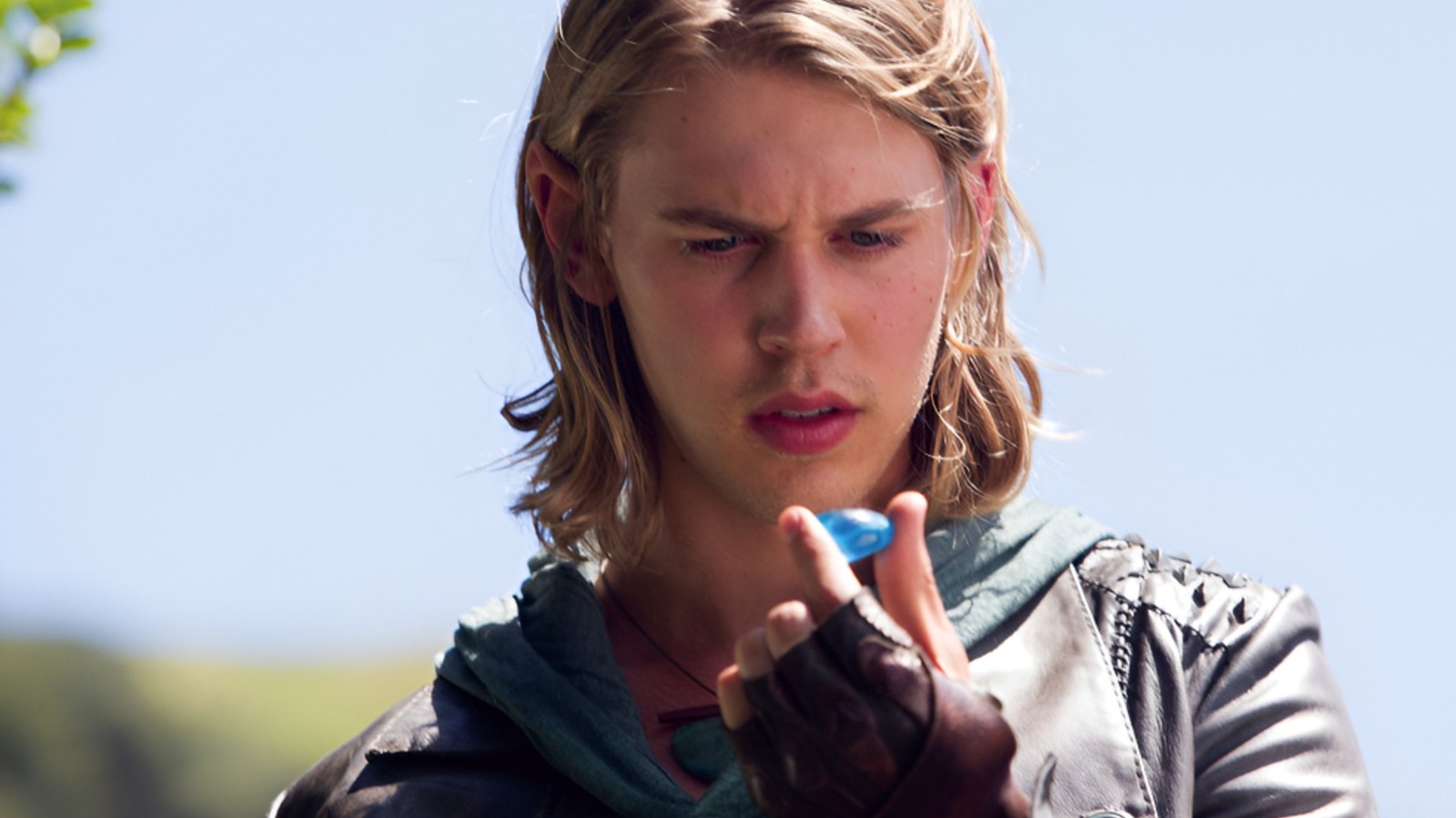
Landing the role of Wil Ohmsford was a significant promotion. It required Butler to lead a big-budget production, undergo physical training for action sequences, and maintain emotional sincerity within a world of heavy CGI and high-concept lore. Filmed on location in New Zealand (the spiritual home of cinematic fantasy), the production was massive, utilizing Weta Workshop for its creature designs.
The Prestige Breakthrough (2019–Present)
The experience gained on the set of Shannara likely prepared Butler for the grueling demands of his subsequent roles. Shortly after the show’s conclusion, he landed a role in Quentin Tarantino’s Once Upon a Time in Hollywood, followed by his career-defining turn in Baz Luhrmann’s Elvis and his recent transformation in Denis Villeneuve’s Dune: Part Two.
Supporting Data: Adapting a Literary Legend
The production of The Shannara Chronicles was a significant undertaking for MTV, which was attempting to pivot from reality television toward scripted "prestige" genre content.
The Source Material
Terry Brooks’ Shannara series is one of the most successful fantasy franchises in literary history. The first season of the show was specifically based on The Elfstones of Shannara (1982), widely considered the strongest entry in the original trilogy. Brooks’ work was historically significant for proving that epic fantasy could thrive in the commercial market following J.R.R. Tolkien’s The Lord of the Rings.
Production and Ratings
The series was visually stunning, benefiting from a partnership between MTV and Sonar Entertainment. The pilot episode drew approximately 1.03 million viewers on MTV—a solid start for the network. However, the show’s demographic was split. While it captured the YA audience, older fans of the books were occasionally alienated by the "MTV-ification" of the story, which emphasized romance and pop-music-backed montages over the gritty survivalism of the novels.
The Network Shift
In a move that often signals the beginning of the end for a series, The Shannara Chronicles was moved from MTV to Spike TV (which was in the process of rebranding to the Paramount Network) for its second season. Despite a significant increase in writing quality and character depth in Season 2, the viewership dropped significantly, leading to its cancellation in 2018.
Official Responses and Critical Reception
The critical response to The Shannara Chronicles was a mixture of praise for its ambition and skepticism toward its execution.
The Creative Perspective:
Creators Gough and Millar were vocal about their desire to modernize Brooks’ world. In interviews, they noted that they wanted the show to feel "contemporary" despite its medieval aesthetic. Terry Brooks himself was an executive producer and largely supportive of the adaptation, stating that while changes were necessary for the medium, the "spirit" of the characters remained intact.
Critical Consensus:
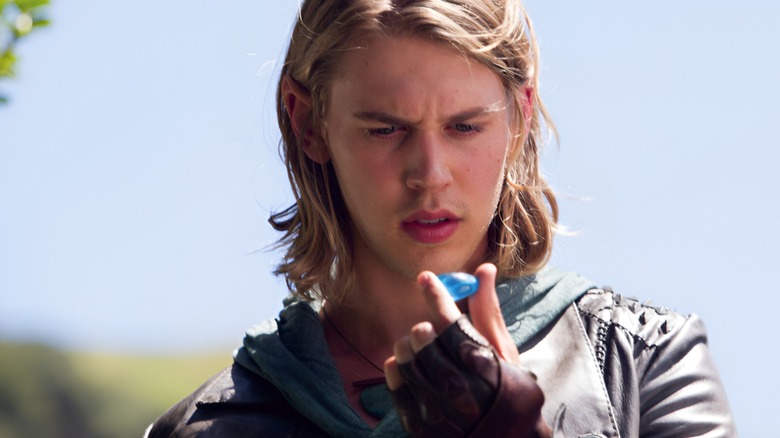
On Rotten Tomatoes, Season 1 holds a 78% approval rating. Critics generally praised the visual effects and the performances of the lead cast. The Hollywood Reporter noted that Butler brought a "likable vulnerability" to Wil Ohmsford, a character who could have easily been a one-dimensional hero. However, other critics, such as those at Variety, pointed out that the show often felt like it was "playing it safe" by leaning into familiar tropes of the genre.
The Fan Reaction:
The "Shannara" fanbase remains divided. While younger viewers appreciated the fast-paced drama and the chemistry between Butler, Drayton, and Baquero, purists felt the show lacked the philosophical weight of Brooks’ writing. Nevertheless, the show has maintained a cult following on streaming platforms, where new fans of Austin Butler often "discover" it as part of his back catalog.
Implications: The "Butler" Effect and the Future of YA Fantasy
The legacy of The Shannara Chronicles is inextricably linked to the rise of its lead star. In hindsight, the series serves as a masterclass in how a talented actor can elevate material that might otherwise be dismissed as "generic."
Preparing for Arrakis
There is a clear line that can be drawn from Wil Ohmsford to Feyd-Rautha. In Shannara, Butler had to learn how to interact with green screens, perform complex choreography, and ground a fantastical world in human emotion. These are the exact skills required for a blockbuster like Dune. His ability to maintain a straight face while discussing "Elfstones" and "Druids" was a precursor to his ability to inhabit the alien world of the Harkonnens without a hint of irony.
The Shift in Fantasy TV
The failure of The Shannara Chronicles to secure a third season marked a shift in how networks approached fantasy. It proved that simply having a famous IP and a handsome cast wasn’t enough; the "Game of Thrones" audience demanded a level of grit and complexity that MTV wasn’t quite ready to provide. This paved the way for more mature adaptations like The Witcher and The Wheel of Time.
A Stepping Stone to Greatness
For Austin Butler, The Shannara Chronicles was the final chapter of his "youthful" career. It was the last time he would be marketed primarily as a "teen heartthrob." By the time the show ended, he had begun the transformation into the serious, transformative actor we see today.
While the show may be remembered by some as a "safe" or "campy" entry in the fantasy genre, it remains a vital piece of the puzzle in the career of one of Hollywood’s most dedicated performers. For fans of Dune or Elvis, looking back at The Shannara Chronicles provides a rare glimpse of a star in the making—an actor who was always destined for grander stages and more complex worlds.