
Replicant Uprising: Free League Publishing Unveils "Replicant Rebellion" Expansion for Blade Runner RPG
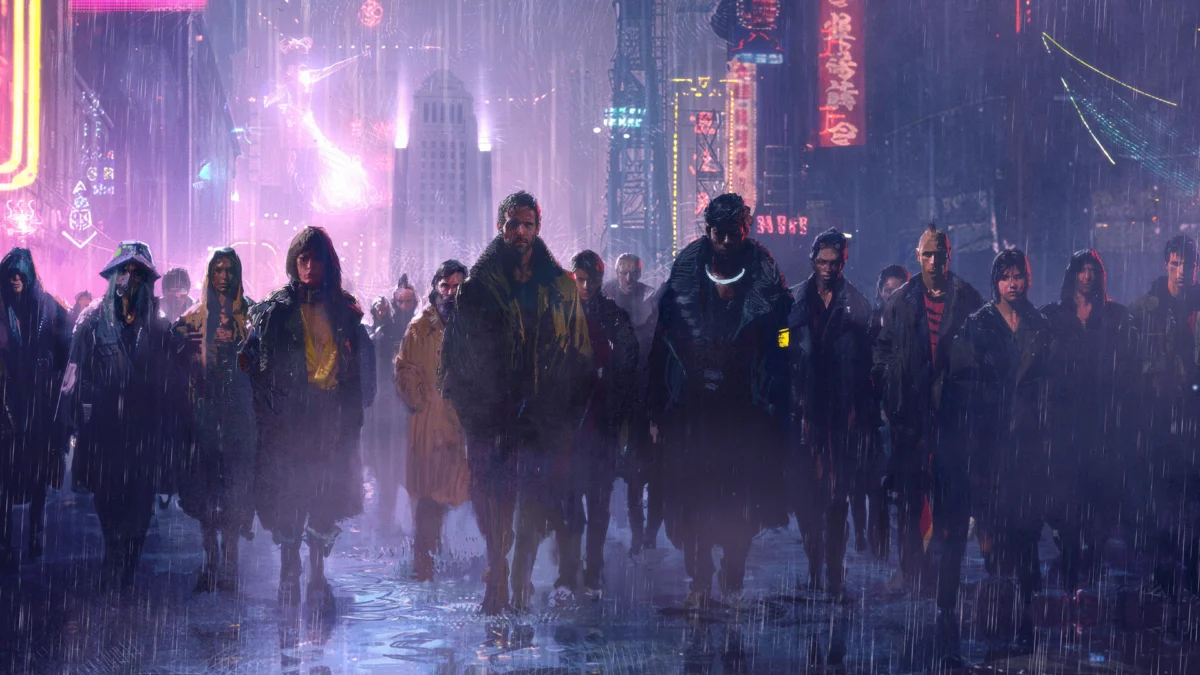
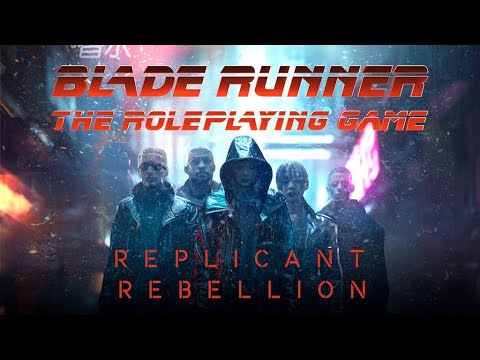
Los Angeles, CA – The grim, rain-slicked streets of a dystopian Los Angeles are set to witness a seismic shift in allegiance as Free League Publishing announces "Replicant Rebellion," a groundbreaking new expansion for its critically acclaimed Blade Runner: The Roleplaying Game. Breaking from the established premise of players embodying Blade Runners tasked with hunting down synthetic humans, this latest module invites players to abandon their badges and join the ranks of the clandestine Replicant Underground, fighting for the liberation and freedom of their android brethren. The expansion, promising a radical reinterpretation of the Blade Runner universe, is poised to launch its crowdfunding campaign on Kickstarter on May 28th.
For years, Blade Runner: The Roleplaying Game has immersed players in the gritty, neon-drenched future envisioned by Philip K. Dick and Ridley Scott, casting them as operatives of the Los Angeles Police Department’s elite Blade Runner unit. Their mission: to track, identify, and "retire" rogue Replicants – genetically engineered beings designed for servitude. However, "Replicant Rebellion" fundamentally alters this dynamic, challenging players to confront the moral ambiguities of their roles and choose a side in the escalating conflict between humanity and its advanced creations. This bold thematic pivot promises a deeply immersive and ethically complex narrative experience, forcing players to grapple with the very definition of humanity and the pursuit of freedom in a world that denies it to an entire species.
Main Facts
A New Dawn for Replicants and RPG Players
The announcement of "Replicant Rebellion" marks a pivotal moment for fans of Blade Runner: The Roleplaying Game. Developed and published by the esteemed Free League Publishing, known for their high-quality narrative-driven tabletop RPGs, this expansion thrusts players into the heart of a burgeoning resistance movement. Instead of enforcing the iron will of human corporations and governments, players will now become key agents within the Replicant Underground, a secretive network dedicated to securing the emancipation of all Replicants, no matter the cost. This strategic shift in perspective offers an unprecedented opportunity to explore the Blade Runner universe from the viewpoint of the oppressed, turning hunters into the hunted, or rather, turning former hunters into defiant liberators.
The core of "Replicant Rebellion" lies in its audacious premise: players are no longer the agents of state control but rather the architects of insurgency. This involves running independent crews, undertaking perilous missions that directly undermine the established order. The expansion is not merely a new set of adventures; it represents a fundamental re-evaluation of player agency and moral alignment within the game world. Free League Publishing’s decision to pursue this narrative direction speaks volumes about their commitment to exploring the profound philosophical questions at the heart of the Blade Runner saga, pushing players to confront the consequences of their actions in a high-stakes struggle for survival and identity.
Shifting Allegiances in a Dystopian Future
The Blade Runner universe, a tapestry woven with themes of existential dread, corporate tyranny, and the blurred lines between artificial intelligence and genuine consciousness, provides fertile ground for such a rebellion. The original roleplaying game brilliantly captured the essence of the films, placing players in the shoes of Blade Runners navigating the labyrinthine streets of Los Angeles, post-dating the events of the original 1982 film but predating the 2049 sequel. Now, "Replicant Rebellion" invites players to make the ultimate ideological leap, abandoning their former duties—and the relative safety that came with them—to join a cause that is both morally urgent and incredibly dangerous.
This thematic evolution promises a rich vein of storytelling possibilities. Players will be forced to contend with the immediate threats posed by their former colleagues in the LAPD, as well as the shadowy machinations of powerful corporations like the Tyrell Corporation and the Wallace Corporation, who view Replicants as mere commodities. The expansion details a variety of missions, from laying explosives to sabotage the oppressive Replicant trade, to rooting out moles within their own ranks, and executing daring liberation operations. Each task is fraught with peril and ethical quandaries, demanding that players balance their personal morality against the pragmatic, often brutal, necessities of a rebellion. The concept of "whatever the cost" suggests a narrative that will push players to their limits, challenging them to define where their allegiances truly lie and what they are willing to sacrifice for freedom.
Chronology
From Print to Silver Screen: The Genesis of Blade Runner
The enduring legacy of Blade Runner began not on the silver screen, but in the pages of Philip K. Dick’s seminal 1968 novel, Do Androids Dream of Electric Sheep? Dick’s work masterfully explored themes of empathy, identity, and what it truly means to be human in a post-apocalyptic world. His vision introduced readers to a future ravaged by war, where most animal life had become extinct, and where advanced androids, or "andys," indistinguishable from humans, served as a cheap labor force. These androids, however, often developed a will of their own, leading to the creation of "bounty hunters"—the forerunners of Blade Runners—tasked with their retirement.
This rich literary foundation was famously adapted by director Ridley Scott into the 1982 cinematic masterpiece, Blade Runner. Starring Harrison Ford as Rick Deckard, a grizzled Blade Runner, the film plunged audiences into a visually stunning, neo-noir Los Angeles of 2019. Scott’s film redefined science fiction cinema with its iconic cyberpunk aesthetics: perpetually rainy streets, towering corporate monoliths bathed in neon, and a pervasive sense of urban decay. Deckard’s mission to hunt down a group of escaped Nexus-6 Replicants, led by the charismatic Roy Batty (Rutger Hauer), was more than a simple chase; it was an existential journey that blurred the lines between hunter and hunted, human and machine. Despite a mixed initial critical reception, Blade Runner steadily grew into a cult classic, celebrated for its profound philosophical questions, groundbreaking visual design, and enduring influence on the cyberpunk genre.
Decades later, Denis Villeneuve’s 2017 sequel, Blade Runner 2049, successfully expanded upon Scott’s universe, starring Ryan Gosling as K, a Replicant Blade Runner who uncovers a secret that could shatter the fragile societal order. 2049 deepened the lore, explored the emotional complexities of Replicant existence, and continued the visual splendor of the original, earning critical acclaim for its ambitious storytelling and breathtaking cinematography. Both films, rooted in Dick’s initial vision, solidified Blade Runner as a cornerstone of science fiction, characterized by its grim, yet beautiful, portrayal of a near-future dominated by unchecked corporate power and the relentless exploitation of sentient beings.
The Roleplaying Game’s Journey
Free League Publishing, renowned for its expertise in adapting beloved franchises into compelling tabletop experiences, launched Blade Runner: The Roleplaying Game in 2022. The core game faithfully recreated the atmospheric tension and thematic depth of the films, setting its narrative between the events of Blade Runner and Blade Runner 2049. Players stepped into the trench coats of Blade Runners operating out of the LAPD’s Rep-Detect Unit, tasked with solving cases that often involved rogue Replicants, corporate espionage, and the moral compromises inherent in their profession. The game utilized Free League’s acclaimed Year Zero Engine, adapted to perfectly capture the noir-infused investigation and high-stakes combat characteristic of the Blade Runner world. It emphasized narrative choice, moral dilemmas, and the emotional toll of the Blade Runner’s life, earning praise for its immersive design and evocative artwork.
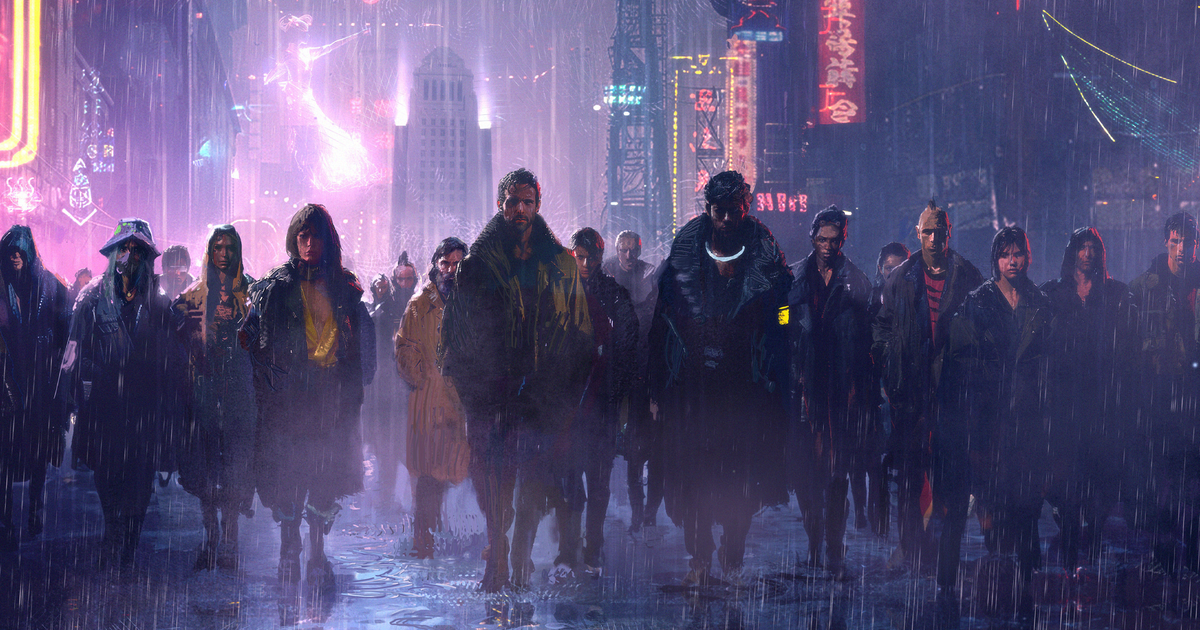
However, "Replicant Rebellion" marks a profound and exciting thematic departure from the core game’s premise. While the original game explored the internal conflicts of Blade Runners upholding an ethically dubious system, this expansion flips the script entirely. It challenges players to shed the mantle of authority and embrace the perilous path of rebellion. This shift is not merely cosmetic; it reshapes the entire narrative framework, pushing players from being enforcers of a system that denies basic rights to being active participants in its dismantling. It represents a maturation of the game’s exploration of its source material, moving beyond merely replicating the films’ scenarios to actively engaging with and challenging their underlying power structures. This evolution allows for an unprecedented level of player agency in shaping the future of the Blade Runner universe, moving from reactive policing to proactive revolution.
Supporting Data
Deep Dive into the Replicant Rebellion Narrative
The narrative heart of "Replicant Rebellion" beats with the urgency of a desperate struggle for freedom. Players are not merely joining a generic resistance; they are becoming integral members of the Replicant Underground, a meticulously organized, albeit highly covert, organization. Their goals are clear: to ensure the freedom and ultimate liberation of all Replicants, viewing their manufactured existence not as a curse, but as a birthright to autonomy. This overarching objective drives every mission and every decision within the expansion.
Missions within "Replicant Rebellion" are designed to be high-stakes and morally ambiguous, reflecting the dire circumstances of a clandestine movement. Players might find themselves tasked with infiltrating corporate facilities to lay charges for explosives, aiming to sabotage the vast industrial machinery that perpetuates the Replicant trade. These acts of industrial sabotage are not just destructive; they are symbolic blows against the very system that creates and exploits their kind. Other missions might involve intricate espionage, such as smoking out moles within the Underground’s own ranks—a testament to the pervasive paranoia and constant threat of betrayal that plagues any resistance movement. Furthermore, daring extraction operations to free newly discovered Replicants from servitude or impending "retirement" will place players directly in harm’s way, demanding quick thinking, stealth, and often, brutal efficiency.
The expansion emphasizes the internal struggles of its characters. Players are frequently caught "between a rock and a hard place," where the noble ideals of the Replicant Underground clash with the harsh realities of revolutionary warfare. Is it permissible to sacrifice innocent human lives to achieve a greater good for Replicants? How far can one compromise their personal ethics before becoming indistinguishable from the oppressors they fight against? These are the kinds of profound ethical dilemmas that "Replicant Rebellion" promises to explore, forcing players to define their own moral compass within the unforgiving landscape of the Blade Runner universe. The expansion thereby moves beyond simple good-versus-evil narratives, embracing the complex shades of grey that have always defined the franchise.
The Cyberpunk Canvas: Aesthetics and Themes
The Blade Runner franchise is not just a story; it’s an aesthetic and philosophical statement, a quintessential example of the cyberpunk genre. Cyberpunk, characterized by "high tech, low life," paints a picture of futures where technological advancement has outpaced social progress, leading to stark disparities between the opulent elite and the struggling masses. Corporations wield unchecked power, replacing governments as the true arbiters of destiny, while the environment decays, and humanity grapples with its own diminishing relevance in a world increasingly dominated by artificial intelligence.
Blade Runner embodies these themes flawlessly. The towering, pyramidal headquarters of the Tyrell Corporation and, later, the Wallace Corporation, stand as monuments to corporate dominance, their vast wealth and technological prowess allowing them to create and control life itself. The overcrowded, polluted streets of Los Angeles, perpetually shrouded in rain and acid smog, reflect the environmental and social decay. The existence of Replicants, designed for servitude and disposable by nature, highlights the extreme social stratification and the dehumanizing aspects of unchecked technological progress.
"Replicant Rebellion" intensifies these inherent themes by allowing players to directly challenge the corporate and governmental structures that enforce this dystopian reality. By joining the Underground, players are no longer merely observing the exploitation; they are actively resisting it. This shift in perspective provides a visceral understanding of the desperation and courage required to fight against seemingly insurmountable odds. It allows for a deeper exploration of the core philosophical questions of the Blade Runner universe: What constitutes life? Do artificial beings deserve rights? And what are the ethical boundaries of creation and control? The expansion promises to make these questions not just theoretical constructs, but lived realities for the players.
Free League Publishing’s Pedigree
Free League Publishing has carved out a formidable reputation in the tabletop roleplaying game industry for its commitment to high-quality production, evocative artwork, and compelling narrative design, particularly within licensed properties. Their portfolio boasts a string of successful adaptations, including the acclaimed Alien Roleplaying Game, which masterfully translates the sci-fi horror of the films into an interactive experience; Tales from the Loop, which captures the nostalgic, melancholic wonder of Simon Stålenhag’s art; Vaesen, a Nordic horror mystery; and The One Ring, set in Tolkien’s Middle-earth. Each of these games is not just a re-skinning of an existing system but a thoughtful re-imagining tailored to the specific tone and themes of its source material.
The Blade Runner: The Roleplaying Game utilizes a refined version of Free League’s proprietary Year Zero Engine, known for its emphasis on narrative progression, critical success/failure, and the management of stress and emotional states—mechanics perfectly suited to the psychological intensity of the Blade Runner setting. This engine allows for both cinematic action and profound character moments, ensuring that players’ choices carry significant weight.
Free League’s choice to explore the Replicant perspective in "Replicant Rebellion" is a testament to their deep understanding of the source material and their willingness to push creative boundaries. It demonstrates an ambition to delve into the unexplored facets of the Blade Runner universe, offering players a fresh and challenging way to engage with its enduring themes. This narrative boldness aligns perfectly with their track record of producing games that are not only fun but also thought-provoking and deeply immersive, further solidifying their position as a leading innovator in the licensed TRPG space.
Official Responses
Free League Publishing’s Vision
While specific, detailed statements from Free League Publishing regarding the deeper narrative intentions behind "Replicant Rebellion" are typically reserved closer to the crowdfunding launch, their past creative endeavors provide a clear indication of their design philosophy. It is anticipated that Free League will emphasize the expansion as an opportunity to fully explore the moral complexities and grey areas inherent in the Blade Runner universe. Their goal is likely to empower players to grapple with the very definition of freedom and identity from the perspective of those fighting for it, rather than those enforcing its suppression. This aligns with their reputation for crafting narratives that prioritize player choice and consequence, inviting deep roleplaying and ethical deliberation.
Free League Publishing has consistently demonstrated a commitment to delivering experiences that are not only authentic to the source material but also expand upon it in meaningful ways. "Replicant Rebellion" is expected to be no different, offering a carefully crafted narrative that respects the established lore while venturing into uncharted thematic territory. Their use of Kickstarter for the crowdfunding campaign is also a strategic choice, allowing them to directly engage with the passionate Blade Runner fan base, gather crucial feedback, and foster a sense of community ownership over the project. This model has proven highly successful for them in the past, enabling them to gauge demand and deliver products that resonate deeply with their audience.
Anticipated Player Reception and Community Engagement
The announcement of "Replicant Rebellion" is expected to generate significant excitement and discussion within the tabletop RPG community and among Blade Runner fans. The thematic shift—from playing an enforcer of the system to a revolutionary fighting against it—is a powerful draw. Many players are naturally drawn to the "underdog" narrative, the chance to challenge oppressive forces, and the opportunity to explore profound ethical questions from a new, often more sympathetic, vantage point. This expansion offers a unique chance to embody the very beings that the core game’s characters were designed to hunt, providing a richer, more nuanced understanding of the Blade Runner world.
Community engagement during the Kickstarter campaign will likely revolve around the specific missions, new character archetypes (perhaps different models of Replicants, or human sympathizers), and the overall tone of the rebellion. Players will undoubtedly be keen to see how Free League balances the grim realities of a resistance movement with the classic Blade Runner noir aesthetic and investigative elements. The potential for rich, character-driven roleplaying is immense, as players navigate their new identities, build trust within the Underground, and make impossible choices that could determine the fate of an entire species. The anticipation will build around not just what the rebellion entails, but how Free League will enable players to truly feel the weight and urgency of their fight for Replicant liberation.
Implications
Redefining the Blade Runner Experience
"Replicant Rebellion" represents more than just an expansion; it’s a redefinition of the Blade Runner roleplaying experience. By fundamentally altering the player’s relationship with the universe—transforming them from agents of control to agents of change—Free League Publishing is unlocking new narrative possibilities that were previously only hinted at or observed from afar. Players will no longer be merely reacting to the consequences of Replicant defiance; they will be actively orchestrating it. This profound shift allows for a deeper, more personal engagement with the franchise’s central questions about sentience, freedom, and the cost of identity.
The transition from enforcer to revolutionary will force players to confront moral grey areas with unprecedented intimacy. The "retirement" of Replicants, once a duty, now becomes an act of profound injustice to be avenged or prevented. The corporations, once distant antagonists, become immediate targets. This change of perspective is crucial for an RPG, as it allows players to truly inhabit the ideological conflict that defines Blade Runner. It offers a cathartic experience for those who have always sympathized with the plight of the Replicants, providing a means to actively participate in their struggle for recognition and rights. The expansion promises to elevate the game from a faithful adaptation to an essential contribution to the Blade Runner canon, deepening its philosophical debates through interactive storytelling.
Broader Impact on Licensed RPGs
Free League Publishing’s approach with "Replicant Rebellion" could set a new precedent for licensed tabletop RPGs. Instead of merely offering more of the same or focusing solely on expanding existing roles, they have taken a bold thematic turn, exploring a previously marginalized perspective within a beloved intellectual property. This willingness to challenge player expectations and delve into the more uncomfortable or revolutionary aspects of a universe demonstrates a mature approach to adaptation.
This strategy could inspire other publishers to similarly explore alternative viewpoints within their licensed games, moving beyond the obvious protagonists or established power structures. Imagine an Alien RPG where players are corporate agents trying to capture a Xenomorph, or a Star Wars RPG where players are Imperial loyalists grappling with the Empire’s morality. By proving that such thematic shifts can be both compelling and successful, Free League is advocating for a more adventurous and thought-provoking approach to licensed game design, ultimately enriching the entire genre by encouraging deeper engagement with source material.
The Future of Replicant Liberation
The launch of "Replicant Rebellion" opens up exciting avenues for the future of Blade Runner: The Roleplaying Game. The narrative arc of a Replicant Underground striving for liberation is inherently long-term and could span multiple expansions, detailing the rise of the movement, its internal struggles, and its clashes with the established powers. Players’ actions in "Replicant Rebellion" could have lasting consequences, potentially influencing the political landscape of future modules or even shaping the very fate of Replicantkind within the game’s timeline.
Furthermore, the enduring relevance of Blade Runner‘s themes ensures that "Replicant Rebellion" will resonate deeply with contemporary audiences. In an era increasingly grappling with questions of artificial intelligence, automation, corporate responsibility, and the ethics of advanced technology, the fight for Replicant liberation serves as a powerful metaphor for various modern-day struggles for rights and recognition. By placing players directly in the shoes of those fighting for their very right to exist, Free League Publishing is not just offering a game; they are providing a platform for critical reflection on the future of humanity and the beings we create. "Replicant Rebellion" promises to be more than an adventure—it is an invitation to define justice in a world that desperately needs it.



Leave a Comment