
The Eternal Alchemist: Bryan Talbot on the Legacy of Grandville and the Future of the British Graphic Novel
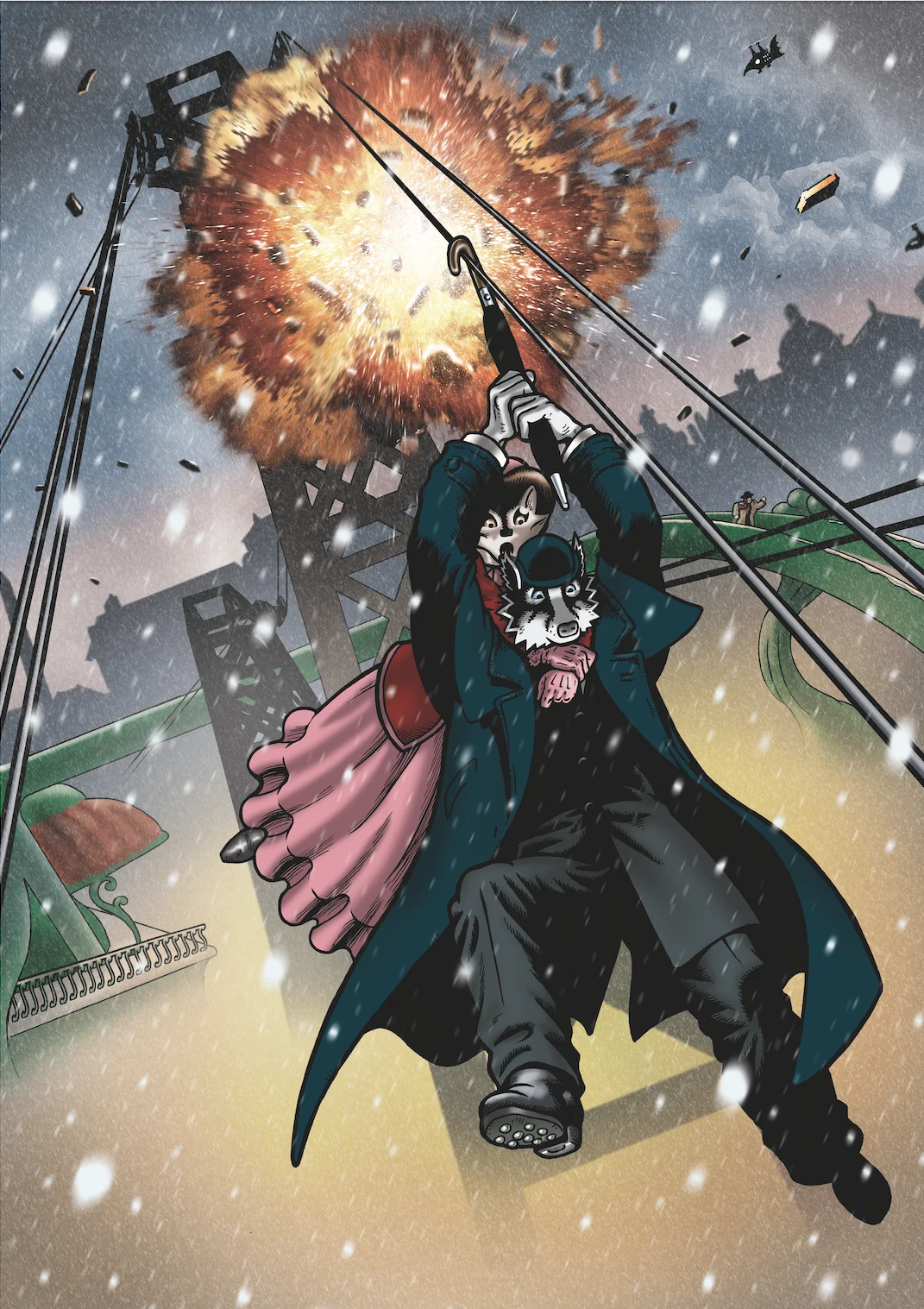
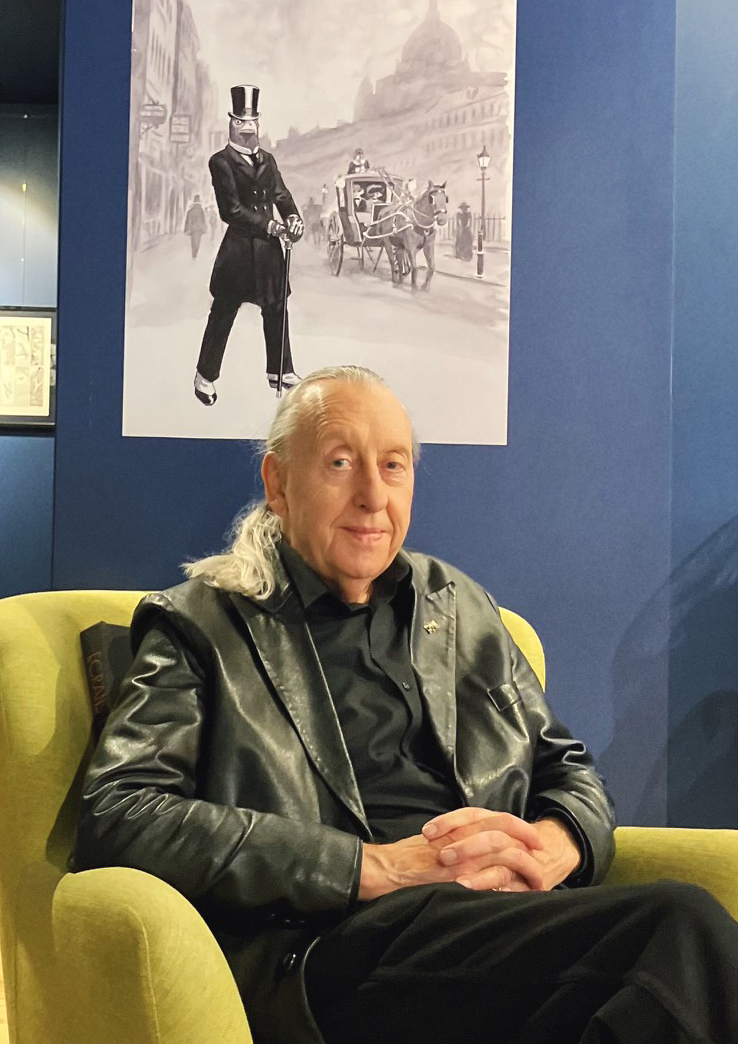
SUNDERLAND — In the landscape of sequential art, few figures loom as large or as varied as Bryan Talbot. Often heralded by his peers as the “David Bowie of Comics,” Talbot has spent over five decades chameleonically shifting between underground comix, superhero deconstructions, historical biographies, and steampunk epics. Today, from the Victorian basement of his Sunderland home, the man frequently cited as the "Father of the British Graphic Novel" remains as prolific as ever, even as he navigates the physical toll of a half-century at the drawing board.
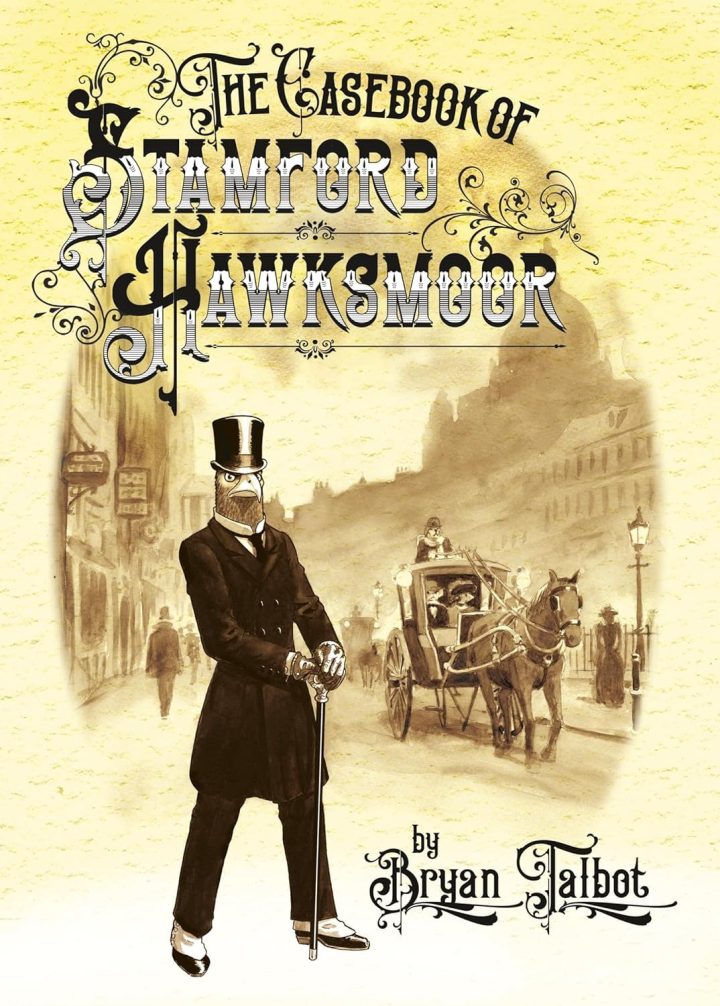
The recent release of The Casebook of Stamford Hawksmoor marks a significant return to the world of Grandville, the anthropomorphic steampunk saga that many assumed had reached its definitive conclusion nearly a decade ago. In an extensive conversation, Talbot reflects on his return to this alternate history, the heartbreak of stalled Hollywood adaptations, and his unwavering resolve to "die on the job."
I. Main Facts: The Return to Grandville and Beyond
The headline of Talbot’s current agenda is the expansion of the Grandville universe. While 2017’s Grandville: Force Majeure was intended to be the final chapter for the protagonist Detective Inspector LeBrock, Talbot has pivoted to a prequel format. The Casebook of Stamford Hawksmoor explores the height of the titular detective’s career during the waning days of the French occupation of Britain.
Beyond this, Talbot is currently immersed in a collaborative project with his wife, the scholar and writer Mary Talbot. Their upcoming work, Lo! An Amazon! The Interesting Narrative of the Life of Mary Wollstonecraft, continues their streak of acclaimed historical biographies. However, the most poignant news remains Talbot’s admission regarding his physical health. Suffering from arthritis in his thumb joints, the artist has signaled that while his writing will continue unabated, his days of illustrating 200-page graphic novels may be drawing to a close.
II. Chronology: Five Decades of Innovation
To understand Talbot’s current output, one must look at the trajectory of a career that began in the mid-1970s.
- 1975–1980s: The Underground and the Arkwright Revolution. Talbot emerged through the British underground scene with BrainStorm! before changing the medium forever with The Adventures of Luther Arkwright. Arkwright is widely considered the first British graphic novel, predating the mid-80s boom of Watchmen and The Dark Knight Returns.
- 1990s: The DC Era and Social Realism. During the "British Invasion" of American comics, Talbot contributed to The Sandman and produced The Nazz with Tom Veitch. Simultaneously, he released The Tale of One Bad Rat, a seminal work tackling the trauma of child abuse, which earned him international acclaim and moved the medium into the realm of serious social literature.
- 2000s: The Experimental Phase. This era saw the release of the psychogeographic masterpiece Alice in Sunderland and the wordless experimental thriller Metronome (originally published under the pseudonym Veronique Tanaka).
- 2009–2017: The Grandville Decade. Talbot dedicated nearly ten years to his "scientific-romance" thriller series, blending ligne claire aesthetics with anthropomorphic social commentary.
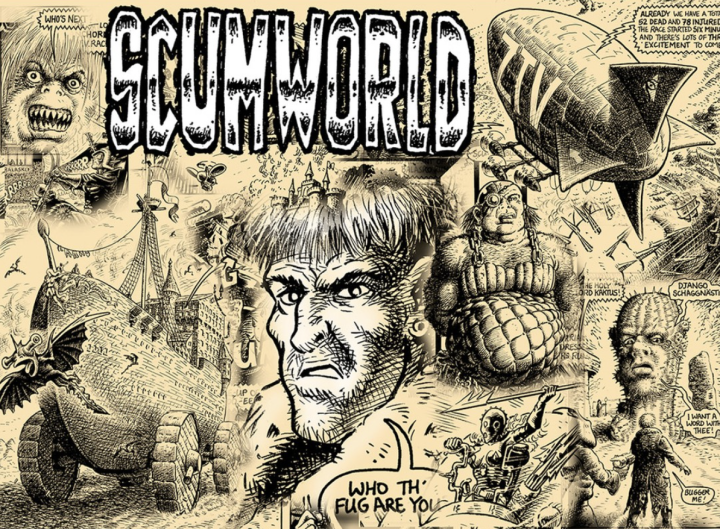
- 2024–2026: The Prequels and the Remasters. The current era is defined by a look backward—both in narrative (the Hawksmoor prequels) and in the preservation of his legacy through the remastering of lost works like Scumworld.
III. Supporting Data: The Aesthetic Evolution of Hawksmoor
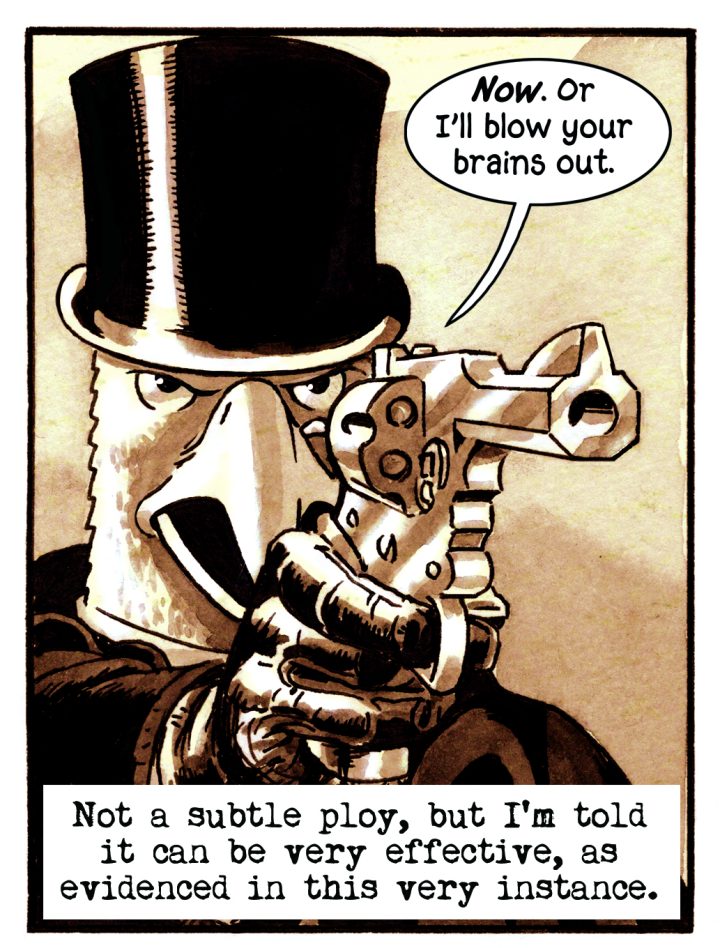
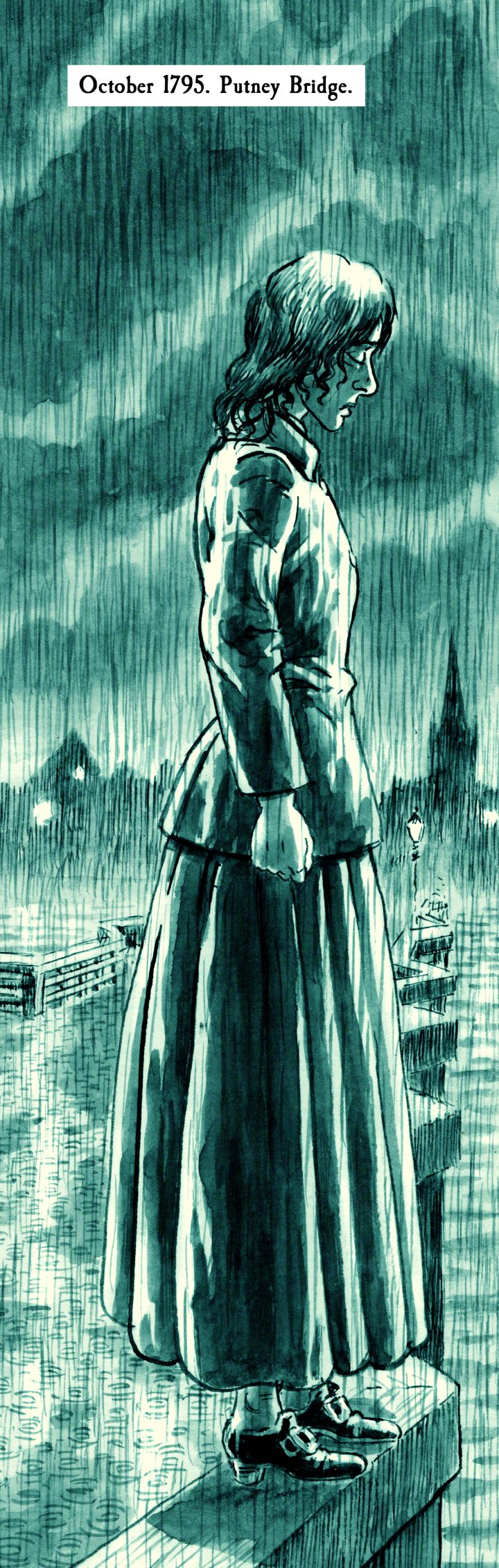
A critical point of discussion in Talbot’s recent work is the deliberate shift in visual language for The Casebook of Stamford Hawksmoor. Unlike the vibrant, digitally painted "Belle Époque" Paris of the main Grandville series, Hawksmoor is a stark, atmospheric departure.
Talbot describes the new book’s style as a tribute to 19th-century photography. By utilizing fine ink lines with grey watercolor washes, subsequently tinted sepia via computer, he has evoked a "High Victorian" London. This aesthetic choice serves the narrative’s somber tone, moving away from the steam-powered technological revolution of the later timeline and returning to a world of horse-drawn hansom cabs and "pea-souper" fogs.
The narrative structure has also evolved. While the LeBrock stories relied on traditional dialogue balloons, Hawksmoor utilizes text boxes to deliver a first-person narration in a faux-Victorian style, drawing direct inspiration from Talbot’s recent re-reading of Charles Dickens’s Sketches by Boz and Arthur Conan Doyle’s Sherlock Holmes.
IV. Official Responses: The Frustration of the "Stalled" Screen
A significant portion of the interview addresses the "bad luck" Talbot has encountered regarding film and television adaptations. Despite the high-concept nature of his work, several major projects have collapsed in the eleventh hour.
The Luther Arkwright TV Series
The long-awaited adaptation of The Adventures of Luther Arkwright was recently scuttled due to what Talbot describes as "executive churn." Despite having Ridley Scott’s production company, Scott Free, and director John McKay on board, the project died when the commissioning editor at a major TV company changed roles. Her successor scrapped the development slate to focus on new initiatives—a common, if heartbreaking, industry trope.
The Grandville Live-Action/CGI Hybrid
Perhaps even more tantalizing was the proposed Grandville series by Euston Films (Fremantle). The vision was a high-end, live-action drama featuring CGI animal heads, with Doctor Who writer Julian Simpson penning a pilot based on Grandville Mon Amour.
"It would have been revolutionary," Talbot notes. However, the project stalled when the producers could not attach a "prime-time quality" director, as the explosion of streaming services had tied up all top-tier talent for years.
The Lost Scripts
Talbot also revealed the existence of a "dark sex dramedy" film script he wrote two decades ago. Despite interest from producer Faisal A. Qureshi, the project never found a director. Talbot remains convinced of the story’s potential, though he admits he has no plans to adapt it into a graphic novel, citing the fundamental differences between the two mediums.
V. Implications: The Future of the Talbot Legacy
As Talbot enters the sixth decade of his career, the implications for the British comics industry are twofold: the preservation of the past and the cultivation of the future.
The Preservation of "Lost" Classics
The interview highlights the precarious nature of comics history. Talbot’s work on The Nazz remains uncollected in a definitive format following the tragic death of editor Drew Ford, which derailed a successful crowdfunding campaign. Similarly, Talbot’s "space western" Scumworld—originally serialized in the music paper Sounds—only survived because a fan volunteered to scan old newsprint clippings. These instances underscore a desperate need for more robust archival efforts within the medium.
The Family Business
While Talbot navigates his own physical limitations, the "Talbot brand" is expanding through his family. His son, Alwyn, has become a premier concept artist for the Star Wars video game franchise, while his other son, Rob, recently debuted as a horror comics creator with GraveWorms.
Bryan Talbot’s refusal to retire—despite arthritis and the shifting sands of publishing distribution (notably the collapse of Diamond Distribution impacting his recent reprints)—serves as a testament to the grit of the independent creator.
"I’m never going to retire," Talbot asserts. "I’ll probably die on the job."
For fans of the medium, this is a promise of more stories to come, albeit perhaps in shorter bursts. With three Hawksmoor short stories in development and a 223-page heroic fantasy epic still "bubbling" in his mind, the David Bowie of Comics isn’t finished with his reinventions just yet. The medium he helped build continues to lean on his foundation, even as he prepares to hand the more labor-intensive aspects of the craft to a new generation of collaborators.
Related Works by Bryan Talbot:
- The Casebook of Stamford Hawksmoor (Jonathan Cape, 2025)
- Bryan Talbot: Father of the British Graphic Novel (Brainstorm Studios, 2023)
- Grandville: Force Majeure (Jonathan Cape, 2017)


Leave a Comment