
Call of the Elder Gods: A Puzzling Descent into Cozy Cosmic Horror
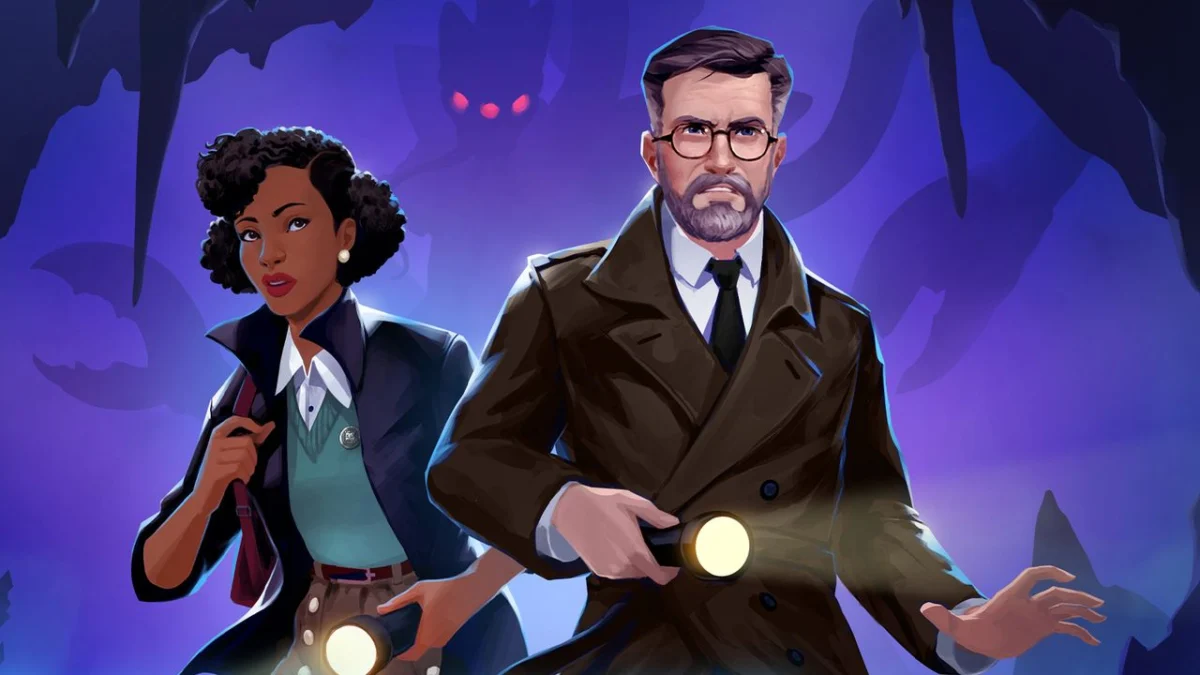
Creative Bloq’s Verdict: "Call of the Elder Gods" is a meticulously crafted cosmic mystery that shines brightest when its intricate puzzles take center stage. While the game’s worldbuilding may not always match the depth of its ambitious concepts, it offers a compelling and often delightful blend of pulp adventure and unsettling cosmic dread, making it a standout experience for fans of narrative-driven puzzle games.
Introduction: Unveiling the Enigmatic Appeal of "Call of the Elder Gods"
In the ever-expanding universe of narrative-driven video games, "Call of the Elder Gods" emerges as a captivating title, meticulously weaving together elements of detective work, arcane lore, and the creeping unease of cosmic horror. Developed by Out of the Blue Games, the studio behind the critically acclaimed "Call of the Sea," this latest offering plunges players into a 1950s setting rife with ancient secrets, forbidden knowledge, and the unsettling presence of entities beyond human comprehension. Released on May 12th for Xbox Series X|S, PlayStation 5, PC, and Nintendo Switch 2, the game promises an experience that harks back to classic pulp adventures while embracing the existential dread inherent in Lovecraftian lore.
"Call of the Elder Gods" positions itself as a spiritual successor, amplifying the strengths of its predecessor with larger, more complex puzzles and a bolder embrace of cosmic horror themes. The game’s core appeal lies in its ability to transport players to a meticulously recreated mid-20th-century America, a world that feels both familiar and tinged with an undercurrent of the otherworldly. Professor Harry Everhart, a familiar face for those who ventured into the mysteries of "Call of the Sea," returns, accompanied by the intriguing newcomer Evangeline Drayton. Together, they embark on a journey that will take them from the hallowed halls of Arkham University to ancient archives and even Nazi occult conspiracies frozen in time. This unique juxtaposition of the mundane and the eldritch creates an atmosphere that is both cozy and chilling, inviting players to unravel a mystery that spans timelines and dimensions.
The game’s setting, specifically 1957, plays a crucial role in shaping its identity. It imbues the narrative with a distinct post-war Americana charm, evident in the polished bookshelves of academia and the classic detective tropes employed in its storytelling. This aesthetic choice allows "Call of the Elder Gods" to tread a fine line between the intellectual rigor of a mystery and the visceral terror of cosmic horror. It’s a delicate balancing act that, for the most part, Out of the Blue Games manages with impressive skill, offering a pulpy adventure that is as intellectually stimulating as it is atmospherically rich.
H2: A Deeper Dive into the Narrative and Setting
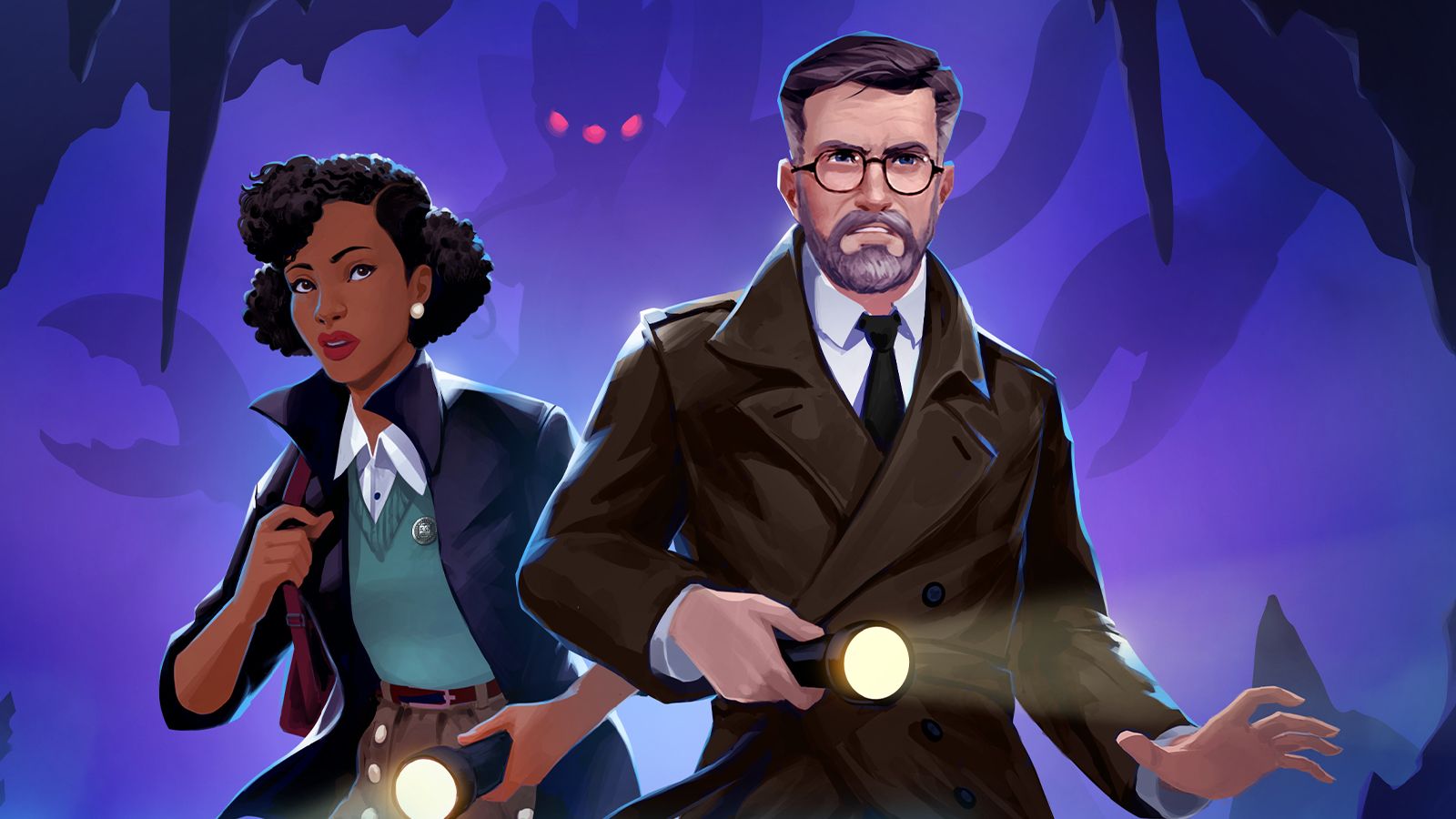
The narrative of "Call of the Elder Gods" centers on Professor Harry Everhart and Evangeline Drayton as they investigate a series of unsettling events and uncover a conspiracy that stretches back through history. The game masterfully blends historical context with fantastical elements, drawing heavily from the lore of H.P. Lovecraft’s Cthulhu Mythos. The 1950s setting provides a rich backdrop for this exploration, allowing the developers to tap into the era’s anxieties about the unknown, scientific advancement, and the lingering shadows of World War II, particularly the fascination with occultism that permeated certain circles.
Arkham University, a fictional institution steeped in Lovecraftian lore, serves as a primary location, its seemingly ordinary corridors and libraries concealing secrets that defy rational explanation. Players will navigate these environments, piecing together fragmented clues and deciphering cryptic messages left behind by ancient cults and forgotten scholars. The game’s commitment to historical accuracy in its visual design and thematic elements enhances the immersion, making the descent into the bizarre and terrifying all the more impactful.
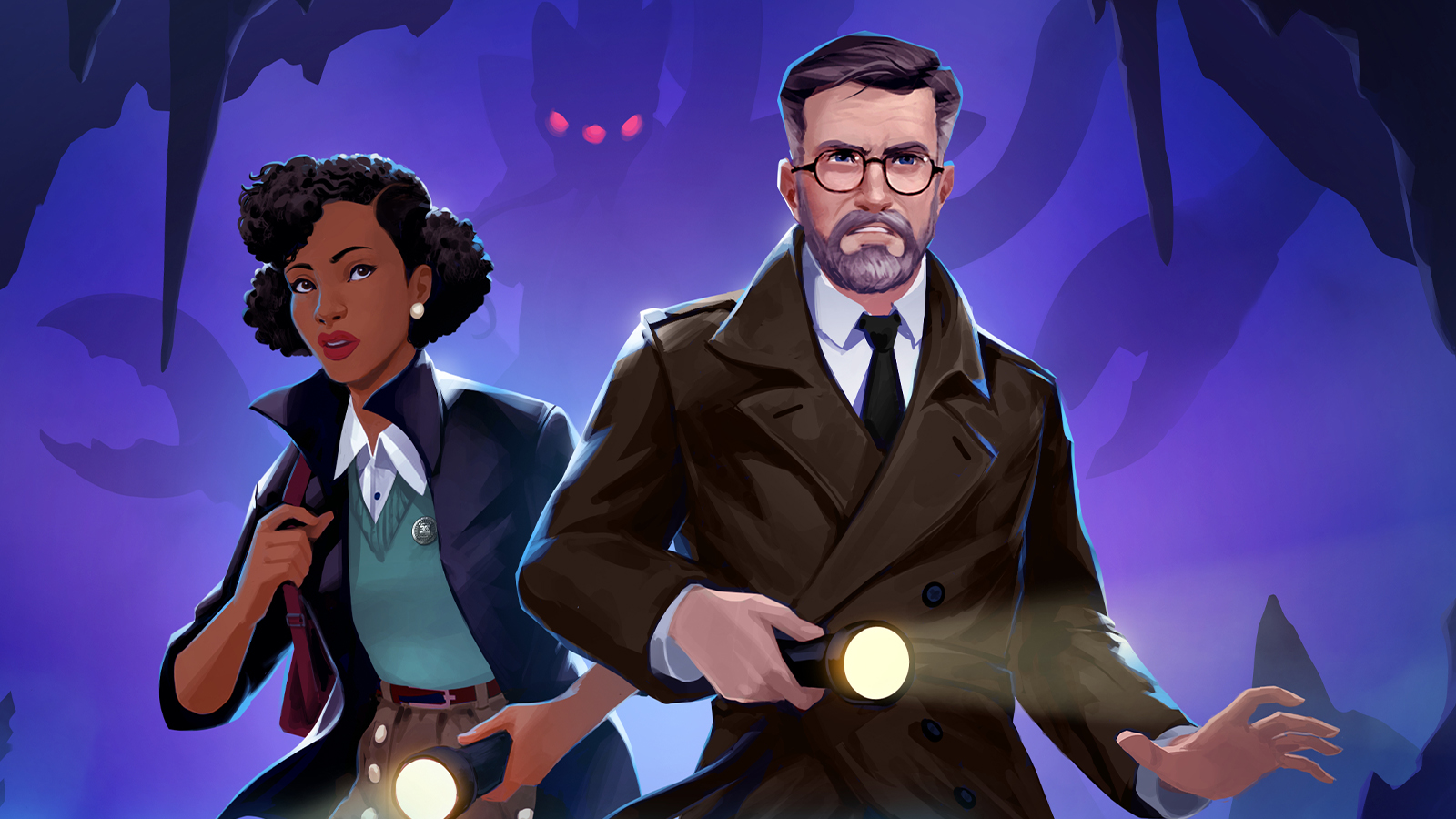
The introduction of Evangeline Drayton as a new protagonist offers a fresh perspective on the unfolding mystery. Her interactions with the seasoned Professor Everhart create a dynamic duo, their contrasting personalities and approaches to problem-solving adding depth to the narrative. This partnership is not merely for show; players will often find themselves switching between the two characters, utilizing their unique skills and viewpoints to overcome obstacles and advance the investigation. This mechanic not only adds variety to the gameplay but also allows for a more nuanced exploration of the narrative threads, as each character may uncover different pieces of the puzzle or react to events in distinct ways.
H2: The Heart of the Game: Intricate Puzzles and Gameplay Mechanics
At its core, "Call of the Elder Gods" is a puzzle game, and it excels in this regard. The puzzles are not mere roadblocks but integral components of the narrative, seamlessly woven into the fabric of the mystery. Players will encounter a wide array of challenges, ranging from environmental manipulation and object-based riddles to deciphering ancient texts and solving complex logic problems. The difficulty curve is carefully managed, beginning with more accessible challenges that gradually escalate in complexity, culminating in elaborate, multi-layered puzzles that demand significant thought and deduction.
One of the game’s standout features is its "tentpole" puzzles, meticulously designed set pieces that serve as major progression points. These are the moments where the game truly shines, requiring players to engage with a rich tapestry of interconnected mechanics. These puzzles often involve a combination of observational skills, pattern recognition, symbolic interpretation, and lateral thinking. The developers have clearly invested considerable effort into crafting these elaborate challenges, and the satisfaction of successfully navigating them is immense. The game rewards players who are willing to delve deep into its mechanics, encouraging a methodical approach to problem-solving.
To aid players in their quest, "Call of the Elder Gods" incorporates a clever clue journaling system. Professor Everhart’s deceased wife, Eleanor, manifests in spectral form to sketch clues and observations into his journal. This spectral assistant provides a unique and thematic way for the game to offer hints without explicitly giving away solutions. While not as complex as some in-game AI companions, Eleanor’s presence ensures that players rarely feel completely lost, even when faced with the most daunting of puzzles. The answers are often lurking within the journal, waiting to be connected by the player’s own deductive reasoning. This system strikes a good balance between providing assistance and maintaining the challenge, ensuring that the thrill of discovery remains intact.
However, the game occasionally falters in its puzzle design, sometimes veering into what can feel like information overload. Certain late-game puzzles, particularly those involving intricate concepts like time travel, astrology, and paleontology, can be exceptionally challenging. While complexity is part of the appeal, there are moments when the line between rewarding intricacy and overwhelming obscurity becomes blurred. This can lead to periods of frustration, where the enjoyment of finding a solution feels distant due to the obtuse nature of the problem. The developers’ evident enthusiasm for crafting these grand puzzle set pieces sometimes results in them becoming the primary focus, overshadowing the broader narrative and atmospheric elements.
H3: Visuals and Audio: Crafting an Immersive Atmosphere
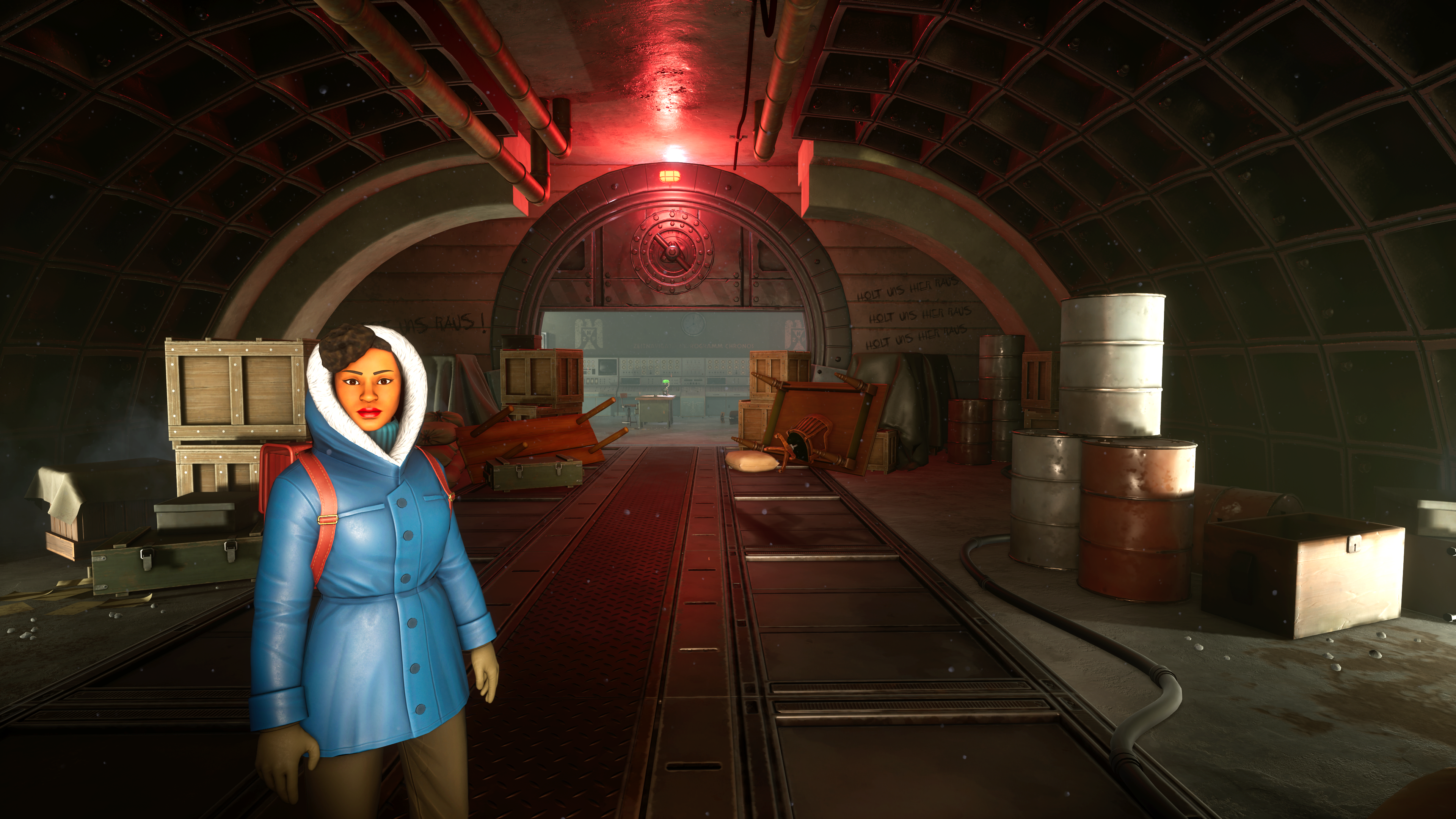
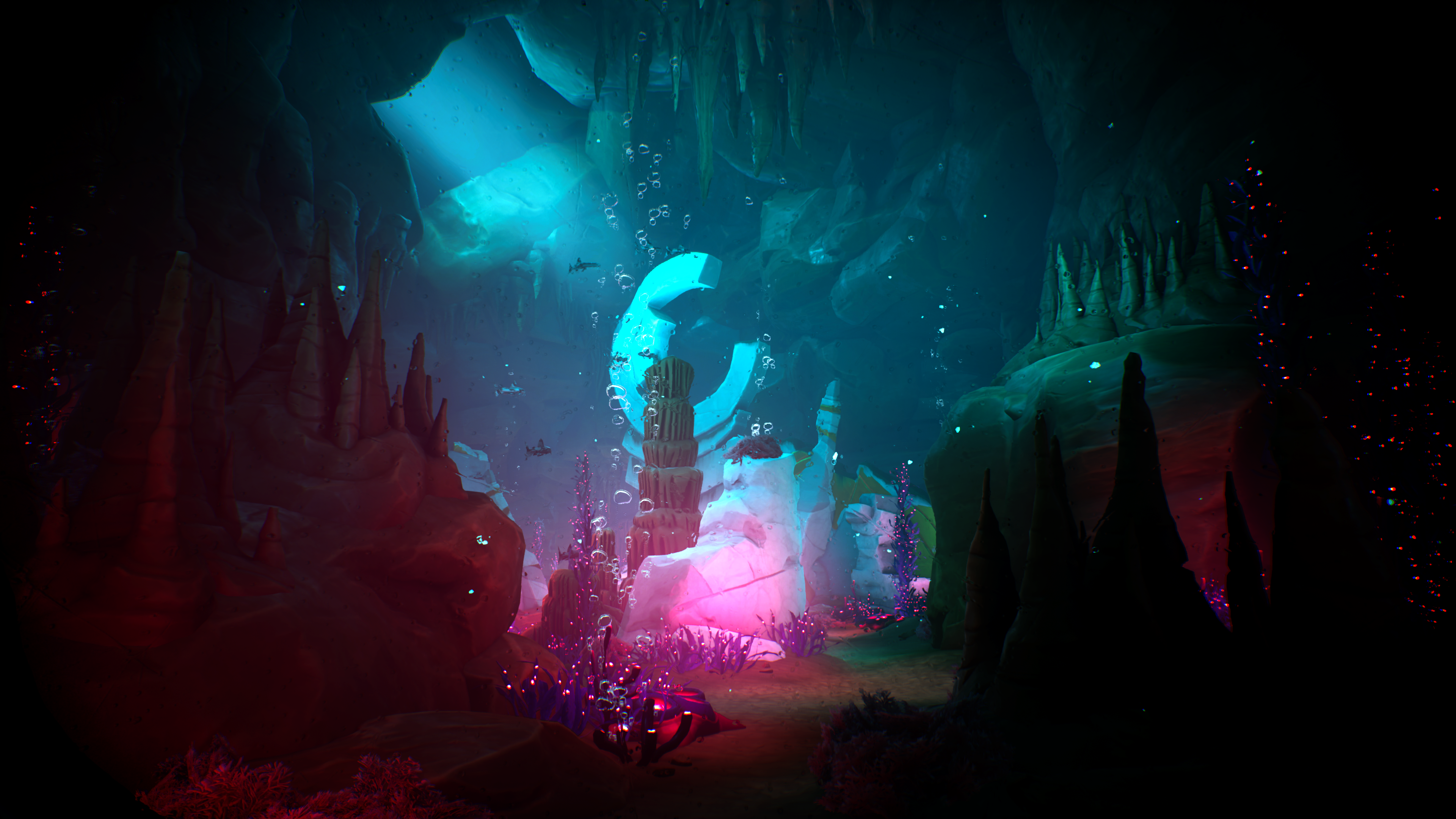
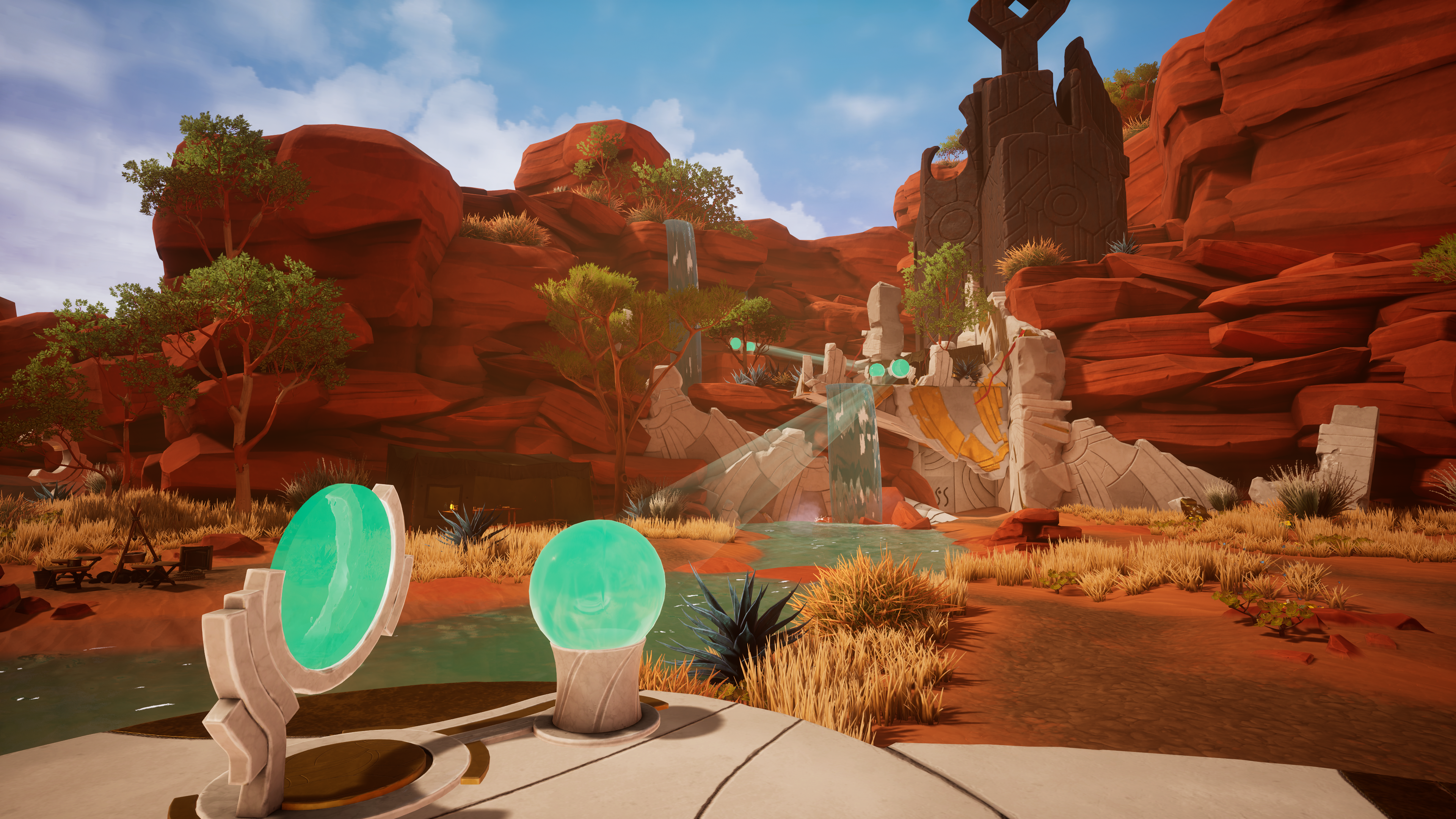
"Call of the Elder Gods" is built on Unreal Engine 5, and the engine’s capabilities are on full display. The game boasts a visually striking presentation, with meticulously detailed environments that evoke the mid-20th century with a painterly aesthetic. The art direction strikes a pleasing balance between geometric stylization and a Norman Rockwell-esque character design, lending the world a unique and charming identity. Shiny surfaces and detailed textures contribute to a sense of solidity, making the environments feel tangible and believable.
However, the visual presentation is not without its minor drawbacks. The game’s animation can occasionally feel stiff, and some conversations may lack the dynamic energy expected in a modern narrative title. Certain cutscenes opt for static illustrated frames, which, while functional, can detract from the overall immersion and sense of dramatic urgency. These moments, while not game-breaking, can chip away at the illusion of a living, breathing world and the palpable sense of threat that cosmic horror aims to instill.
The audio design complements the visuals effectively. The soundtrack is atmospheric, weaving in melodies that enhance the sense of mystery and dread without becoming intrusive. Sound effects are used judiciously to punctuate key moments and enhance the player’s perception of the environment. The voice acting, while generally competent, can sometimes feel a bit exposition-heavy, as if the characters are delivering information rather than engaging in natural dialogue. Despite these minor criticisms, the overall presentation contributes significantly to the game’s appeal, creating an environment that is both captivating and unsettling.
H2: Thematic Depth and Character Development
Beyond its puzzle-solving mechanics and visual presentation, "Call of the Elder Gods" delves into deeper thematic territory. The game explores themes of grief, loss, and the human struggle to comprehend forces beyond our understanding. Professor Everhart’s lingering grief over the events of "Call of the Sea" adds an emotional layer to his journey, grounding the more fantastical elements of the narrative in relatable human experience. His personal struggles resonate with the larger cosmic mysteries he encounters, creating a compelling character arc.
Evangeline Drayton, too, is not merely a sidekick. She possesses her own complex past and motivations, which are gradually revealed throughout the game. Her dynamic with Everhart is one of the game’s strongest assets. Their banter and differing perspectives on the unfolding events create moments of levity and insight, preventing the narrative from becoming overly bleak. This character-driven element elevates "Call of the Elder Gods" beyond a simple puzzle game, offering a narrative that is as engaging as its puzzles are challenging.
The game’s exploration of cosmic horror is handled with a degree of restraint that complements its pulpy adventure tone. While the game doesn’t shy away from the existential dread and mind-bending concepts inherent in Lovecraftian lore, it also maintains an accessible and engaging approach. This delicate balance ensures that the horror elements serve the narrative and enhance the overall experience rather than overwhelming it. The game successfully evokes a sense of wonder and terror, prompting players to question their place in the universe and the nature of reality itself.
H2: Longevity and Replayability
"Call of the Elder Gods" offers a relatively concise gameplay experience, typically lasting around five to six hours for players who don’t get significantly derailed by the more complex puzzles. While this might seem short to some, it allows the developers to maintain a tight narrative focus and ensure that the game’s pacing remains consistent. The shorter playtime also means that the game’s core mechanics and narrative threads are delivered without unnecessary padding.
The game’s replayability is enhanced by its branching narrative and multiple endings. The choices players make and the puzzles they solve can influence the ultimate outcome, encouraging players to revisit the game to explore different paths and discover all the secrets it holds. Furthermore, for players who enjoy the intellectual challenge of its puzzles, the game offers a satisfying experience that can be revisited for the pure joy of problem-solving. The satisfaction derived from cracking its intricate puzzles is a significant draw for those who appreciate well-designed challenges.
H3: Structure and Support for Players
The game’s structure is organized into distinct chapters, each presenting a new set of environments and puzzles to tackle. This segmented approach makes the game feel manageable and allows for natural breaks in gameplay. The clue journaling system, as mentioned earlier, serves as a crucial support mechanism, ensuring that players are not left completely stranded. The developers have clearly considered the player experience, aiming to strike a balance between challenging gameplay and accessible progression.
The inclusion of a hint system, albeit integrated thematically, is a testament to the developers’ understanding of the puzzle genre and the potential for player frustration. This thoughtful inclusion ensures that the game remains enjoyable for a broader audience, allowing those who are less experienced with puzzle games to still engage with the narrative and its overarching mysteries.
Conclusion: A Rewarding Descent into the Unknown
"Call of the Elder Gods" is a testament to the enduring appeal of narrative-driven puzzle games. It successfully blends the thrill of pulp adventure with the unsettling nature of cosmic horror, creating an experience that is both intellectually stimulating and atmospherically rich. While the game’s worldbuilding may occasionally feel less developed than the ambitious ideas driving it, its expertly crafted puzzles and engaging narrative more than compensate for any shortcomings.
The developers at Out of the Blue Games have demonstrated a clear understanding of their audience, delivering a sequel that builds upon the strengths of its predecessor while forging its own unique identity. The game’s charming 1950s setting, coupled with its intricate puzzle design and compelling character dynamics, makes it a standout title for anyone seeking a cerebral and atmospheric gaming experience.
"Call of the Elder Gods" is at its most potent when players are immersed in the act of deciphering ancient symbols, piecing together fragmented clues, and unraveling the layers of its cosmic mystery. It’s a game that rewards patience, curiosity, and a willingness to embrace the unknown. For those who enjoy a good mystery, a challenging puzzle, and a touch of the uncanny, "Call of the Elder Gods" offers a journey well worth taking, a descent into the abyss that is as delightful as it is disquieting.




Leave a Comment