
The State of the Small Screen: A Comprehensive Analysis of 2026’s Television Landscape
Introduction: The New Era of Prestige Saturation
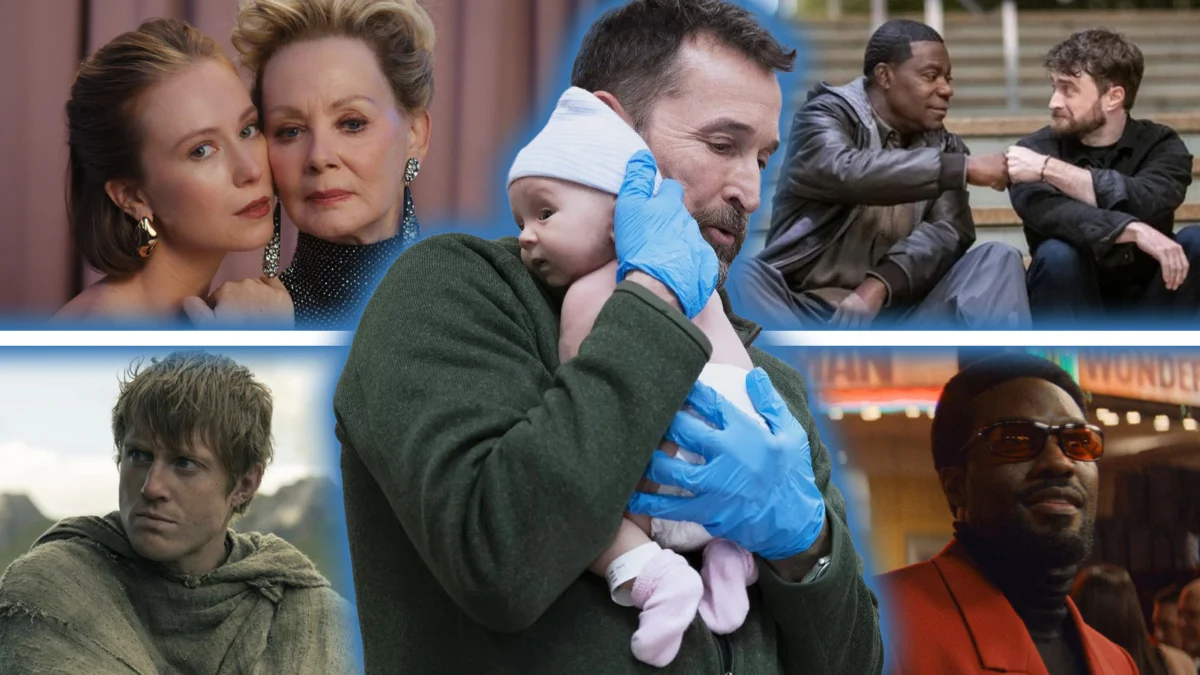
As we cross the midway point of 2026, the television industry finds itself in a state of paradoxical evolution. While the "Peak TV" era of the early 2020s was defined by a frantic volume of content, 2026 has emerged as the year of the "Refined Blockbuster." Major streaming platforms and legacy networks have shifted away from experimental quantity, leaning instead into high-concept anthologies, meticulously crafted sequels, and star-studded limited series that command cultural conversation.
From the absurdist heights of HBO’s new comedies to the gritty conclusion of Prime Video’s most subversive superhero epics, the first two quarters of 2026 have delivered a narrative richness that challenges the medium’s previous boundaries. This report analyzes the 29 standout productions that have defined the year so far, examining their critical impact, industry implications, and the shifting tastes of a global audience.
Main Facts: The Heavy Hitters of Q1 and Q2
The first half of 2026 has been dominated by three distinct trends: the "Anthology Pivot," the "Sheridan Expansion," and the "Final Bow" of veteran series.
The Anthology Pivot: Beef and The Comeback
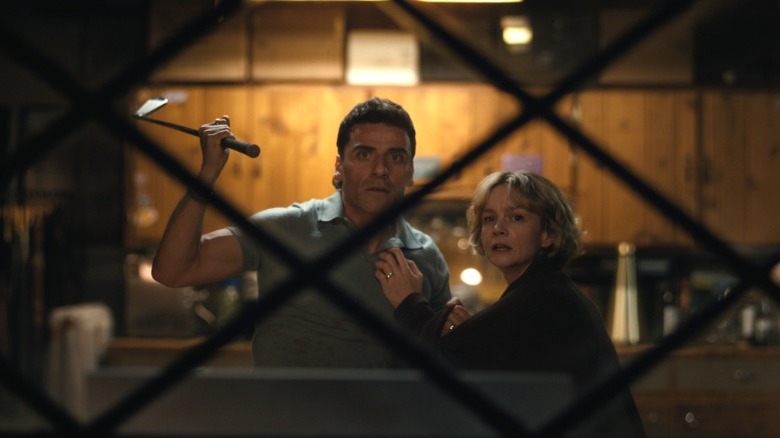
Netflix’s "Beef" Season 2 has successfully transitioned into an anthology format, trading the road-rage antics of Steven Yeun and Ali Wong for a high-stakes "war of attrition" between Oscar Isaac and Carey Mulligan. By shifting the focus to a country club setting and a generational clash with Gen Z newcomers Charles Melton and Cailee Spaeny, creator Lee Sung Jin has proved that the brand’s core—unhinged domestic resentment—is infinitely adaptable.
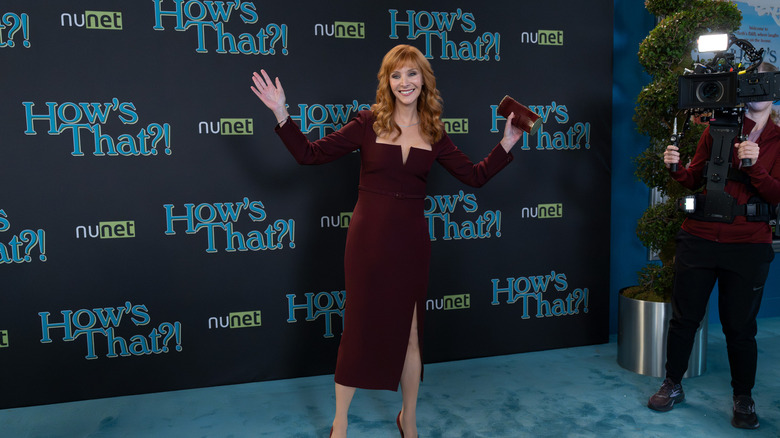
Simultaneously, HBO’s "The Comeback" Season 3 has returned after a decade-long hiatus. Lisa Kudrow’s Valerie Cherish remains the industry’s most incisive mirror, this time tackling the rise of Artificial Intelligence in sitcom writing. The series serves as a meta-commentary on the very industry that produces it, solidifying its place as the definitive Hollywood satire.
The Sheridan-Verse and the Procedural Renaissance
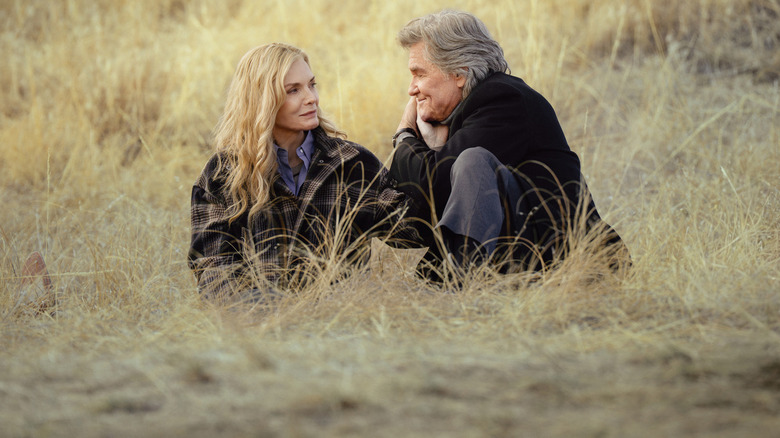
Taylor Sheridan’s influence continues to expand through Paramount+ and CBS. "The Madison," starring Michelle Pfeiffer and Kurt Russell, has surprised critics by eschewing the typical violence of the "Yellowstone" brand in favor of a nuanced exploration of grief. Meanwhile, "Marshals" has successfully bridged the gap between streaming prestige and network procedural, following Luke Grimes’ Kayce Dutton into a traditional law enforcement format.
The End of Eras: The Boys and Hacks
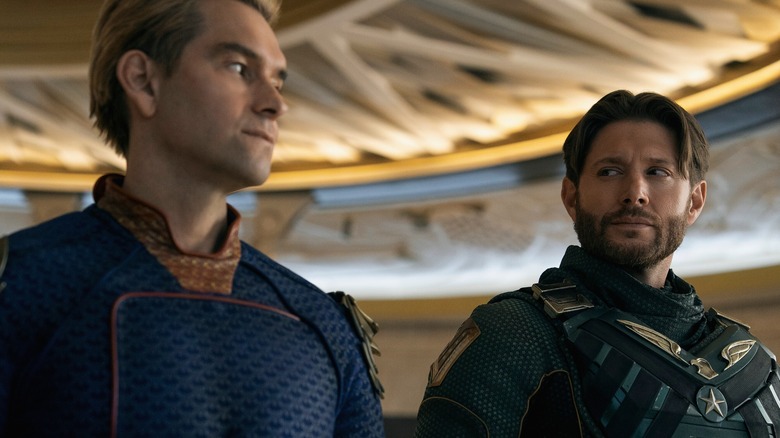
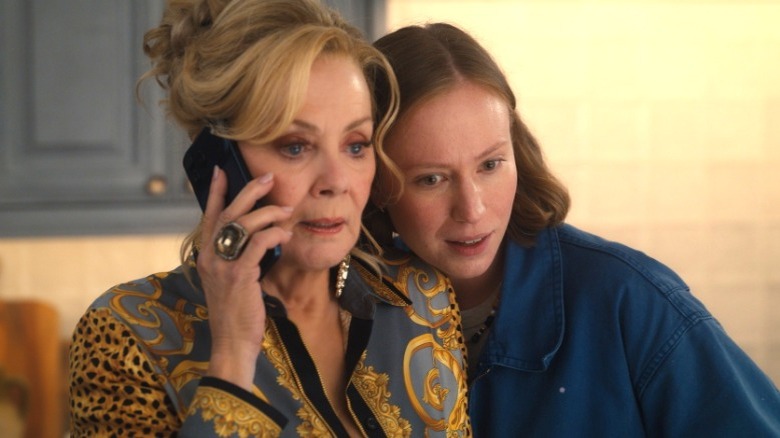
Two of the decade’s most influential shows are currently airing their final chapters. "The Boys" Season 5 has doubled down on its political vitriol, framing the Supe Virus and Homelander’s looming godhood as a final, desperate struggle for morality. "Hacks" Season 5 is also taking its final bow, with Jean Smart and Hannah Einbinder’s partnership reaching a creative zenith that remains the gold standard for character-driven comedy.
Chronology: A Season-by-Season Breakdown
Q1 2026: The Winter of Sci-Fi and Fantasy
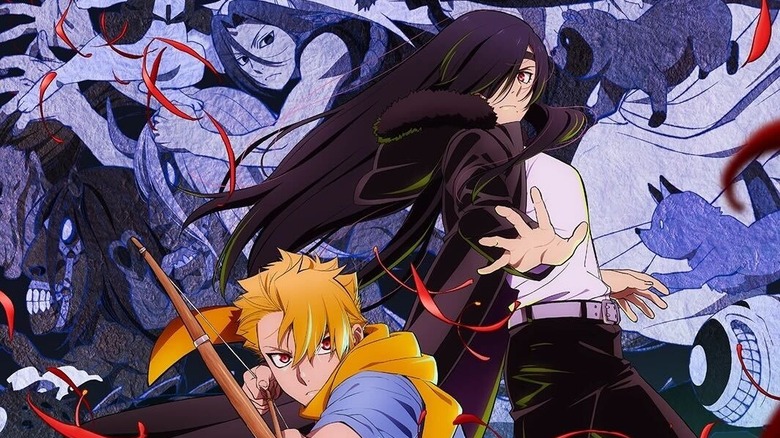
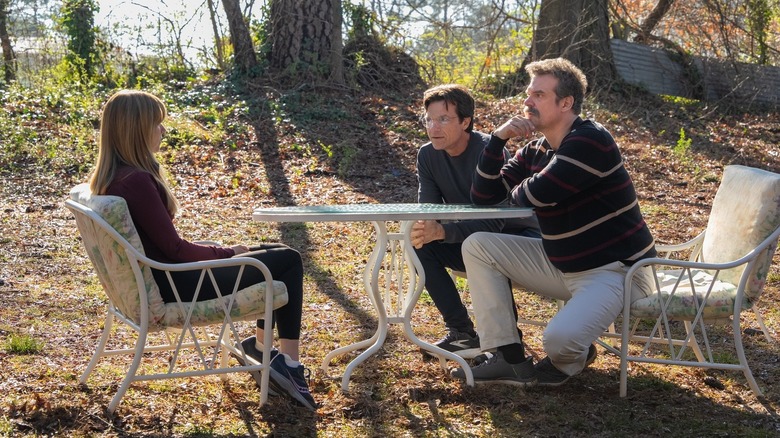
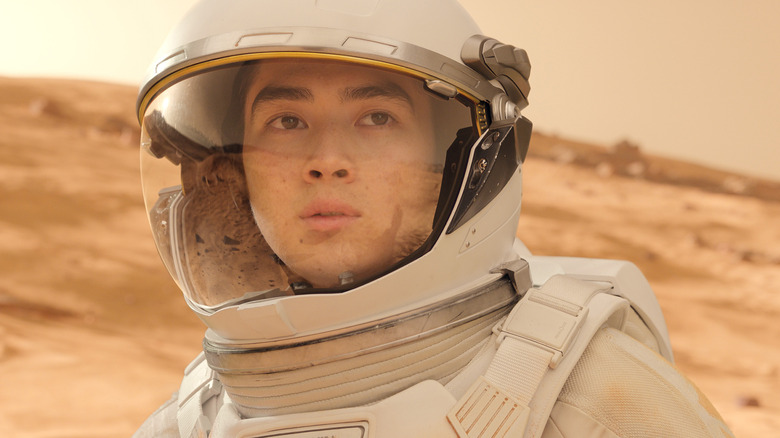
The year opened with a focus on expansive world-building. Apple TV+’s "For All Mankind" Season 5 took the leap into Martian revolution, while HBO’s "A Knight of the Seven Kingdoms" provided a "wholesome" ground-level perspective on the Game of Thrones universe. This period was also marked by the debut of "Daemons of the Shadow Realm," an anime adaptation that reunited the creative powerhouse behind Fullmetal Alchemist, setting a high bar for international animation.
Q2 2026: The Spring of Comedy and Dark Thrillers
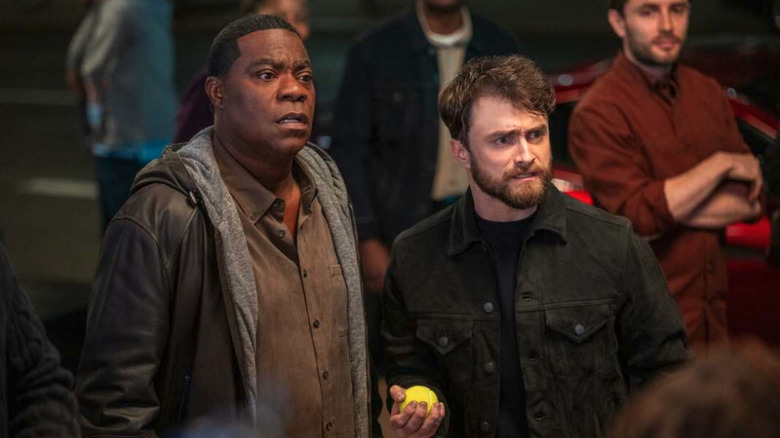
As the weather warmed, the schedule shifted toward high-concept comedies and psychological thrillers. Steven Conrad’s "DTF St. Louis" became a Sunday night staple on HBO, utilizing a "Trojan Horse" mystery to explore financial instability and romantic taboos. This quarter also saw the release of "Rooster," the Bill Lawrence and Steve Carell collaboration that has been hailed as Carell’s best work since The Office.
Supporting Data: Platforms and Performance Metrics
The critical consensus for 2026 indicates a high hit-rate for established IPs, but a surprising resilience in original, mid-budget storytelling.
| Show Title | Platform | Key Talent | Genre |
|---|---|---|---|
| Beef S2 | Netflix | Oscar Isaac, Carey Mulligan | Dark Comedy/Anthology |
| The Madison | Paramount+ | Michelle Pfeiffer, Kurt Russell | Neo-Western Drama |
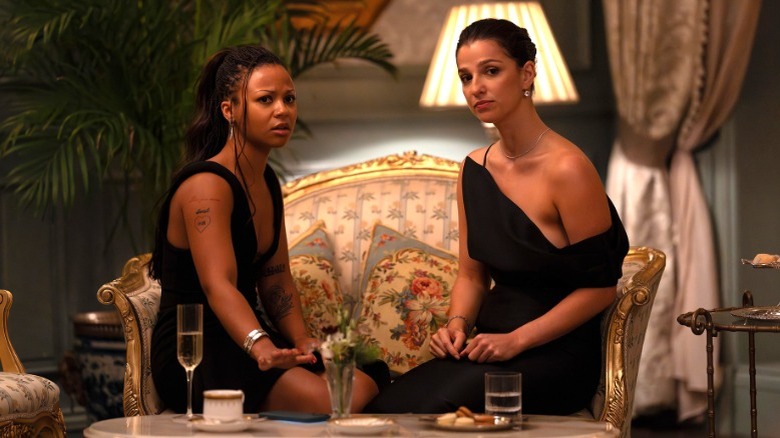
| Industry S4 | HBO | Myha’la, Kit Harington | Financial Thriller |
| Wonder Man | Disney+ | Yahya Abdul-Mateen II | Superhero/Satire |
| The Pitt S2 | HBO Max | Noah Wyle | Medical Procedural |
| One Piece S2 | Netflix | Iñaki Godoy | Live-Action Adventure |
The Rise of Animation
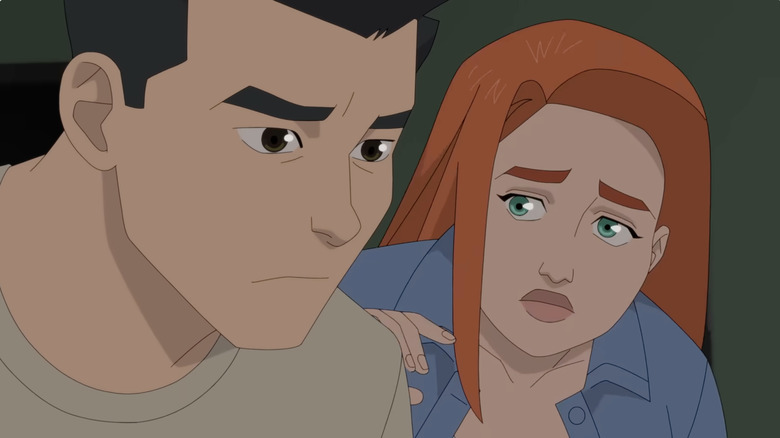
Animation has seen a significant surge in prestige status this year. "Invincible" Season 4 and "Primal" Season 3 have maintained massive viewership numbers on Prime Video and Cartoon Network, respectively. Furthermore, "Star Wars: Maul — Shadow Lord" has been credited with "saving" the Disney+ Star Wars slate, with critics praising its breathtaking lighting design and the climactic duel between Maul and Darth Vader.
The "Hidden Gem" Factor
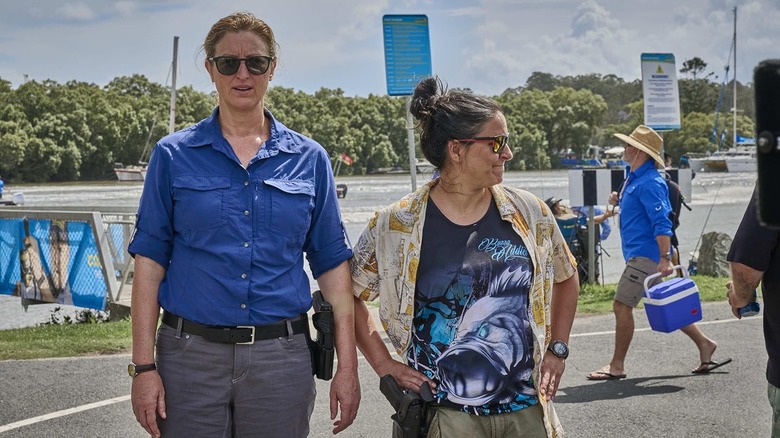
Despite the dominance of giants, smaller-scale projects like "Deadloch" Season 2 (Prime Video) and "Very Important People" Season 3 (Dropout) have secured dedicated fanbases. Deadloch in particular has been lauded for its subversive take on the "Land Back" movement and its unapologetic focus on middle-aged queer disasters, proving that niche perspectives can drive mainstream engagement.
Official Responses: Creators on the Record
Industry leaders have been vocal about the creative shifts seen in 2026.
Lee Sung Jin (Creator, Beef): "The goal with Season 2 was to weaponize expectations. By moving away from the original cast, we were able to explore the ‘Beef’ philosophy—the idea that our internal voids are universal—through a completely different social lens."
Taylor Sheridan (Producer, The Madison, Marshals): "Television is returning to its roots. People want characters they can live with for years. Whether it’s a grieving widow in Montana or a Marshal in a procedural, the story has to feel grounded, even if the world around it is chaotic."

Lucia Aniello (Co-Creator, Hacks): "Ending the show on our own terms was vital. Deborah and Ava’s relationship has always been the heartbeat, and in Season 5, we wanted to show what happens when that heartbeat is finally in sync."
Implications: The Future of the Medium
The success of the 2026 slate points toward several long-term shifts in the television landscape.
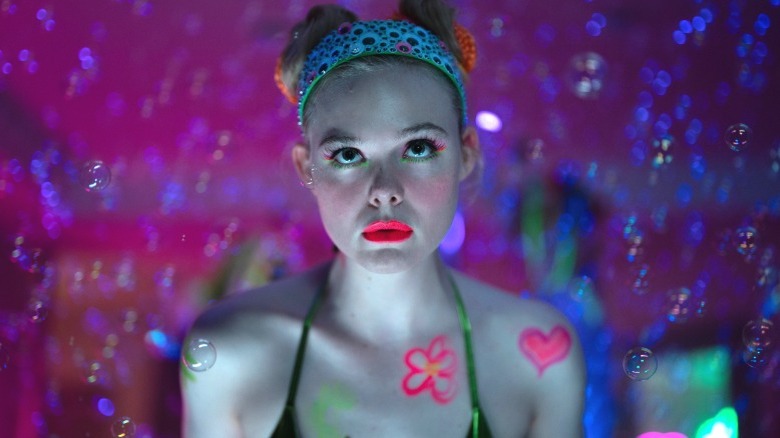
1. The Death of "Empty Shock Value"
As seen in the maturation of "The Boys" and "Invincible," there is a documented move away from violence for violence’s sake. Writers are increasingly using "shock" as a tool for deeper moral exploration rather than mere social media engagement. This "meaningful grit" is becoming the new requirement for adult-oriented genre fiction.
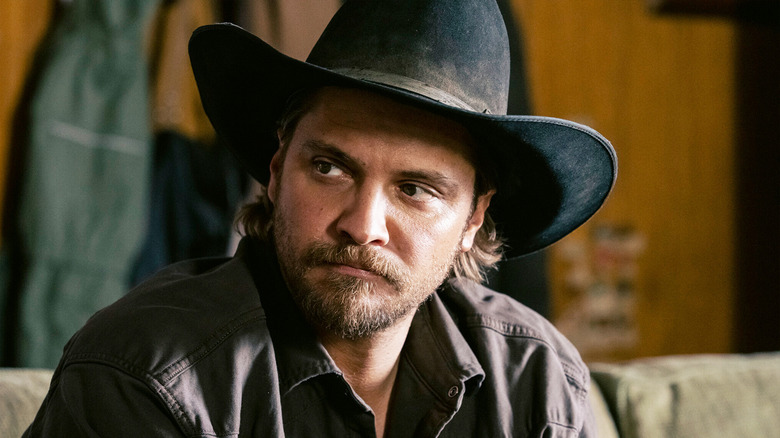
2. The Survival of the Procedural
The success of "The Pitt" and "Marshals" suggests that the "binge-model" of 8-episode seasons is losing its monopoly. Audiences are showing a renewed appetite for longer seasons and episodic "competence porn." The return to the 13-to-22 episode format allows for the "fleshing out" of supporting casts, a trait many critics felt was lost in the early 2020s.
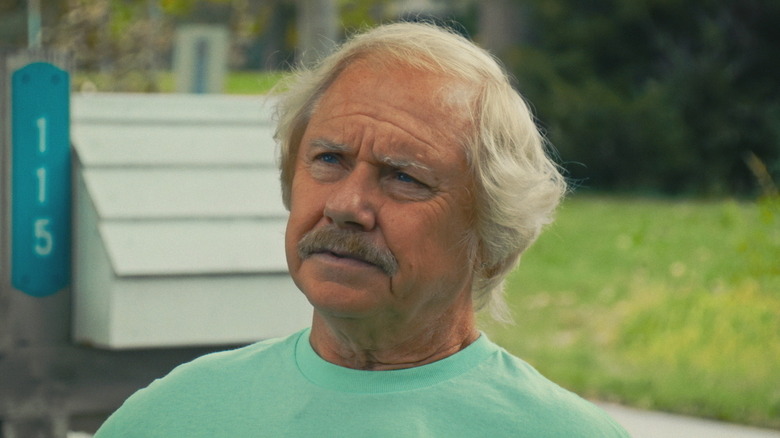
3. AI as a Narrative and Ethical Battleground
With "The Comeback" directly tackling AI in the writer’s room and shows like "Hacks" featuring characters who vocally oppose the technology, 2026 has become the year TV began to litigate its own future. This meta-narrative is likely to continue as the industry grapples with the real-world implications of generative tech.
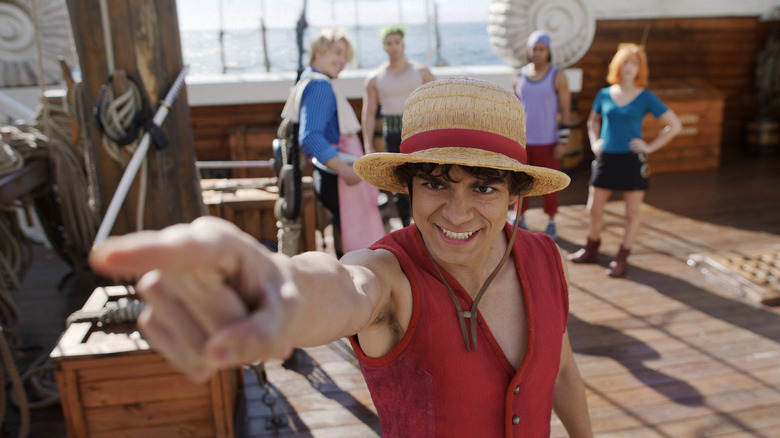
4. The Horror-Comedy Hybrid
New entries like "Widow’s Bay" and "Rooster" indicate a refining of the horror-comedy genre. By balancing "Parks and Rec" style municipal humor with genuine Ti West-inspired scares, creators are finding a "sweet spot" that appeals to diverse demographics, suggesting that tone-blending will be a dominant creative strategy in the years to come.
Conclusion
The first half of 2026 has proven that television is far from a declining medium. Instead, it is entering a period of high-polish maturity. By blending the reliability of the procedural with the artistic risks of the prestige era, the industry has created a slate that is as intellectually stimulating as it is broadly accessible. As we look toward the second half of the year, the bar for "Best of the Year" has never been higher.


Leave a Comment