A Legacy in Miniature: The Pokémon Company Celebrates Decades of History with "Package Pin" Collection
The Pokémon franchise, a global titan of entertainment that has spanned three decades, continues to find innovative ways to bridge the gap between its pixelated origins and its high-definition future. In a recent announcement that has stirred the global collecting community, The Pokémon Company has unveiled a new addition to its prestigious "Package Pins" collection. This latest release specifically highlights the venerable third generation—Pokémon Ruby, Sapphire, and Emerald—while simultaneously offering a retrospective journey through the series’ entire box art history.
This release is more than a mere merchandise drop; it is a curated celebration of the visual identity that has defined the Pokémon experience for millions of players since 1996. By transforming the iconic Japanese game packaging into high-quality collectible pins, The Pokémon Company is tapping into a profound sense of nostalgia while cementing the legacy of its most influential titles.
Main Facts: The "Package Pin" Series Expansion
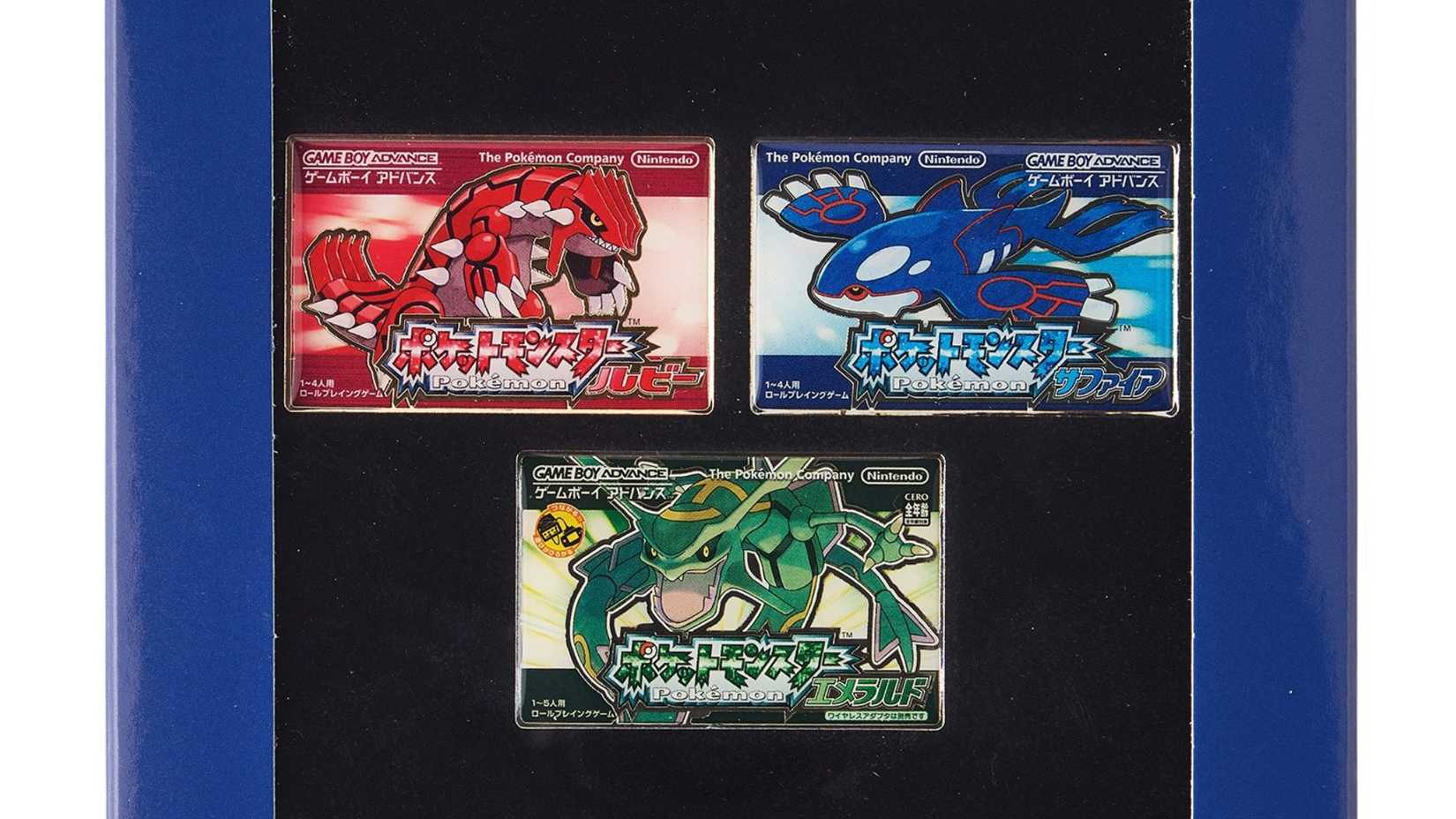
The "Package Pin" collection is an ongoing series of merchandise exclusive to the Pokémon Center Online in Japan. The core concept is the recreation of the original Japanese retail boxes as wearable or displayable enamel pins. These pins are not merely inspired by the games; they are exacting miniature replicas of the cardboard and plastic cases that once sat on store shelves, complete with the original logos, artwork, and color palettes that defined each era of the franchise.
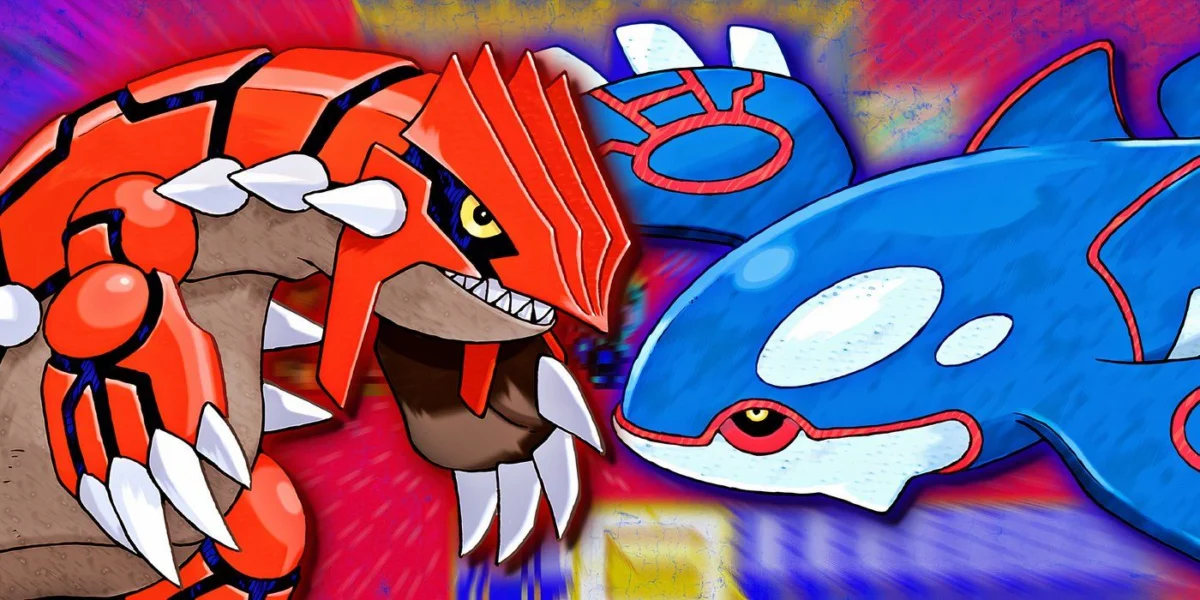
The latest update to this collection focuses on the Game Boy Advance era, specifically the Hoenn region titles: Pokémon Ruby, Pokémon Sapphire, and the definitive version, Pokémon Emerald. These titles are widely regarded as the "Golden Age" of the series for many fans, introducing 135 new species and the "Weather Trio" of Legendary Pokémon—Groudon, Kyogre, and Rayquaza.

Beyond the Hoenn focus, the collection is comprehensive. It spans the entire history of the core series, beginning with the 1996 Japanese releases of Pokémon Red and Green (the precursors to the international Red and Blue versions) and extending all the way to the promotional art for the upcoming Pokémon Legends: Z-A. Each set is sold by "generation," allowing fans to purchase the specific era that resonates most with their personal history with the franchise.
Chronology: From 1996 to the Future
To understand the significance of these pins, one must look at the chronological evolution of the Pokémon brand as reflected in its packaging.
- The Monochrome Origins (1996–1999): The first set of pins captures the simplicity of the original Game Boy releases. The Japanese Red and Green boxes featured Sugimori’s classic, watercolor-style artwork. These pins represent the birth of the "Gotta Catch ‘Em All" phenomenon.
- The Color Revolution (1999–2002): The Gold, Silver, and Crystal pins represent the transition to the Game Boy Color. These boxes were notable for their shimmering, metallic backgrounds, which are painstakingly recreated in the pin designs to reflect the "Precious Metal" theme of the Johto region.
- The Hoenn High Point (2002–2005): This is the centerpiece of the recent announcement. Ruby, Sapphire, and Emerald brought a vibrant new color palette to the series. The pins highlight the shift toward more dynamic, legendary-focused cover art, featuring the elemental titans that defined the GBA era.
- The Dual-Screen Era and Beyond (2006–2019): The collection continues through the Nintendo DS and 3DS eras, covering the transition to 3D graphics with Pokémon X and Y and the tropical shift of Pokémon Sun and Moon.
- The Switch Renaissance (2019–Present): The most recent pins include the box art for Pokémon Sword and Shield, Pokémon Scarlet and Violet, and the experimental Pokémon Legends: Arceus. Crucially, the collection even looks forward, including a pin for Pokémon Legends: Z-A, a title that has yet to see a full retail release.
Supporting Data and Market Logistics
The logistics of this release reflect The Pokémon Company’s sophisticated approach to scarcity and brand value.
- Pricing: The individual pin sets are priced competitively, at approximately 1,500 to 1,600 Japanese Yen (roughly $10 USD). This price point makes the collection accessible to a wide range of fans, though the cost quickly adds up for "completionist" collectors seeking every generation.
- Availability and Restrictions: To combat the rampant "scalping" market that plagues Pokémon merchandise, The Pokémon Company has implemented a strict "one per customer" policy. Despite this, the pins are currently a Japan-exclusive release.
- The International Factor: For fans in the United States, United Kingdom, and Europe, acquiring these pieces involves navigating the secondary market or utilizing proxy shipping services. Historically, such items see a 200% to 300% markup on platforms like eBay and Mercari shortly after the initial sell-out in Japan.
- Material Quality: The pins are crafted from a zinc alloy with hard enamel filling, designed to resist fading and scratching. This ensures that the "miniature history" they represent remains preserved for years.
Official Context: The Pokémon Company’s Strategic Vision
While The Pokémon Company rarely grants long-form interviews regarding individual merchandise lines, the release of the Package Pins fits into a broader corporate strategy. As the brand approaches its 30th anniversary in 2026, the company has pivoted toward "Legacy Marketing."
This strategy involves acknowledging the aging demographic of its fanbase. While the games continue to attract children, a significant portion of the revenue is generated by "kidults"—adults who grew up with the franchise in the 90s and early 2000s and now have the disposable income to invest in high-quality collectibles. By focusing on the original packaging, the company is not just selling a pin; they are selling a tangible memory of the day a fan first opened their Game Boy Advance on a birthday or holiday.

Furthermore, the inclusion of Pokémon Legends: Z-A and the mention of the rumored Winds and Waves project (expected in late 2025 or 2026) suggests that these merchandise cycles are being used to maintain brand engagement during the "lull" between major game releases.
Implications: The Nostalgia Economy and the Future of Pokémon
The release of the Ruby, Sapphire, and Emerald pins carries significant implications for the future of the franchise and the collector’s market.
The Valuation of "CIB" Culture
In the world of video game collecting, "CIB" (Complete In Box) titles are the most sought-after. Original cardboard boxes for Game Boy games are notoriously fragile, and many were thrown away by children in the 90s. By turning these boxes into pins, The Pokémon Company is canonizing the "box" itself as an art form. This reinforces the value of the original physical media, even as the industry moves toward an all-digital future.
Hoenn’s Enduring Popularity
The specific focus on Generation 3 highlights the enduring popularity of the Hoenn region. Often praised for its ambitious world-building and the introduction of "Abilities" and "Natures"—mechanics that still define competitive play today—Gen 3 remains a touchstone for the community. The success of these pins may serve as a metric for The Pokémon Company as they consider future remakes or "Legends" style explorations of the Hoenn lore.
The 30th Anniversary Horizon
As the 2026 milestone approaches, the Package Pin collection serves as a prologue. It summarizes where the franchise has been, allowing fans to literally wear the history of the brand. It sets a precedent for a year of celebrations that will likely include massive game announcements and further retrospective merchandise.
Conclusion
The Pokémon Ruby, Sapphire, and Emerald Package Pins are more than simple trinkets. They are a sophisticated intersection of art, history, and marketing. For the London-based writer James Jordan Lynch and thousands of other fans worldwide, these items represent the "thousands of hours" spent in these digital worlds.
As the franchise moves toward its fourth decade with Pokémon Legends: Z-A and beyond, these pins serve as a reminder that while the technology changes—from the monochrome screen of the Game Boy to the hybrid power of the Nintendo Switch—the core appeal of Pokémon remains rooted in its identity. For $10, fans aren’t just buying a piece of metal; they are securing a piece of the cultural tapestry that defined a generation. For those looking to own a piece of this history, the window is narrow, the demand is high, and the nostalgia is, as always, incredibly potent.