
Garmin Revolutionizes Entry-Level Running Market with New Forerunner 70 and 170 Series
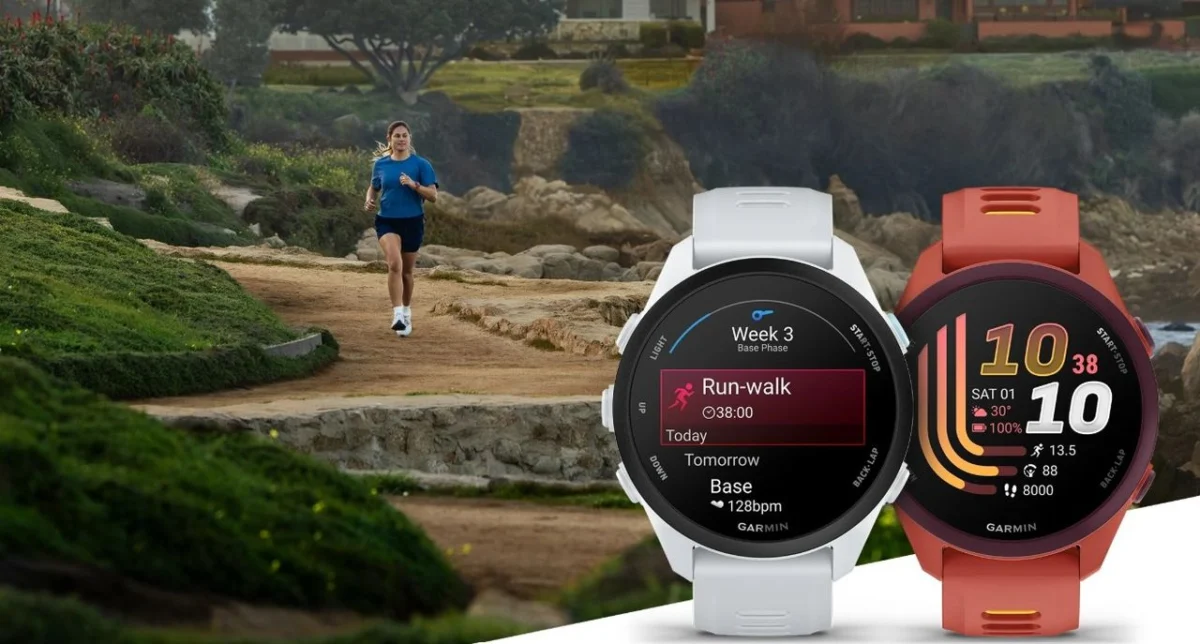
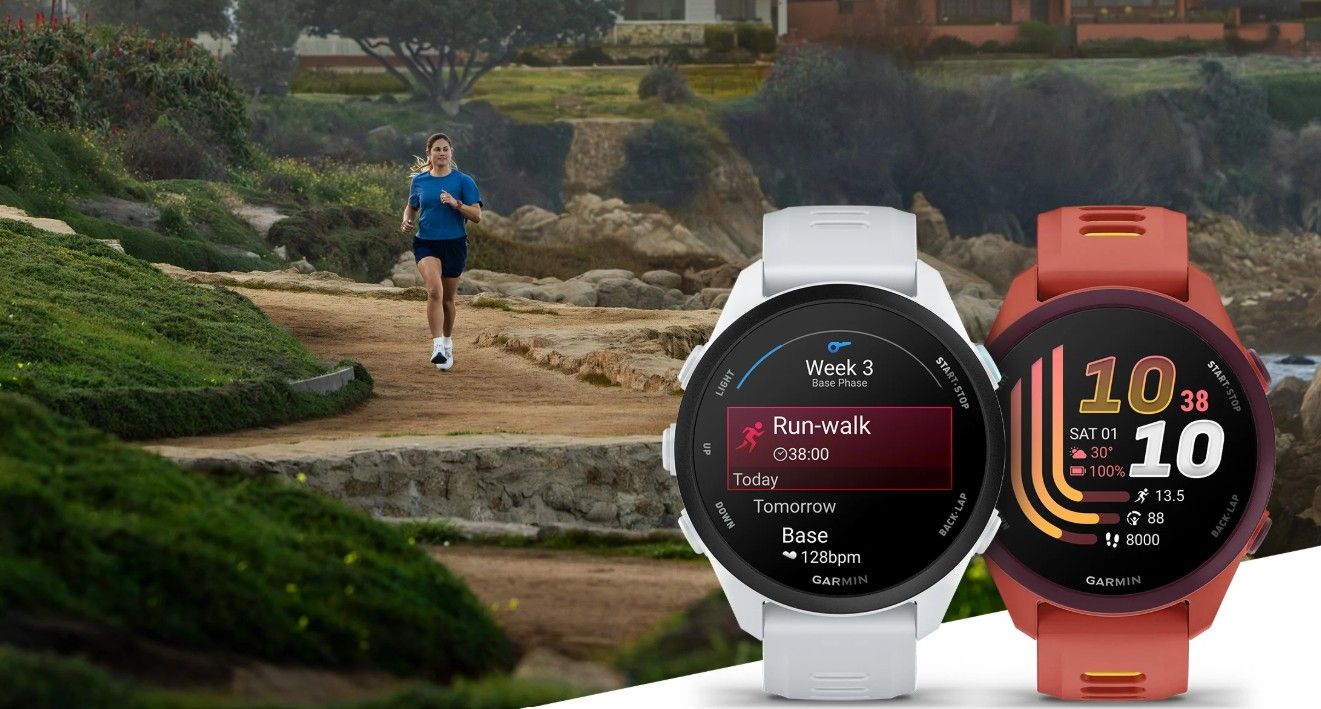
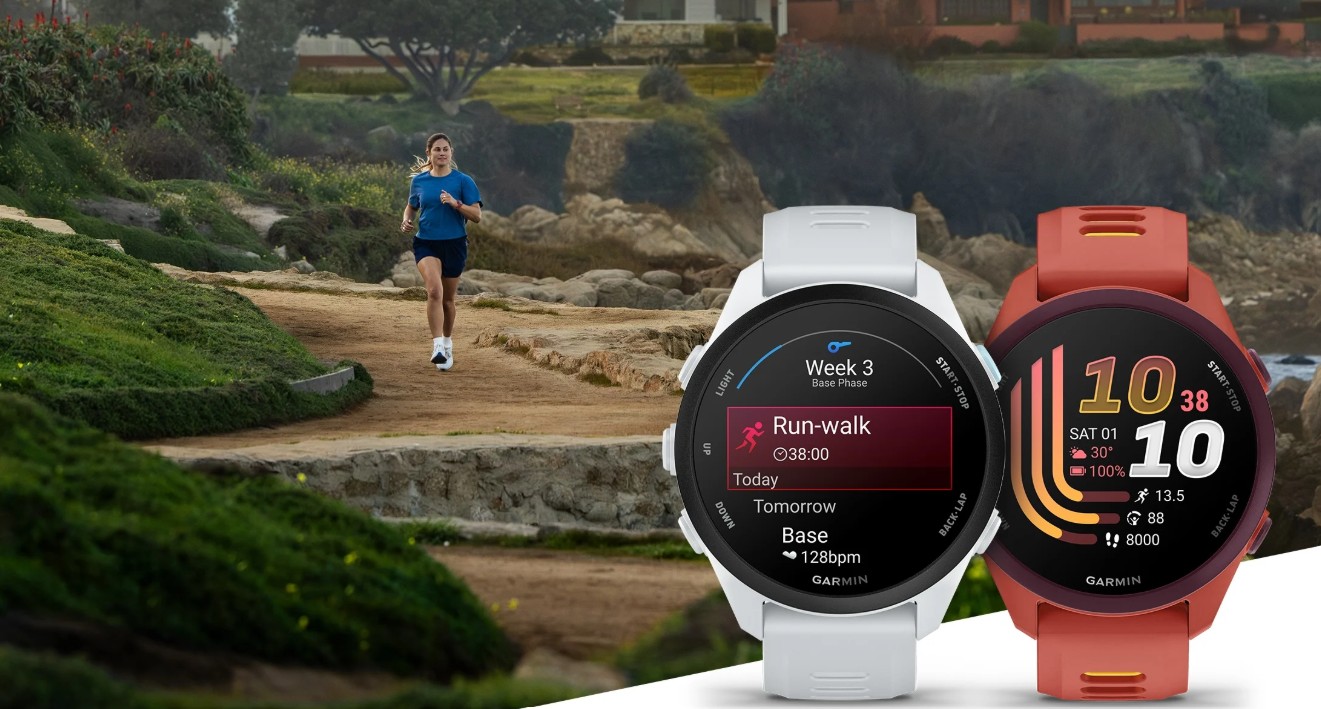
OLATHE, KS — Garmin, the global leader in GPS navigation and wearable technology, has officially announced a significant refresh to its entry-level running portfolio. In a move designed to capture both the burgeoning "Couch to 5K" demographic and budget-conscious seasoned athletes, the company unveiled the Forerunner 70 and the Forerunner 170 series. These devices are positioned as the spiritual and technical successors to the aging Forerunner 55, bringing high-end metrics once reserved for flagship models down to a more accessible price point.
The announcement comes at a pivotal time for the wearable industry, as consumers increasingly demand professional-grade physiological data without the premium price tags associated with titanium casings or sapphire glass. With the release of these three "easy-to-use" watches, Garmin aims to solidify its dominance in the running community by lowering the barrier to entry for advanced training insights.
Main Facts: A Dual-Tier Approach to Beginner Fitness
The new release bifurcates the entry-level market into two distinct categories: the ultra-simplified Forerunner 70 and the more feature-complete Forerunner 170 series. Both models are engineered to provide what Garmin describes as "everything a runner needs to start their journey," but they differ significantly in their lifestyle integration and battery architecture.
The Forerunner 70: Efficiency and Longevity
The Forerunner 70 is designed for the purist. Focusing on core metrics and extreme battery efficiency, the device offers up to 13 days of life in smartwatch mode. It is intended for users who want to track their runs, heart rate, and sleep without the "noise" of modern smartwatch distractions. Despite its entry-level positioning, it includes Garmin’s sophisticated training algorithms, ensuring that the data collected is as actionable as that of its more expensive siblings.
The Forerunner 170 Series: The Bridge to Premium
The Forerunner 170 series (likely including a standard and a smaller "S" variant) trades a small portion of battery life for enhanced connectivity and lifestyle features. Offering 10 days of battery life, the 170 series introduces Garmin Pay, allowing runners to make contactless payments during their workouts—a feature previously absent from the most affordable Forerunner tiers. This series is aimed at the "prosumer" beginner—someone who is serious about their training but also wants a device that functions seamlessly as a daily driver.
Shared Advanced Metrics
The most striking aspect of this release is the inclusion of "Pro" features across both models:
- Wrist-based Running Power: A measure of the total effort exerted on the ground, allowing runners to manage their intensity more effectively than heart rate alone.
- Running Dynamics: Integrated sensors calculate stride length, cadence, and ground contact time without the need for external chest straps or pods.
- Training Readiness: A holistic score that combines sleep quality, recovery time, and recent training load to tell the user if they are ready for a hard session or need a rest day.
Chronology: The Evolution of the Budget Forerunner
To understand the significance of the Forerunner 70 and 170, one must look at the timeline of Garmin’s "lowest-tier" offerings. For over a decade, Garmin has maintained a three-digit and two-digit naming convention that signaled a watch’s place in the hierarchy.
The Era of the Forerunner 35 and 45 (2016–2019)
For years, the entry-level was defined by the Forerunner 35 and later the 45. These were basic GPS trackers. They told you how far and how fast you ran, and they tracked your heart rate. However, they lacked the "intelligence" of the higher-end 200, 600, and 900 series. They were tools for recording, not for coaching.
The Forerunner 55 Pivot (2021)
In 2021, Garmin released the Forerunner 55. This was a turning point. It introduced "PacePro" and "Daily Suggested Workouts" to the budget line. It proved that Garmin was willing to migrate software features downward to keep users within their ecosystem. The Forerunner 55 remained a staple for three years, becoming the go-to recommendation for any new runner.
The 2024 Leap: The 70 and 170
The jump from the "55" nomenclature to "70" and "170" suggests a significant leap in capability. By skipping the "60" designation, Garmin is signaling that these watches are closer in spirit to the mid-range Forerunner 255/265 than they are to the basic trackers of the past. The release, scheduled for May 15, represents the most substantial update to the entry-level hardware in nearly five years.
Supporting Data: Breaking the Performance Barrier
The decision to include high-level metrics in budget hardware is backed by a growing trend of elite athletes utilizing "basic" gear. A notable example occurred in April 2024, when world-class marathoner Sebastian Sawe utilized the five-year-old, budget-friendly Forerunner 55 to maintain his elite training standards. This highlights a fundamental truth in the running world: while premium materials are nice, it is the accuracy of the underlying data and the training logic that matters most.
Battery Life vs. Competition
When compared to the broader smartwatch market, the Forerunner 70’s 13-day battery life stands in stark contrast to the Apple Watch Series 9 (18 hours) or the Google Pixel Watch 2 (24 hours). Even within the fitness-specific market, 13 days of longevity at an entry-level price point puts immense pressure on competitors like Coros and Polar, who have traditionally competed on battery value.
The Sensor Debate: Elevate V4 vs. V5
While Garmin has not explicitly confirmed the sensor hardware, industry analysts are closely watching whether the 70 and 170 utilize the Elevate V4 or the newer Elevate V5. The V5 sensor, found on the Fenix 7 Pro and Epix Pro, is capable of ECG readings and skin temperature tracking. If Garmin has managed to include the V5 in the 170 series, it would represent a massive shift in the value proposition of the "budget" watch, effectively making it a health-monitoring powerhouse.
Official Responses: Garmin’s Vision for the "Everyday Runner"
Susan Lyman, Garmin’s Vice President of Global Consumer Marketing, emphasized that these watches are not "stripped down" versions of better products, but rather purpose-built tools for the journey of improvement.
"The Forerunner 70 and Forerunner 170 include premium running and training features pulled in from our more advanced Forerunners, plus popular health and wellness metrics," Lyman stated in a press release. "We want to provide everything a runner needs to start their running journey, without overwhelming them, but also without limiting their potential as they grow."
Lyman’s comments reflect a strategic shift in Garmin’s marketing. By focusing on "Training Readiness" and "Running Power," Garmin is teaching new runners how to train like professionals from day one. This creates a "sticky" ecosystem; a runner who learns to rely on Garmin’s proprietary Training Readiness score is far less likely to switch to a competitor’s platform later in their career.
Implications: A New Standard for the Industry
The release of the Forerunner 70 and 170 series has several far-reaching implications for the wearable tech market and the fitness industry at large.
1. The Democratization of Elite Metrics
For years, "Running Power" was a metric that required expensive third-party pods (like Stryd) or top-of-the-line $600 watches. By bringing this to the 170 series, Garmin is making power-based training the new standard. This allows runners of all levels to account for hills and wind in their effort, leading to better pacing and fewer "bonking" incidents during races.
2. Pressure on the "Fashion" Smartwatch
As Garmin adds "Garmin Pay" and improved screen technology to its cheaper watches, the line between a "fitness tracker" and a "smartwatch" continues to blur. Consumers who previously bought an Apple Watch for its convenience might now be swayed by a Garmin that offers similar convenience (contactless payments) but adds 10 times the battery life and superior recovery data.
3. The Secondary Market and Longevity
The Forerunner 55’s long life cycle suggests that Garmin expects the 70 and 170 to be on shelves for the next 3 to 4 years. This stability is a boon for consumers who are tired of the annual upgrade cycle seen in the smartphone industry. It also suggests that Garmin’s software platform has reached a level of maturity where the hardware no longer needs to be replaced every 12 months to remain relevant.
4. Impact on Professional Training
As evidenced by athletes like Sebastian Sawe, the "entry-level" tag is becoming a misnomer. If a $200 watch can provide the same GPS accuracy and heart rate data as a $1,000 watch, the choice becomes one of aesthetics and battery, not capability. This may lead to a shift where professional teams outfit their entire rosters with Forerunner 170s, saving their budgets for other performance-enhancing technologies.
Conclusion
The Garmin Forerunner 70 and 170 series represent a "shot across the bow" for the wearable industry. By refusing to gatekeep advanced physiological metrics behind a high paywall, Garmin is betting on the long-term loyalty of the global running community. As these watches hit the shelves on May 15, the message is clear: whether you are running your first mile or your thousandth, the data that drives you should be world-class.
Stay tuned for our comprehensive, hands-on reviews of the Forerunner 70 and 170 series as we put their GPS accuracy and new Running Power metrics to the test on the road.




Leave a Comment