
Scaling the Frontline: Battlefield 6 Season 3 and the Strategic Return of Golmud Railway
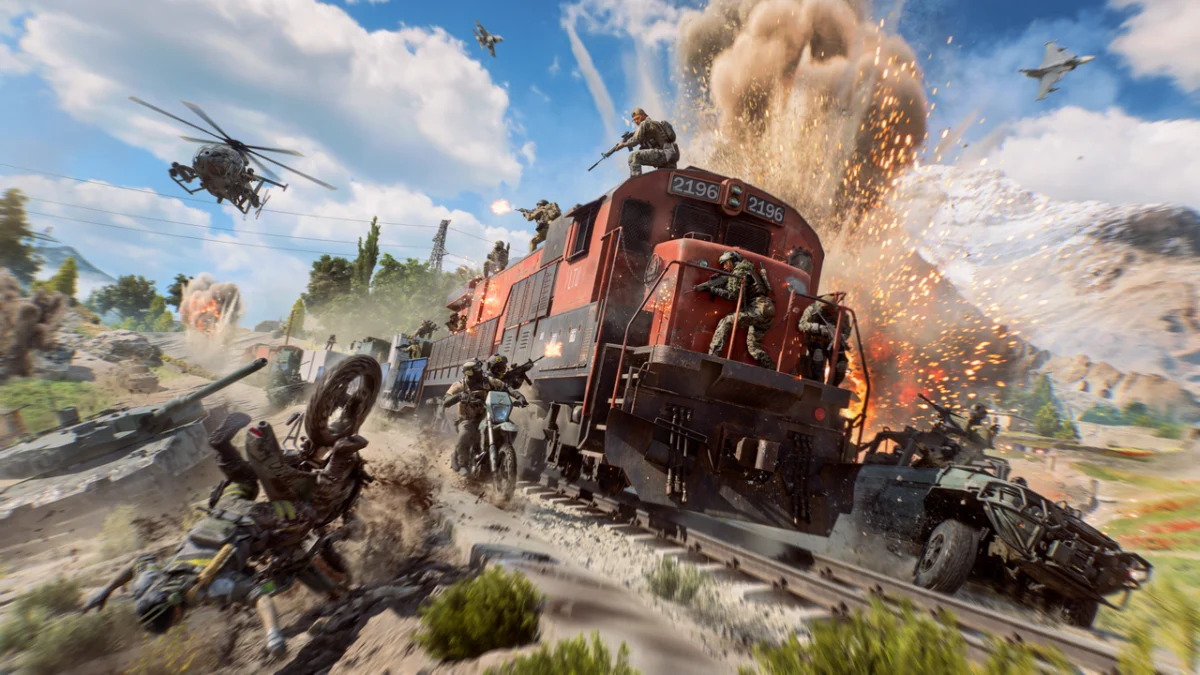
The landscape of modern first-person shooters is one of constant evolution, a digital arms race where developer responsiveness and content density determine the longevity of a title. Today marks a significant milestone in that race with the official launch of Battlefield 6 Season 3. This latest update represents more than just a seasonal rotation; it is a calculated effort by Electronic Arts and the development team to recapture the "DNA" of a franchise that has long been defined by its scale, its chaos, and its community.
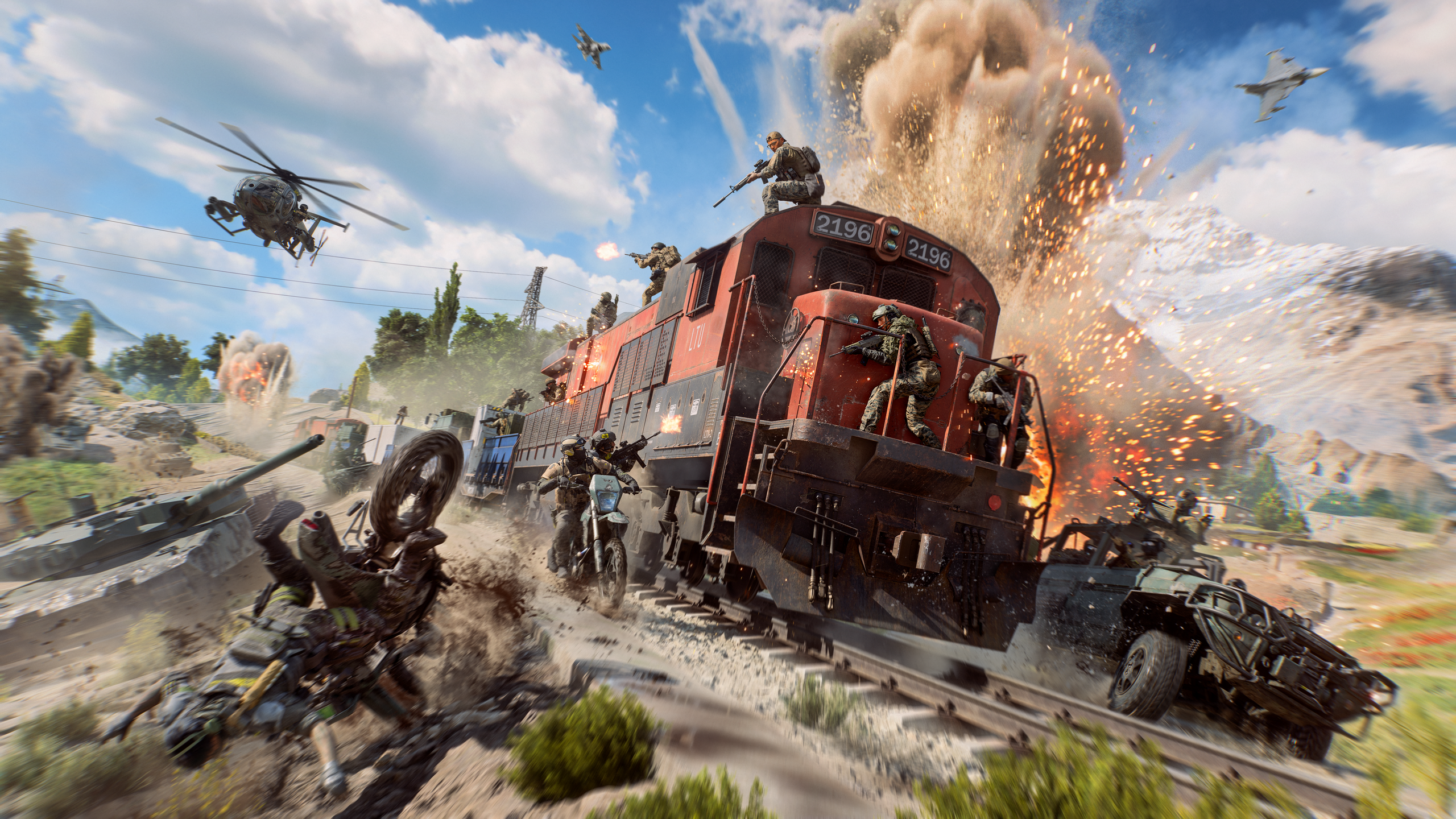
At the heart of this update is the introduction of "Railway to Golmud," a map that is not only the largest seen in Battlefield 6 to date but also a deeply nostalgic nod to the series’ storied past. By reimagining one of the most iconic locales from Battlefield 4, the developers are attempting to bridge the gap between legacy expectations and modern gameplay mechanics.
Main Facts: The Scope of Season 3
Season 3 arrives as a comprehensive content drop designed to address both the narrative progression of Battlefield 6 and the mechanical desires of its player base. The headline feature, "Railway to Golmud," serves as a spiritual and structural successor to the fan-favorite Golmud Railway. However, this is not a simple port of old assets.
A New Theater of War
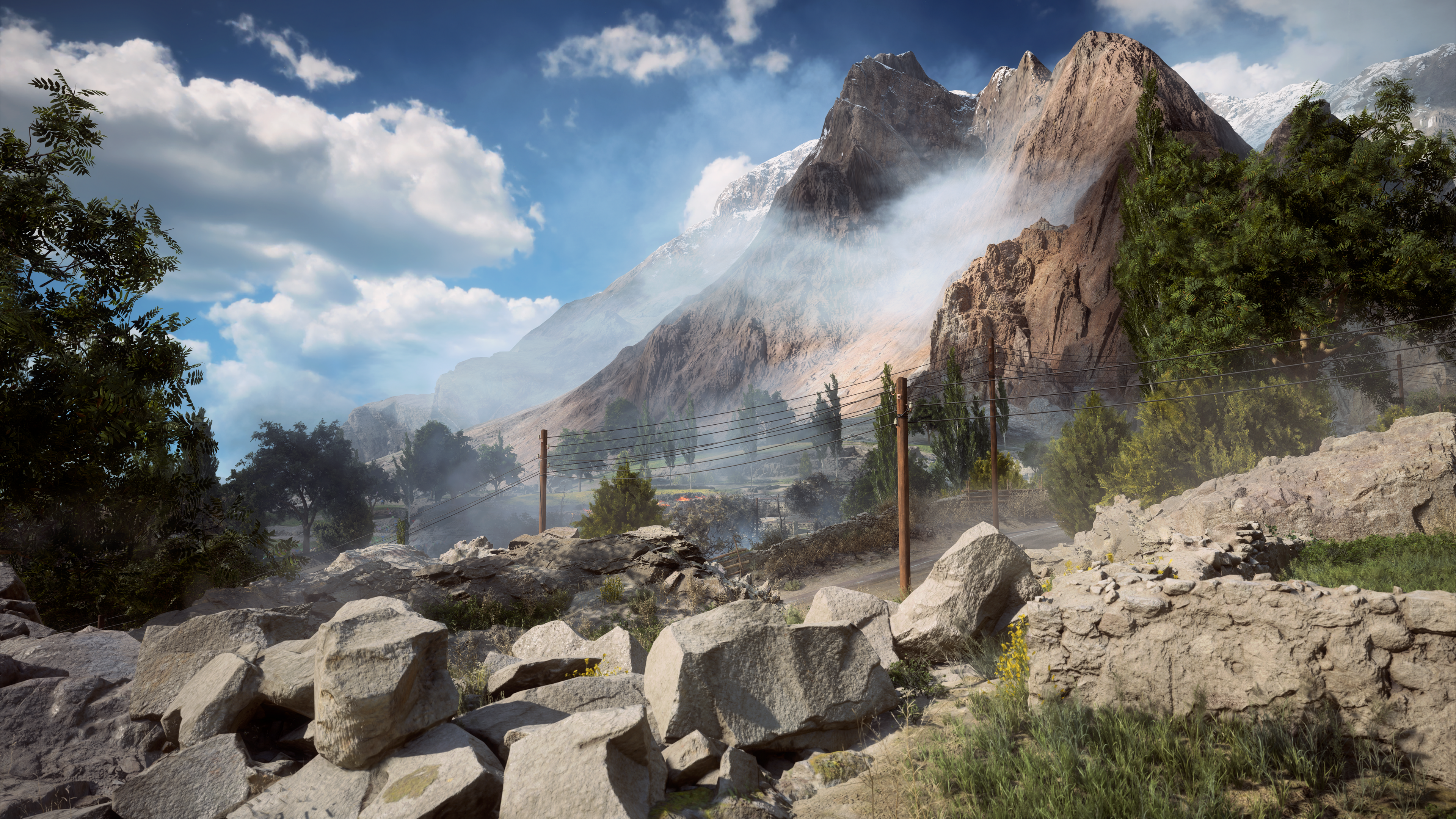
While the original map was set in the rural expanses of China, the reimagined version shifts the theater of operations to Tajikistan. This geographical pivot is not merely aesthetic; it is a narrative tool used to align the map with the ongoing geopolitical conflict established in the Battlefield 6 lore. Despite the change in location, the core identity of the map—a sprawling, vehicle-heavy battlefield bisected by a critical rail line—remains intact.
Technical Specifications and Content
The update brings several key additions beyond the map itself:
- The Largest Map to Date: "Railway to Golmud" exceeds the square footage of previous launch and seasonal maps, emphasizing "all-out warfare."
- Vehicle-Centric Design: The map is built to accommodate a high density of armor and aircraft, facilitating the large-scale skirmishes the series is known for.
- Narrative Integration: New "Specialists" and cosmetic rewards within the Season 3 Battle Pass further flesh out the Tajikistani conflict.
- Refined Gameplay Loops: Adjustments to destruction physics and capture point proximity aim to reduce "downtime" during matches.
Chronology: The Evolution of Battlefield 6
To understand the significance of Season 3, one must look at the trajectory of Battlefield 6 since its inception. The journey has been one of high ambitions met by the harsh realities of community feedback and technical hurdles.
The Launch Phase
At launch, Battlefield 6 sought to redefine scale. However, early adopters expressed concerns that the maps were too large and lacked the granular detail or "flow" required for engaging infantry combat. Players felt that the vast distances between capture points led to "walking simulators" rather than the intense firefights promised by the marketing materials.
The Feedback Pivot
By Season 1 and Season 2, the development team began a process of "map flow" revisions, tightening existing layouts and introducing more cover. During this period, the demand for a return to "classic" Battlefield design grew louder. Fans pointed to Battlefield 4 as the gold standard for map balance.
The Development of Railway to Golmud
Recognizing the need to satisfy veteran players while maintaining the scale of the new engine, the team began work on the Golmud reimagining. This process involved:
- Selection: Choosing a map that balanced vehicle play with infantry "hubs."
- Prototyping: Moving the setting to Tajikistan to fit the current game’s world-building.
- The "Labs" Phase: Testing the layout in Battlefield Labs, a public testing environment where player data could be harvested in real-time.
- Final Iteration: Applying fixes to sightlines and airspace based on "Labs" feedback, leading to today’s Season 3 release.
Supporting Data: Map Design and Player Analytics
The creation of "Railway to Golmud" was not a purely creative endeavor; it was a data-driven response to how players interact with digital environments. Executive Producer Philippe Ducharme has been vocal about the team’s reliance on "Battlefield Labs" to iron out the "pain points" that often plague large-scale maps.
Balancing Sightlines and Snipers
One of the primary criticisms of large maps is the dominance of long-range reconnaissance players (snipers). Data from earlier seasons showed that players often felt frustrated by "death from nowhere" in open fields.
- Topographical Adjustments: The team revisited the Tajikistan terrain, adding more hills and ridges. This breaks up the "super long sightlines" that existed in the original Battlefield 4 version.
- Cover Density: The inclusion of more destroyed vehicles, rock formations, and industrial debris provides infantry with "lanes" of movement that are shielded from distant snipers.
The Pilot’s Perspective
Conversely, while infantry complained about being too exposed, vehicle pilots—specifically those in jets and helicopters—reported feeling "cramped" by the invisible boundaries of the map’s airspace.
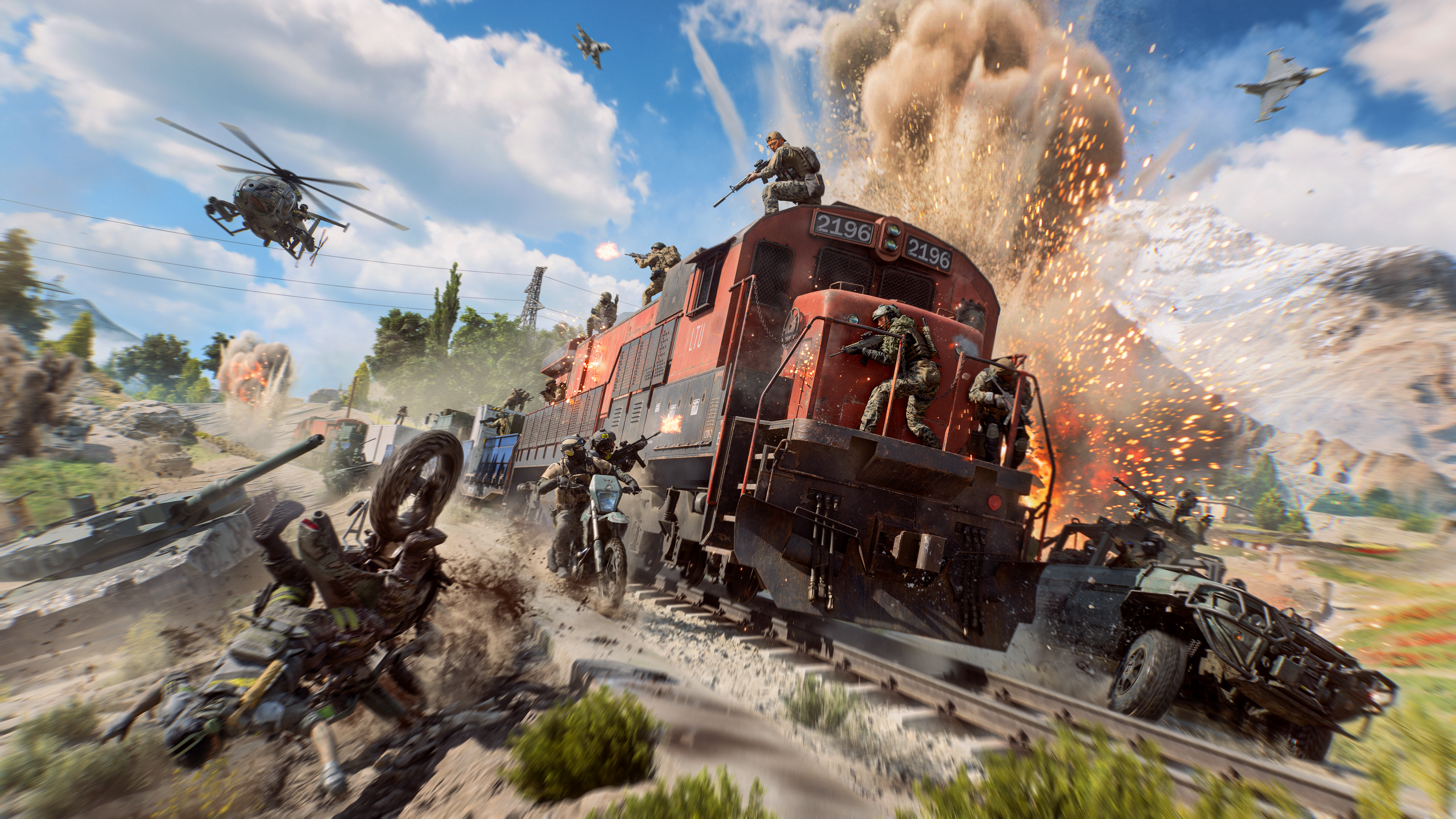
- Expanded Airspace: Season 3 introduces a significantly higher flight ceiling and wider lateral boundaries. This allows for dogfights to occur independently of the ground war, preventing air vehicles from being constantly harassed by short-range man-portable air-defense systems (MANPADS).
The Village Hub
Data suggested that players gravitate toward "micro-zones" within large maps. In "Railway to Golmud," the central village serves as a close-quarters combat (CQC) anchor. By concentrating infantry-focused objectives in this area, the developers ensure that players who prefer "boots on the ground" action have a viable way to contribute to the team’s victory without needing to traverse the entire map on foot.
Official Responses: Insights from the Development Team
In a series of candid discussions, the leadership at Electronic Arts and the Battlefield development team have emphasized a philosophy of "radical transparency" and "data-backed iteration."
Philippe Ducharme on "The DNA"
Executive Producer Philippe Ducharme highlighted that the return to Golmud was a direct response to the community’s outcry for a return to the series’ roots. "It was important to be able to bring one of the favorites that delivers that all-out warfare experience," Ducharme stated. He categorized large-scale maps not just as a feature, but as "part of the DNA" of the franchise.
The "Kool-Aid" Philosophy
Perhaps the most striking comment from the development team involves their internal culture of critique. Ducharme noted, "The worst error we can make as a dev is to drink our own Kool-Aid and say, ‘yeah, it’s all right. People are just complaining.’ We have to keep an open mind."
This suggests a shift in how the studio handles community vitriol. Rather than dismissing negative feedback as "toxic," the team now seeks to "validate it with data." This process ensures that while the "loudest" players get heard, the actual changes made to the game are those that improve the experience for the silent majority of the player base.
On Narrative and Setting
The shift to Tajikistan was explained as a necessity for "narrative cohesion." The developers wanted to avoid the feeling of a "legacy playlist" that feels disconnected from the main game. By weaving Golmud into the Tajikistani conflict, they treat the map as a living part of the Battlefield 6 story rather than a museum piece.
Implications: The Future of the Battlefield Franchise
The launch of Season 3 and the "Railway to Golmud" map carries weight far beyond a single update. It serves as a litmus test for the future of the Battlefield IP.
The Live-Service Redemption Arc
Battlefield 6 is currently in the midst of what many industry analysts call a "redemption arc." Similar to the trajectories of No Man’s Sky or Cyberpunk 2077, the game is using its post-launch seasons to fix fundamental design flaws. If Season 3 succeeds in retaining players through the Golmud nostalgia and improved map flow, it proves that the live-service model can be used to "save" a troubled launch.
The Competition for "Scale"
With competitors like Call of Duty focusing on "Warzone" and Halo Infinite struggling with content cadence, Battlefield 6 has a unique opportunity to reclaim its throne as the premier "large-scale" military shooter. By doubling down on 128-player (on PC and current-gen) capabilities and massive maps like Golmud, EA is re-establishing its niche.
Technological Longevity
The adjustments made to terrain and airspace in Season 3 indicate that the Frostbite engine is being pushed to its limits. The successful implementation of these changes suggests that the engine is flexible enough to handle the community’s shifting demands. This bodes well for future installments, as the "lessons learned" in the Tajikistan theater will likely form the blueprint for the next generation of Battlefield maps.
Conclusion
As players log in today to experience Season 3, the stakes could not be higher. "Railway to Golmud" is more than a map; it is a promise kept to a community that has been vocal about its desires. By balancing the "loud" feedback of the forums with the cold, hard data of "Battlefield Labs," the developers have crafted an update that honors the past while fortifying the future. Whether this will be the definitive turning point for Battlefield 6 remains to be seen, but for now, the tracks are laid, the engines are humming, and the battle for Tajikistan has begun.
Battlefield 6 Season 3 is available now on PlayStation 5, Xbox Series X/S, and PC.




Leave a Comment