
The Zen of the Open Sky: A Deep Dive into ‘Compass’ and the Rise of Minimalist VR Exploration

In an era where the video game industry is increasingly defined by "content bloat"—a relentless flood of waypoint markers, complex skill trees, and dopamine-driven reward loops—a new title from developer Trebuchet seeks to chart a different course. Compass, a story-driven, open-world flight exploration game, arrived on May 28, 2026, for the Meta Quest, SteamVR, and PlayStation VR2 platforms. Priced at a modest $12.99, it presents a stark, almost defiant contrast to the maximalist design philosophy of modern AAA titles.
To understand the soul of Compass, one might look to the world of vintage machinery. A 1967 BSA A65 Thunderbolt motorcycle is a machine stripped of modern luxuries: no anti-lock brakes, no fuel injection, not even turn signals. It is simply a motor, two wheels, and a seat. It requires the rider to be present, to feel the vibration of the engine, and to lean instinctively into every curve. Compass operates on this exact frequency. It is a game that trusts its atmosphere and its core mechanics enough to let the player simply be in its world.
Main Facts: The Anatomy of an Airborne Odyssey
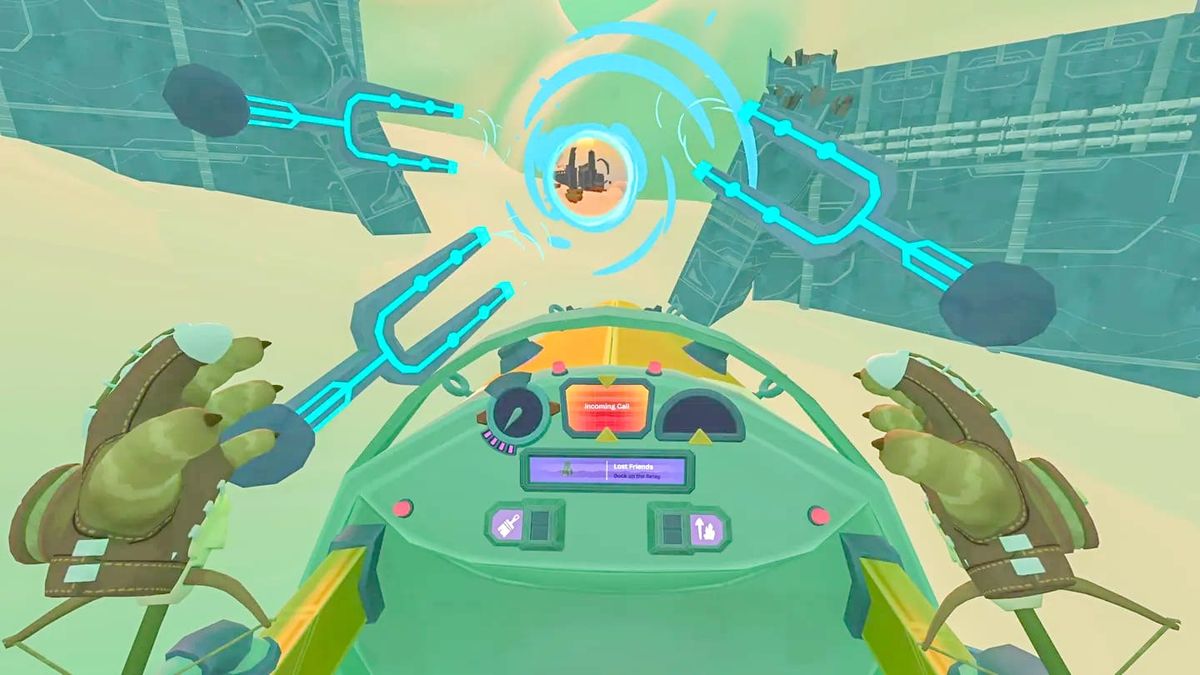
Published by Trebuchet in partnership with Creature, Compass is less a traditional flight simulator and more a tactile poem about movement. The game places players in the cockpit of a nimble scout ship, tasked with a mission that is as surreal as it is high-stakes.
The Core Premise
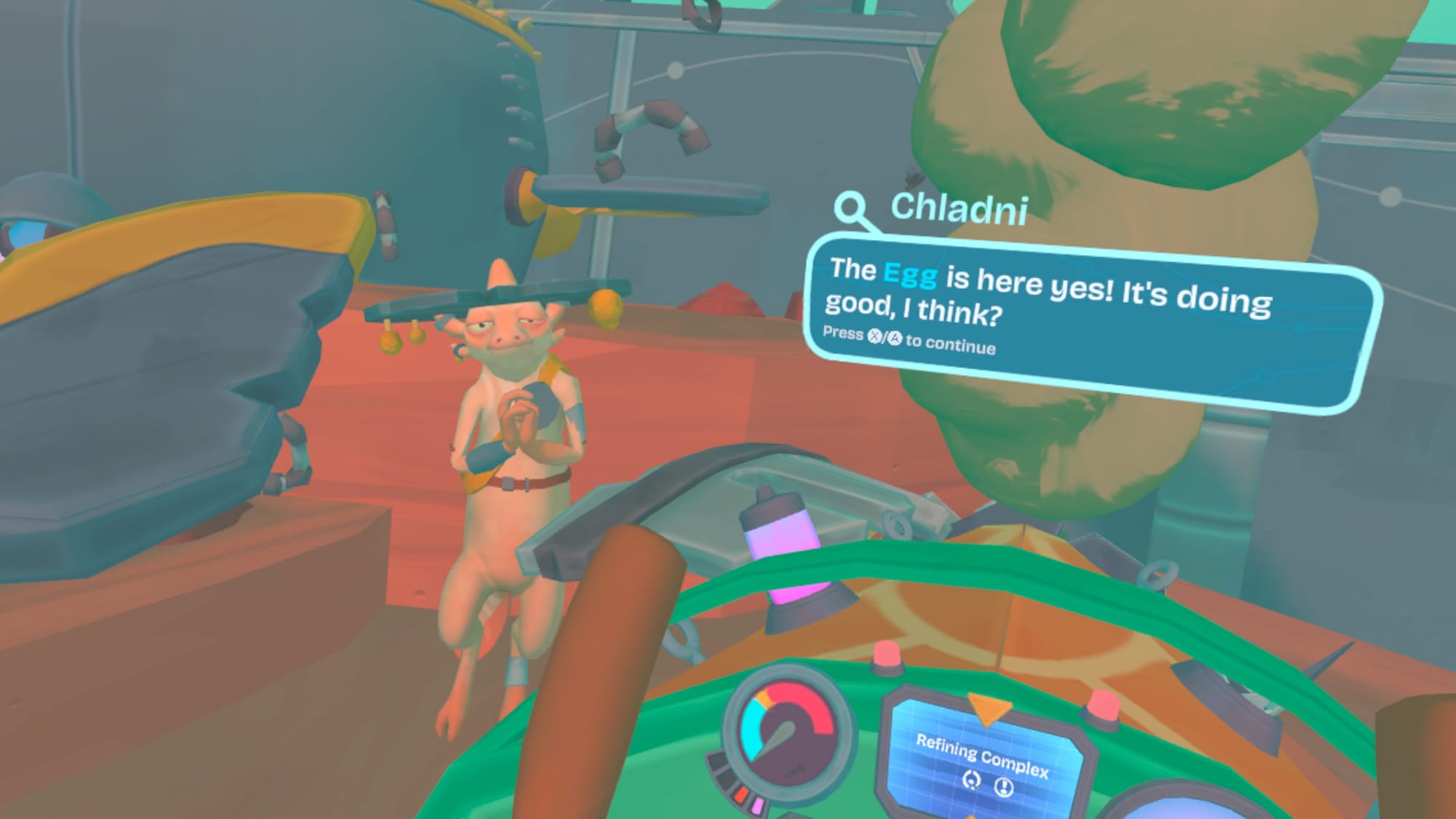
The player serves as the vanguard for an airborne caravan of anthropomorphic alien animals. This nomadic group is trekking across a vast, cosmic skyscape with a singular goal: delivering a giant, mysterious egg to "the great incubator." Standing in their way is a celestial antagonist—an enormous space whale that pursues the caravan, necessitating constant movement and strategic scouting.
Technical Specifications
- Developer: Trebuchet
- Publisher: Trebuchet, Creature
- Platforms: Meta Quest (Reviewed on Quest 3S), SteamVR, PlayStation VR2
- Price Point: $12.99
- Genre: Open-world exploration / Puzzle-adventure
The game’s structure is built around a rhythmic gameplay loop. Players arrive at a central hub within an open-world zone, interact with the caravan’s inhabitants to secure quests, and then take to the skies. The objective is usually to harvest crystals found throughout the overworld. These crystals act as keys to unlock areas shrouded in a mysterious mist, which house the game’s primary "out-of-cockpit" challenges: environmental traversal puzzles.
Chronology: From Concept to Cockpit
The development of Compass follows a trend in the VR industry toward "tactile immersion." Early VR titles often struggled with the balance between complex controls and user comfort. Trebuchet, a studio that has previously explored organic movement in titles like Winds & Leaves, appears to have distilled years of experimentation into the flight model found here.

The game’s release in May 2026 comes at a pivotal time for VR. With the hardware becoming more accessible via devices like the Quest 3S, there has been a growing demand for experiences that move beyond "wave shooters" or "rhythm games." Compass represents a shift toward the "Slow Gaming" movement—a genre that prioritizes discovery and atmosphere over twitch reflexes and constant combat.
The narrative of the "Great Incubator" and the "Space Whale" provides a whimsical, almost Ghibli-esque backdrop. However, the chronology of the player’s journey is strictly non-linear within each zone. By linking sub-areas to the central hub and energizing conduits, the player systematically "powers up" a wormhole to jump to the next sector, repeating the process while the narrative stakes slowly escalate.
Supporting Data: Mechanics, Flight, and Tactile Puzzles
The success of Compass hinges on two primary pillars: the physicality of its flight and the logic of its puzzles.
The Physics of Instinct
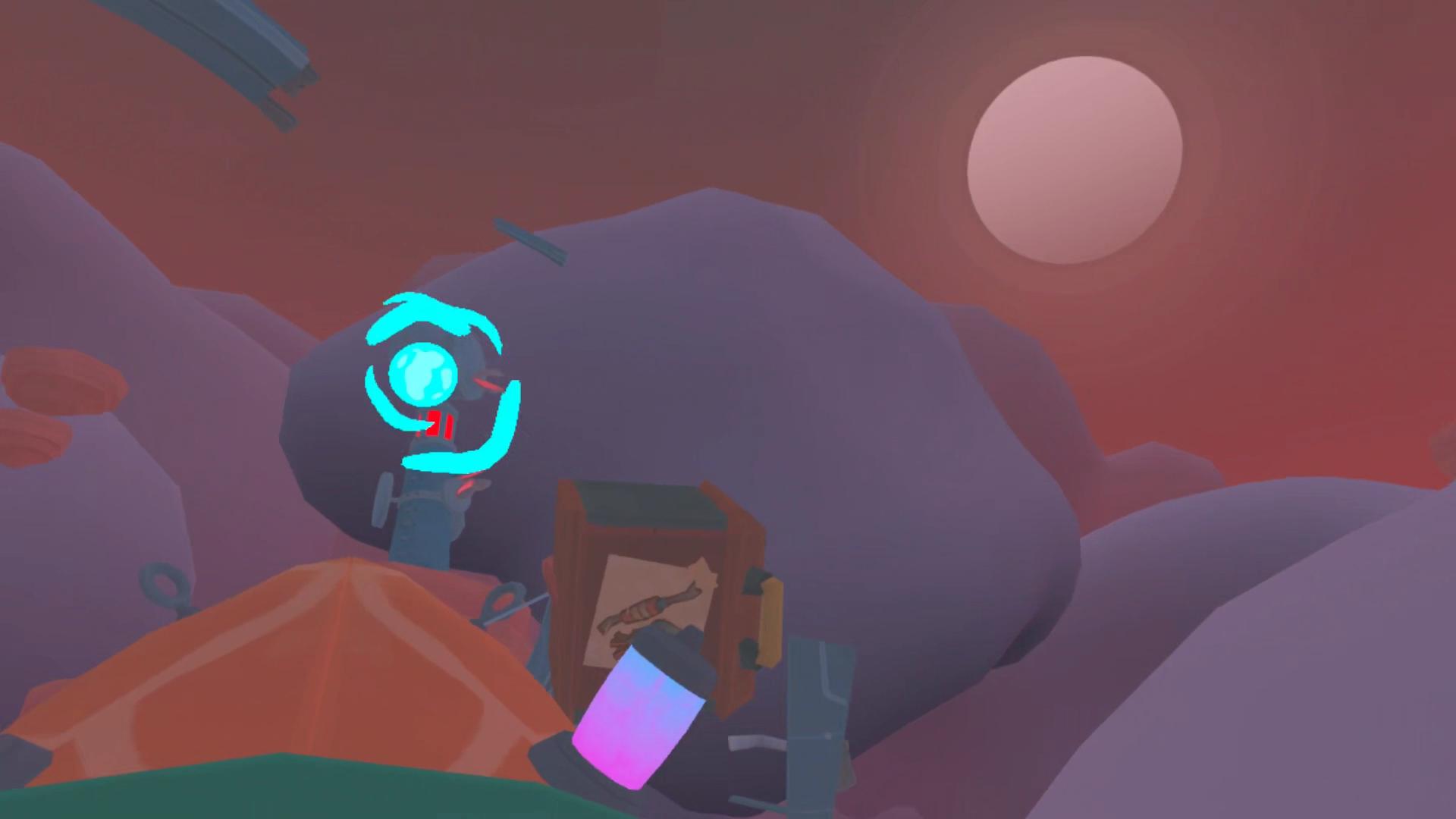
Unlike traditional flight simulators that require a keyboard full of hotkeys, Compass utilizes a fully tactile control scheme. Players physically grab the ship’s yoke with their VR controllers.
- Diving and Climbing: Pushing the yoke forward or pulling it back.
- Banking: Physically turning the yoke left or right, which encourages the player to lean their body into the turn, mirroring real-world motorcycling or piloting.
- Fine-Tuning: Thumbsticks provide minute adjustments, but the core movement is gestural.
Data from early user feedback suggests that this "instinctive" control scheme significantly reduces the learning curve, though it introduces a physical element of fatigue. The sensation of swooping through "marshmallow clouds" and weaving between suspended ruins is cited as the game’s most rewarding feature.
Environmental Traversal
When the player leaves the cockpit, the game transitions into a third-person or platforming-adjacent puzzle mode. Using grappling hooks, players navigate fragmented ruins to flip switches and redirect energy beams.
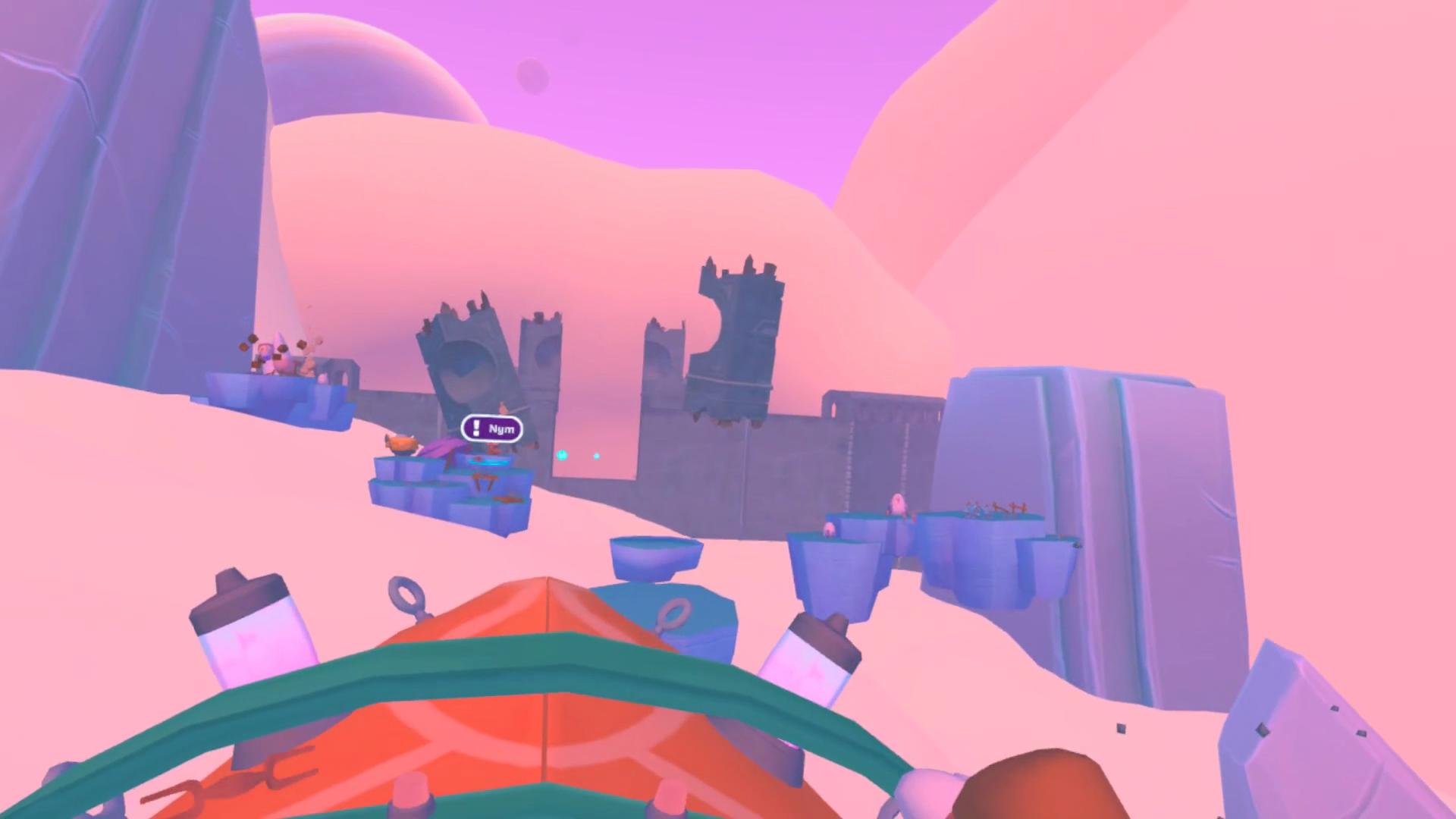
- Complexity Scaling: While the early puzzles are introductory, the difficulty curve is designed to make the player "feel clever" rather than frustrated.
- Mechanical Variety: These segments serve as a necessary palate cleanser to the long stretches of flight, preventing the gameplay from becoming a monotonous loop of sky-faring.
Comfort and Accessibility
Recognizing the inherent risks of motion sickness in flight-based VR, Trebuchet has implemented a suite of comfort options:
- Seated/Standing Modes: Fully supported.
- Vignetting: Adjustable rotational vignettes to reduce peripheral motion.
- Turning: Options for both snap turning (with user-selectable angles) and smooth turning.
Official Responses and Design Philosophy
While Trebuchet has not issued a traditional "post-mortem" yet, the design of Compass speaks to a specific philosophy often championed by their publishing partner, Creature. Creature has frequently advocated for "indie-spirit" games that take risks with minimalist aesthetics.
The developer’s intent with Compass appears to be an exploration of "The Empty Space." In various developer logs, the team has hinted that the minimalism of the world—the sparse islands and quiet ruins—is a deliberate choice to foster a sense of mystery. By not over-explaining the lore of the alien animals or the origin of the space whale, they allow the player’s imagination to fill the gaps.
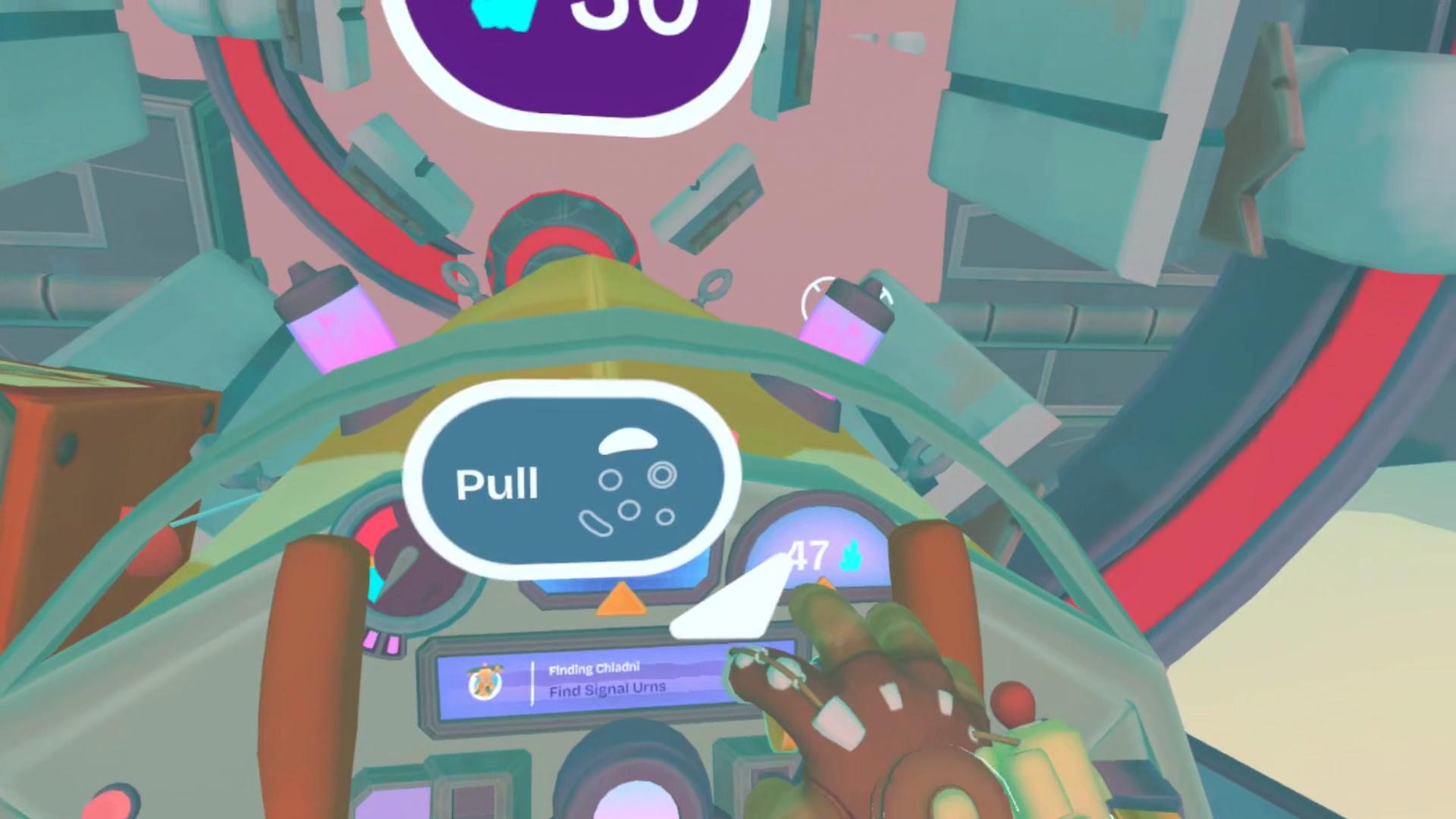
However, this "minimalism" has been a point of contention. Some early critics have noted that the world can occasionally feel too sparse, bordering on underdeveloped. The developer’s response to this, evidenced by the game’s $12.99 price point, suggests that Compass is intended to be a tight, focused experience rather than a sprawling 100-hour epic.
Implications: The Future of "Quiet" VR
The arrival of Compass carries significant implications for the future of virtual reality game design.
The Antidote to "Yellow Paint"
In modern game design, developers often use "yellow paint" or obvious visual cues to guide players, fearing they will get lost or bored. Compass rejects this. It trusts the player to find their own way through the mist. This "trust-based design" could signal a return to more exploratory, less hand-holdy VR experiences.
The Physicality of Gaming
The manual nature of the flight controls highlights a growing sub-sector of VR: "Work-Play." By making the flight physically engaging—requiring arm movement and body leaning—Compass blurs the line between a sedentary game and a light physical activity. However, the reported fatigue from longer sessions suggests that developers must continue to balance "tactile immersion" with "player endurance."
Pacing and the "Wind Waker" Effect
The game’s slow pace is its most polarizing feature. Much like the sailing in The Legend of Zelda: The Wind Waker, the travel in Compass is the point of the game, not a hurdle to be skipped. For a certain segment of the gaming public, this is a fatal flaw; for others, it is a meditative escape. The success of Compass (currently holding a strong 4-star consensus) suggests that there is a viable market for "low-frequency" gaming in the VR space.
Final Verdict: A Simple Machine in a Complex World
Compass is a rare breed of video game. It does not try to be everything to everyone. It does not feature a complex upgrade tree, a multiplayer deathmatch mode, or a battle pass. Instead, it offers a cockpit, a yoke, and a horizon.
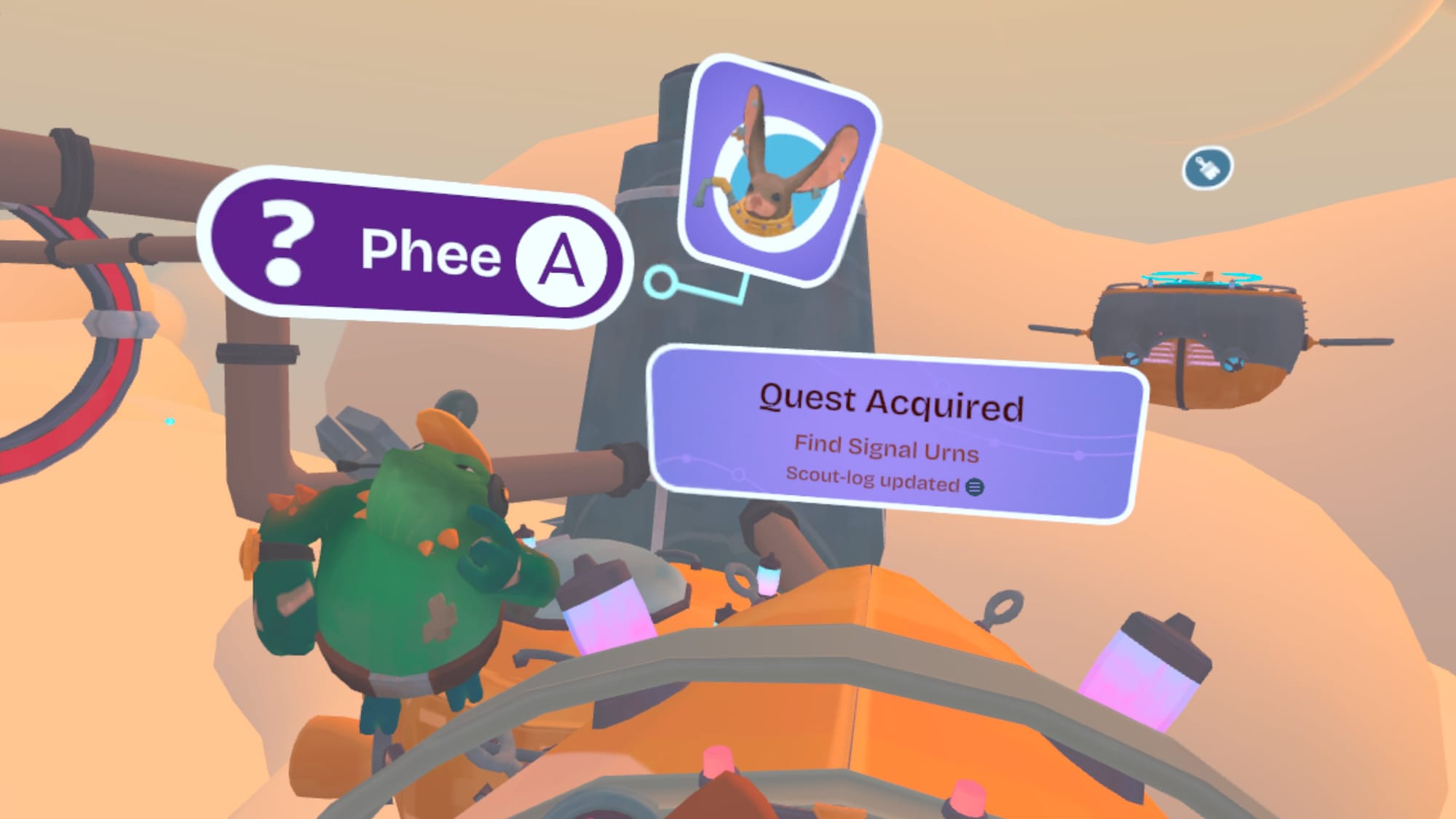
Its flaws are visible: the quests can be repetitive (often boiling down to "fetch" tasks), and the world lacks the biome diversity some might expect from an open-world title. Yet, these shortcomings feel less like failures and more like the trade-offs of a focused vision. Like that 1967 BSA motorcycle, Compass is light, nimble, and unapologetically simple.
For players who find beauty in the quiet moments between objectives—who enjoy the rhythmic hum of a virtual engine and the sight of a distant ruin drifting through the clouds—Compass is more than just a game. It is a reminder that in the virtual world, as in the real one, sometimes the most profound experiences are the ones that give you the room to breathe.
Review Summary:
- Visuals: 4/5 (Unique, minimalist aesthetic)
- Gameplay: 4/5 (Tactile and rewarding flight)
- Value: 5/5 (Highly affordable at $12.99)
- Comfort: 4.5/5 (Extensive options for motion sensitivity)
- Final Score: 4 Stars


Leave a Comment