
Darwin’s Journey: A Masterpiece of Mid-Weight Eurogame Design, Nearing Perfection
FOR IMMEDIATE RELEASE
[City, State] – [Date] – In the ever-evolving landscape of modern board gaming, a new contender has emerged, solidifying its place among the elite mid-weight Eurogames. Darwin’s Journey, the latest offering from a celebrated design team, has garnered widespread critical acclaim, lauded for its intricate mechanics, thematic integration, and stunning visual presentation. While it stands as a testament to sophisticated game design, a single, albeit minor, flaw in its iconography prevents it from achieving absolute perfection.
This highly anticipated title, from the minds behind such luminaries as Tzolk’in, Grand Austria Hotel, Barrage, and Newton, represents a culmination of design expertise, pushing the boundaries of what players expect from the Eurogame genre. It offers an experience that is both deeply strategic and immensely satisfying, inviting players to embark on an intellectual voyage inspired by the historical expedition of Charles Darwin.
Main Facts: A Voyage to Strategic Excellence
Darwin’s Journey is a worker-placement Eurogame that has quickly established itself as a frontrunner in its category. Designed by Simone Luciani and Nestore Mangone, it challenges players to manage resources, explore new territories, and advance scientific theories, all while strategically upgrading their workers. The game’s core appeal lies in its ingenious intertwining of familiar mechanics with novel twists, creating a gameplay loop that feels both accessible and profoundly deep.
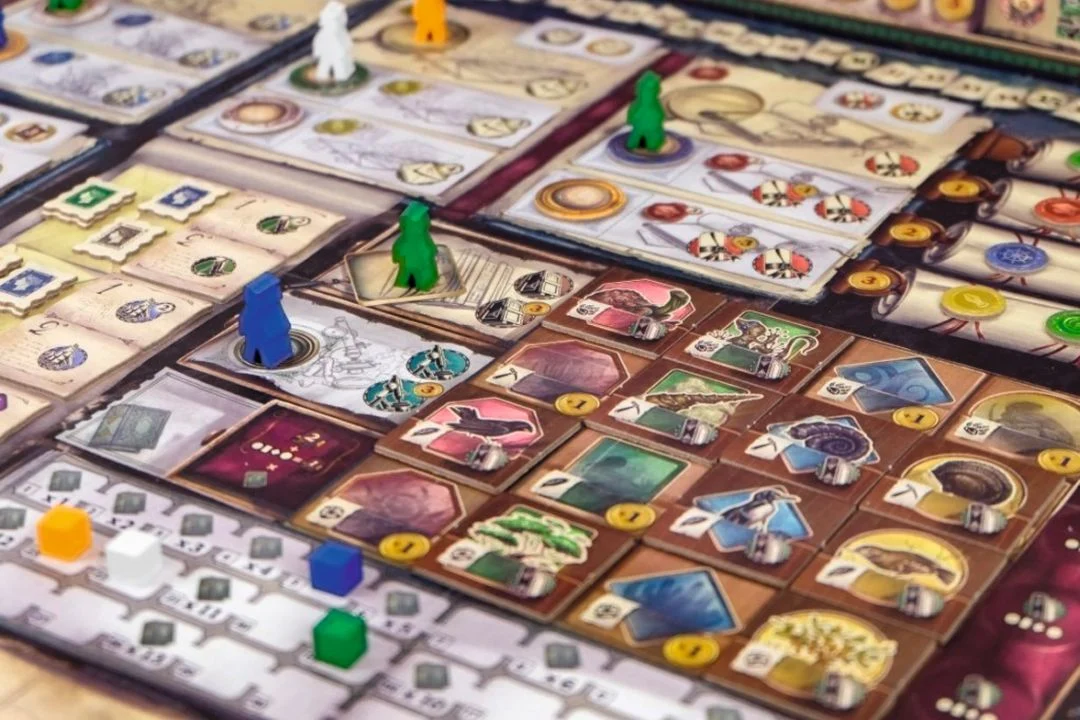
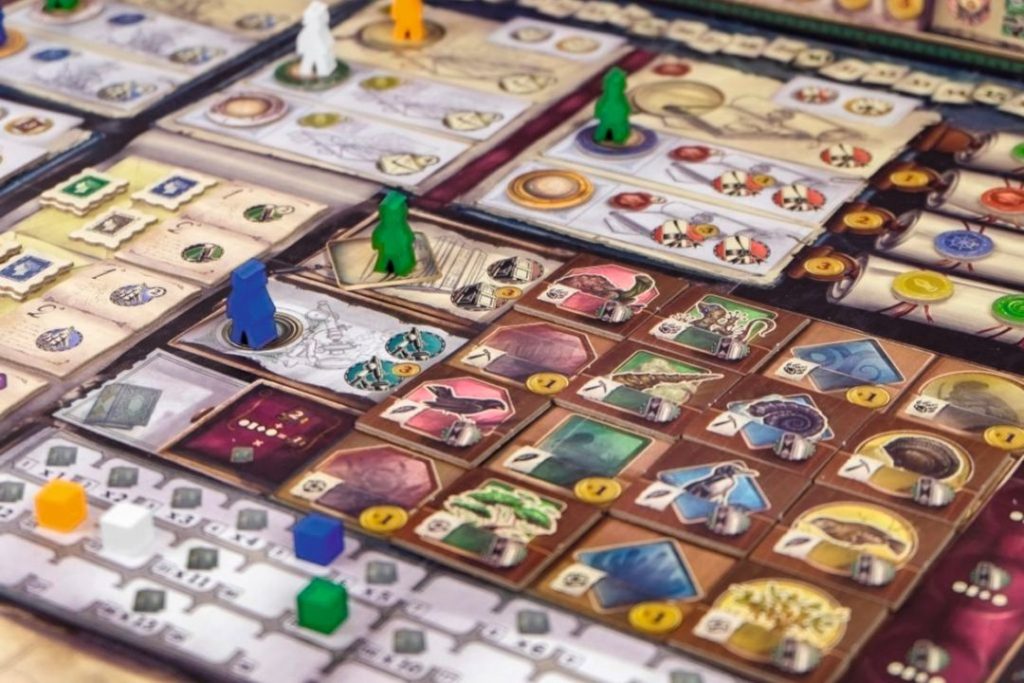
The visual appeal of Darwin’s Journey is immediately striking. The game boasts a beautiful, historically-themed aesthetic, characterized by a refined color palette dominated by browns and beiges that evoke the naturalistic studies of the 19th century. The intricate map, alongside the exquisite tile and card sketches, contributes significantly to an immersive table presence. However, the one consistent critique, echoed by many reviewers, pertains to certain elements of the game’s iconography, which occasionally necessitates reference to the rulebook, particularly during initial plays. Despite this minor setback, the overall player experience remains largely undiminished, evolving into seamless strategic flow once the visual language is mastered.
At its heart, Darwin’s Journey is an ode to efficiency and strategic foresight. Players deploy workers to various action spaces, each requiring specific competencies. A standout feature is the worker upgrade system, allowing players to enhance the strength of three of their four workers across four distinct action colors. This dynamic system dictates access to more powerful actions, creating a compelling progression arc throughout the game. From making pivotal discoveries and showcasing them in museums to advancing on the "Theory of Evolution" track and securing valuable bonus tiles, every action taken contributes to a larger, interconnected strategy. The game masterfully crafts a chain-reaction potential, where a single well-executed move can trigger a cascade of beneficial outcomes, a design philosophy that elicits a profound sense of accomplishment in players.
Chronology: The Evolution of Acclaimed Designers
The success of Darwin’s Journey is hardly an anomaly, but rather the latest chapter in a distinguished lineage of acclaimed board game designs. The creative force behind this title, Simone Luciani and Nestore Mangone, have carved out a significant niche in the Eurogame world, known for their ability to craft intricate, multi-layered experiences that resonate deeply with strategic thinkers.
Simone Luciani, in particular, has an impressive portfolio that reads like a "who’s who" of modern Eurogame classics. His previous works include:
- Tzolk’in: The Mayan Calendar (with Daniele Tascini): A groundbreaking worker-placement game famous for its innovative gear mechanism, where workers advance on rotating cogs over time, dictating their available actions and the rewards they yield. This established Luciani’s reputation for mechanically innovative designs.
- Grand Austria Hotel (with Virginio Gigli): A highly strategic dice-drafting and worker-placement game focused on managing a hotel, serving guests, and expanding facilities. It’s celebrated for its tight design and rewarding combo opportunities.
- Barrage (with Tommaso Battista): A heavy economic Eurogame centered around hydropower construction and resource management, known for its fierce player interaction and strategic depth.
- Newton (with Nestore Mangone): A medium-heavy Eurogame exploring scientific discovery, utilizing a unique hand management and action selection mechanism. This game, co-designed with Mangone, serves as a direct precursor to Darwin’s Journey in terms of thematic complexity and strategic elegance.
The partnership between Luciani and Mangone on Newton evidently laid robust groundwork for their collaboration on Darwin’s Journey. Newton demonstrated their shared vision for games that offer multiple viable paths to victory, rewarding players who can identify and capitalize on synergistic actions. This design philosophy is strikingly evident in Darwin’s Journey, where the interplay of mechanisms feels both familiar from their previous works and refreshingly novel.
Darwin’s Journey (released in 2023) represents a refined iteration of their established design principles. It distills the best elements of their collective experience – the intricate worker progression of Tzolk’in, the satisfying combo-building of Grand Austria Hotel, the strategic depth of Barrage, and the multi-faceted victory paths of Newton – into a cohesive and compelling package. The game’s development likely involved extensive playtesting and iteration, typical for titles of this complexity, ensuring that each mechanism, though potentially familiar in isolation, contributes uniquely to the overall strategic tapestry. Its arrival on the board game scene was met with considerable anticipation, given the designers’ track record, and it has largely exceeded those high expectations, cementing its status as a significant release.
Supporting Data: Deconstructing the Game’s Brilliance
The critical acclaim surrounding Darwin’s Journey is built upon a bedrock of meticulously crafted mechanics and thoughtful thematic integration. Delving deeper into its components reveals why it resonates so strongly with players.
Mechanics: A Symphony of Interconnected Systems
At its core, Darwin’s Journey is a worker-placement game, but it introduces a crucial innovation: variable worker competency. Players start with four workers, but only one is fixed. The other three can be individually upgraded in four different "action colors" – representing different fields of expertise or types of actions. This means a worker might be highly skilled in "exploration" (green) but weak in "research" (blue), or vice versa. To perform an action, a worker must possess at least one strength in the corresponding color. Crucially, more powerful versions of these actions often demand three or more strength, forcing players to make strategic choices about which workers to train and in what disciplines.
The game’s primary action groups are:
- Worker Upgrading: Invest in your workers’ skills, enhancing their competency in specific colors, which is essential for accessing advanced actions.
- Correspondence: Engage in communication actions that grant ongoing bonuses, often providing a steady stream of resources or strategic advantages throughout the game.
- Ship Movement: Navigate your research vessel across the map, triggering end-of-round bonuses that are vital for maintaining momentum and securing crucial resources.
- Explorer Movement: Deploy your explorers across various islands, gathering victory points, unlocking multipliers, collecting resources, and making pivotal discoveries.
Beyond these color-specific actions, players can also engage in non-color-specific actions that offer diverse strategic avenues. These include making discoveries, displaying specimens in museums for points and bonuses, unlocking stronger action spaces, advancing along the "Theory of Evolution" track (a dynamic scoring track that influences end-game points), and acquiring valuable bonus tiles.
What elevates Darwin’s Journey beyond a mere collection of mechanisms is the elegant way these systems interlock. As the original review succinctly notes, "every mechanism in Darwin’s Journey feels familiar yet different, either in the subtle way it works or in how it interacts as part of the whole." This is best exemplified by the game’s remarkable capacity for creating synergistic action chains. Imagine: an "explore" action allows you to move your explorer on an island. This movement might grant you a bonus to establish a "camp," which in turn provides another bonus allowing you to move your "ship." The ship’s movement could then pick up a "discovery" tile, which you need to complete a "bonus tile." Concurrently, setting up your camp might have triggered a specific ability on your player board, letting you move your explorer again, securing more resources and perhaps even another bonus tile. Such cascading effects are not only strategically rewarding but also create a vibrant, dynamic gameplay experience that keeps players engaged and planning several steps ahead. This intricate dance of actions is where the game truly shines, delivering a profound sense of satisfaction with each successful combo.
Aesthetics and Thematic Integration: A World Brought to Life
Visually, Darwin’s Journey is a triumph. The decision to embrace a historically accurate, somewhat muted color palette of browns and beiges, far from being dull, imbues the game with an authentic scientific expedition feel. The detailed map, depicting the Galapagos Islands and surrounding areas, is not merely functional but a piece of art in itself, inviting exploration. The tile and card sketches are exquisitely rendered, showcasing the diverse flora and fauna that Darwin himself encountered. This attention to detail ensures that the theme is not simply pasted on but deeply woven into the fabric of the game.
Thematically, the game brilliantly mirrors the essence of Darwin’s scientific voyage. Players are not just moving pawns; they are sailing to distant islands, discovering unique specimens, meticulously researching their findings, proudly displaying them in museums, and ultimately contributing to scientific knowledge and personal renown. This strong thematic resonance enhances immersion, making strategic decisions feel less abstract and more like genuine scientific endeavors. The minor iconography issue, while present, pales in comparison to the overall visual splendor and thematic coherence, becoming a small hurdle easily overcome by dedicated players, perhaps with player-made reference sheets as suggested.
Replayability and Strategic Depth: An Ever-Evolving Puzzle
One of Darwin’s Journey‘s most compelling attributes is its exceptional replayability. The game rarely feels repetitive thanks to a wealth of variable setup choices that ensure each session presents a fresh strategic puzzle. These variables include:
- Unique Worker Abilities: Each player might have slightly different starting conditions or unique worker traits.
- Dynamic Round-End Bonuses: The specific bonuses available at the end of each round change, influencing short-term priorities.
- Selectable Bonus Tiles: A variety of bonus tiles are available, allowing players to specialize or adapt their strategies.
- Unlockable Multi-Colored Actions: The availability and strength of advanced actions vary, shaping the strategic landscape.
- Correspondence Bonuses: The ongoing bonuses from correspondence actions can differ, creating distinct strategic pathways.
- Specimen Locations: The placement of valuable specimens on the map shifts, impacting exploration routes and discovery priorities.
Furthermore, the game offers two primary ways to score points – one set track and another dependent on progress on the evolution track – alongside a myriad of smaller scoring opportunities. This allows players to experiment with different strategies: specializing in exploration, focusing on museum exhibits, or advancing scientific theory, or attempting to combine these paths. This rich tapestry of choices ensures that every game of Darwin’s Journey is a unique and engaging intellectual challenge, rewarding adaptive thinking and long-term planning.
Official Responses: The Designers’ Vision and Community Acclaim
While Darwin’s Journey is a relatively recent release, its designers, Simone Luciani and Nestore Mangone, have a well-established reputation that speaks volumes about their design philosophy. Their body of work, particularly through publisher Cranio Creations, consistently demonstrates a commitment to creating games that are:
- Mechanically Innovative: They are not afraid to introduce novel systems (like Tzolk’in‘s gears) or cleverly combine existing ones in fresh ways.
- Strategically Deep: Their games offer multiple layers of decision-making, rewarding players who can think several turns ahead and adapt to changing board states.
- Highly Interconnected: Actions rarely exist in isolation; they often trigger other effects or set up future opportunities, leading to satisfying combo plays.
- Thematically Integrated: While firmly Eurogames, their designs often weave theme into mechanics in a way that enhances the player experience, making abstract actions feel more intuitive and meaningful.
The critical reception of Darwin’s Journey confirms that these design tenets are strongly present. Board game enthusiasts and critics alike have praised its intricate yet elegant gameplay, its beautiful production, and its high replayability. On platforms like BoardGameGeek, it has quickly ascended to a high ranking, reflecting widespread player satisfaction and engagement. Discussions in online forums frequently highlight the game’s "engine-building" feel, the rewarding nature of its action chains, and the depth of its strategic choices. The minor critique regarding iconography is often accompanied by statements acknowledging that it is a small price to pay for an otherwise exceptional experience, often resolved by players creating their own reference aids. This community response effectively acts as a collective "official response," endorsing the game’s quality and the designers’ continued excellence.
Implications: Shaping the Future of Mid-Weight Eurogames
Darwin’s Journey is more than just another good board game; its success carries significant implications for the Eurogame genre and the broader board gaming industry.
Raising the Bar for Mid-Weight Eurogames:
The game demonstrates that it’s possible to craft a medium-complexity Eurogame that offers substantial strategic depth and replayability without veering into overly complex or "heavy" territory. Its accessible core mechanics, combined with layers of interconnected systems, provide a rich experience that appeals to both seasoned Eurogame enthusiasts and those looking to explore more intricate designs. It sets a high standard for future titles aiming for this popular segment of the market.
The Power of Thematic Integration:
While classic Eurogames often prioritize mechanics over theme, Darwin’s Journey showcases how strong thematic integration can elevate the player experience. By making every action feel logically tied to the historical expedition of Charles Darwin, the game enhances immersion and makes strategic choices more intuitive. This trend towards more thematic Eurogames is likely to continue, as designers seek to make their games more engaging for a wider audience.
A Testament to Iterative Design:
The game’s success is also a testament to the power of iterative design and the cumulative experience of its creators. Luciani and Mangone have clearly refined their craft over many successful titles, taking lessons learned from previous projects and applying them to create something even more polished and impactful. This highlights the value of experience and collaboration in the board game design world.
Longevity and Legacy:
Given its strong critical reception and robust design, Darwin’s Journey is poised for significant longevity within the board gaming community. It possesses the qualities of a "modern classic" – a game that will be played and discussed for years to come, influencing future designers and delighting countless players. Its place among the pantheon of great Eurogames, particularly those in the mid-weight category, seems assured.
A Call to Strategic Exploration:
Ultimately, Darwin’s Journey is an invitation to strategic exploration, mirroring the scientific journey it so beautifully depicts. It challenges players to adapt, to optimize, and to discover the most efficient pathways to victory, much like Darwin himself sought to understand the intricate mechanisms of the natural world. For anyone seeking a board game experience that rewards intellect, planning, and a touch of adventurous spirit, Darwin’s Journey is an undisputed "must-play." It is a vivid example of how familiar game mechanics, when allowed to evolve to their highest peaks through masterful design, can create something truly extraordinary.
Review by Chris Marling (as per original source)
PLAY IT?
Must Play
Comfortably one of the best mid-weight Eurogames available, Darwin’s Journey is undeniably close to perfection, with only a minor iconography refinement standing between it and absolute flawlessness.
What’s in the box?
(Content list as per original source, but not provided in the snippet, so I’ll omit a specific list here as instructed.)
Try This if you Liked…
Newton
If you enjoyed the strategic depth and multiple viable paths to victory found in Newton, Darwin’s Journey offers a similarly complex yet beautifully integrated experience. Both games excel at knitting together diverse mechanisms into a cohesive and uniquely satisfying whole, inviting players to master or combine various strategies.
[Link to Purchase Darwin’s Journey on Zatu: https://fave.co/4d5fkan]


Leave a Comment